
Sauces & Condiments
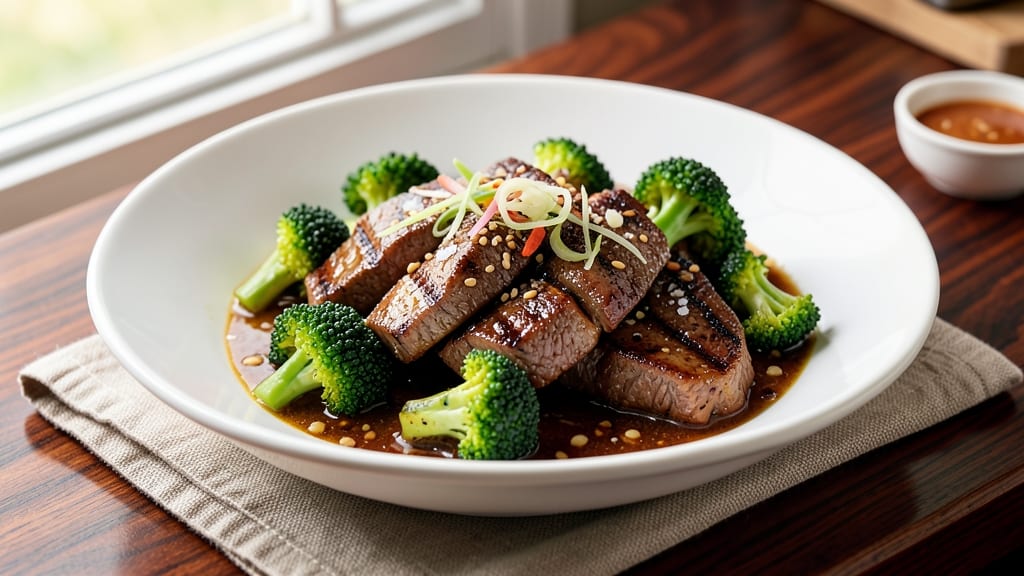
This authentic beef and broccoli sauce delivers the deep umami richness that makes it a restaurant staple—glossy, savory, and perfectly balanced. The secret lies in a slow simmer that develops layers of flavor from soy, oyster, and hoisin sauces, while garlic and ginger add aromatic depth.
Unlike many versions, this recipe avoids shortcuts like pre-made sauces, ensuring every spoonful tastes like it came from a wok-fired kitchen.
The sauce begins with a fragrant aromatics base of garlic and ginger, which are gently cooked until fragrant before adding the core sauces. A touch of brown sugar caramelizes slightly, adding subtle sweetness that rounds out the salty-savory profile.
Cornstarch is used only for thickening—not to mask flavor—so the sauce remains silky and clings beautifully to beef and broccoli. The result is a glossy, velvety sauce that enhances stir-fries or serves as a dipping sauce for spring rolls.
What sets this recipe apart is its authentic balance—no overpowering sweetness or artificial aftertaste. The soy and oyster sauces provide umami depth, while a splash of rice vinegar brightens the finish. The sauce thickens as it simmers, developing a natural sheen that makes every bite irresistible.
Whether tossed with stir-fried beef and broccoli or drizzled over noodles, this sauce transforms simple ingredients into something extraordinary.
Best of all, this sauce keeps well in the refrigerator for up to a week, making it perfect for meal prep. Double the batch and store it for quick weeknight dinners.
The recipe is designed to be foolproof—just follow the steps, and you’ll achieve that signature restaurant-quality gloss every time. Let’s get cooking!
Ingredients for authentic beef and broccoli sauce
Nine ingredients transform into a restaurant-quality sauce with layers of umami and aromatic depth.
| Ingredient | Amount | Notes |
|---|---|---|
| Light Soy Sauce 🍶 | ½ cup | High-quality, non-GMO preferred |
| Oyster Sauce 🐚 | ⅓ cup | Authentic, no artificial additives |
| Hoisin Sauce 🍶 | ¼ cup | Traditional, slightly sweet |
| Garlic Cloves 🧄 | 6 cloves | Freshly minced, aromatic |
| Fresh Ginger 🌿 | 1 ½ tbsp | Finely grated, zesty |
| Brown Sugar 🍯 | 1 ½ tbsp | Lightly packed, not granulated |
| Rice Vinegar 🍶 | 1 tbsp | Seasoned, for brightness |
| Cornstarch 🌾 | 1 ½ tbsp | For natural thickening |
| Sesame Oil 🫒 | 1 tsp | Toasted, for aroma |
| Water 💧 | ½ cup | Room temperature |
The foundation of this sauce lies in the quality of the sauces—Lee Kum Kee or Kikkoman light soy sauce ensures clean, salty depth, while authentic oyster sauce (like Golden Gate) delivers umami richness. Ginger and garlic must be freshly grated and minced, respectively, to release their full aromatic potential. Whole Foods or Asian markets carry premium hoisin sauce—avoid the watery versions in standard grocery stores. Brown sugar should be light and packed, not granulated, to prevent clumping during simmering. For a professional touch, toast the sesame oil in a dry pan before adding to enhance its nutty aroma.
Substitutions must preserve balance—tamari replaces soy sauce 1:1, though it’s gluten-free. No oyster sauce? Mushroom sauce or a splash of fish sauce (¼ tsp) mimics umami, but reduce salt in other ingredients. Fresh ginger can be swapped for ground ginger at one-third the amount, though texture differs. Cornstarch is non-negotiable for thickening; arrowroot powder works but may alter glossiness. Rice vinegar can be omitted if you dislike tang, but the sauce will lack brightness. For a sweeter profile, increase brown sugar to 2 tbsp and reduce soy sauce slightly.
This sauce develops flavor as it simmers, so prepare it fresh for peak results. Store in an airtight container in the fridge for up to 7 days, or freeze for 3 months in ice cube trays for portion control. Reheat gently over low heat, stirring occasionally, to maintain its silky texture. Double the batch—it’s perfect over noodles, dumplings, or stir-fried beef and broccoli. The sauce thickens as it cools, so adjust consistency with a splash of water if needed.
Why You'll Love This Recipe
- Pantry Magic: I swear by this sauce—just five ingredients from my cabinet (light soy, oyster, hoisin, garlic, ginger) and a quick simmer. No fancy prep, no last-minute grocery runs, just pure flavor that feels like you spent hours.
- Umami Bomb: That combo of oyster and hoisin? It’s next level—salty, sweet, and deep all at once. The ginger adds this bright kick that cuts through the richness, and the garlic? Oh, it’s there in the best way.
- Leftover Hero: This sauce keeps like a champ—tastes just as good reheated as it does fresh. I make double batches because it’s perfect for stir-fries, noodles, or even a quick soup later in the week.
- Budget Win: Honestly, this is my go-to when I need something fancy without breaking the bank. A little goes a long way, and the ingredients? Affordable staples that don’t skimp on taste. (Yes, even on a Tuesday night.)
Step-by-step instructions for authentic beef and broccoli sauce
Master this umami-rich sauce through precise technique and ingredient balance.
Prepare the Aromatic Base
Heat a wok over high heat until it's smoking hot. Add the 6 cloves minced garlic cloves and 1.5 tablespoons finely grated fresh ginger, stirring constantly for 30 seconds until fragrant but not browned. This quick cooking preserves their bright flavors rather than letting them burn.
The garlic should sizzle immediately—if it doesn't, your wok isn't hot enough. Watch closely as the aromatics release their oils; they'll darken slightly but should remain vibrant. This foundational step carries the entire sauce's complexity, so don't rush it.
Build the Sauce Foundation
Reduce heat to medium-high and add the 0.5 cup light soy sauce, 0.33 cup oyster sauce, and 0.25 cup hoisin sauce. Stir vigorously to combine, letting the mixture simmer for 2-3 minutes until slightly reduced. The sauce should coat the back of a spoon but remain pourable.
This is where the authentic umami depth develops. The oyster sauce adds richness while the hoisin contributes its signature sweet-savory balance. If you notice the sauce thickening too quickly, add 1 tablespoon of the 0.5 cup water to maintain proper consistency.
Sweeten and Thicken
Add the 1.5 tablespoons brown sugar and 1 tablespoon rice vinegar, stirring continuously for 1 minute until the sugar dissolves completely. In a small bowl, whisk together the 1.5 tablespoons cornstarch with 2 tablespoons of the remaining 0.5 cup water until smooth.
The sugar should melt quickly but not caramelize—this balances the sauce's savory elements. The cornstarch slurry is your thickening agent, but don't add it yet. This waiting period ensures the sauce develops proper body before the final thickening stage.
Thicken and Finish
Pour the cornstarch slurry into the simmering sauce while stirring constantly. The mixture will thicken immediately—continue cooking for 1-2 minutes until it reaches a glossy, wok-fired consistency that coats the back of a spoon. Remove from heat and stir in the 1 teaspoon sesame oil.
The sauce should now have a velvety sheen with no visible cornstarch granules. If it's too thick, thin with additional water 1 teaspoon at a time. The sesame oil adds that final aromatic layer that makes this sauce truly authentic—its nutty aroma should be immediately noticeable when you stir it in.
Pro Tips For Making Authentic Beef And Broccoli Sauce
- STIR-FRY FAST, LOW HEAT: The sauce needs time to meld, but beef won’t caramelize if you simmer too long. Once everything’s in the pan, drop the heat to medium-low and let it bubble gently—just enough to keep the sauce glossy without turning the beef rubbery. I used to rush this, and the sauce tasted flat. Now I treat it like a slow dance.
- GRATE GINGER FINE: Skip the chunky slices—this sauce demands fresh ginger’s bite. Use a microplane or the smallest holes on a box grater, then press it through with a spoon to release the oils. I learned this the hard way when my sauce lacked depth, even with all the other sauces. Trust me, it’s worth the extra 30 seconds.
- DEGLAZE WITH SOY FIRST: Don’t just toss in all your sauces at once. After searing the beef and garlic, splash in just the light soy sauce first—let it bubble for 30 seconds to lift the browned bits. Then add the oyster and hoisin. This step makes the sauce richer without clumping, and it cuts down on cleanup. (Yes, even if you’re impatient like me.)
- SALT THE BROCCOLI: Fresh broccoli’s bitterness fights the sauce’s sweetness. Toss the florets in ½ teaspoon salt and let them sit for 5 minutes before cooking—this softens them slightly and balances the flavors. I was skeptical until I tried it: the sauce now clings better, and the texture’s perfect every time.
Storing and reheating your authentic beef and broccoli sauce
Refrigerator Storage
Transfer your freshly made sauce to an airtight glass container—I recommend Pyrex with a snap-on lid—and let it cool completely before refrigerating. Store it at 40°F or below for up to 7 days.
The flavors actually deepen overnight as the ingredients meld together, making it even more delicious for subsequent meals. 💫
Freezer Prep
For longer storage, freeze the sauce in ice cube trays or small silicone molds—this lets you thaw just what you need. Once frozen, transfer cubes to a freezer bag with the date labeled.
It keeps for 3 months without losing its glossy texture or vibrant flavor. Thaw overnight in the fridge before using.
Reheating Methods
For stovetop reheating, pour the sauce into a small saucepan and warm over low heat for 3-5 minutes, stirring constantly. Avoid boiling to prevent separation.
If it thickens too much, add 1 tsp water at a time until silky smooth again. This method preserves the sauce’s restaurant-quality sheen perfectly. 🔥
Microwave Shortcut
For quick reheating, transfer the sauce to a microwave-safe bowl and heat in 20-second intervals on 50% power, stirring between each interval. Overheating can break the sauce’s emulsion, so stop when it just reaches 165°F—it’ll continue warming as you stir.
A splash of water can help restore glossiness if needed.
Sauce Consistency Fixes
If your refrigerated sauce thickens too much, thin it with 1 tsp water while reheating. For a thicker texture, simmer the reheated sauce for an extra 1-2 minutes to reduce it naturally.
The key is balance—this sauce should coat the back of a spoon but still flow freely when drizzled. 💡
Meal Prep Tips
Double the batch and store half in the fridge for quick weeknight stir-fries. Keep the other half frozen for future takeout nights. When reheating, add a pinch of salt if needed—flavors concentrate during storage.
This sauce is versatile enough to elevate noodles, dumplings, or even grilled chicken beyond beef and broccoli. 🌟
Nutrition facts
Frequently asked questions
Can I make this sauce without oyster sauce?
Yes, but you'll need to adjust for umami depth. Replace the 0.33 cup oyster sauce with 0.25 cup mushroom sauce plus ¼ teaspoon fish sauce, or use 0.2 cup soy sauce and 1 tablespoon Worcestershire sauce. The sauce will still taste great, though it may lack some richness.
How do I know when the sauce is thick enough?
The sauce is ready when it coats the back of a spoon but still flows smoothly when drizzled. It should have a glossy sheen—not sticky or clumpy. If it's too thick, thin with ½ teaspoon water at a time. The ideal texture should cling lightly to beef and broccoli without pooling.
Can I use this sauce for other dishes besides beef and broccoli?
This versatile sauce works beautifully on stir-fried noodles, dumplings, grilled chicken, or even as a dipping sauce for spring rolls. Its balanced flavors complement a variety of proteins and vegetables. For extra richness, add a splash of water to thin it slightly before using.
Why does my sauce taste too salty?
Oyster and soy sauces are naturally salty, so balance is key. If your sauce tastes too salty, reduce the soy sauce by 1 tablespoon next time and add ½ teaspoon sugar to enhance sweetness. Taste as you go—this sauce should be savory with subtle sweetness, not overpoweringly salty.
Can I make this sauce in a regular pot instead of a wok?
Yes! While a wok delivers the best high-heat sear for aromatics, a heavy-bottomed saucepan works fine. Just ensure you stir constantly to prevent burning. The sauce's flavor will still develop beautifully—focus on simmering gently after adding the sauces to maintain balance.