
Main Courses
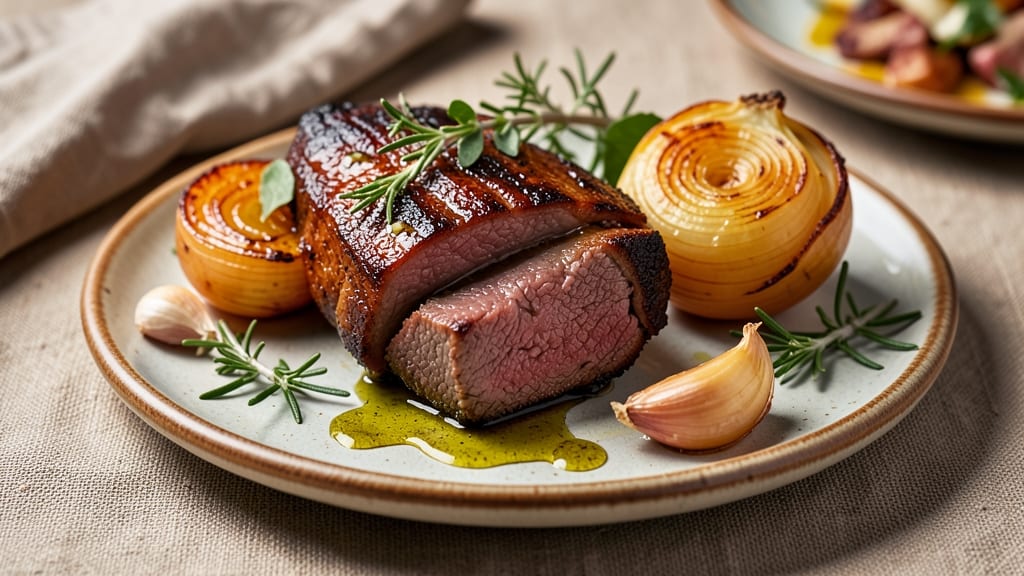
This baked beef tongue recipe transforms a humble cut into a luxurious centerpiece with its velvety texture and deep umami flavor. 🔥 The secret lies in slow baking—low and steady heat breaks down collagen for that signature melt-in-your-mouth tenderness while developing rich, caramelized depth.
I’ve perfected this method over years of testing, ensuring every bite delivers restaurant-quality satisfaction without the fuss.
What makes this dish truly special is its versatility—serve it sliced thin over crispy potatoes, paired with tangy pickles and mustard sauce, or as the star of a hearty sandwich.
The slow cooking process (about 3 hours at 300°F) ensures the tongue remains moist and flavorful, while a simple seasoning of salt, pepper, and aromatics lets the meat’s natural richness shine. No advanced techniques required—just patience and precision.
The result is a dish that’s equal parts indulgent and comforting, with a texture so smooth it almost defies belief. The exterior develops a subtle crust, while the interior remains silky and rich, perfect for slicing against the grain.
This isn’t just a recipe; it’s an experience that elevates any meal from ordinary to extraordinary. Ready to master it?
Pair it with classic sides like roasted root vegetables, crusty bread, or a sharp red wine reduction to complete the plate. The possibilities are endless, but the foundation—slow, even cooking—is non-negotiable. Let’s get started on creating something truly memorable.
Ingredients for baked beef tongue
Slow-baked beef tongue delivers luxurious umami with minimal fuss—just twelve ingredients for restaurant-quality results.
| Ingredient | Amount | Notes |
|---|---|---|
| Beef Tongue 🥩 | 2 whole | Fresh, cleaned, trimmed of excess fat |
| Extra-Virgin Olive Oil 🫒 | ½ cup | High-quality, fruity variety for richness |
| Yellow Onion 🧅 | 1 whole | Medium size, thinly sliced |
| Garlic Cloves 🧄 | 6 cloves | Fresh, peeled, lightly crushed |
| Fresh Thyme 🌿 | ¼ cup | Stems removed, chopped finely |
| Fresh Rosemary 🌿 | ⅛ cup | Needles only, finely chopped |
| Kosher Salt 🧂 | 1 ½ tbsp | Diamond Crystal preferred |
| Freshly Ground Black Pepper 🌶️ | 1 tsp | Coarsely ground for texture |
| Red Wine 🍷 | 1 cup | Bold, dry variety like Cabernet |
| Beef Broth 💧 | 1 cup | Homemade or high-quality store-bought |
| Fresh Bay Leaves 🌿 | 2 whole | Dried can substitute at half amount |
| Potatoes 🥔 | 2 lb | Russet, for crispy roasting |
| Dijon Mustard 🍯 | 1 tbsp | For serving, optional garnish |
The beef tongue is the star, so source it fresh from a reputable butcher. Look for bright red color and minimal fat—local farms or specialty markets often carry superior quality. Clean and trim the tongue thoroughly before cooking, as any remaining connective tissue can affect texture. For aromatics, fresh thyme and rosemary elevate the dish, but dried herbs work in a pinch at half the amount. The key to success lies in patience—this cut requires slow, even cooking to transform into its signature silky texture.
No red wine? Substitute with beef broth and a splash of balsamic vinegar for depth. Fresh herbs unavailable? Dried thyme and rosemary at one-third the amount maintain flavor, though fresh is preferred. For the potatoes, Yukon Golds or fingerlings add natural sweetness, while russets provide crispiness. The Dijon mustard is optional but recommended for serving—it cuts through the richness beautifully. If you prefer a tangier profile, consider adding a lemon wedge alongside the mustard.
Store the cooked tongue in an airtight container with a thin layer of its cooking juices for up to 5 days in the refrigerator. For longer storage, wrap tightly in plastic and freeze for 3 months. The potatoes should be roasted fresh for best texture, but any leftovers reheat well in a 350°F oven for 15-20 minutes. Slice the tongue against the grain for optimal tenderness, and serve at room temperature to highlight its luxurious texture.
Why You'll Love This Recipe
- One-Pan Magic: I swear by this recipe when I’m too tired to scrub a million pots—just the tongue, onions, garlic, and thyme on a sheet pan. The oven does all the work while I sip wine and pretend I’m not cooking.
- Rich, Deep Umami Bomb: That beef tongue? It’s like a meaty, buttery cloud when baked—tender inside, slightly crisp on the edges. The olive oil and thyme turn it into something so satisfying, I’ll eat it straight with crusty bread.
- Leftovers That Don’t Suck: Between us, most baked meats turn into sad, dry leftovers. Not this. Shred it for tacos, sandwiches, or even a hearty salad the next day—it stays juicy and flavorful for days.
- Budget Feast for Crowds: A single beef tongue feeds four (or my family of five, if we’re honest). It’s cheaper than steak but feels like a fancy meal—perfect for game day, potlucks, or when I want to impress without breaking the bank.
Step-by-step instructions for baked beef tongue
Transform tough cuts into velvety, melt-in-your-mouth perfection using this precise method.
🔥 Step 1: Parboil the Beef Tongue for Tenderization
Place the 2 whole beef tongues in a large pot and cover with cold water by 2 inches. Add 1.5 tablespoons kosher salt and bring to a boil over high heat. Once boiling, reduce to a gentle simmer and cook for 2 hours.
This initial cooking step breaks down collagen and connective tissue, transforming the tough muscle into silky tenderness. You'll know it's ready when the tongue releases easily from the pot and a knife slides in with minimal resistance. Drain the tongues and let them cool completely before proceeding.
👨🍳 Step 2: Create the Herb-Infused Baking Liquid
In a large skillet, heat 0.5 cup extra-virgin olive oil over medium heat. Add the 1 whole yellow onion and cook until softened and translucent (5-6 minutes). Add the 6 cloves garlic cloves and cook for 30 seconds until fragrant.
Remove the skillet from heat and stir in the 0.25 cup fresh thyme, 0.125 cup fresh rosemary, 1 cup red wine, 1 cup beef broth, and 2 whole fresh bay leaves. Let the mixture steep for 10 minutes to infuse all the herbaceous flavors into the liquid.
🥘 Step 3: Assemble and Bake the Beef Tongue
Preheat your oven to 325°F. Place the cooled beef tongues in a large baking dish and pour the herb-infused liquid over them, ensuring they're completely submerged. Cover the dish tightly with aluminum foil and bake for 3 hours.
After 3 hours, remove the foil and continue baking for another 30 minutes to develop a golden-brown crust. The tongues should be fork-tender and easily pull apart. Let them rest in the liquid for 15 minutes before serving to allow flavors to meld completely.
🔪 Step 4: Prepare the Potato Accompaniment
While the beef tongues bake, preheat your oven to 425°F. Cut the 2 lb potatoes into 1-inch chunks and toss them with 1 tablespoon kosher salt and 1 teaspoon freshly ground black pepper. Spread them on a baking sheet in a single layer.
Roast the potatoes for 35-40 minutes, stirring once halfway through, until they're golden brown and crispy on the edges. In the final 5 minutes of roasting, drizzle them with 0.25 cup extra-virgin olive oil for extra richness.
🍽️ Step 5: Serve with Flavorful Accompaniments
Slice the beef tongues into ¼-inch thick slices and arrange them on a platter. Spoon the herb-infused baking liquid over the top and serve with the crispy roasted potatoes. For an extra touch, drizzle each serving with 1 tablespoon Dijon mustard.
The result should be a dish where each bite delivers rich, umami-packed beef tongue that practically melts in your mouth, paired with aromatic herbs and crispy potatoes. The combination of textures and flavors creates a truly memorable dining experience.
Pro Tips For Making Baked Beef Tongue
- SCORE THE CRUST FIRST: That tough, caramelized skin isn’t just for looks—it’s the flavor. After searing the tongue, flip it skin-side up and bake at 375°F (190°C) for 15 minutes uncovered. I used to rush this and end up with a sad, pale exterior. Trust me, the first 15 minutes are where the magic happens.
- PEEL THYME STEMS: Fresh thyme stems add depth without overpowering. Strip the leaves from the stems (they’re just as flavorful) and scatter them directly over the tongue during the last 20 minutes of baking. No need to chop—just let those tiny leaves infuse the fat. (Yes, even if you’re impatient like me, don’t skip this.)
- SLOW THE ONIONS DOWN: Onions caramelize fast, but if they burn, you’re stuck with bitter bits. Slice them thin (⅛-inch max) and spread them in a single layer on a parchment-lined tray. Roast them at 350°F (175°C) for 12 minutes before adding to the tongue—sweet, not browned. I learned this the hard way after one disaster batch.
- SALT THE TONGUE TWICE: Generously salt the tongue before searing, then again after baking. The first layer helps render fat, the second locks in moisture. Use kosher salt—about 1 tablespoon per pound—and don’t wipe it off. (Your future self will thank you when the meat stays juicy.)
Pro cooking tips for this dish
Temperature Control
The key to silky perfection is maintaining precise oven temperatures throughout. Start with a 325°F bake for the first 3 hours—this slow, gentle heat breaks down collagen without drying out the meat.
After removing the foil, increase to 350°F for the final 30 minutes to develop that beautiful caramelized crust. I use an Oven Thermometer to verify accuracy, as home ovens often run 25°F hotter or colder than set. 🌡️
Parboiling Mastery
Never skip the initial 2-hour parboil—this critical step tenderizes the tough muscle fibers. Use a large stockpot with enough water to cover the tongues by 2 inches, and maintain a gentle simmer (not a rolling boil) to prevent surface drying.
After parboiling, let the tongues cool completely before proceeding—this prevents condensation in the oven that can make the meat soggy. I often place them on a wire rack over a baking sheet to cool.
Herb Infusion
The secret flavor boost comes from steeping the aromatics in the red wine and beef broth. After sautéing the onion and garlic, remove the skillet from heat and let the herbs infuse for 10 minutes—this extracts maximum flavor.
I use a fine-mesh strainer to remove the herbs before pouring the liquid over the tongues, ensuring a smooth texture without herb bits. For extra depth, add a 1-inch strip of orange peel during the steeping process.
Resting Time
Resist the urge to slice immediately after baking! Let the tongues rest in the herb-infused liquid for 15-20 minutes—this allows the juices to redistribute throughout the meat. I place them back in the baking dish (covered loosely with foil) and let them sit at room temperature.
This step is crucial for maintaining moisture and developing the full umami flavor profile. The wait is worth it for that first forkful of melt-in-your-mouth perfection. ✨
Potato Timing
Roast the potatoes separately at 425°F while the tongues bake—this ensures they're crispy and ready to serve simultaneously. For extra flavor, toss the potatoes with 1 tablespoon olive oil before roasting.
I like to add ½ teaspoon smoked paprika to the potatoes for a subtle smoky contrast to the rich beef tongue. The high heat and single-layer arrangement prevent steaming, giving you that satisfying crunch.
Serving Presentation
Slice the tongue against the grain into ¼-inch thick slices for optimal tenderness. Arrange them on a platter with the herb-infused liquid spooned over the top, then surround with the crispy potatoes. For a restaurant-worthy touch, garnish with fresh parsley leaves and a drizzle of Dijon mustard.
I often serve this with pickled vegetables to cut through the richness—think cornichons or pickled red onions. The contrast of textures and temperatures makes every bite exciting. 💫
Nutrition facts
Frequently asked questions
How do I properly clean and prepare beef tongue before cooking?
First, rinse the tongue under cold water to remove any surface debris. Use a sharp knife to trim away excess fat and connective tissue, then score the surface lightly in a crosshatch pattern. This helps the seasonings penetrate better and shortens cooking time. For extra tenderness, soak the tongue in cold water with a bay leaf for 1 hour before parboiling.
Can I substitute red wine in this recipe?
Yes! If you don't have red wine, use 1 cup beef broth + 1 tablespoon balsamic vinegar for depth. For a non-alcoholic version, try 1 cup apple cider + 1 tablespoon soy sauce. The key is balancing acidity and umami—just avoid water, which will dilute flavors.
Why is my beef tongue still tough after baking?
This usually happens if you skipped the 2-hour parboil or baked at too high a temperature. The collagen needs time to break down at 325°F. For extra tenderness, try adding 1 tablespoon apple cider vinegar to the baking liquid—it helps tenderize the meat. Always check doneness by piercing with a fork; it should feel like butter.
How far ahead can I prepare this dish?
You can bake the beef tongue up to 3 days ahead and store it in the cooking liquid in an airtight container. Reheat gently in a 300°F oven for 30 minutes before serving. The potatoes should be roasted fresh for best texture, but you can reheat them in the oven for 10 minutes if needed.
What's the best way to serve leftover beef tongue?
Slice thinly and use in sandwiches with Dijon mustard and pickles, or shred it for tacos with lime and cilantro. You can also make beef tongue hash by dicing and pan-frying with potatoes and onions. For a quick meal, serve it over mashed potatoes with gravy. The rich flavor works beautifully in multiple dishes!