
Main Courses
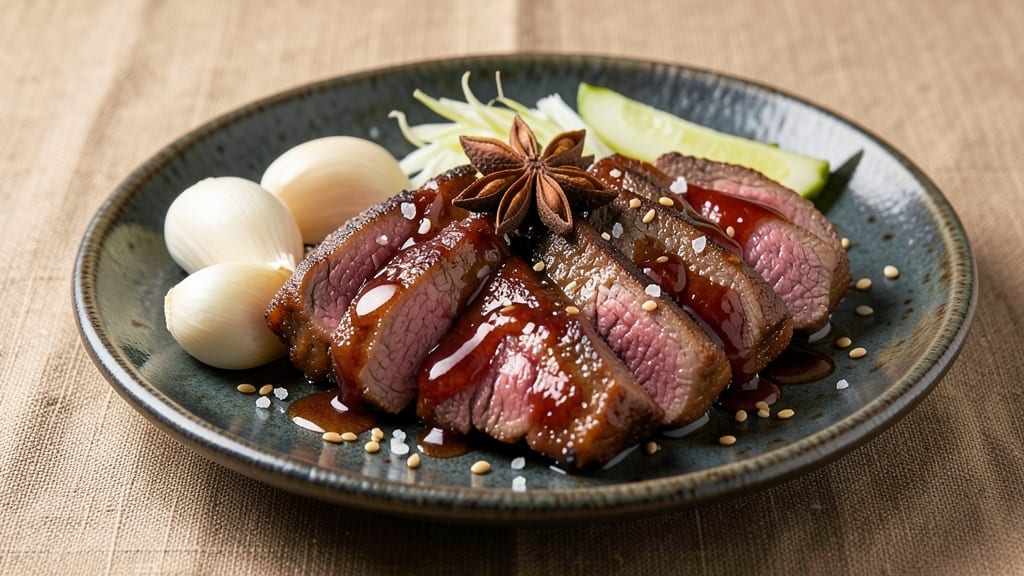
This Asian beef tongue recipe transforms tough connective tissue into silky-smooth, melt-in-your-mouth perfection with bold umami flavors. The key lies in slow braising, which breaks down collagen while absorbing aromatic spices and fermented ingredients like soy sauce and rice vinegar.
Unlike quick-cook proteins, beef tongue requires patience—its rich texture and deep flavor make it worth every minute of preparation.
Traditional methods often involve simmering the tongue for hours, but this version streamlines the process without sacrificing authenticity. A marinade of garlic, ginger, and star anise infuses the meat, while a final stir-fry in a wok sears the surface for a caramelized finish.
The result? A dish that’s both restaurant-worthy and deeply satisfying, with a texture that’s impossible to resist.
Pair this tender beef tongue with steamed jasmine rice or quick-pickled vegetables to balance its richness. Garnish with fresh cilantro and a drizzle of chili oil for brightness, or serve as part of a larger spread with dumplings and miso soup.
The umami depth makes it a showstopper for dinner guests or a special weeknight meal.
Note that beef tongue contains gelatin, so it’s not suitable for strict vegan diets, but vegetarians can enjoy it if no other animal products are used. For extra flavor, let the braising liquid reduce into a glossy sauce to drizzle over the top. Ready to master this dish?
Ingredients for asian beef tongue
Six aromatic spices, two pounds of beef tongue, and umami-packed braising for melt-in-your-mouth perfection.
| Ingredient | Amount | Notes |
|---|---|---|
| Beef Tongue 🥩 | 2 lb | Whole, cleaned and trimmed |
| Soy Sauce 🥢 | ½ cup | High-quality, reduced by half |
| Rice Vinegar 🍶 | ¼ cup | Seasoned variety preferred |
| Garlic Cloves 🧄 | 6 cloves | Minced, aromatic intensity |
| Fresh Ginger 🌿 | ½ cup | Finely grated, peeled |
| Star Anise Pods 🌟 | 4 whole | Lightly crushed for aroma |
| Cinnamon Sticks 🌿 | 2 whole | 2-inch pieces for infusion |
| Bay Leaves 🍃 | 2 whole | Dried, standard supermarket |
| Brown Sugar 🍚 | ¼ cup | Light or dark preferred |
| Sesame Oil 🫒 | 1 tbsp | Toasted, for finishing |
| Vegetable Oil 🫒 | 2 tbsp | High smoke point for searing |
| Fresh Cilantro 🌿 | ¼ cup | Chopped, for garnish |
| Chili Oil 🌶️ | 2 tbsp | Homemade or store-bought |
| Salt 🧂 | 1 ½ tsp | Diamond Crystal kosher |
| Black Peppercorns 🌶️ | 1 tsp | Freshly cracked |
The beef tongue is the star—look for fresh, uncooked cuts at specialty butchers or high-end grocery stores like Whole Foods or Trader Joe's. Costco often carries pre-ordered beef tongues in bulk, which is ideal for larger batches. Avoid tongues with a strong ammonia smell or discoloration; fresh should be a pale pink hue with minimal odor. If you can't find beef tongue, pork tongue works as a substitute, though the flavor profile differs slightly. The key is to trim excess fat and connective tissue before cooking, as this ensures cleaner flavor and faster collagen breakdown during braising.
No star anise or cinnamon sticks? Ground spices work in a pinch—use 1 tsp ground cinnamon and 1 tsp ground star anise, but the whole spices add depth that’s hard to replicate. For extra umami, add 1 tbsp fish sauce (ensure it’s vegetarian-friendly) or 1 tsp miso paste to the braising liquid. The soy sauce should be reduced by half before adding to concentrate its flavor; Kikkoman or Lee Kum Kee are reliable brands. Fresh ginger and garlic are non-negotiable here—dried powder lacks the aromatic punch needed for this dish. If you’re short on time, jarred minced garlic (like Trader Joe’s brand) works, but fresh is always better.
Beef tongue keeps raw in the fridge for up to 3 days if vacuum-sealed or tightly wrapped in plastic. Once cooked, it reheats beautifully—simmer in the braising liquid for 10 minutes to restore tenderness. Store cooked tongue in an airtight container with some of the braising liquid to prevent drying. It holds up well in the fridge for 4-5 days or freezes for up to 3 months. For serving, reheat gently and finish with sesame oil and chili oil just before eating to preserve freshness. The braising liquid reduces into a glossy sauce—save it for drizzling or use as a quick glaze for rice.
Why You'll Love This Recipe
- One-Pot Magic: I swear by this recipe—simmer the tongue with garlic and ginger in the same pot, then toss in the soy and vinegar. No chopping, no fuss, just layer after layer of flavor with almost no cleanup.
- Umami Bomb: That beef tongue? Rich, tender, and soaking up the garlic and ginger like a sponge. The soy and vinegar cut through the richness just enough to make every bite ridiculously satisfying—like a hug in your mouth.
- Meal Prep Hero: Make a big batch on Sunday, and you’ve got snacks, party bites, or quick lunches for the week. Slice it thin, pack it in containers, and watch how fast it disappears—even my picky-eating teenager raids the fridge for it.
- Budget Powerhouse: A single beef tongue feeds four, and the rest of the ingredients cost pennies. Honestly, it’s one of those rare dishes where you get restaurant-quality flavor without breaking the bank—and leftovers taste just as good the next day.
Step-by-step instructions for Asian beef tongue
Mastering this recipe delivers melt-in-your-mouth texture with layers of aromatic complexity.
Prepare and Parboil the Beef Tongue
Begin by thoroughly cleaning the 2 lb beef tongue under cold running water, removing any surface debris or connective tissue. Trim away any excess fat or membrane using a sharp chef's knife. Place the cleaned tongue in a large stockpot and cover with cold water by about 2 inches.
Bring to a gentle boil over medium-high heat, then immediately reduce to a simmer. Add the 1.5 tsp salt and 1 tsp freshly cracked black peppercorns. Partially cover and simmer for 45-60 minutes, skimming off any foam that rises to the surface. The tongue is ready when it easily pierces with a fork and the internal temperature reaches 160°F.
Create the Aromatic Marinade Base
While the tongue simmers, combine the 0.5 cup soy sauce, 0.25 cup rice vinegar, 0.5 cup finely grated fresh ginger, 6 cloves minced garlic, 0.25 cup brown sugar, 4 lightly crushed star anise pods, 2 cinnamon sticks (cut into 2-inch pieces), and 2 bay leaves in a medium saucepan. Bring to a gentle boil over medium heat, then reduce to a simmer and cook uncovered for 10-12 minutes until reduced by half and deeply aromatic.
Strain the marinade through a fine-mesh sieve, pressing gently on the solids to extract maximum flavor. Discard the solids and return the strained marinade to the saucepan. This concentrated base is the foundation for your beef tongue's complex flavor profile.
Braise the Beef Tongue to Perfection
Remove the parboiled tongue from the stockpot and pat it dry with paper towels. Place it in a large Dutch oven or heavy pot with a tight-fitting lid. Pour the reduced marinade over the tongue, ensuring it's completely coated. Add 2 tbsp vegetable oil to help create a flavorful crust during braising.
Bring to a simmer over medium heat, then reduce to low heat and cover. Braise for 2-2.5 hours, turning the tongue occasionally to ensure even cooking and caramelization. The tongue is done when it's fork-tender and the braising liquid has reduced to a thick, glossy sauce.
Finish and Serve with Flavorful Garnishes
Remove the braised beef tongue from the Dutch oven and let it rest for 10 minutes before slicing. Meanwhile, heat the 2 tbsp chili oil in a small saucepan over low heat until warm. Add the 1 tbsp toasted sesame oil and stir to combine.
Slice the beef tongue against the grain into ¼-inch thick slices. Arrange on a serving platter and drizzle generously with the reserved braising sauce. Garnish with the 0.25 cup chopped fresh cilantro and a final drizzle of the chili oil-sesame oil mixture. Serve immediately with steamed jasmine rice or crusty bread to soak up the rich, umami-packed sauce.
Pro Tips For Making Asian Beef Tongue
- PARBOIL FIRST, SIMMER LONG: Beef tongue needs a head start—parboil it for 2 hours before braising to break down the collagen and make it tender. I learned this the hard way after serving rubbery slices; the slow start is what actually turns it melt-in-your-mouth.
- PEEL GINGER LIKE A PRO: Skip the knife and use a spoon to scrape the skin off fresh ginger—it’s faster and less messy. Thinly slice it afterward; those slivers infuse flavor without overpowering the dish.
- DON’T SKIP THE BROWN CRUST: Sear the tongue in a hot pan before braising—it adds depth. After browning, deglaze with a splash of soy sauce and rice vinegar to lift those caramelized bits (yes, even if it looks like you’re making a mess).
- USE DOUBLE SOY SAUCE: Start with half the soy sauce in the braising liquid, then add the rest at the end. This balances saltiness without making the dish taste flat or overly salty—trust me, your taste buds will notice.
Serving suggestions for leftovers
Rice Pairings
Steamed jasmine rice is my go-to pairing—its delicate floral notes complement the beef tongue's deep umami without overpowering it. Cook 1 cup jasmine rice with 1.5 cups water and ½ tsp salt for perfectly fluffy grains. For extra richness, stir 1 tbsp butter into the hot rice after cooking. 🌾
For a heartier option, try sticky rice (common in Thai cuisine) or short-grain sushi rice lightly seasoned with rice vinegar. The slightly chewy texture contrasts beautifully with the tongue's silky finish.
Vegetable Sides
Quick-pickled vegetables cut through the richness perfectly. Thinly slice 1 cup daikon radish and 1 carrot, then soak in a mix of ¼ cup rice vinegar, 1 tbsp sugar, and ½ tsp salt for 30 minutes. The tangy crunch balances the beef's richness.
For a warmer option, sauté 1 cup bok choy in 1 tbsp sesame oil with minced garlic until just tender. The slight bitterness contrasts wonderfully with the sweet-savory tongue.
Bread Options
Crusty baguette slices toasted with garlic butter make an excellent addition. Brush 4 slices with melted butter, sprinkle with garlic powder, and toast until golden. The crispy texture soaks up the braising sauce beautifully.
For a more Asian-inspired option, serve with mantou (steamed buns) or scallion pancakes. The flaky layers add a delightful contrast to the tender beef tongue.
Sauce Enhancements
Reserve some of the braising liquid and reduce it further on the stovetop until it forms a glossy glaze. Drizzle this over the sliced tongue just before serving—it intensifies the flavors dramatically. 🍜
For an extra kick, mix 1 tbsp chili crisp with 1 tsp soy sauce and drizzle over the top. The spicy-sweet contrast elevates every bite to restaurant-quality.
Garnish Ideas
Fresh cilantro and green onions add brightness and color. Sprinkle ¼ cup chopped cilantro and 2 tbsp sliced green onions over the sliced tongue right before serving. The fresh herbs cut through the richness beautifully.
For a smoky touch, sprinkle with toasted sesame seeds or a pinch of smoked paprika**. Both add depth without overpowering the dish's natural flavors.
Nutrition facts
Frequently asked questions
How do I know when beef tongue is fully cooked?
The tongue is done when it easily pierces with a fork and reaches an internal temperature of 160°F. After braising, it should be fork-tender with no resistance. If it feels slightly chewy, return it to the pot with a splash of water and simmer for 15-20 minutes more.
Can I substitute pork tongue for beef tongue?
Yes, pork tongue works well, though the flavor will be slightly milder and less rich. The texture remains similar, but pork tongue cooks faster—reduce braising time by 30-45 minutes. For extra depth, add 1 tbsp fish sauce to the marinade.
What if my braising liquid doesn't reduce enough?
Simmer the liquid uncovered for 10-15 minutes longer to thicken it. If it still feels thin, remove the lid and use medium heat to evaporate excess moisture. For extra richness, whisk in 1 tsp cornstarch mixed with 1 tbsp water as a slurry.
Is beef tongue safe to eat raw?
Never eat beef tongue raw—it must be fully cooked to 160°F to break down collagen and kill bacteria. The parboiling step in this recipe is critical for safety and tenderness. Always use a meat thermometer to confirm doneness.
How can I make this dish vegetarian?
Beef tongue contains gelatin, so it's not suitable for strict vegan diets. For vegetarians, try mushroom "tongue" (king oyster mushrooms) or jackfruit as a meaty substitute. Marinate and braise them using the same method for a similar texture.