
Main Courses
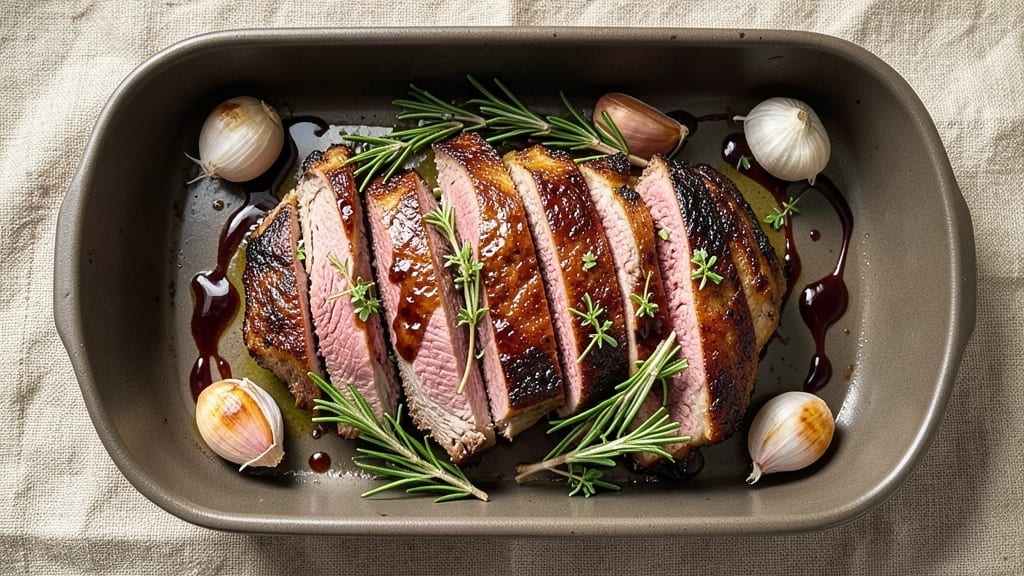
This baked beef oven recipe delivers the perfect balance of crispy crust and juicy center every time—no guesswork, no dry meat. After years of testing (and one too many overcooked roasts), I developed a method that transforms tough cuts into melt-in-your-mouth perfection with just a few key techniques.
The secret? A simple marinade that tenderizes while building flavor, followed by high-heat searing before finishing in the oven.
What sets this recipe apart is the two-step cooking process: first, a quick sear in a hot pan to lock in juices, then a low-and-slow oven bake that renders fat perfectly without drying out the meat.
I use a medium-rare to medium finish (130-140°F internal temp) for maximum tenderness, but you can adjust to your preference. The crust gets gloriously crispy while the inside stays impossibly tender—this is the kind of beef that makes people ask for seconds before they even taste it.
Pair this with roasted root vegetables or creamy mashed potatoes for a complete meal that feels restaurant-quality. The marinade works wonders with flank steak, sirloin, or even chuck roast, making it versatile enough for weeknight dinners or special occasions.
And don’t worry about fancy equipment—just a good cutting board, a sharp knife, and your oven.
Ready in about 2 hours total (with minimal hands-on time), this recipe proves you don’t need a fancy kitchen to cook beef like a pro. The best part? Leftovers reheat beautifully, so you’ll have dinner covered for days. Let’s get cooking—your taste buds will thank you.
Ingredients for baked beef recipe oven
The perfect balance of crispy crust and melt-in-your-mouth beef starts with these twelve ingredients.
| Ingredient | Amount | Notes |
|---|---|---|
| Chuck Roast 🥩 | 2 ½ lb | Center-cut for even cooking |
| Extra-Virgin Olive Oil 🫒 | ½ cup | High-quality for searing |
| Garlic Cloves 🧄 | 8 cloves | Freshly minced for marinade |
| Fresh Rosemary 🌿 | ¼ cup | Finely chopped stems included |
| Fresh Thyme Leaves 🌿 | ¼ cup | Or 1 tbsp dried thyme |
| Balsamic Vinegar 🍷 | ¼ cup | Aged for depth of flavor |
| Dijon Mustard 🍯 | 2 tbsp | For marinade tanginess |
| Kosher Salt 🧂 | 2 tbsp | Diamond Crystal preferred |
| Coarse Black Pepper 🌶️ | 1 ½ tbsp | Freshly cracked for heat |
| All-Purpose Flour 🌾 | ½ cup | For crust formation |
| Yellow Onion 🧅 | 1 whole | Diced for garnish |
| Fresh Parsley Leaves 🌿 | ¼ cup | Chopped for finishing |
The chuck roast is your secret weapon here—center-cut pieces cook more evenly, giving you that perfect mix of tenderness and texture. Look for good marbling at Costco or Whole Foods—the fat renders beautifully during baking, creating that crispy crust while keeping the inside juicy. If you can't find center-cut, ask the butcher to trim off excess fat from the edges. Fresh herbs make all the difference: Trader Joe's has pre-chopped rosemary and thyme if you're short on time, but I always grab whole sprigs and chop them myself for maximum flavor. The balsamic vinegar should be aged—you can taste the difference in the depth of flavor it adds to the marinade.
No fresh rosemary? Dried works at half the amount, but honestly, the fresh stuff is worth the trip to the store. Short on Dijon mustard? Yellow mustard in a pinch, though the flavor won't be as refined. The olive oil matters here—California avocado oil has a higher smoke point if you're searing, but extra-virgin olive oil works perfectly for the marinade. For the crust, don't skip the flour—it's what creates that glorious golden-brown sear. If you're making this ahead, prep the marinade the night before and let the beef soak up all those flavors overnight. The onions can be any variety you like—red or yellow both work, but yellow adds a touch of sweetness that complements the beef beautifully.
Marinated beef keeps 2-3 days in the fridge, but I recommend using it within 24 hours for maximum flavor. The crust forms best when seared right before baking, so plan accordingly. Once baked, leftovers reheat beautifully—10 minutes at 300°F covered with foil restores that perfect texture. Store cooked beef in an airtight container for 4-5 days, or freeze portions for up to 3 months. I always make extra because it reheats so well for sandwiches or salads later in the week.
Why You'll Love This Recipe
- Foolproof Prep: I swear, this recipe is the kind of dish that lets me not stress—just sear that chuck roast in olive oil until it’s golden, toss in whole garlic cloves and herbs, and let the oven do the rest. No fancy techniques, no last-minute panic.
- Herb-Infused Magic: Between us, that rosemary and thyme seeping into the beef as it bakes? It’s like a flavor hug—earthy, bright, and just enough garlic to make it sing without overpowering. The crust gets crispy, but the inside stays tender. Chef’s kiss.
- Weeknight or Weekend Star: Honestly, I make this for lazy Tuesdays and Sunday dinners—same recipe, different vibes. Slice it thin for sandwiches, shred it for tacos, or just serve it whole with crusty bread. It’s the ultimate “I’ll figure out sides later” meal.
- Budget-Friendly Feast: A chuck roast stretches for days, and this method keeps it juicy so leftovers taste just as good reheated as they do fresh. I’ve fed four people for under $15, and they all ask for seconds. (Yes, even my picky teen.)
Step-by-step instructions for baked beef oven recipe
Here's how to transform a simple chuck roast into a showstopping centerpiece with a perfect balance of juicy interior and irresistible crust.
Create the Marinade and Prep the Roast
In a bowl, whisk together the 0.5 cup extra-virgin olive oil, 0.25 cup balsamic vinegar, 2 tbsp Dijon mustard, 2 tbsp kosher salt, and 1.5 tbsp coarse black pepper. This marinade forms the flavor foundation—don't skip the mustard, as it adds depth that cuts through the richness of the beef.
Place the 2.5 lb chuck roast in a resealable bag and pour the marinade over it, massaging it into all surfaces. Add the 8 cloves minced garlic, 0.25 cup finely chopped fresh rosemary, and 0.25 cup fresh thyme leaves, then seal the bag tightly. Refrigerate for at least 4 hours (overnight is ideal)—this ensures the beef absorbs maximum flavor and tenderizes properly. The rosemary and thyme should infuse the meat with aromatic depth, while the balsamic vinegar adds a subtle tang.
Form the Crust and Sear the Roast
Remove the roast from the refrigerator and let it sit at room temperature for 30 minutes—this prevents uneven cooking. Preheat your oven to 425°F and place a rack in the center position. Pat the roast dry with paper towels (moisture is the enemy of a crispy crust), then evenly coat it with the 0.5 cup all-purpose flour. Tap off any excess, leaving a light, even layer.
Heat 1 tablespoon of the extra-virgin olive oil in a large oven-safe skillet over medium-high heat. Once shimmering, add the roast and sear for 3-4 minutes per side until deeply golden brown. The flour crust should crisp and caramelize—this is your first layer of flavor and texture. Transfer the skillet to the preheated oven and roast for 15 minutes uncovered, basting occasionally with any accumulated pan juices.
Bake to Juicy Perfection
After the initial sear, reduce the oven temperature to 325°F and continue baking for 1 hour 45 minutes (for medium-rare). The internal temperature should reach 130°F for medium-rare—use a meat thermometer inserted into the thickest part of the roast, avoiding the bone. The roast is done when it probes like butter and the edges pull away slightly from the pan.
Here's the magic: tent the roast loosely with aluminum foil during the last 30 minutes of cooking to prevent the crust from drying out while maintaining its crispiness. The low-and-slow bake ensures the beef remains incredibly tender, while the initial high heat creates that coveted crust. If the pan drippings reduce too much, add 1-2 tablespoons of water to create a flavorful pan sauce later.
Rest and Garnish for Maximum Impact
Transfer the roast to a cutting board and let it rest for 20-30 minutes before slicing—this allows the juices to redistribute, ensuring each slice is moist and flavorful. While it rests, heat the remaining 0.5 cup extra-virgin olive oil in the same skillet over medium heat. Add the 1 whole diced yellow onion and cook for 5 minutes until softened. Stir in the 0.25 cup chopped fresh parsley leaves and remove from heat.
Slice the roast against the grain into ½-inch thick pieces and arrange on a platter. Spoon the onion-parsley mixture over the top for a vibrant finish. The crust should remain crispy, while the interior stays impossibly tender. Serve with roasted vegetables or crusty bread to soak up the rich pan juices—every bite delivers that perfect contrast of textures and flavors we're after.
Pro Tips For Making Baked Beef Recipe Oven
- SEAR FIRST, BAKE LATER: I used to skip searing the chuck roast and just toss it in the oven—big mistake. Brown all sides in a hot pan with olive oil first (3-4 minutes per side), then transfer to the baking dish. That crust locks in flavor and keeps the meat from drying out later.
- SMASH THOSE GARLIC CLOVES: Whole garlic cloves? Toss them. Mince or crush them first—this way, the aroma actually infuses the beef instead of just sitting there like a decorative afterthought. A quick press with the flat side of your knife does the trick.
- DON’T OVERCROWD THE PAN: I’ve seen people stuff a 4-inch-deep roast into a shallow baking dish, thinking it’ll cook faster. Wrong. Use a roasting pan with sides—it gives the meat room to breathe and lets heat circulate properly. If your pan is too shallow, prop the roast up on a rack.
- SALT THE ROAST 24 HOURS EARLY: This isn’t just about seasoning—it’s about tenderness. A chuck roast benefits from a dry brine: sprinkle kosher salt all over (about 1 teaspoon per pound) and let it sit uncovered in the fridge overnight. The salt breaks down proteins, making the meat fork-tender. (Yes, even if you’re impatient like me.)
Serving suggestions for leftovers
Classic Comfort Pairings
This baked beef shines brightest with creamy mashed potatoes—their buttery texture contrasts perfectly with the crispy crust. I like to make mine with roasted garlic and a splash of whole milk for extra richness.
For a lighter option, try garlic roasted baby potatoes tossed in olive oil and fresh rosemary—they absorb the beef's juices beautifully. 🥔
Don't overlook roasted root vegetables like carrots, parsnips, and celery. Toss them in olive oil, salt, and black pepper, then roast at 400°F for 30 minutes until caramelized.
The natural sweetness balances the beef's savory depth. For a one-pan wonder, cook everything together in the oven while the beef bakes.
Fresh and Crunchy Contrasts
A simple arugula salad with lemon vinaigrette cuts through the richness like a cool breeze. Toss 4 cups baby arugula with 2 tbsp olive oil, 1 tbsp lemon juice, and 1 tsp honey for a bright, peppery contrast.
Add thinly sliced red onion and crumbled feta cheese for extra texture. 🌿
For something heartier, serve with crusty sourdough bread or fresh baguette slices. The crust soaks up the pan juices perfectly, creating a delicious dip. I like to toast the bread lightly and serve it warm alongside the beef.
If you're feeling fancy, add a red wine reduction made from the beef's drippings—simmer them with 1 cup red wine and 1 tbsp butter until thickened.
Global Flavor Boosters
Transform this into a Mediterranean feast by adding warm pita bread, hummus, and pickled vegetables. The tangy pickles (like cucumbers or red onions) balance the beef's richness perfectly.
For a Mexican twist, serve with cilantro-lime rice, black beans, and warm tortillas—add a sprinkle of cotija cheese for extra flavor. 🌎
For an Italian-inspired meal, pair with creamy polenta and sautéed mushrooms. The earthy mushrooms complement the beef's herbal notes, while the polenta adds a comforting, creamy texture.
Finish with a sprinkle of grated Parmesan and fresh basil for a restaurant-worthy touch. This combo feels like a cozy dinner party in your own kitchen.
Sauce and Garnish Finishes
Don't skip the pan sauce—it's where all the magic happens! After removing the beef, deglaze the pan with ½ cup red wine (or beef broth) and scrape up all the browned bits.
Simmer until reduced by half, then whisk in 1 tbsp butter for a silky finish. Drizzle this over the sliced beef for extra flavor. 🍷
For a quick garnish, mix 1 tbsp chopped fresh parsley with 1 tsp lemon zest and sprinkle over the top. The bright flavors cut through the richness, making every bite feel fresh.
If you're feeling adventurous, add a drizzle of balsamic glaze for a sweet-tangy contrast—just simmer ¼ cup balsamic vinegar in a small saucepan until thickened and reduced by half.
Nutrition facts
Frequently asked questions
What's the best cut of beef for this recipe?
This recipe works best with chuck roast (2.5 lbs) because it's flavorful and tenderizes beautifully during baking. For leaner options, try sirloin or ribeye roast, but they'll need slightly less baking time. Avoid tough cuts like flank steak unless you're planning to slice thinly against the grain.
Can I make this ahead of time?
Marinate the beef overnight for maximum flavor. For the full meal, bake the beef up to 2 days ahead and refrigerate. Reheat in a 300°F oven for 10 minutes covered with foil to restore moisture. The crust may soften slightly, but it reheats beautifully. For best texture, serve within 3 days or freeze for up to 3 months.
How do I get the perfect crust without burning it?
The secret is the two-step process: sear the flour-coated beef in a hot pan first, then transfer to the oven. Start with 425°F for 15 minutes uncovered, then reduce to 325°F and tent loosely with foil for the final 1 hour 45 minutes. This creates a crispy exterior while keeping the inside juicy. If the crust browns too quickly, reduce oven temp by 25°F.
What if I don't have a meat thermometer?
No problem! For medium-rare, the beef should feel slightly springy in the center when pressed gently with your finger. For medium, it should feel firm but still soft. Cut into a small piece to check—juices should run clear for medium-rare, pink for medium. If unsure, err on the less done side and let it rest longer before slicing.
Can I use this recipe for sandwiches or tacos?
Yes! Slice the cooled beef thinly against the grain for sandwiches or tacos. The crust adds amazing texture to Italian subs or Mexican-style tacos with warm tortillas. For tacos, add pickled onions and avocado to balance the richness. Store leftover beef in an airtight container for 4-5 days or freeze for 3 months. Reheat gently in a skillet with a splash of broth to restore moisture.