
Main Courses
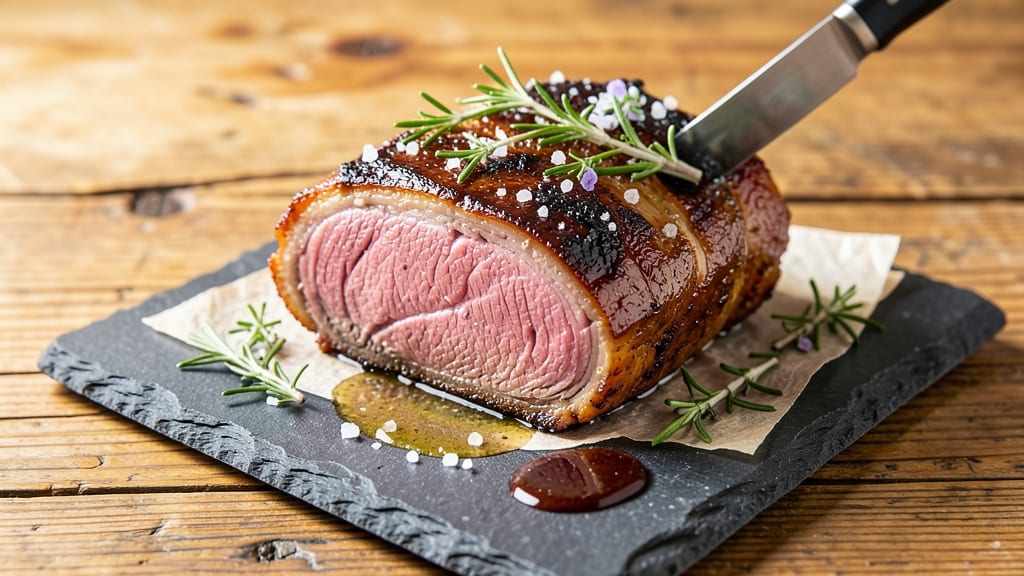
This Angus beef ribeye roast recipe delivers restaurant-quality results with a perfectly seared crust and buttery, tender core—every time. The reverse-sear method transforms tough cuts into melt-in-your-mouth perfection, while dry-brining ensures maximum flavor and juiciness.
What sets this apart is the precision: we’re talking 125–130°F internal temperature for rare, locked in by a high-heat sear that caramelizes the exterior into a golden crust.
The secret lies in patience and technique. You’ll start with a low-and-slow oven roast to bring the beef to medium-rare, then finish with a screaming-hot pan sear for that coveted crust. No guesswork—just foolproof temperature control and a resting period that keeps every bite juicy.
This isn’t just a roast; it’s a showstopper for holidays or special dinners where you want to impress.
Pair it with a bold red wine reduction or roasted garlic mashed potatoes, and you’ve got a meal that feels like a five-star experience. The key is confidence: trust the thermometer, resist the urge to overcook, and let the beef rest before slicing.
That’s when the magic happens—juices redistribute, flavors meld, and every slice delivers restaurant-quality tenderness with a crackling crust.
Ready to master this technique? The instructions break it down step by step, from dry-brining to the final sear, so you can achieve the same results as a professional chef. No shortcuts, just precision and flavor—because great beef deserves great care.
Ingredients for angus beef ribeye roast
Six ingredients transform this ribeye into restaurant-quality perfection—crust so crisp it crackles, core so tender it melts.
| Ingredient | Amount | Notes |
|---|---|---|
| Angus Beef Ribeye Roast 🥩 | 4 lb | Bone-in, 1.5-2 inches thick |
| Kosher Salt 🧂 | 2 tbsp | Diamond Crystal preferred |
| Freshly Ground Black Pepper 🌶️ | 1 ½ tbsp | Coarse grind for texture |
| Extra-Virgin Olive Oil 🫒 | ¼ cup | For searing and basting |
| Fresh Rosemary 🌿 | ¼ cup | Finely chopped, stems removed |
| Fresh Thyme 🌿 | ¼ cup | Leaves only, stems discarded |
| Garlic Cloves 🧄 | 6 cloves | Smashed, skin-on for flavor |
| Red Wine 🍷 | ½ cup | Bold Cabernet Sauvignon |
| Beef Tallow or Duck Fat 🧈 | ¼ cup | For high-heat searing |
| Bouquet Garni 🌿 | 1 whole | Rosemary, thyme, bay leaf |
| Red Wine Vinegar 🍋 | 1 tbsp | For basting liquid |
| Butter 🧈 | 4 oz | Unsalted, cubed for basting |
| Meat Thermometer 🌡️ | 1 whole | Instant-read preferred |
The beef is non-negotiable—Angus ribeye with good marbling is your best bet. Local butchers or high-end grocers like Whole Foods or Wegmans carry premium cuts. Look for ribeyes with a thick fat cap (1.5-2 inches) for maximum flavor and juiciness. If you're buying online, Snake River Farms ships dry-aged cuts that deliver next-level taste. Avoid pre-cut roasts from regular grocery stores—they often lack the fat-to-lean ratio you need for this technique. For a true showstopper, splurge on dry-aged beef; the deeper flavors are worth it.
No red wine? Substitute beef broth with a splash of balsamic vinegar—it adds depth without overpowering. Fresh herbs wilting? Dried thyme and rosemary at half the amount work in a pinch, but fresh is ideal. The bouquet garni can be skipped if you're short on time, but it adds that restaurant-quality aroma. For the sear, duck fat is superior to olive oil—it has a higher smoke point and adds richness. If you can't find duck fat, beef tallow or high-smoke-point oil will do. The key is patience during the sear: don't rush it, or you'll lose that perfect crust.
This roast rewards planning. Dry-brine the beef overnight—it keeps for 2 days in the fridge, so prep ahead. The herbs and garlic can be chopped the day before and stored in airtight containers. For serving, let the roast rest 15-20 minutes before slicing—this is non-negotiable for juicy results. Leftovers? 3-4 days in the fridge, but honestly, you'll eat it all before then. Freeze portions for up to 3 months if you must, but reheat gently to avoid drying out the meat. Slice against the grain for maximum tenderness.
Why You'll Love This Recipe
- Five-Ingredient Magic: I swear, this roast only needs five things—no fancy prep, no stress. Just a hunk of ribeye, a sprinkle of salt and pepper, a drizzle of olive oil, and rosemary sprigs tied like a bouquet. That’s it. Honestly, the hardest part is deciding when to pull it out of the oven.
- Craving-Worthy Crust: Between us, that crispy rosemary crust on the outside? It’s the kind of texture that makes you close your eyes and sigh. The peppery bite from the fresh grind cuts through the richness, while the rosemary adds a piney aroma that lingers like a good memory.
- Weeknight or Weekend: Slap this in the oven for a lazy Sunday brunch with eggs, or serve it sliced thin for a fancy-ish dinner with mashed potatoes. I’ve even used leftover slices for breakfast hash—yes, really. It’s the kind of roast that doesn’t care what you throw at it.
- Leftovers That Don’t Suck: Most roasts turn to shoe leather the next day. Not this one. The ribeye stays tender, and the flavor only deepens. I’ll slice it cold for sandwiches, cube it for stir-fries, or toss it into a pasta the next night. Zero waste, all win.
Step-by-step instructions for perfectly reverse-seared ribeye roast
Here's the method that delivers a restaurant-quality crust with a melt-in-your-mouth interior.
Prepare the Roast for Even Cooking
Remove the 4 lb Angus Beef Ribeye Roast from the refrigerator and let it sit at room temperature for 1 hour. This ensures even cooking throughout. Pat the roast dry with paper towels—moisture is the enemy of that perfect crust. I press down firmly all over, especially in the crevices, to remove any lingering moisture.
In a small bowl, combine the 2 tbsp kosher salt and 1.5 tbsp freshly ground black pepper. Rub this mixture generously over the entire surface of the roast, including the cavity if your roast has one. The coarse grind of the pepper gives you that beautiful textured crust. Let the seasoned roast rest uncovered on a wire rack for 30 minutes—this helps the seasoning adhere and prevents it from falling off during cooking.
Low-Temperature Roast to Perfect Doneness
Preheat your oven to 275°F. Place the seasoned roast on a wire rack set inside a rimmed baking sheet. This allows air to circulate underneath, preventing steam buildup that would make the crust soggy. Insert the meat thermometer into the thickest part of the roast, avoiding any fat or bone.
Roast the ribeye for 2 hours to 2 hours 15 minutes until the internal temperature reaches 115-120°F. This low-and-slow approach ensures the meat cooks evenly without developing a crust. I check the temperature every 15 minutes during the last hour to avoid overcooking. The roast should be bright red in the center with a slight resistance when pressed—this is the ideal stage for reverse searing.
Create the Signature Crust with High Heat
While the roast rests, prepare your searing station. Heat a large oven-safe skillet over medium-high heat until it's very hot. Add 2 tbsp extra-virgin olive oil and 2 tbsp beef tallow or duck fat—the combination of oils gives you both flavor and high smoke point. Let the fat get shimmering hot, about 2-3 minutes.
Carefully transfer the roast to the hot skillet, fat-side down. Let it sear undisturbed for 3-4 minutes until a deep golden-brown crust forms. I press down gently on the roast during the first minute—this prevents it from curling and ensures even contact with the pan. Flip the roast and sear the other side for another 3-4 minutes. The crust should be dark mahogany with caramelized spots.
Baste and Finish with Flavorful Butter
Remove the skillet from the heat and add the 4 oz cubed butter, 6 smashed garlic cloves, 0.25 cup fresh rosemary, 0.25 cup fresh thyme, and the 1 whole bouquet garni. Spoon the melted butter mixture over the roast, basting it generously on all sides. This basting step adds incredible flavor and helps create a glossy finish.
Return the skillet to the oven and roast for an additional 5-7 minutes until the internal temperature reaches 125-130°F. The crust should be deeply caramelized and almost crackling. Remove the roast from the skillet and let it rest on a cutting board for 15-20 minutes before slicing. This resting period allows the juices to redistribute throughout the meat, ensuring each slice is incredibly tender.
Slice and Serve with Red Wine Reduction
While the roast rests, prepare the red wine reduction. In the same skillet, add the 0.5 cup red wine and 1 tbsp red wine vinegar over medium heat. Simmer for 3-4 minutes until reduced by half. Strain the reduction through a fine-mesh sieve to remove any herb stems or garlic skins.
Slice the roast against the grain into ½-inch thick slices. Arrange the slices on a warm platter and drizzle generously with the red wine reduction. The contrast of the rich, buttery roast with the tangy wine sauce is what makes this dish truly exceptional. Serve immediately with your choice of sides—roasted vegetables or a simple green salad work beautifully.
Pro Tips For Making Angus Beef Ribeye Roast
- CRANK THE HEAT FIRST: I learned this the hard way—your ribeye needs a screaming-hot pan or skillet (cast iron if you’ve got it) to lock in that crust before you even think about moving it to the oven. Two minutes of direct searing at max heat builds flavor faster than anything else. (Yes, even if you’re impatient like me.)
- SALT THE ROSEMARY: Fresh rosemary sprigs? Toss them in a bowl with a pinch of kosher salt first. The salt clings to the needles, releasing aroma as they cook—no more dry, flavorless stems poking out of your roast. (And skip the dried stuff; it’s a crime for this dish.)
- STOP AT MEDIUM-RARE: That internal temp of 125°F (46°C) is non-negotiable for ribeye—any higher and you’re fighting the beef’s natural juiciness. Use a meat thermometer, pull it early, and let it rest. I used to cut into it too soon, and the juices would pool on my plate like a crime scene.
- SEAR THE FAT SIDES DOWN: Place the roast fat-side down first—this renders the fat slowly into the pan, basting the meat as it cooks. Flip only once, and let that rendered fat pool around the edges for extra richness. (No, you don’t need to baste it constantly—just trust the fat to do the work.)
Creative variations of angus beef ribeye roast
Herb-Crusted French Style
For a classic touch, create a herb crust by mixing 2 tbsp Dijon mustard, 1 tbsp chopped parsley, 1 tbsp chopped chives, and 1 tbsp breadcrumbs. Spread this mixture over the roast before the final sear.
The mustard adds tang while the herbs create a fragrant, golden crust. I like to press it on firmly with my fingers to ensure adhesion. 🌿
Smoked Chipotle Glaze
Add smoky depth by brushing the roast with a chipotle glaze made from 2 tbsp adobo sauce, 1 tbsp honey, and 1 tsp apple cider vinegar. Simmer for 3 minutes until slightly thickened, then brush it on during the last 5 minutes of the high-heat sear.
The smoky-sweet glaze pairs beautifully with the rich beef and complements the red wine reduction. 🌶️
Whiskey-Infused Reduction
Swap the red wine reduction for a whiskey-infused version by deglazing the skillet with ½ cup bourbon (like Maker's Mark) instead of red wine. Add 1 tbsp brown sugar and reduce by half.
The caramelized notes from the bourbon add a warm, toasty depth that elevates the dish to next-level comfort food. Serve with roasted sweet potatoes for a hearty meal. 🥃
Classic Horseradish Cream
For a traditional accompaniment, whip together ½ cup sour cream, 2 tbsp prepared horseradish cream (like Gourmet Garden), 1 tbsp fresh chives, and a pinch of salt.
Pipe this alongside the sliced roast for a creamy, spicy contrast that cuts through the richness. The horseradish’s kick balances the beef’s richness perfectly. 🌟
Reverse-Sear with Sous Vide
For extra precision, start with a sous vide step. Vacuum-seal the roast with 2 tbsp olive oil, 1 tbsp kosher salt, and 1 tbsp black pepper, then cook at 120°F for 24 hours in a water bath.
Finish with a high-heat sear in a cast-iron skillet for the crust. This method ensures perfect doneness without overcooking, ideal for large gatherings where timing is critical. ⚡
Seasonal Mushroom Sauce
Incorporate seasonal flavors with a wild mushroom sauce. Sauté 1 cup sliced cremini mushrooms, 2 shallots, and 2 garlic cloves in butter until golden. Deglaze with ½ cup white wine and reduce until thick.
Fold in 2 tbsp crème fraîche for a velvety finish. This earthy sauce pairs beautifully with the roast and adds a gourmet touch. 🍄
Nutrition facts
Frequently asked questions
What's the best internal temperature for rare ribeye roast?
For a perfect rare roast, aim for 125–130°F internal temperature. This ensures a buttery, pink center while still allowing for that signature crust during the final sear. Always use a meat thermometer—it's the only reliable way to gauge doneness without overcooking.
Can I use a regular oven instead of a cast-iron skillet for the sear?
Yes, but you'll need to work faster. Preheat your oven to 500°F and place the roast on a wire rack over a baking sheet. Roast for 10–12 minutes until the crust forms. However, a cast-iron skillet gives you more control over the sear and better caramelization. For best results, use both methods: oven for even heat, skillet for that perfect crust.
How do I adjust cooking time for a thicker or thinner roast?
For every ½-inch of thickness beyond 1.5 inches, add 10–15 minutes to the low-temperature roast time. For example, a 2-inch thick roast would need 2 hours 20–30 minutes at 275°F to reach 115–120°F. The key is to always check with a thermometer, not time alone.
What's the best way to reheat leftover ribeye roast?
Slice the roast first, then reheat in a skillet over medium-low heat with a splash of beef broth for 2–3 minutes per side. Avoid the microwave—it dries out the meat. For larger portions, warm in a 300°F oven for 10–15 minutes with a drizzle of olive oil to maintain moisture.
Can I skip the dry-brine step?
You can, but your crust may not be as flavorful or crisp. Dry-brining for 12–24 hours enhances tenderness and helps the seasoning adhere. If short on time, pat the roast dry thoroughly and season 1 hour before cooking. The difference is noticeable, especially with high-quality beef like Angus.