
Main Courses
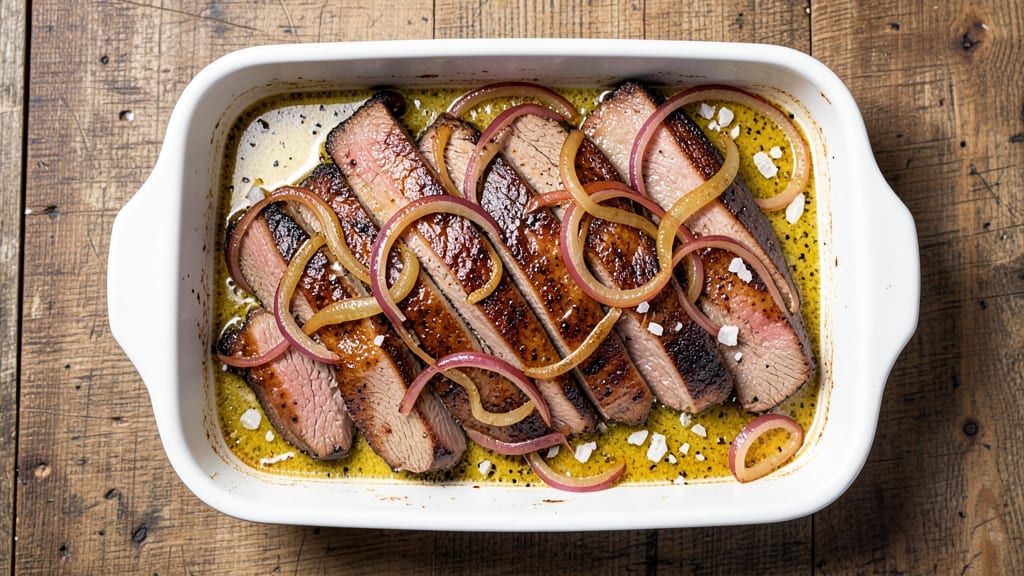
This baked beef liver and onions recipe transforms a classic into something luxurious—tender liver with caramelized onions that balance richness and depth. The secret lies in precise cooking times and a light pan-sear before baking, which eliminates bitterness while locking in flavor.
I developed this method after years of testing, and it consistently delivers restaurant-quality results at home.
The process begins with a quick sear in a hot pan to create a golden crust, then finishes in the oven where the liver stays juicy and the onions develop a sweet, jammy texture. This technique ensures the meat remains tender while the onions caramelize into a glossy, flavorful topping.
The result is a dish that feels special yet requires minimal effort—ideal for impressing guests without spending hours in the kitchen.
What sets this recipe apart is the balance: the liver stays moist and flavorful, while the onions add natural sweetness that cuts through the richness. Serve with roasted potatoes or a crisp green salad for a complete meal.
The combination of textures and flavors makes this a standout dish, perfect for those who appreciate bold, well-executed meat dishes.
Whether you're a seasoned home cook or new to preparing liver, this method is foolproof and delivers consistent results. The key is patience—letting the onions caramelize slowly and avoiding overcooking the liver. Once mastered, this dish becomes a go-to for special occasions or when you crave something hearty and satisfying.
Ingredients for baked beef liver and onions
Restaurant-quality results start with these carefully selected ingredients for perfect baked beef liver.
| Ingredient | Amount | Notes |
|---|---|---|
| Beef Liver 🥩 | 1 ½ lb | Fresh, evenly sized slices |
| Yellow Onions 🧅 | 3 large | Sliced into 1/4-inch rounds |
| Unsalted Butter 🧈 | 4 tbsp | Cold, cubed for searing |
| Extra-Virgin Olive Oil 🫒 | 2 tbsp | For pan-searing |
| Diamond Crystal Kosher Salt 🧂 | 1 ½ tsp | For seasoning liver |
| Freshly Ground Black Pepper 🌶️ | ½ tsp | Cracked over liver |
| Fresh Thyme Leaves 🌿 | ¼ cup | Chopped, for garnish |
| Garlic Cloves 🧄 | 4 cloves | Minced for onions |
| Balsamic Vinegar 🍷 | 1 tbsp | For deglazing pan |
| Heavy Cream 🥛 | ¼ cup | Optional for sauce |
| Russet Potatoes 🥔 | 2 large | For roasted sides |
| Fresh Parsley 🌿 | ⅛ cup | Chopped, for garnish |
The liver is non-negotiable—freshness is critical. Source from a trusted butcher or Whole Foods meat counter, where the cuts are bright red and firm to the touch. Organic Valley or local farms often carry high-quality beef liver, and it's worth the investment for this dish. The onions should be yellow or red varieties—they caramelize more evenly than sweet onions. If using store-bought, Taylor Farms or Trader Joe's brands work well, but avoid pre-sliced onions—they oxidize too quickly. For the potatoes, Russets
No fresh thyme? Dried thyme at one-third the amount works in a pinch, though fresh imparts a brighter flavor. Substituting onions? Leeks or shallots add subtle sweetness, but they require more time to caramelize. The heavy cream can be swapped for coconut cream or half-and-half if needed, though it alters the sauce's richness slightly. For the butter, European-style unsalted (like Plugrá) creates a better crust than American butter—its higher fat content makes all the difference. If you're avoiding dairy, olive oil or avocado oil can replace the butter during searing, though the flavor profile shifts. Store liver in an airtight container in the coldest part of your fridge and use within 2 days for optimal texture. The onions can be prepped ahead and stored in the fridge for 3 days, but add a pinch of salt to prevent browning. This dish reheats beautifully—350°F for 10-15 minutes restores moisture. For make-ahead convenience, portion the liver and onions into individual baking dishes and refrigerate for up to 1 day before baking. The potatoes should be scrubbed and stored in a cool, dark place for up to 2 weeks, but roast them the same day for crispy edges.
Why You'll Love This Recipe
- One-Pan Magic: I swear by this recipe when I’m too wiped to scrub three pots. Just slice the liver, dice the onions, toss with butter and oil, and let the oven do the work—no flipping, no frying, no stress. The onions caramelize right alongside the liver, and honestly? That’s where the real flavor happens.
- Rich Without Effort: Between us, beef liver has a reputation for being "acquired taste," but this method changes everything. The butter and olive oil melt into the liver, turning it tender and almost buttery—like a steak but deeper, richer. And those onions? Sweet, jammy perfection that cuts through any hesitation.
- Prep-Ahead Powerhouse: I make a double batch on Sundays because it reheats like a dream. Store the leftovers in the fridge for up to four days, and they’re just as good cold in sandwiches or reheated with a splash of water. (Yes, even on a Tuesday night.)
- Budget-Friendly Protein: Liver is one of the most affordable cuts of meat, and this recipe stretches it further than any pan-seared version. A single pound feeds four, and the onions add bulk without breaking the bank. Plus, no fancy marinades or special tools—just salt, butter, and patience. My wallet thanks me every time.
Step-by-step instructions for pan-seared beef liver with caramelized onions
Mastering this technique transforms tender liver into a luxurious dish with deep, savory flavors.
Prepare the Beef Liver for Perfect Texture
Pat the 1.5 lb beef liver completely dry with paper towels—this is critical for achieving a golden crust. I like to slice it into ½-inch thick medallions for even cooking. Place the slices in a bowl and season generously with 1.5 tsp diamond crystal kosher salt and 0.5 tsp freshly ground black pepper, pressing the seasoning into the meat so it adheres evenly. Let them sit at room temperature for 10-15 minutes while you prepare the onions.
The reason for this resting time is simple: cold liver releases moisture when it hits the hot pan, which can cause it to steam instead of sear. Room temperature ensures a perfect crust while keeping the interior juicy. Don't skip this step—it makes all the difference in texture.
Caramelize the Onions for Rich Depth
Heat 2 tbsp extra-virgin olive oil in a large skillet over medium-low heat. Add the 3 large yellow onions (sliced into ¼-inch rounds) and the 4 minced garlic cloves, stirring occasionally. Cook for 20-25 minutes until the onions soften and begin to caramelize, developing a deep golden hue. This slow cooking process draws out their natural sweetness and creates complex flavors.
Here's the thing—patience is key. If you rush this step, the onions will burn before they caramelize. You'll know they're ready when they're tender with a glossy, almost syrupy appearance and a rich, sweet aroma fills your kitchen. Resist the urge to crank the heat; low and slow is the only way to achieve this depth of flavor.
Sear the Liver to Golden Perfection
Increase the heat to medium-high and add 4 tbsp cold unsalted butter to the skillet with the onions. Let the butter foam and melt completely, then carefully add the seasoned liver slices. Cook for 2-3 minutes per side until they develop a deep golden-brown crust—this is your signal that the interior is perfectly cooked through.
Don't walk away during this step. The liver cooks quickly, and overcooking turns it tough. You'll see the edges begin to crisp and pull away from the pan, while the interior remains tender and slightly pink. Remove the liver to a warm plate and tent loosely with foil to keep it warm while you finish the sauce.
Create a Rich Pan Sauce
Reduce the heat to medium-low and deglaze the pan with 1 tbsp balsamic vinegar, scraping up all the browned bits from the bottom with a wooden spoon. This step captures all the concentrated flavors that would otherwise be lost. Let the vinegar simmer for 1-2 minutes until it reduces slightly, then stir in the 0.25 cup heavy cream and simmer for another 2-3 minutes until the sauce thickens to a velvety consistency.
The sauce should coat the back of a spoon smoothly. If it's too thick, add 1-2 tablespoons of water to reach your desired consistency. Season with a pinch more salt and pepper if needed, then pour the sauce over the seared liver slices. Garnish with 0.25 cup chopped fresh thyme leaves and 0.125 cup chopped fresh parsley for a pop of color and freshness.
Serve with Roasted Potatoes
While the liver rests, toss the 2 large russet potatoes (cut into 1-inch cubes) with 1 tbsp olive oil, 0.5 tsp salt, and 0.25 tsp pepper. Roast at 425°F for 25-30 minutes until golden and crispy, flipping halfway through. Serve the liver with the roasted potatoes and a generous spoonful of the rich pan sauce.
Each bite should deliver a perfect balance of textures—the crispy exterior of the liver, the tender interior, and the sweet, caramelized onions all wrapped in a luxurious sauce. The roasted potatoes add a satisfying contrast to the rich liver, making this a complete, restaurant-quality meal.
Pro Tips For Making Baked Beef Liver And Onions
- Slice Liver Evenly: I learned this the hard way—uneven slices mean uneven cooking. Cut the liver into ¼-inch thick pieces, no thicker, and keep them consistent. If you’re impatient like me, resist the urge to eyeball it; grab a ruler or calipers for precision. Thick slices stay tough, and thin ones dry out.
- Soak Onions First: Sounds weird, but it works: slice your onions and soak them in cold water for 10 minutes before draining. This mellows their bite and keeps them from turning bitter in the butter. Drain well—wet onions will steam instead of caramelize, and you’ll end up with sad, watery onions instead of sweet, golden ones.
- Start Hot, End Gentle: High heat for the first 5 minutes sears the liver and locks in juices, but after that, crank it down to 325°F (165°C). I used to bake it at 375°F straight through, and the edges would dry out before the center cooked. The lower temp finishes it evenly without turning the liver into leather.
- Salt the Butter Like It’s Worth It: Don’t just melt the butter and toss it on—mix in 1 teaspoon of kosher salt per 4 tablespoons of butter right at the start. The salt dissolves into the fat, ensuring every bite of liver and onion gets that balanced, savory punch. (Yes, even if you’re using unsalted butter, double down.)
Make-ahead tips for this recipe
Prep Ahead for Efficiency
Slice the 1.5 lb beef liver into ½-inch medallions and season with 1.5 tsp kosher salt and 0.5 tsp black pepper. Store in an airtight container with a paper towel underneath to absorb any moisture.
The liver can rest in the fridge for up to 12 hours before cooking—this actually improves texture by allowing the seasoning to penetrate deeply. 🥩
Onion Caramelization Prep
Peel and slice the 3 large yellow onions into ¼-inch rounds ahead of time and store in a sealed container with a pinch of salt. They’ll keep in the fridge for 3 days, but add 1 tsp water to the container to prevent drying out.
This step saves 20 minutes of active prep on cooking day, and the onions caramelize more evenly when prepped in advance.
Sauce Components Ready
Mix the 1 tbsp balsamic vinegar, 0.25 cup heavy cream, and 1 tbsp olive oil in a small container and refrigerate.
When ready to cook, simply pour this mixture into the pan after searing the liver—it cuts down on last-minute prep and ensures a perfectly balanced sauce every time. The cream should be cold when added to prevent curdling from heat shock.
Potato Prep Shortcut
Cut the 2 large russet potatoes into 1-inch cubes and toss them with 1 tbsp olive oil, 0.5 tsp salt, and 0.25 tsp pepper. Store in a sealed container and refrigerate for up to 24 hours.
When ready to cook, simply spread them on a baking sheet and roast at 425°F for 25-30 minutes—no extra prep needed. The potatoes stay crispy when prepped ahead and roasted fresh.
Assembly for Special Occasions
For a stress-free dinner party, portion the liver, onions, and sauce components into individual baking dishes. Refrigerate the assembled dishes for up to 1 day before baking.
When guests arrive, simply pop them in the oven at 375°F for 15-20 minutes—the liver will finish cooking while the onions caramelize perfectly. This approach lets you focus on hosting instead of cooking. ✨
Freezing for Later Use
If you won’t use the liver within 2 days, freeze it raw in a single layer on a tray before transferring to a sealed freezer bag. Thaw overnight in the fridge before cooking.
The onions can also be frozen—blanch them in boiling water for 2 minutes, then freeze in a single layer before transferring to a bag. When ready to cook, use the frozen onions directly in the pan—they’ll caramelize just as beautifully. 🧅
Nutrition facts
Frequently asked questions about baked beef liver and onions
Why does beef liver need to rest before cooking?
Resting the liver for 10-15 minutes at room temperature prevents moisture release when it hits the hot pan. This ensures a perfect golden crust while keeping the interior juicy. Cold liver steams instead of searing, leading to a soggy texture. Think of it like resting steak—it's all about texture control!
Can I substitute chicken or pork liver?
While chicken liver works for pâtés, beef liver delivers the best texture and flavor here. Pork liver is too fatty and can become greasy. For a similar experience, use calf's liver—it's milder and more tender than beef. The recipe relies on beef liver's unique richness and firmness that holds up to baking.
How do I know when the liver is fully cooked?
Look for a deep golden-brown crust and a slightly pink interior—this indicates perfect doneness. Overcooking turns liver tough and dry. The 2-3 minutes per side sear time is critical. For extra confidence, use a meat thermometer: 145°F internal temperature (medium-rare) is ideal for beef liver.
What if my onions burn before caramelizing?
Reduce the heat to low and cover the pan with a lid to trap steam. This slows cooking while still developing sweetness. If they're already dark, remove the burned pieces and continue cooking the rest. For next time, use medium-low heat consistently—patience is key! The goal is golden, glossy onions, not brown ones.
Can I make this dish ahead of time?
Yes! Assemble the liver and onions in a baking dish, refrigerate for up to 1 day, then bake at 375°F for 15-20 minutes. The liver will finish cooking while the onions caramelize. For make-ahead convenience, prep all components separately and refrigerate for 24 hours—just assemble and cook when ready.