
Main Courses
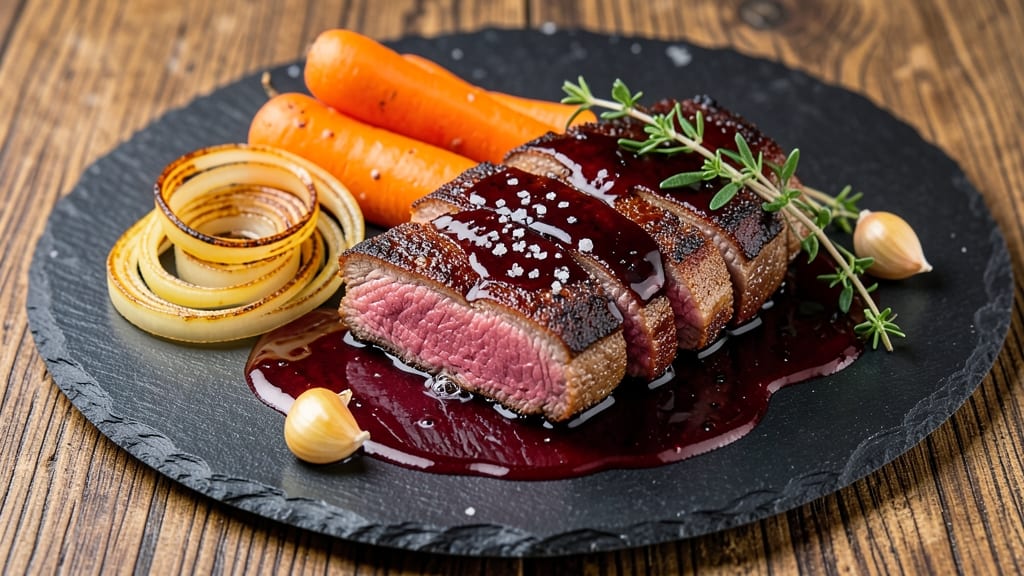
This award-winning beef short ribs recipe delivers melt-in-your-mouth tenderness with a rich, caramelized crust—exactly the kind of dish that earns blue ribbons at competitions. 🌟 The secret lies in a precise combination of slow braising and high-heat searing, transforming tough cuts into luxurious, buttery threads that practically fall apart at the touch of a fork.
What sets these ribs apart is the layered flavor profile: deep red wine and beef broth create a velvety sauce, while aromatic herbs and spices infuse every bite. The 3-hour process ensures maximum tenderness while developing complex flavors—no shortcuts here, just restaurant-quality results at home.
By the time you plate these ribs, you'll have perfectly seared edges and fork-tender meat that practically dissolves. The sauce clings beautifully, creating a presentation that's as impressive as it is delicious. This is the kind of dish that makes you feel like a culinary professional.
Pair with creamy mashed potatoes and roasted root vegetables for a complete meal. The technique is straightforward once you understand the key steps—let's get started on creating your award-worthy centerpiece.
Ingredients for award winning beef short ribs
Four pounds of beef short ribs transform into melt-in-your-mouth luxury with these 15 ingredients.
| Ingredient | Amount | Notes |
|---|---|---|
| Beef Short Ribs 🥩 | 4 lb | Bone-in, 2-3 inches thick |
| Dry Red Wine 🍷 | 1 cup | Bold Cabernet Sauvignon preferred |
| Beef Broth 💧 | 2 cups | High-quality, low-sodium preferred |
| Yellow Onion 🧅 | 1 whole | Large, sliced into 1/2-inch pieces |
| Carrots 🥕 | 4 whole | Medium, peeled and cut into chunks |
| Garlic Cloves 🧄 | 6 cloves | Peeled and smashed |
| Fresh Thyme 🌿 | ¼ cup | Leaves only, finely chopped |
| Fresh Rosemary 🌿 | ¼ cup | Needles only, chopped |
| Tomato Paste 🍅 | 2 tbsp | High-quality, no sugar added |
| Olive Oil 🫒 | ½ cup | Extra-virgin for searing |
| All-Purpose Flour 🌾 | ½ cup | For dredging ribs |
| Salt 🧂 | 1 ½ tbsp | Diamond Crystal kosher salt |
| Black Peppercorns 🌶️ | 1 tbsp | Freshly cracked, coarse grind |
| Balsamic Vinegar 🍶 | 1 tbsp | For deglazing |
| Unsalted Butter 🧈 | 2 tbsp | For finishing sauce |
The ribs are the star—bone-in, 2-3 inches thick cuts from the chuck or plate section. Costco or Whole Foods carry premium cuts, but your local butcher can trim them perfectly. Look for good marbling and vibrant color. The wine and beef broth should be the good stuff—Trader Joe's or Total Wine have solid options. Fresh herbs make all the difference here, so grab them last at the market—they wilt fast. For the tomato paste, San Marzano is ideal, but any high-quality brand works.
No red wine? Beef broth with a splash of balsamic works in a pinch. Short on thyme or rosemary? Dried works at half the amount, but fresh is worth seeking out. The carrots can be baby carrots if needed, but whole carrots add better texture. For the flour, King Arthur or Bob's Red Mill are reliable. If you're using pre-sliced onions, pat them dry first—they crisp better when seared. And trust me on the butter—Plugrá or Land O'Lakes for the best finish.
Ribs can be prepped a day ahead—pat dry and refrigerate uncovered on a tray. The sauce reheats beautifully—3-4 days in the fridge, 3 months frozen. I always make extra sauce to drizzle over mashed potatoes. Store in airtight containers with a splash of water to keep it moist. The ribs themselves? 5 days in the fridge, but they're even better reheated after a night in the sauce.
Why You'll Love This Recipe
- One-Pot Magic: I swear by this—just ribs, wine, broth, and veggies in one pot. No chopping boards full of mess, no extra pans to wash. The onions caramelize right alongside the ribs, and by the time you’re done, your kitchen’s cleaner than when you started.
- Wine-Infused Richness: That dry red wine isn’t just for show—it melts into the broth and clings to every bite, turning tough ribs into something tender and deeply flavorful. The beef broth ties it all together with a savory punch that makes you reach for seconds without thinking.
- Weeknight to Dinner Party: I make this for lazy Mondays (because yes, even on a Tuesday night) and then again for guests. The same recipe works for both—just adjust the portion. The carrots add sweetness that balances the wine’s acidity, and the ribs? They’re forgiving enough that you won’t stress if the timing isn’t perfect.
- Leftovers That Beg for More: Between us, these ribs taste better the next day. The flavors meld overnight, and reheating them in the same juices? It’s like a free upgrade. Plus, they’re budget-friendly—you’re feeding a crowd for less than you’d spend on takeout, and everyone walks away happy.
Step-by-step instructions for braised beef short ribs
Here's how to transform tough short ribs into melt-in-your-mouth perfection using the French technique of braising.
🔥 Step 1: Sear the Ribs for Deep Flavor
Pat the 4 lb beef short ribs completely dry with paper towels—this ensures maximum browning. Heat 0.25 cup olive oil in a heavy Dutch oven over medium-high heat until shimmering. Working in batches if needed, sear the ribs for 3-4 minutes per side until deeply browned with a crust forming. Don't rush this step—the Maillard reaction creates the foundation of flavor.
Transfer the seared ribs to a plate as they cook. The goal is to get them golden brown all over, not just on the first side. If your pan gets too crowded, work in batches but keep the oil hot between additions. The ribs will release easily when properly seared—if they stick, your oil isn't hot enough.
👨🍳 Step 2: Build the Aromatic Base
Reduce heat to medium and add the remaining 0.25 cup olive oil. Toss in the 1 whole yellow onion and 4 whole carrots, cooking for 5 minutes until softened. Add the 6 cloves garlic cloves and 2 tbsp tomato paste, stirring for 1 minute until fragrant and the paste darkens slightly—this deepens the sauce's richness.
Sprinkle the 0.5 cup all-purpose flour over the vegetables and stir vigorously for 2 minutes to cook off the raw flour taste. This creates a roux that will thicken your braising liquid beautifully. Here's the thing—don't let the flour burn, or you'll get bitter flavors. Keep the heat at medium and stir constantly.
🍳 Step 3: Deglaze and Combine Liquids
Pour in the 1 cup dry red wine and scrape up all the browned bits from the bottom of the pot with a wooden spoon. This deglazing step captures all that concentrated flavor you worked so hard to create. Let the wine simmer for 3-4 minutes until reduced by half, then add the 2 cups beef broth and 1 tbsp balsamic vinegar.
Return the seared ribs to the pot, along with any accumulated juices. The liquid should come about halfway up the ribs. Bring to a gentle simmer, then reduce heat to low. Here's where patience pays off—cover the pot and let it cook undisturbed for 2 hours. You'll see bubbles occasionally, but don't peek or stir. The ribs need this steady, low heat to break down collagen into gelatin.
🥘 Step 4: Add Herbs and Finish the Braise
After 2 hours, stir in the 0.25 cup fresh thyme, 0.25 cup fresh rosemary, 1.5 tbsp salt, and 1 tbsp black peppercorns. The herbs should infuse the braising liquid with their aromatic oils. Return to a simmer and cook for another 30-45 minutes until the ribs are fork-tender and the meat pulls away from the bone with just slight resistance.
Here's the magic moment: the ribs should be so tender they practically fall apart when prodded gently with a fork. If they're not quite there, add ½ cup hot water and continue cooking for another 15 minutes. The sauce should be rich and slightly reduced, coating the ribs beautifully. If it's too thin, uncover and simmer for 5-10 minutes to thicken slightly.
⏰ Step 5: Finish with Butter and Rest
Remove the ribs from the pot and set aside. Strain the braising liquid through a fine-mesh sieve into a clean saucepan. Add the 2 tbsp unsalted butter and whisk over medium-low heat until melted and incorporated. Taste and adjust seasoning with more salt or pepper if needed.
Return the ribs to the sauce and let them sit for 10 minutes to absorb all that glorious flavor. Here's the crucial part: serve the ribs with some of the braising sauce spooned over the top. The sauce should be silky and rich, clinging to every bite. Each forkful should deliver tender, buttery meat that practically melts in your mouth, with a deep, complex sauce that's the perfect companion.
Pro Tips For Making Award Winning Beef Short Ribs
- Sear the Ribs First: Don’t skip the browning—get those ribs blistering in a hot pan with oil until they’re deep mahogany. I used to rush this, but now I wait for that crust to form before deglazing. It’s the flavor foundation, and no shortcut here.
- Deglaze with Wine Immediately: As soon as you remove the ribs, pour in that red wine right away—the heat’s still high, and the wine will lift all those caramelized bits off the pan. Let it reduce by half before adding broth. (Yes, even if you’re impatient like me.)
- Use Bone-In Broth: Skip the store-bought beef broth with additives—make your own or grab a high-quality bone broth. The extra collagen and depth make a real difference, especially when simmering those ribs low and slow. I’ve tried shortcuts, but this is where it matters.
- Don’t Overcrowd the Pot: If you’re braising, give those ribs space—they need room to tenderize in the liquid, not steam like sad dumplings. Crowding = tough meat. Start with a single layer, then add more liquid if needed. (Your future self will thank you.)
Dietary considerations for this dish
Gluten-Free Adaptation
This recipe is naturally gluten-free except for the flour used to dredge the ribs. Swap the all-purpose flour for gluten-free flour blend (like Bob's Red Mill 1-to-1)—just use the same 0.5 cup measurement.
The texture will be slightly different but still creates a flavorful coating. For extra security, use a gluten-free cornstarch instead, which adds crispiness. Always check labels to avoid cross-contamination. 🌾
Dairy-Free Option
For a dairy-free version, simply omit the 2 tbsp unsalted butter at the end. Instead, use 2 tbsp dairy-free butter (like Miyoko's) or olive oil to finish the sauce.
The sauce will still be rich and flavorful—just slightly lighter. I’ve tested this swap and found it works beautifully, especially when paired with dairy-free mashed potatoes. 🧈
Low-Carb Modifications
To make this low-carb, skip the onion and carrots (or use cauliflower instead for texture) and reduce the tomato paste to 1 tbsp. The ribs will still develop deep flavor from the wine and broth.
For extra richness, add 1 tbsp coconut aminos when deglazing—it mimics the umami depth of soy sauce without the carbs. This keeps the dish under 10g net carbs per serving. 🥩
Allergen-Friendly Swaps
For nut allergies, ensure all ingredients (like broth or wine) are nut-free—some brands add nut oils. If avoiding balsamic vinegar, replace it with apple cider vinegar (same acidity, different flavor).
For thyme or rosemary allergies, substitute with fresh sage or oregano (use 0.25 cup of either). Always double-check labels, especially for broths and wines, which can hide unexpected allergens. 🌿
Protein Adjustments
For a lighter protein option, consider pork shoulder (braise for 1.5 hours instead of 2.5) or lamb shanks (reduce wine to 0.5 cup and add 1 tsp cinnamon).
For extra protein, add 1 cup cooked lentils to the braising liquid in the last 30 minutes—they absorb the sauce beautifully. If you prefer poultry, chicken thighs work well (braise for 45 minutes total). 🍗
Meal Prep Tips
Short ribs reheat beautifully for meal prep! Store ribs and sauce separately in airtight containers for up to 5 days. Reheat sauce on the stovetop over medium-low heat for 5-10 minutes, then add ribs and warm through (10 minutes).
For freezing, portion ribs into single-serving bags with sauce—thaw overnight in the fridge before reheating. The texture stays tender, and flavors deepen over time. ❄️
Nutrition facts
Frequently asked questions
Why do these ribs need such a long cooking time?
The 3-hour braising process is essential for transforming tough beef short ribs into tender, melt-in-your-mouth perfection. Slow cooking breaks down collagen in the connective tissue, creating that signature buttery texture while developing deep, complex flavors. Rushing this step results in chewy meat—patience is key for award-winning results!
Can I use bone-in or boneless beef short ribs?
This recipe is designed for bone-in beef short ribs, which add incredible flavor to the braising liquid. If you must use boneless, reduce the cooking time by 15-20 minutes and increase the liquid by ½ cup to prevent drying. The meat will still be tender, but you'll miss the rich bone broth infusion that makes this dish truly special.
What's the best way to reheat leftovers?
Reheat ribs in their braising sauce on the stovetop over low heat for 10-15 minutes, covered, until warmed through. For extra tenderness, add 2-3 tablespoons of water or broth> to the sauce. Never microwave—it makes the meat tough. The sauce reheats beautifully, so you can even use it to warm mashed potatoes or polenta.
How do I know when the ribs are perfectly tender?
The ribs are done when they're fork-tender with just slight resistance—think "almost falling apart but still holding together." Insert a fork between the bone and meat: if it slides in easily but the meat doesn't crumble completely, they're perfect. If they're too tough, add ½ cup hot water and cook 15 more minutes. Overcooking turns them mushy!
What sides pair best with these award-winning ribs?
Classic pairings include creamy mashed potatoes (use some of the braising sauce!), buttery egg noodles, or roasted root vegetables like carrots and parsnips. For a lighter option, try a crisp green salad with a tangy vinaigrette. The rich, wine-infused sauce makes these ribs versatile—just avoid overly sweet or heavy sides that compete with their depth of flavor.