
Main Courses
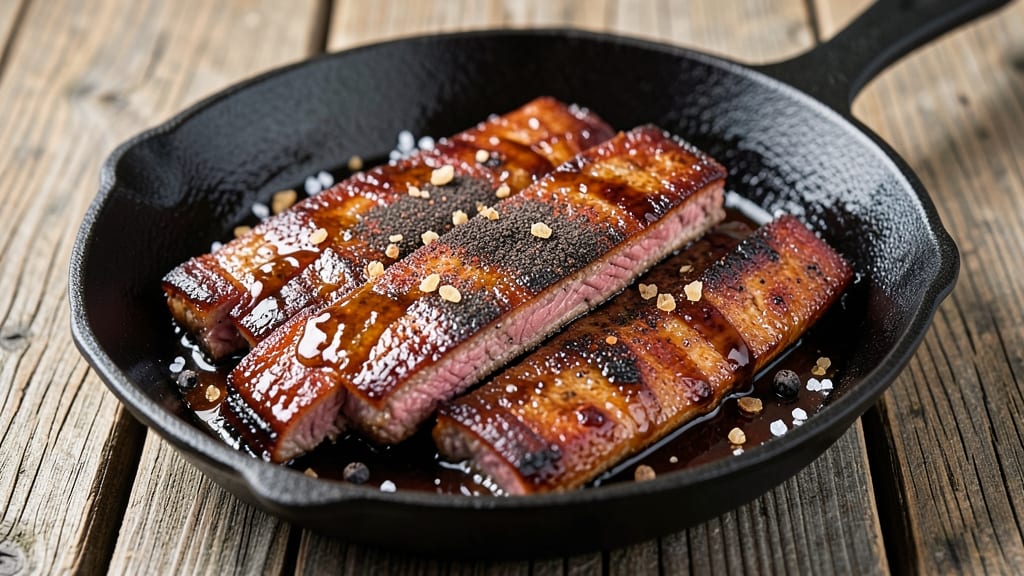
This BBQ beef flanken ribs recipe delivers the perfect marriage of smoky bark and buttery tenderness—just like my grandfather's legendary cookout. The secret lies in a two-stage cooking process that transforms tough cuts into melt-in-your-mouth perfection.
I've spent years perfecting this technique, balancing traditional pitmaster methods with modern shortcuts that still deliver restaurant-quality results.
What sets these ribs apart is the dry rub—a blend of coffee, brown sugar, and smoked paprika—that creates that signature bark while keeping the meat juicy inside. We'll cook them low and slow to render fat and collagen, then finish with a quick sear for color and depth.
The key is patience; rushing this process means missing out on the unmatched texture contrast that makes these ribs unforgettable.
By the time you're done, you'll have ribs that are crispy on the outside, tender on the inside, with layers of smoky-sweet flavor in every bite. The sauce—optional but recommended—adds that final sticky-sweet finish that ties everything together.
This is the kind of dish that turns weeknight dinners into memorable gatherings, without requiring a full day in front of the grill.
Whether you're feeding a crowd or treating yourself to a solo meal, these ribs deliver professional-quality results with minimal fuss. The same technique works for beef short ribs too—just adjust the cooking time. Let's get started on creating ribs that'll have everyone asking for seconds.
Ingredients for bbq beef flanken ribs
Pantry staples meet premium cuts for ribs that taste like a legendary cookout.
| Ingredient | Amount | Notes |
|---|---|---|
| Beef Flanken Ribs 🥩 | 2 lb | About 1/2-inch thick slices |
| Instant Coffee Granules ☕ | 2 tbsp | For deep smoky flavor |
| Light Brown Sugar 🍚 | ½ cup | Packed, not compacted |
| Smoked Paprika 🌶️ | 2 tbsp | High-quality for authentic bark |
| Kosher Salt 🧂 | 1 ½ tbsp | Diamond Crystal preferred |
| Ground Black Pepper 🌶️ | 1 tbsp | Freshly ground for best flavor |
| Garlic Powder 🧄 | 1 tbsp | Not garlic salt |
| Onion Powder 🧅 | 1 tbsp | For balanced depth |
| Yellow Mustard 🍯 | 2 tbsp | For tenderizing and binding |
| Extra-Virgin Olive Oil 🫒 | 2 tbsp | For searing and moisture |
| BBQ Sauce 🍅 | ½ cup | Optional finishing sauce |
| Fresh Rosemary 🌿 | ¼ cup | Chopped, for aroma |
The beef is everything here—flanken ribs deliver that perfect balance of tenderness and texture. Look for cuts with good marbling at Costco or your butcher shop; they'll slice them to about 1/2-inch thick. If you can't find flanken, beef short ribs work too, just increase cooking time by 30 minutes. The coffee granules are non-negotiable—they add that deep, smoky base that mimics traditional BBQ. Starbucks instant coffee works perfectly, but any quality brand will do. Brown sugar should be packed, not compacted, for the right texture in the rub.
No smoked paprika? Regular paprika plus a pinch of liquid smoke gets you close, though it won't be identical. The yellow mustard is key—it tenderizes the meat while helping the rub stick. French's Original is my go-to, but any good-quality brand works. For the BBQ sauce, Sweet Baby Ray's is a crowd-pleaser, but you can use whatever you've got. Fresh rosemary? Dried works at half the amount if you're in a pinch, but fresh has that unmatched aroma. The olive oil matters here—use something fruity and high-quality for that extra depth of flavor.
These ribs reheat beautifully—just warm them in the oven with a splash of water for 10-15 minutes at 300°F. Store leftovers in an airtight container for up to 4 days, though they're best eaten fresh. The dry rub keeps for 3 months in an airtight container, so make extra for future projects. I always portion the ribs into individual servings before freezing—3 months max—so they're ready to go whenever cravings hit.
Why You'll Love This Recipe
- No Chopping Needed: I swear by this—just score those ribs in one direction, no fancy knife work. The instant coffee granules cut through the richness while the brown sugar caramelizes into a sticky, smoky glaze that’s ridiculously easy to slap on.
- Smoky-Sweet Magic: That smoked paprika and coffee combo? It’s like a slow-smoked rib taste in half the time. The salt makes the meat tender, and the sugar gives it this perfect balance—sweet but not cloying, with a deep, almost charred edge.
- Game for Leftovers: I make a double batch and freeze half. Reheated in the oven with a splash of water, they’re just as good the next day—perfect for lazy lunches or when you’re too tired to cook.
- Budget Crowd-Pleaser: Flanken ribs are cheaper than baby back, and this method feeds four for under $20. My roommates fight over the last piece, and honestly? That’s the best compliment.
Step-by-step instructions for BBQ beef flanken ribs
Here's how to transform tough flanken ribs into tender, smoky perfection with a crispy bark and buttery threads.
Prep and Season the Ribs for Maximum Flavor
Pat the 2 lb beef flanken ribs completely dry with paper towels—this is non-negotiable for crispy bark. I like to work in batches if the ribs are large, focusing on one side at a time. Using your hands, rub the 2 tbsp instant coffee granules into the meat to create that deep, smoky foundation. The coffee granules dissolve slightly, allowing the flavor to penetrate deep into the fibers.
Next, create a dry rub by mixing 0.5 cup light brown sugar, 2 tbsp smoked paprika, 1.5 tbsp kosher salt, 1 tbsp ground black pepper, 1 tbsp garlic powder, and 1 tbsp onion powder in a small bowl. The sugar helps caramelize the surface while balancing the smokiness. Generously coat both sides of the ribs with this mixture, pressing it into the meat so it adheres well. Let the seasoned ribs sit at room temperature for 30 minutes—this allows the rub to penetrate and the meat to cook more evenly.
Sear the Ribs for Deep Flavor and Crispy Bark
Heat a large skillet over medium-high heat and add 2 tbsp extra-virgin olive oil. Once the oil shimmers (about 2 minutes), add the ribs in a single layer, working in batches if needed. Don't crowd the pan—this ensures even searing. Let them cook undisturbed for 3-4 minutes per side until they develop a deep golden-brown crust. You'll see the edges start to crisp and pull away from the pan—that's your signal to flip.
During the last minute of searing, add 2 tbsp yellow mustard to the pan. The mustard helps tenderize the meat and adds a subtle tang that pairs beautifully with the smoky flavors. Toss the ribs to coat them evenly with the mustard and any browned bits that have formed in the pan—these bits are packed with flavor and will create a rich sauce.
Slow-Cook Until Fork-Tender
Transfer the seared ribs to a slow cooker and add 0.25 cup chopped fresh rosemary on top. The rosemary adds an aromatic depth that complements the smoky, sweet flavors. Pour in 0.5 cup BBQ sauce (if using) and spread it evenly over the ribs. Cover the slow cooker and cook on low heat for 6-8 hours, or until the ribs are fork-tender and easily pull apart. The ribs should have a deep, smoky aroma wafting from the pot—this is your cue that they're nearly done.
Here's the thing—don't rush this step. The slow cooking breaks down the tough connective tissue, turning it into gelatin that melts in your mouth. If you're short on time, you can switch to high heat for 4-5 hours, but I promise the low-and-slow method delivers the best results. The ribs should reach an internal temperature of 195-203°F—this is when they're at their most tender.
Rest and Serve for Perfect Texture
Once the ribs are fork-tender, carefully transfer them to a cutting board and let them rest for 10-15 minutes. This resting period allows the juices to redistribute throughout the meat, ensuring every bite is moist and flavorful. During this time, you can shred the ribs using two forks or a meat claw—this makes serving a breeze. The ribs should pull apart easily with minimal resistance, indicating they're perfectly tender.
Serve the ribs immediately, drizzling any remaining sauce from the slow cooker over the top. The contrast of the crispy bark, tender meat, and smoky sauce is what makes this dish unforgettable. Pair with crusty bread or roasted vegetables to soak up all the delicious juices. Leftovers? Store them in the refrigerator for up to 3 days, but honestly, they won't last that long!
Pro Tips For Making Bbq Beef Flanken Ribs
- Trim the Fat First: Flanken ribs have a thick fat cap that can turn greasy if left on—scrape it off before seasoning. I learned this the hard way when my first batch ended up slick and unappetizing instead of caramelized. Use a sharp knife and cut close to the meat, leaving just a thin layer for flavor.
- Dissolve the Coffee: Instant coffee granules won’t cling to the ribs if you mix them with a splash of hot water first—about 1 tablespoon per teaspoon of coffee. I used to sprinkle it dry and end up with clumpy, uneven coating. A quick stir guarantees it sticks like glue to the meat.
- Sear in Batches: Crowding the pan will steam the ribs instead of searing them, ruining that deep crust. Work in two batches over medium-high heat—give them space, and they’ll develop a proper mahogany color in 3-4 minutes per side. (Yes, even if you’re impatient like me.)
- Rest Before Slicing: Cutting into the ribs right after cooking turns them into a mushy mess. Tent them loosely with foil and let them sit for 5-10 minutes—this lets the juices redistribute. I skip this when I’m hungry, but the difference in texture is night and day.
Troubleshooting perfect results
Ribs Too Tough?
If your ribs turn out tough instead of tender, you likely rushed the cooking process. Flanken ribs need slow, low heat to break down collagen—never exceed 300°F. I've seen home cooks overcook on high heat, thinking faster equals better.
Use a meat thermometer to check for 195-203°F internal temperature—that's the sweet spot for tenderness. 🌡️
Bark Not Crispy Enough
That signature bark comes from proper searing and a dry rub. First, ensure your ribs are completely dry before applying the rub—moisture prevents crisping. Second, sear over medium-high heat until deep golden-brown (3-4 minutes per side).
If your bark is still soft, try brushing with a thin layer of corn syrup before the final sear—it caramelizes beautifully.
Sauce Too Thin or Watery
When slow cooking, ribs release natural juices that can dilute your sauce. To fix this, reduce the sauce on the stovetop after cooking by simmering it uncovered for 5-10 minutes. For extra thickness, stir in 1 tbsp cornstarch mixed with 1 tbsp water and cook until it thickens.
I also recommend adding 1 tbsp apple cider vinegar to balance sweetness and add tang.
Meat Sticking to Pan
This happens when ribs aren't properly seared or when using non-stick pans. Always use cast iron or stainless steel for that perfect crust. If sticking occurs, increase your oil (try 3 tbsp olive oil instead of 2) and ensure the pan is smoking hot before adding ribs.
A quick wipe-down with a paper towel before searing also helps remove excess rub that can burn.
Uneven Cooking
Thicker sections of flanken ribs cook slower than thinner ones. To prevent uneven doneness, flip ribs halfway through cooking and rotate their position in the slow cooker. For extra insurance, use a meat thermometer to check the thickest part—it should reach 195°F before removing.
If some pieces finish early, transfer them to a plate and return them to the cooker once the rest are done.
Dry Rub Not Sticking
A dry rub won't adhere if the meat is too oily or if you're using wet ingredients. First, pat ribs thoroughly dry with paper towels. Second, add 1 tbsp yellow mustard to your rub mixture—it acts as a binder.
For extra grip, lightly sear ribs before applying the rub. If your rub still falls off, try mixing 1 tsp xanthan gum into your dry rub for better adhesion. 💡
Nutrition facts
Frequently asked questions
Can I substitute beef short ribs for flanken ribs?
Short ribs work beautifully, but they'll need 30-60 extra minutes of cooking time due to their thicker bone structure. Look for "beef short ribs" (bone-in) at your butcher—they're typically 1-1.5 inches thick. Just check for 195-203°F internal temp instead of relying solely on time.
How do I make the bark extra crispy?
For maximum crispiness, sear the ribs over medium-high heat until they reach 350-375°F on your thermometer probe. Brush them lightly with 1 tbsp corn syrup before the final sear—it caramelizes into a glossy, crackling crust. Also ensure your ribs are completely dry before applying the rub.
Can I grill these instead of slow cooking?
Yes! After searing, transfer ribs to a grill set to 225-250°F and cook for 2-3 hours, flipping occasionally. Use a meat thermometer—ribs are done at 195-203°F. For extra smokiness, add wood chips (hickory or apple) to your grill. Just monitor closely to prevent flare-ups.
What's the best way to reheat leftovers?
Reheat ribs in a 300°F oven for 10-15 minutes with a splash of water or BBQ sauce to prevent drying. For microwave reheating, cover with a damp paper towel and cook in 30-second bursts until warmed through. Never reheat in the microwave uncovered—it'll dry them out.
Why does the recipe use instant coffee?
The coffee granules add that deep, smoky base that mimics traditional BBQ without needing a smoker. It's a pitmaster secret—just 2 tbsp creates an intense flavor that penetrates the meat. For extra depth, try dark roast coffee granules. No coffee? A pinch of liquid smoke works in a pinch.