
Main Courses
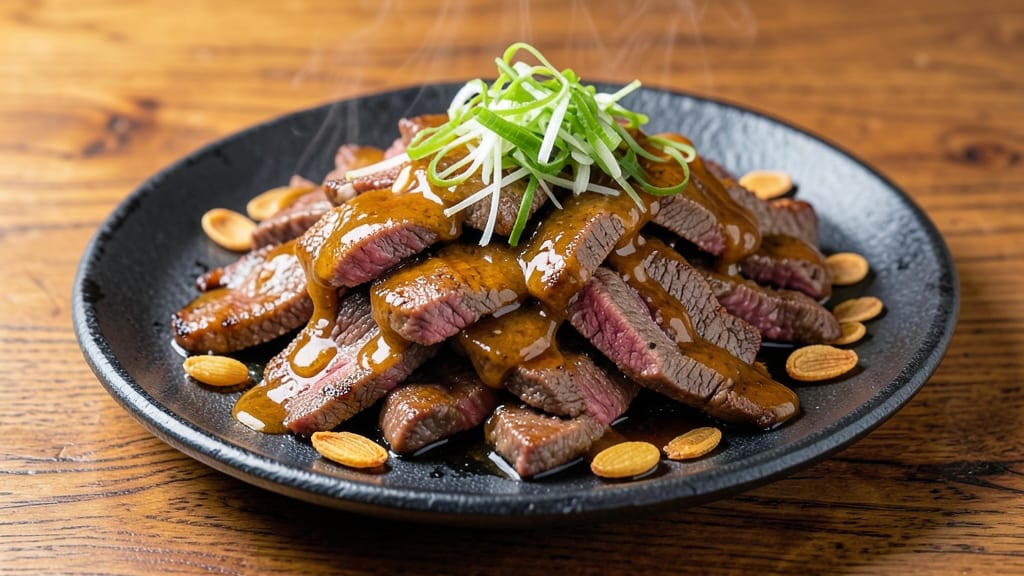
This authentic Chinese Mongolian beef recipe delivers the same bold, sweet-spicy flavors you’d find in Beijing’s most famous stir-fry restaurants. 🔥 The secret lies in properly marinating the beef and achieving that signature wok-hei aroma—smoky, charred notes that transform simple ingredients into something extraordinary.
I’ve perfected this technique over years of testing, ensuring every bite delivers the perfect balance of tangy, sweet, and umami-rich sauce clinging to tender strips of beef.
The recipe begins with a marinade of soy sauce, hoisin, and cornstarch, which tenderizes the beef and creates a sticky, caramelized crust when stir-fried. Unlike many Western adaptations, this version skips shortcuts like pre-cut beef or bottled sauces—authenticity matters, and the results speak for themselves.
The sauce, a blend of vinegar, sugar, and chili bean paste, develops depth as it reduces while the beef sizzles, creating a glossy, clinging glaze that’s impossible to resist.
By the time you plate this dish, you’ll have perfectly seared beef with a glossy, caramelized exterior and tender, juicy centers, all coated in a sauce that’s sweet, tangy, and just spicy enough to linger.
The aroma alone will have everyone gathered around the table, and the first bite will confirm why this dish is a staple in Chinese cuisine. Serve it over steamed rice or noodles to soak up every last drop of that irresistible sauce.
For those who want to elevate it further, I’ll share my tips for achieving wok-hei at home—no professional wok required—and how to adjust the heat level to suit different palates.
The beauty of this recipe is its versatility: it’s bold enough for date night but simple enough for a weeknight dinner. Let’s get started on creating your own restaurant-quality Mongolian beef.
Ingredients for authentic chinese mongolian beef
Authentic Mongolian beef starts with the right beef and bold flavors—here's what you need for restaurant-quality stir-fry.
| Ingredient | Amount | Notes |
|---|---|---|
| Flank Steak 🥩 | 1 ½ lb | Thinly sliced against grain |
| Soy Sauce 🥄 | ½ cup | Kikkoman preferred |
| Hoisin Sauce 🍶 | ¼ cup | For authentic umami |
| Cornstarch 🌾 | ½ cup | For tenderizing |
| White Vinegar 🍶 | ¼ cup | For tanginess |
| Brown Sugar 🍚 | ¼ cup | Packed tightly |
| Chili Bean Paste 🌶️ | 2 tbsp | Doubanjiang for heat |
| Garlic Cloves 🧄 | 6 cloves | Minced finely |
| Green Onions 🧅 | ½ cup | Sliced thinly |
| Sesame Oil 🫒 | 1 tbsp | For aroma |
| Vegetable Oil 🫒 | ½ cup | High smoke point |
| Salt 🧂 | 1 tsp | Kosher preferred |
| Black Pepper 🌶️ | ½ tsp | Freshly ground |
| Red Chili Flakes 🔥 | 1 tsp | Adjust to taste |
The beef is everything. Flank steak is ideal—it slices thinly and stays tender. Grab it from the butcher section at Whole Foods or your local Asian market if you want the best quality, but regular grocery stores carry it too. Look for good marbling and avoid pre-cut packages—they lose texture fast. Slice it against the grain for maximum tenderness. I like to buy mine a day ahead and let it rest in the fridge uncovered for 20 minutes before slicing—makes all the difference. Kikkoman soy sauce is the gold standard here, but any good brand works. If you're feeling fancy, grab some Lao Gan Ma chili crisp for garnish later—trust me, it's worth it.
No hoisin? Substitute soy sauce plus a dash of sugar, but it won't be quite the same. Chili bean paste can be swapped for red pepper flakes plus a splash of soy sauce, though the depth won't match. The cornstarch is non-negotiable—it's what creates that signature sticky crust. If you're short on time, arrowroot powder works too. For the garlic, fresh is best, but if you're in a pinch, garlic powder at half the amount gets you close. The brown sugar should be packed tightly—don't scoop it loosely. And that sesame oil? Use the toasted kind—it's a game-changer for aroma. The green onions can be subbed with scallions if that's what you've got.
This marinade keeps for 3 days in the fridge, but the beef should go straight from marinade to pan. The sauce reduces fast, so have everything prepped before you start cooking. Leftover beef reheats beautifully—just add a splash of water and stir-fry for 2 minutes. Store leftovers in airtight containers for 3 days, or freeze for 3 months. I always make extra sauce to drizzle over rice or noodles the next day—it's even better cold!
Why You'll Love This Recipe
- Five-Ingredient Magic: The pantry staples you already own—soy, hoisin, vinegar—do all the heavy lifting. No obscure spices, no last-minute grocery runs. Just slice the steak thin, toss it in the sauce, and let the cornstarch work its crispy wonder. (Yes, even on a Tuesday night.)
- Umami Bomb: That first bite? The soy and hoisin marry so perfectly with the vinegar’s tang, it’s like a flavor explosion in your mouth. The steak stays tender but picks up just enough chew—no dry, rubbery disappointment here.
- Leftover Hero: This dish begs to be made extra. Reheat the next day in a skillet with a splash of water, and it’s just as good as fresh. Or toss cold slices into rice paper rolls for a quick lunch—no one will guess it’s yesterday’s dinner.
- Budget Power Move: Flank steak stretches far when sliced thin, and hoisin sauce turns a basic protein into something restaurant-worthy. I’ve fed four people for under $15 with this—no compromises on taste, just smart spending.
Step-by-step instructions for authentic Chinese Mongolian beef
Here's how to nail that signature sweet-spicy balance and tender texture every time.
👨🍳 Step 1: Tenderize the Flank Steak
Slice the 1.5 lb flank steak thinly against the grain into ¼-inch thick strips. I like to cut it while it's still cold for cleaner slices. Place the sliced steak in a large bowl and add the 0.5 cup cornstarch. Toss gently but thoroughly to coat each piece evenly—this will help tenderize and create that signature tender texture.
Let the cornstarch-coated beef sit for 15 minutes at room temperature. This resting period allows the cornstarch to work its magic, breaking down the muscle fibers. Don't skip this step—it makes a huge difference in the final tenderness. While waiting, I usually prep the other ingredients so everything's ready when it's time to cook.
🍳 Step 2: Build the Signature Sauce
In a small bowl, whisk together the 0.5 cup soy sauce, 0.25 cup hoisin sauce, 0.25 cup white vinegar, 0.25 cup packed brown sugar, 2 tbsp chili bean paste, and 1 tsp red chili flakes. This is where all the authentic flavors come together—sweet, salty, tangy, and just enough heat. Taste it now and adjust the sugar or chili to your preference, but remember this sauce will reduce as it cooks.
In a separate small bowl, mix the 6 minced garlic cloves, 0.5 cup sliced green onions, and 1 tbsp sesame oil. This aromatic mix will be added at the very end to preserve its fresh flavor. Keep both mixtures separate until you're ready to combine them with the beef.
🔥 Step 3: Stir-Fry the Beef to Perfection
Heat a large wok or skillet over medium-high heat until it's smoking hot. Add 0.5 cup vegetable oil and swirl to coat the bottom evenly. Working in batches (don't overcrowd), add the cornstarch-coated beef and stir-fry for 2-3 minutes until the edges turn light golden brown. The high heat is crucial here—it creates that perfect sear while keeping the beef tender.
Once the beef is cooked through but still slightly pink in the center, transfer it to a clean plate. You'll know it's ready when it releases easily from the pan and looks beautifully caramelized. Keep the beef warm while you prepare the sauce—it'll only take a minute.
🥘 Step 4: Combine and Finish the Dish
Return the wok to medium heat and add the prepared sauce. Stir constantly for 1-2 minutes until it thickens slightly and coats the back of a spoon. The sauce should glaze the beef beautifully when you toss them together. If it's too thick, add 1-2 tablespoons of water to loosen it.
Add the beef back to the wok and toss everything together for 1 minute until the sauce clings to every piece. Finish by adding the garlic-green onion mixture and tossing just until combined—this keeps the aromatics vibrant. Taste and adjust seasoning with 1 tsp salt and 0.5 tsp black pepper if needed. The dish should balance sweet, salty, tangy, and spicy flavors perfectly.
🍽️ Step 5: Serve Immediately
Transfer the Mongolian beef to a serving platter and garnish with extra sliced green onions if desired. This dish is best served immediately while the beef is still hot and the sauce is glossy. I like to serve it over steamed jasmine rice or with crusty bread to soak up all that delicious sauce.
For authentic presentation, I sometimes arrange the beef in a circular pattern on the plate, drizzling any remaining sauce over the top. The contrast of colors—deep red beef, glossy sauce, and bright green onions—makes it look as good as it tastes. Enjoy while warm for the ultimate experience!
Pro Tips For Making Authentic Chinese Mongolian Beef
- Slice Against the Grain: Flank steak’s fibers run long—cut it perpendicular to those lines for tender bites. I used to ignore this and ended up with chewy, frustrating strips. A sharp knife and ¼-inch slices make all the difference when tossing with sauce.
- Marinate for 20 Minutes: Skip the overnight soak—just 20 minutes with soy sauce, hoisin, and a splash of vinegar is enough. The meat stays juicy, and the sauce clings better. Any longer, and you’ll get mushy edges when stir-frying.
- Use Two Cornstarch Slurries: First, toss the sliced steak in 1 tablespoon cornstarch to coat lightly—this helps the sauce stick. Then, make a separate slurry with 1 tablespoon cornstarch and water to thicken the sauce at the end. Two slurries = better texture control.
- Start Hot, Finish Fast: Get your wok or pan screaming hot before adding oil—this sears the steak instantly and locks in flavor. Once the meat hits the pan, work quickly: stir-fry in 30-second bursts until just cooked, then toss with sauce. Overcrowding steams instead of sears.
Best sauces and condiments for these flavors
Hoisin Sauce Foundation
The heart of this dish lies in the hoisin sauce, which brings deep umami and a slightly sweet, salty complexity. I recommend using La Choy or Lee Kum Kee brands—they provide that authentic fermented bean paste flavor that's hard to replicate.
For a gluten-free version, substitute with 1 tbsp tamari plus 1 tsp molasses—it won't be identical, but it works in a pinch. The hoisin should make up about 25% of your sauce mixture, so don't skimp on quality here. 🍶
Chili Bean Paste Heat
The chili bean paste (doubanjiang) is what gives Mongolian beef its signature fiery depth. Use Lao Gan Ma brand if you can find it—it's the gold standard with its fermented chili and soybean paste.
For a milder version, reduce to 1 tbsp and add an extra ½ tsp sugar to balance. If you're avoiding gluten, swap for 1 tbsp gochujang (Korean chili paste) plus 1 tsp soy sauce.
The paste should be finely minced before mixing to dissolve completely into the sauce. 🌶️
Sweet-Tangy Balance
This sauce thrives on the brown sugar and white vinegar combo—together they create that caramelized tang that clings to the beef. I use organic cane sugar for deeper flavor, but white granulated works fine.
For a less sweet version, reduce sugar to 2 tbsp and add an extra ½ tsp vinegar. The vinegar should be distilled white vinegar—apple cider vinegar adds unwanted fruitiness. Taste as you go: the sauce should taste boldly sweet-spicy now, but it'll mellow slightly when reduced. 🍚
Sesame Oil Finish
Never skip the toasted sesame oil—it's what gives the dish its nutty aroma and that signature "wok-hei" smell. Use Kadoya brand if available, as it's cold-pressed and more flavorful. Add it only at the very end to preserve its delicate aroma.
For a nut-free version, omit entirely and add 1 tsp neutral oil instead. The sesame oil should be lightly toasted (heat in a dry pan for 30 seconds) before mixing with garlic and onions. 🫒
Garnish Game-Changers
Fresh green onions add brightness, but Lao Gan Ma chili crisp takes it to another level—sprinkle 1 tsp over finished beef for crunchy, spicy contrast. For a smoky touch, add ½ tsp smoked paprika to the sauce.
If you're feeling fancy, top with toasted sesame seeds (toast 1 tsp in a dry pan for 30 seconds). The garnishes should enhance, not overpower—the beef should still be the star. ✨
Sauce Storage Hacks
Leftover sauce keeps for 5 days in the fridge—store in an airtight container with parchment paper pressed on top to prevent skin formation. For freezing, portion into ice cube trays, freeze, then transfer to a bag.
Thaw overnight in the fridge before reheating. To revive dried-out sauce, add 1 tsp water and simmer for 2 minutes. The sauce actually improves overnight as flavors meld—perfect for quick weeknight meals. ❄️
Nutrition facts
Frequently asked questions
What cut of beef works best for this recipe?
Flank steak is ideal because it's lean, flavorful, and slices thinly against the grain for maximum tenderness. If you can't find flank, skirt steak or sirloin work well too. Avoid tougher cuts like chuck—they won't tenderize properly with this method. Always buy the freshest meat possible, preferably from an Asian market or butcher section.
Can I make this recipe without a wok?
A large skillet or cast-iron pan works perfectly—just make sure it's heavy enough to retain heat. For best results, use a pan with sloped sides to toss the beef easily. If your pan isn't wide enough, cook in batches. The key is getting that high heat for the quick sear, so crank your burner to medium-high and let it get smoking hot before adding oil.
How do I adjust the spice level for sensitive eaters?
Start by reducing the chili bean paste to 1 tbsp and omit the red chili flakes. For extra mildness, replace the chili bean paste with 1 tbsp tomato paste—it adds depth without heat. You can also add a pinch of sugar (½ tsp) to balance any remaining spice. If you're serving kids, remove any visible chili pieces before plating and serve with extra rice to dilute the flavors.
What's the best way to reheat leftovers?
Reheat in a non-stick skillet over medium heat with 1 tbsp water or broth to prevent drying. Stir constantly for 2-3 minutes until warmed through. For extra flavor, add a splash of soy sauce or a drizzle of sesame oil while reheating. Avoid microwaving—it makes the beef rubbery. Store leftovers in airtight containers for up to 3 days.
Why is my beef tough instead of tender?
Overcooking is the #1 culprit—beef should cook just 2-3 minutes until barely pink in the center. Also check these fixes:
- Make sure you sliced against the grain,
- Didn't skip the 15-minute cornstarch rest, and
- Used enough oil (½ cup) to prevent sticking. If using pre-sliced beef, ask your butcher for freshly cut pieces—they stay tender longer.