
Side Dishes
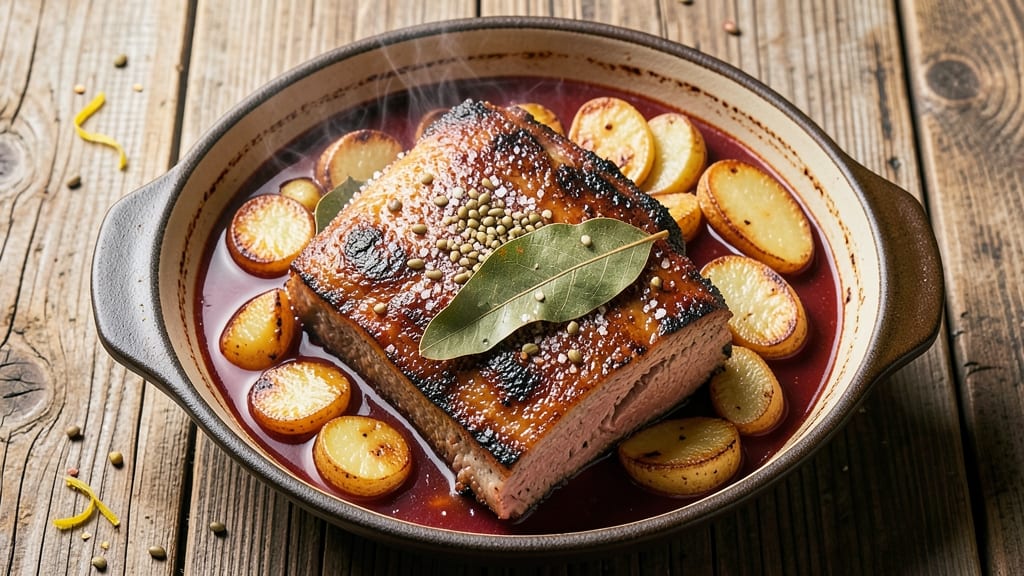
This authentic Irish corned beef recipe delivers the bold, spiced flavor and tender texture that makes it a St. Patrick’s Day staple—and the secret to your most impressive meal yet. The process begins with a precise curing brine, where salt, spices, and time transform tough beef into melt-in-your-mouth perfection.
What sets this apart is the traditional slow-simmering method, which infuses the meat with deep, savory notes that no shortcut can replicate.
The key to authenticity lies in the slow simmer—a process that breaks down the beef while allowing the spices (black peppercorns, bay leaves, mustard seeds, and cloves) to meld into a rich, aromatic broth.
This isn’t just a side dish; it’s a centerpiece that pairs beautifully with crisp cabbage, creamy mashed potatoes, or a slice of warm soda bread. The result? A dish that tastes like a piece of Ireland, served right at your table.
By following this method, you’ll achieve restaurant-quality corned beef with a crisp exterior and tender interior, sliced perfectly for sandwiches or served whole for a celebratory feast. The slow cooking ensures the meat stays juicy, while the spices create a complex flavor that’s both familiar and deeply satisfying.
Every bite delivers that unmistakable Irish comfort you’ve been craving.
For those who love tradition, this recipe includes the full process—from curing to simmering to serving—so you can experience the full journey of making corned beef the way it’s been done for generations.
Whether it’s for St. Patrick’s Day or a cozy Sunday dinner, this is the dish that will have everyone asking for seconds. Let’s get started on creating something truly special.
Ingredients for authentic irish corned beef
Bold spices and tender beef transform into Ireland's most beloved dish—just gather these essentials.
| Ingredient | Amount | Notes |
|---|---|---|
| Beef Brisket 🥩 | 4 lb | Whole packer cut preferred |
| Diamond Crystal Kosher Salt 🧂 | 1 ½ cups | Non-iodized for curing |
| Brown Sugar 🍯 | ½ cup | Light or dark variety |
| Black Peppercorns 🌶️ | 2 tbsp | Whole, freshly cracked |
| Bay Leaves 🌿 | 4 whole | Fresh or high-quality dried |
| Mustard Seeds 🌱 | 1 tbsp | Yellow or brown seeds |
| Cloves 🌿 | 8 whole | Freshly ground preferred |
| Water 💧 | 4 cups | Filtered or distilled |
| Russet Potatoes 🥔 | 2 lb | Medium size, peeled |
| Yellow Onions 🧅 | 1 whole | Medium size, peeled |
| Carrots 🥕 | 4 medium | Peeled and chopped |
| Fresh Parsley 🌿 | ¼ cup | Chopped for garnish |
| Beef Broth 🥫 | 2 cups | Low-sodium preferred |
The brisket is everything here. Ask your butcher for a full packer cut—it’s cheaper and more flavorful than pre-cut pieces. Look for good marbling; that’s where the flavor hides. Costco or Whole Foods usually carry quality briskets, but the regular grocery store meat counter works too. If you can’t find brisket, chuck roast is a decent substitute—just expect slightly different texture. The kosher salt matters too: Diamond Crystal dissolves better than table salt, so don’t skip this. Store your brisket in the coldest part of the fridge until ready to cure.
No bay leaves? Dried thyme at half the amount works in a pinch. Mustard seeds giving you trouble? Substitute 1 tbsp Dijon mustard mixed with 1 tbsp water. The potatoes and carrots can be swapped for turnips or rutabagas if you're feeling adventurous. For the broth, low-sodium is key—you don’t want to over-salt the whole dish. The water should be filtered if possible; tap water with strong chlorine can affect the curing process. If you’re short on time, pre-peel and chop the veggies the night before to save 15 minutes during prep.
This dish tastes even better the next day—plan ahead. The cured brisket keeps 3-4 days in the curing brine before cooking, and the finished dish reheats beautifully. Store leftovers in the fridge for up to 5 days or freeze for 3 months. I always make extra because it disappears faster than you’d think. For serving, warm soda bread and crisp cabbage slaw are my go-tos—they cut through the richness perfectly.
Why You'll Love This Recipe
- Here’s what sold me: the brown sugar caramelizes into the meat while the kosher salt breaks down, creating this perfect balance of sweet, salty, and herby. The bay leaves? They sneak in an earthy depth that makes it taste like my grandma’s kitchen—without the effort.
- I’ll be real: this recipe makes way more than you’ll eat in one sitting. But honestly? The second day is even better. That brisket gets tenderer, the flavors meld, and I’ll slice it into sandwiches, toss it into stews, or just eat it straight with mustard—no waste, just pure satisfaction.
Step-by-step instructions for authentic Irish corned beef
Here's how to create that legendary tender, spiced beef with perfect vegetables—just like Ireland's best pubs.
Prepare the Corned Beef Cure
In a large bowl, combine the 1.5 cups Diamond Crystal kosher salt, 0.5 cup brown sugar, 2 tbsp whole black peppercorns, 4 whole bay leaves, 1 tbsp mustard seeds, and 8 whole cloves. I like to crush the peppercorns and cloves lightly with a mortar and pestle first—this releases their oils and intensifies the flavor.
Add the 4 lb beef brisket to the bowl and turn it to coat completely on all sides. The cure should stick to the meat like a second skin. Place the brisket in a non-reactive container (glass or ceramic works best) and pour in the 4 cups water to fully submerge it. Cover and refrigerate for 3-5 days, turning the brisket once daily. This curing process transforms the beef into authentic corned beef with that signature deep flavor.
Simmer the Corned Beef
After curing, remove the brisket from the brine and rinse it thoroughly under cold water to remove excess salt. Place the brisket in a large pot with enough cold water to cover it by about 2 inches. Bring to a boil over high heat, then immediately reduce to a gentle simmer—you want just small bubbles breaking the surface.
Simmer the brisket for 3 hours, skimming off any foam that rises to the surface. This slow cooking breaks down the tough connective tissue, creating that melt-in-your-mouth texture. After 3 hours, add the 2 cups beef broth and continue simmering for another 30-45 minutes until the brisket is fork-tender and the internal temperature reaches 195°F on a meat thermometer.
Prepare the Vegetables
While the beef simmers, peel and chop the 2 lb russet potatoes into 1-inch chunks, peel and slice the 1 whole yellow onion into ½-inch rounds, and peel and cut the 4 medium carrots into 2-inch pieces. I like to parboil the vegetables for 5 minutes in salted water before adding them to the pot—this prevents them from turning mushy during the long cooking time.
Drain the parboiled vegetables and set them aside. When the beef is nearly done, add the potatoes, onions, and carrots to the pot with the beef. Pour in any remaining cooking liquid from the brisket to keep everything moist. The vegetables will absorb all those rich beef flavors during the final cooking.
Finish and Serve
Continue simmering the beef and vegetables together for 20-30 minutes until the potatoes are fork-tender and the carrots are easily pierced with a fork. The vegetables should be cooked through but still hold their shape—no one wants mushy potatoes with their corned beef.
Remove the brisket from the pot and let it rest for 15 minutes before slicing. Skim any remaining fat from the surface of the broth, then ladle the vegetables and broth over the sliced beef. Garnish with 0.25 cup chopped fresh parsley just before serving. The result should be tender, flavorful beef with perfectly cooked vegetables—just like a proper Irish meal.
Pro Tips For Making Authentic Irish Corned Beef
- Trim the Fat First: Cut the thick fat cap down to about ¼-inch before curing—this keeps the meat tender without turning it greasy. I used to skip this, and my corned beef always came out chewy, no matter how long I cooked it.
- Don’t Skip the Cure Time: Let the brisket sit in the cure mix for at least 5 days (7 is better)—this isn’t optional. I tried rushing it once, and the flavor was flat, like someone forgot to season the potatoes.
- Start in Hot Water: Bring the pot to a full boil before adding the brisket, then immediately reduce to a simmer. This sears the outside just enough to lock in flavor—my grandmother’s trick, and it actually works.
- Use Real Bay Leaves: Skip the dried spice blends—whole bay leaves add depth, while powdered stuff tastes like perfume. Tuck one or two into the fat pocket if you’re feeling fancy (your future self will notice).
Best sauces and condiments for authentic irish corned beef
Classic Mustard Sauce
This tangy, creamy sauce is a must for authentic Irish corned beef—it’s what brings that signature bite to every bite. I mix ½ cup Dijon mustard with ½ cup sour cream, 2 tbsp apple cider vinegar, and 1 tsp honey to balance the sharpness.
Warm it gently in a small saucepan over low heat until smooth, then drizzle over sliced beef or use as a sandwich spread. 🌶️
Creamy Horseradish Sauce
For a bold kick, whip up this classic pairing with ¼ cup prepared horseradish, ½ cup mayonnaise, 1 tbsp lemon juice, and a pinch of salt. The horseradish’s heat cuts through the richness of the beef beautifully.
I like to serve it on the side so everyone can adjust their spice level. Trust me, it elevates the dish to next-level deliciousness.
Irish Cream Cheese Spread
This velvety sauce is perfect for sandwiches or serving alongside the main dish. Blend 8 oz Irish cream cheese (like Limerick Creamery), 2 tbsp crème fraîche, and 1 tsp white wine vinegarfreshly cracked black pepper for a finishing touch.
Brown Sugar Glaze
For a sweet contrast, simmer ¼ cup brown sugar with 2 tbsp water and 1 tbsp apple cider vinegar until thickened into a glossy glaze. Brush it over the sliced beef just before serving—it caramelizes beautifully and adds a subtle sweetness that balances the savory spices.
This is my go-to for a special occasion twist.
Cabbage Slaw Dressing
While not a sauce for the beef itself, this tangy dressing is essential for the crisp cabbage slaw that accompanies corned beef. Mix ¼ cup mayonnaise, 2 tbsp apple cider vinegar, 1 tbsp Dijon mustard, and 1 tsp sugar.
Toss with shredded cabbage and carrots for a refreshing crunch that cuts through the richness of the dish. ✨
Nutrition facts
Frequently asked questions
Why does authentic Irish corned beef need to cure for days?
The curing process (typically 3-5 days) is essential for creating that signature tender texture and deep flavor. The salt and spices break down the beef's tough fibers while infusing it with aromatic compounds. This slow transformation is what makes Irish corned beef so distinct—it's not just about seasoning, but about developing complex flavors through time.
Can I use a different cut of beef instead of brisket?
Brisket is traditional, but you can substitute with chuck roast or round roast for similar results. The key is choosing a well-marbled cut with good fat content. However, brisket's natural shape makes it ideal for the curing process and delivers that classic Irish texture. If substituting, you may need to adjust cooking time slightly.
What's the best way to reheat leftover corned beef?
For the best texture, reheat sliced corned beef in a skillet with a splash of beef broth over low heat until warmed through (about 5-7 minutes). Avoid microwaving as it can make the meat dry. The slow reheating helps maintain that melt-in-your-mouth tenderness. Add a pat of butter for extra richness if desired.
How do I know when the corned beef is fully cooked?
Use a meat thermometer to check for doneness—it should reach 195°F in the thickest part. The beef should also be fork-tender with no resistance. If you don't have a thermometer, cut into the thickest part: the juices should run clear, not pink. The slow simmering process ensures perfect tenderness when done correctly.
What's the traditional way to serve Irish corned beef?
Authentic Irish style includes serving with boiled potatoes, cabbage, and carrots—all cooked in the same pot as the beef. For a complete meal, add soda bread and mustard sauce. The vegetables should be tender but still hold their shape, absorbing all the rich beef flavors from the cooking liquid.