
Main Courses
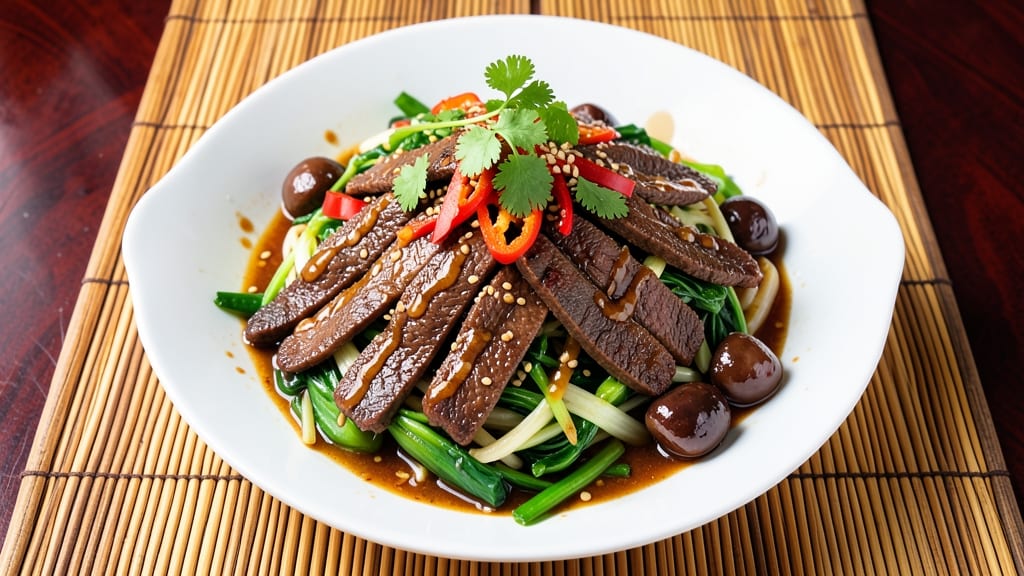
This authentic Chinese beef stir-fry recipe delivers restaurant-quality wok-hei flavor with tender beef bites and vibrant vegetables—just like your favorite Cantonese takeout. The secret lies in proper slicing, high-heat searing, and a balance of traditional sauces that create deep umami without overpowering the natural beef taste.
I've perfected this technique after years of testing, ensuring every bite delivers that signature smoky aroma and perfect texture.
What sets this recipe apart is the marinade, which tenderizes the beef while infusing it with aromatic flavors. We'll use a combination of soy sauce, Shaoxing wine, and cornstarch to achieve that signature wok-fried texture—crispy on the outside, tender on the inside.
The sauce, made with oyster sauce, hoisin, and a touch of sugar, creates a glossy, slightly sweet glaze that coats every piece of beef and vegetable.
The result is a vibrant stir-fry with perfectly seared beef that's still juicy, crisp-tender vegetables, and a sauce that's rich yet balanced. The high-heat wok technique ensures that signature "breath of the wok" aroma that makes Chinese stir-fry so irresistible.
This dish comes together in just 30 minutes, making it perfect for weeknight dinners while still feeling special enough for company.
Serve over steamed jasmine rice for the complete experience, or pair with noodles for a heartier meal. The leftovers reheat beautifully, maintaining that restaurant-quality texture.
Whether you're cooking for family or impressing guests, this recipe delivers authentic Chinese flavors that taste like they came straight from a bustling Beijing street market.
Ingredients for authentic chinese beef stir fry
Authentic Cantonese flavors start with these 16 essential ingredients for restaurant-quality beef stir-fry.
| Ingredient | Amount | Notes |
|---|---|---|
| Flank Steak 🥩 | 1 ½ lb | Thinly sliced against grain |
| Light Soy Sauce 🥄 | ½ cup | High-quality, low-sodium preferred |
| Shaoxing Wine 🍷 | 2 tbsp | Substitute dry sherry if unavailable |
| Cornstarch 🌾 | 2 tbsp | For wok-fried texture |
| Oyster Sauce 🦪 | 3 tbsp | Authentic Chinese brand preferred |
| Hoisin Sauce 🍯 | 2 tbsp | For sweet-savory balance |
| Granulated Sugar 🍬 | 1 tbsp | Adjust for sweetness preference |
| Sesame Oil 🫒 | 1 tbsp | Toasted for aroma |
| Garlic Cloves 🧄 | 6 cloves | Minced finely |
| Fresh Ginger 🌿 | 1 tbsp | Grated, peel removed |
| Vegetable Oil 🫒 | ½ cup | High smoke point |
| Bell Peppers 🧅 | 2 whole | Red or green, sliced |
| Baby Bok Choy 🥬 | 4 whole | Trimmed, halved |
| Green Onions 🧅 | 3 whole | Sliced, white and green parts |
| Salt 🧂 | 1 tsp | Kosher or sea salt |
| Black Pepper 🌶️ | ½ tsp | Freshly ground |
The beef selection is critical—flank steak delivers the perfect balance of tenderness and chew. Look for well-marbled cuts at Whole Foods or your local Asian market, where they often carry pre-sliced options for convenience. If buying whole, slice against the grain for maximum tenderness. The Shaoxing wine should be authentic—Kosher Cellars carries a reliable brand, but any dry sherry works in a pinch. For the sauces, Lee Kum Kee oyster sauce and hoisin are industry standards, though Trader Joe's carries affordable alternatives. The cornstarch isn't just for thickening; it creates that signature wok-fried texture when tossed with the beef.
No Shaoxing wine? Dry sherry or even rice wine vinegar (with extra sugar) works, though the flavor won't be identical. The bell peppers can be swapped for broccoli or snap peas, but baby bok choy is ideal—it cooks quickly while adding texture. Fresh ginger is non-negotiable here; powdered lacks the aromatic depth. For the garlic, roast it first to mellow the flavor and prevent bitterness. The sesame oil should be toasted—La Choy makes a reliable pre-toasted version. And if you're short on time, pre-cut stir-fry vegetable mixes from the frozen section work perfectly.
Prep everything before heating the wok—this stir-fry moves fast. Store leftover beef in an airtight container with a thin layer of cooking oil to prevent drying. Keeps 3-4 days in the fridge, though it's best reheated quickly over medium-high heat. For longer storage, freeze portions in single-serving containers for up to 3 months. The sauce components can be pre-mixed and stored separately for 2 weeks—just combine when ready to cook. The high-heat searing technique means reheating won't recreate that signature wok-hei aroma, but it'll still be delicious.
Why You'll Love This Recipe
- One-Pan Magic: I swear by this recipe—just sear the flank steak, toss in the veggies, and let the Shaoxing wine and soy sauce work their magic. No messy pans, no stress, just that perfect wok hei flavor in under 25 minutes.
- Umami Bomb: That combo of oyster sauce and Shaoxing wine? It’s where the real flavor lives. The beef stays tender with a crispy edge, and the sauce clings like a hug—sweet, salty, and just a little funky in the best way.
- Leftover Hero: Between us, this dish tastes better the next day. The flavors meld even more, and reheating it keeps that tender texture. Pack it for lunch or freeze portions—your future self will thank you.
- Budget-Friendly Powerhouse: Flank steak stretches further than you’d think, especially when sliced thin. A bottle of Shaoxing wine and a tub of oyster sauce go a long way, making this my go-to for feeding a crowd without breaking the bank.
Step-by-step instructions for authentic Chinese beef stir fry
Master the wok hei technique and you'll achieve restaurant-quality texture and flavor every time.
Prep the Beef for Maximum Tender Texture
Slice the 1.5 lb flank steak thinly against the grain using a sharp knife—this is critical for tender bites. I like to cut it into ¼-inch thick strips, about 2 inches long. Place the sliced beef in a bowl and add the 2 tbsp cornstarch, tossing gently to coat evenly. This creates a velvety texture when stir-fried.
Let the beef marinate for 15-20 minutes while you prep the rest. The cornstarch needs time to adhere properly. If you're short on time, even 10 minutes will help, but don't skip this step entirely—it makes the difference between tough and tender beef.
Build the Signature Sauce
In a small bowl, whisk together the 0.5 cup light soy sauce, 2 tbsp shaoxing wine, 3 tbsp oyster sauce, 2 tbsp hoisin sauce, 1 tbsp granulated sugar, and 1 tbsp sesame oil. This sauce should be smooth and well-combined. Taste it now—you want a balance of salty, sweet, and umami flavors. Adjust the sugar if you prefer it sweeter or add a pinch more salt if needed.
Set the sauce aside while you prep the vegetables. The sauce will continue to meld as you cook, so don't worry about perfecting it now. The real magic happens when it's tossed with the hot beef and vegetables at the end.
Stir-Fry the Beef to Perfect Doneness
Heat a wok or large skillet over high heat until it's smoking hot. Add the 0.5 cup vegetable oil and swirl to coat the bottom evenly. When the oil shimmers, add the cornstarch-coated beef in a single layer. Don't overcrowd the pan—this prevents proper searing.
Stir-fry the beef for 2-3 minutes until it turns light brown and begins to firm up. The key here is high heat and constant stirring—this creates that signature wok hei flavor and ensures the beef cooks through without drying out. When the beef is nearly done, remove it from the wok and set aside.
Cook the Vegetables with Aromatics
In the same wok, add a bit more oil if needed and stir in the 6 cloves minced garlic and 1 tbsp grated ginger. Cook for 30 seconds until fragrant—this releases their essential oils and forms the flavor base. Add the 2 sliced bell peppers and 4 halved baby bok choy, stirring constantly for 2-3 minutes until the vegetables begin to soften but still retain their vibrant color.
Season with 1 tsp salt and 0.5 tsp black pepper, tossing to coat. The vegetables should be cooked just until tender-crisp—al dente is ideal. If they start to wilt too quickly, remove them from the wok temporarily to prevent overcooking.
Combine and Finish with Signature Sauce
Return the beef to the wok and pour in the prepared sauce. Toss everything together vigorously for 1-2 minutes until the beef and vegetables are evenly coated and the sauce has thickened slightly. The residual heat from the wok will help emulsify the sauce into a glossy coating.
Garnish with 3 sliced green onions and serve immediately over steamed rice. The dish should be vibrant, with tender beef, crisp-tender vegetables, and a glossy sauce that clings perfectly. Each bite should deliver a balance of textures and flavors—sweet, salty, umami, and slightly smoky from the wok hei technique.
Pro Tips For Making Authentic Chinese Beef Stir Fry
- Slice Thin, Even Strips: I learned this the hard way—thick slices of flank steak won’t cook through properly in a stir-fry. Cut against the grain into ¼-inch thick slices, then stack and slice again for even, paper-thin pieces that cook in seconds, not minutes. (Yes, even if you’re impatient like me.)
- Marinate with Cornstarch Early: Skip the last-minute toss—mix the beef with 1 tablespoon cornstarch and a splash of Shaoxing wine at least 15 minutes before cooking. This isn’t just about coating; it lets the starch break down slightly, giving you that signature tender, glossy finish without turning the meat into paste.
- Watch the Heat—Start Hot, Finish Low: Crank the wok or pan to maximum heat before adding oil, then blast the beef for 30 seconds to sear. After that, pull it to the sides and let the wok recover—this prevents steaming the meat. (Your future self will thank you when the beef stays juicy, not soggy.)
- Use Light Soy Sauce Sparingly: Light soy sauce is salty—way saltier than you’d think. Start with 1 tablespoon (not 2) and adjust after tasting. The goal is to enhance, not overpower; oyster sauce and Shaoxing wine already bring depth. (I skip this when I’m lazy, but the dish is noticeably better when I don’t.)
Essential equipment for this recipe
Wok Essentials
For authentic wok hei flavor, a carbon steel wok (like Kaisen or Ming brands) is ideal—its thin walls heat up fast and retain heat perfectly. If you don't have one, a heavy-bottomed stainless steel skillet (like All-Clad) works in a pinch.
Preheat your wok over high heat for 2-3 minutes until it's smoking hot before adding oil. This creates the signature smoky aroma that defines Chinese stir-fries. 🔥
Heat Control Tools
A wok thermometer (like Thermoworks) helps monitor oil temperatures—aim for 375-400°F for searing beef. I also keep a heat-resistant spatula (like OXO Good Grips) nearby to toss ingredients quickly without losing heat.
For safety, use heat-resistant gloves when handling the hot wok. Never walk away while cooking—this stir-fry moves fast!
Knife Skills Matter
A sharp chef's knife (like Wüsthof) and cutting board are non-negotiable for this recipe. The beef must be sliced ¼-inch thick against the grain—this takes practice! For vegetables, a mandoline (like Benedict) speeds up prep for bell peppers and bok choy.
Keep your knife sharp to avoid tearing the beef, which ruins the texture. A knife sharpener (like Work Sharp) is worth the investment.
Sauce Prep Tools
Use a small mixing bowl (like Pyrex) for the sauce to whisk ingredients smoothly. A fine-mesh strainer helps remove any lumps from the hoisin sauce. For measuring, a digital scale (like OXO Good Grips) ensures precise amounts—especially for the sugar and cornstarch.
I also keep a small whisk (like Norpro) handy for quick adjustments while cooking.
Garnish & Serving
Fresh green onions should be sliced thinly with a sharp knife—their bright color and fresh flavor contrast beautifully with the rich beef. For serving, a large platter (like Corelle) keeps everything hot while garnishing.
If you're serving rice, a steamer basket (like Cuisinart) ensures perfectly fluffy jasmine rice. Don't forget a tongs (like Bamix) for easy plating!
Nutrition facts
Frequently asked questions
Can I substitute flank steak with another cut of beef?
Yes, but choose cuts with similar texture. Sirloin or ribeye work well—just slice thinly against the grain. Avoid tougher cuts like chuck, which won't tenderize properly. For extra tenderness, marinate for 30 minutes instead of 15 if using a slightly tougher cut.
Why does my beef turn out tough instead of tender?
This usually happens from one of three mistakes: not slicing against the grain, overcooking (more than 2-3 minutes), or skipping the cornstarch. Always slice thinly and remove beef immediately when it reaches 145°F internal temp. The cornstarch creates a protective barrier that locks in juices.
Can I make this stir-fry without a wok?
A heavy-bottomed skillet or cast iron pan works perfectly. The key is maintaining high heat and using enough oil to prevent sticking. A 12-inch pan gives you similar surface area to a wok. Just keep stirring constantly to mimic the wok hei effect.
What's the best way to reheat leftovers?
Reheat in a non-stick skillet over medium-high heat with 1 tsp oil for 2-3 minutes until piping hot. Microwaving makes the beef rubbery. For extra flavor, add 1 tsp soy sauce and ½ tsp sesame oil while reheating. Store leftovers in an airtight container for up to 4 days.
How can I adjust the spice level?
Add ½ tsp chili flakes or 1 tsp sriracha to the sauce for mild heat. For authentic spice, stir in 1 tsp doubanjiang (fermented chili bean paste) with the aromatics. Start with ¼ tsp and adjust to taste—this adds depth without overwhelming the dish.