
Sauces & Condiments
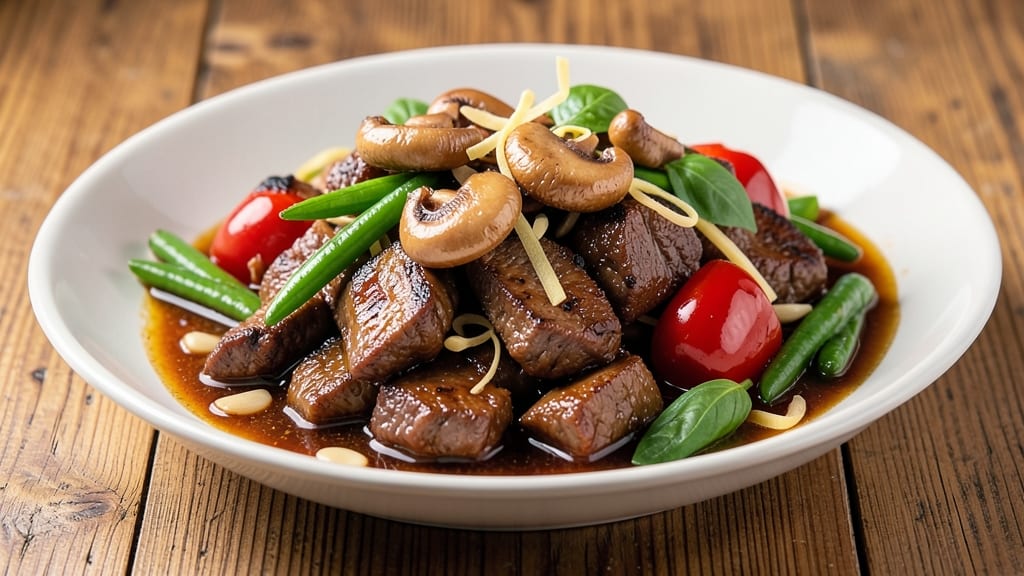
This beef and vegetable stir-fry sauce recipe transforms simple stir-fries into restaurant-quality meals with just three core ingredients—soy sauce, oyster sauce, and a touch of sweetness. The secret lies in balancing umami depth from oyster sauce with the tangy brightness of soy, creating a glaze that caramelizes beautifully during cooking.
I developed this sauce after years of testing, and it’s now my go-to for quick weeknight dinners that taste like they simmered for hours.
The magic happens when you combine garlic, ginger, and a splash of rice vinegar for acidity—this trio enhances the sauce’s complexity while cutting through the richness of beef. Unlike store-bought versions, this recipe avoids artificial additives, using only pantry staples for a flavor profile that’s both bold and versatile.
The sauce thickens as it cooks, clinging to vegetables and beef for maximum flavor in every bite.
What makes this sauce truly special is its make-ahead flexibility—store it in the fridge for up to two weeks or freeze it for months, ready to elevate any stir-fry in minutes.
Whether you’re cooking flank steak, bell peppers, or snap peas, this glaze delivers a perfect harmony of salty, sweet, and savory notes that stick with you long after the last bite.
Use it as a base for quick stir-fries, marinades, or even drizzled over noodles. The possibilities are endless, but the technique remains simple: blend, simmer, and taste as you go. Here’s how to make it.
Ingredients for beef and vegetable stir fry sauce
Three core ingredients plus a few pantry staples—this sauce delivers restaurant-style depth.
| Ingredient | Amount | Notes |
|---|---|---|
| Soy Sauce 🍶 | ½ cup | Light or dark variety preferred |
| Oyster Sauce 🦪 | ¼ cup | High-quality, no artificial additives |
| Brown Sugar 🍯 | ¼ cup | Light or dark, packed firmly |
| Garlic Cloves 🧄 | 4 cloves | Freshly minced for maximum flavor |
| Fresh Ginger 🌿 | 1 tbsp | Finely grated, not powdered |
| Rice Vinegar 🍶 | 1 tbsp | For brightness and acidity |
| Sesame Oil 🫒 | 1 tsp | Toasted sesame oil preferred |
| Cornstarch 🌾 | 1 tbsp | For thickening, not flour |
| Water 💧 | ¼ cup | For thinning as needed |
| Salt 🧂 | ½ tsp | To taste, adjust last |
The sauce’s soul lives in the soy sauce and oyster sauce—La Choy soy sauce and Lee Kum Kee oyster sauce are my go-tos, but any good-quality brands work. Brown sugar isn’t just for sweetness; it helps caramelize the sauce as it cooks, giving that glossy finish. Fresh garlic and ginger are non-negotiable here—they carry the aromatic punch. If you’re short on time, pre-minced garlic from the jar works, but fresh is always better. For ginger, a microplane makes grating it quick and fine. Rice vinegar adds that bright tang that cuts through the richness, so don’t skip it.
No oyster sauce? Hoisin sauce or a splash of fish sauce (if vegetarian, use soy sauce) gets you close. Running out of brown sugar? Honey or maple syrup works in a pinch, but the caramelization won’t be as deep. The sesame oil is for aroma—use the toasted kind if you’ve got it, but regular will do. Cornstarch is key for thickening; arrowroot powder works too if you’re out. The sauce should coat the back of a spoon but still glide smoothly—add water 1 tbsp at a time if it’s too thick. Taste as you go: balance is everything.
This sauce keeps like a champ. Store it in a sealed jar in the fridge for up to 2 weeks—it actually gets better as flavors meld. Freeze it for up to 6 months in ice cube trays for single-use portions. Before using, give it a quick stir and thin with a splash of water if it’s thickened up. Double the batch—it disappears fast. The sauce plays well with everything: beef, chicken, tofu, or even grilled veggies. Just don’t boil it hard, or it’ll break.
Why You'll Love This Recipe
- Pantry Magic: I swear by this sauce—no fancy shopping required. Just reach for soy and oyster sauce, toss in a thumb-sized ginger knob and a couple of garlic cloves, and you’re golden. The brown sugar gives it that perfect balance of sweet and savory without extra effort.
- Umami Bomb: That combo of oyster and soy sauce? It’s like a flavor explosion in your mouth. The garlic and ginger sizzle just enough to wake up every bite, and the brown sugar keeps it from being too heavy. Honestly, I’ve tried store-bought sauces, but this one’s always better.
- Double Duty: Make a big batch and use it for stir-fry and as a marinade for the beef. Leftover sauce? Drizzle it over rice bowls or even eggs the next morning. Between us, I’ve had this sauce last me a whole week—no waste, all flavor.
- Budget Win: Soy sauce, oyster sauce, and brown sugar are all affordable staples. A little goes a long way, and you won’t find a more cost-effective way to make beef and veggies taste restaurant-quality. Plus, it’s the kind of recipe that makes you feel like you’re cooking fancy without spending extra.
Step-by-step instructions for beef and vegetable stir fry sauce
This umami-packed sauce transforms simple stir-fry into a restaurant-worthy dish.
Combine the Base Ingredients
In a medium saucepan, pour in the 0.5 cup soy sauce, 0.25 cup oyster sauce, and 0.25 cup brown sugar. Stir gently over medium-low heat until the sugar begins to dissolve completely—this should take about 2-3 minutes. You'll notice the mixture darken slightly as the sugar caramelizes, adding depth of flavor.
Add the 4 cloves minced garlic and 1 tablespoon finely grated fresh ginger to the pan. Stir continuously for 1 minute until the garlic turns golden and the ginger releases its aromatic oils. This step is where the sauce builds its foundational flavor—don't rush it. The garlic should smell intensely fragrant, and the mixture should bubble gently but not boil.
Add Acid and Thicken the Sauce
Pour in the 1 tablespoon rice vinegar and stir to combine. The vinegar will brighten the sauce and cut through the richness of the oyster and soy sauces. Let the mixture simmer for 2 minutes until the vinegar's sharpness mellows into the blend. You'll see small bubbles form on the surface—this indicates the sauce is coming together.
In a small bowl, whisk together the 1 tablespoon cornstarch and 0.25 cup water until smooth. Slowly pour this slurry into the saucepan while stirring constantly. The sauce will begin to thicken immediately—you're looking for a glossy, syrupy consistency that coats the back of a spoon. If the sauce thickens too quickly, add 1 tablespoon water to adjust the texture.
Finish with Sesame Oil and Season
Remove the saucepan from heat and let it cool for 1 minute. Stir in the 1 teaspoon sesame oil—this adds a nutty aroma and rich depth that balances the other flavors. The oil should disperse evenly, giving the sauce a subtle shimmer.
Taste the sauce and adjust the seasoning with the 0.5 teaspoon salt if needed. The sauce should be perfectly balanced—sweet from the brown sugar, umami-rich from the oyster and soy sauces, with a bright acidity from the vinegar. If it's too thick after cooling, thin it with 1 teaspoon water at a time until it reaches a pourable consistency that clings beautifully to wok-fried beef and vegetables.
Pro Tips For Making Beef And Vegetable Stir Fry Sauce
- STIR ON MEDIUM-HIGH: That sauce needs to simmer, not boil—high heat burns the brown sugar and turns it bitter. I learned this the hard way after one disastrous batch where the sauce tasted like caramelized regret. Keep it at a gentle bubble, and taste as you go.
- GRATE THE GINGER FINE: No, "chopping" isn’t enough—you want it almost paste-like. I used to hack at it with a knife, and the sauce would taste like it was missing something. A microplane or fine grater ensures the ginger melts smoothly into the sauce, not just sits as chunks.
- ADD SUGAR LAST: Sugar burns faster than you think, especially when mixed with soy and oyster sauces. Wait until the garlic’s fragrant and the sauce is just starting to thicken—then stir in the brown sugar. This keeps it glossy, not grainy.
- SALT THE SAUCE BEFORE SERVING: Oyster sauce is already salty, and soy sauce packs a punch. Taste the sauce after it’s off the heat and adjust with a pinch of salt or a splash of water if it’s too thick. I used to overdo it, then wonder why everything tasted flat. Balance is everything.
Flavor customization for this recipe
Spicy Kick
For a fiery twist, add 1 teaspoon chili garlic sauce or ½ teaspoon red pepper flakes to the finished sauce. If using fresh chili, like Thai bird’s eye peppers, start with ½ teaspoon and adjust to taste—this adds heat without overpowering the umami.
For a balanced spicy-sweet combo, stir in 1 teaspoon honey after adding the sesame oil. 🌶️
Umami Boost
Deepening the umami flavor is easy with a few additions. Stir in 1 tablespoon fish sauce (or 1 teaspoon mushroom powder) for extra savory depth. For a vegetarian option, add 1 tablespoon miso paste and simmer for 2 minutes to blend flavors.
If you love oyster sauce, try 2 tablespoons oyster sauce instead of the original ¼ cup for an intensely rich sauce. 🦪
Sweet and Tangy
Balance the richness with extra brightness by adding 1 tablespoon lime juice or 1 teaspoon apple cider vinegar after cooking. For a tropical twist, mix in 1 tablespoon hoisin sauce and ½ teaspoon grated ginger—this works especially well with beef and pineapple stir-fries.
If you prefer a sweeter sauce, increase the brown sugar to ⅓ cup and add 1 teaspoon vanilla extract for a caramelized finish. 🍯
Herbaceous Infusions
Fresh herbs elevate the sauce’s complexity. Stir in 1 tablespoon chopped cilantro or thai basil right before serving for a bright, aromatic finish. For a more robust flavor, add 1 teaspoon dried oregano or ½ teaspoon smoked paprika while simmering.
If you’re using the sauce for a cold noodle dish, a splash of 1 teaspoon sesame paste adds a nutty depth. 🌿
Smoky Depth
Add a smoky dimension by incorporating ½ teaspoon liquid smoke or 1 teaspoon smoked paprika into the sauce. For a more intense flavor, char 1 clove garlic and ½ teaspoon ginger in a dry pan until blackened, then mash and add to the sauce.
This technique mimics the smoky flavors of a traditional wok. 🔥
Nutty Finish
For a richer texture, stir in 1 teaspoon peanut butter or 1 tablespoon tahini while the sauce is still warm. This works surprisingly well with beef and adds a creamy contrast. If you prefer crunch, sprinkle 1 teaspoon toasted sesame seeds or crushed peanuts on top of the finished dish.
For a more complex nutty flavor, add ½ teaspoon cinnamon or ½ teaspoon cardamom while simmering. 🥜
Nutrition facts
Frequently asked questions
Can I make this stir-fry sauce without oyster sauce?
For a vegetarian version, replace the oyster sauce with 2 tablespoons hoisin sauce or 1 tablespoon miso paste plus 1 tablespoon soy sauce. For non-vegetarian options, use 1 tablespoon fish sauce instead. The sauce will still be rich and flavorful, just with a slightly different umami profile.
How long does this sauce keep in the fridge?
This sauce stays fresh in an airtight container in the fridge for up to 2 weeks. The flavors actually improve over time as the ingredients meld together! For longer storage, freeze it in ice cube trays for 6 months
Can I use this sauce for other proteins besides beef?
Yes! This versatile sauce works beautifully with chicken, shrimp, tofu, or even grilled vegetables. For seafood, reduce the soy sauce slightly (¼ cup) to avoid overpowering delicate flavors. With pork, increase the brown sugar to ⅓ cup for extra caramelization. The key is balancing the sauce to complement your protein's natural flavors.
Why did my sauce turn out too thick/thin?
If your sauce is too thick, thin it with 1 teaspoon water at a time while stirring. For a thicker sauce, simmer uncovered for 2-3 extra minutes to reduce. The cornstarch slurry is your friend—if you used less (½ tablespoon), the sauce will be thinner. Always taste as you go and adjust gradually.
Can I make this sauce in a slow cooker?
While possible, it's not ideal. The sauce needs gentle heat to caramelize properly—slow cookers can make it too thin. Instead, simmer on the stovetop for 10-12 minutes on low heat, stirring occasionally. If you must use a slow cooker, add 1 extra tablespoon cornstarch and cook on low for 1 hour, then reduce on the stove.