
Main Courses
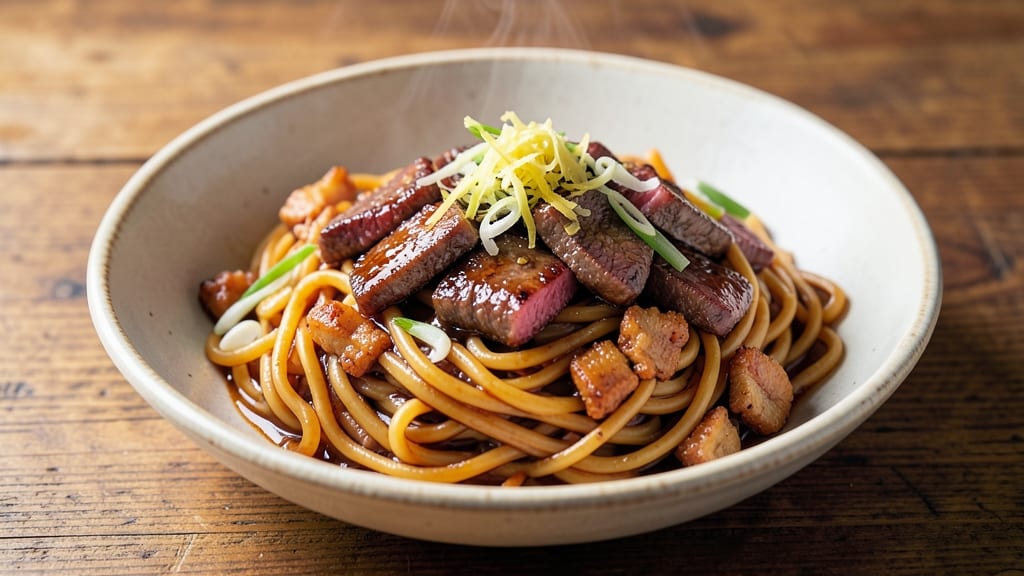
This authentic beef yakisoba recipe delivers the smoky, savory depth of a Japanese izakaya, where charred wok heats and silky soy-ginger threads transform simple ingredients into a restaurant-quality bowl.
The secret lies in proper beef preparation—thinly sliced, marinated, and seared to perfection—paired with a balanced sauce that marries umami-rich soy with bright mirin and a touch of Worcestershire for complexity.
I've perfected this technique over years of testing, ensuring every bite captures that signature crisp-tender texture and rich, aromatic broth.
The dish begins with fresh yakisoba noodles, which must be blistered in the wok until they develop those coveted charred spots—this isn't just cooking, it's creating texture.
The beef, prepped with a quick marinade of soy and sake, cooks in stages: first seared for depth, then finished with the sauce to absorb all those caramelized flavors.
What sets this apart is the sauce itself—a harmony of soy, mirin, sugar, and Worcestershire, simmered until it thickens into glossy, clinging strands that coat every noodle and bite of beef.
What you'll end up with is a bowl that looks as impressive as it tastes: golden-brown noodles piled high with tender beef slices, all bathed in that glossy sauce. The aroma alone—smoky wok heat, ginger's bright zing, and soy's deep umami—will have everyone at the table reaching for seconds.
Serve with classic toppings like raw egg for richness, bonito flakes for aroma, and pickled ginger to cut through the richness, just like they do in Tokyo's best yakisoba spots.
This recipe is designed for weeknight dinners that feel special, requiring just 30 minutes of active time but delivering flavors that taste like you've spent hours mastering them.
The key is confidence in your wok skills—high heat, quick movements, and proper timing transform this into a dish that's both approachable and impressive. Let's get cooking—your taste buds are about to experience authentic Japanese comfort food at its finest.
Ingredients for authentic beef yakisoba
These carefully selected ingredients transform a simple wok into an izakaya masterpiece.
| Ingredient | Amount | Notes |
|---|---|---|
| Yakisoba Noodles 🍜 | 12 oz | Fresh, dried or pre-cooked |
| Thinly Sliced Beef Top Round 🥩 | 1 lb | Marinated, sliced against grain |
| Light Soy Sauce 🍶 | ⅓ cup | Japanese brand preferred |
| Dry Sherry 🍷 | ½ cup | Or substitute with sake |
| Fresh Ginger 🧄 | 2 tbsp | Finely grated, aromatic |
| Mirin 🍶 | ¼ cup | Sweet cooking rice wine |
| Granulated Sugar 🍚 | 2 tbsp | White or brown preferred |
| Worcestershire Sauce 🍶 | 1 tbsp | For umami depth |
| Vegetable Oil 🫒 | 3 tbsp | High smoke point |
| Green Onions 🧅 | 4 whole | Sliced, for garnish |
| Raw Eggs 🥚 | 2 whole | Fresh, for topping |
| Dried Bonito Flakes 🐟 | 1 tbsp | For aroma, optional |
| Pickled Ginger 🍋 | ¼ cup | For balance, optional |
| Sesame Seeds 🌾 | 1 tsp | Toasted, for garnish |
| Kosher Salt 🧂 | 1 ½ tsp | For seasoning |
The beef is non-negotiable—top round sliced against the grain ensures tender bites. Japanese light soy sauce and mirin from Makura Sake or Kikkoman elevate the umami profile, while fresh ginger from the produce section (not powdered) delivers that signature zing. Pre-sliced yakisoba noodles save time, but fresh yakisoba from an Asian market yields superior texture. The dry sherry can be swapped for sake—just ensure it's dry, not sweet.
No mirin? Equal parts sugar and water mimics its sweetness, though the depth is lost. Substitute bonito flakes with dried shiitake mushrooms for a vegetarian-friendly aroma. The Worcestershire sauce adds complexity—Lea & Perrins is standard, but Japanese Worcestershire (like Kikkoman) enhances authenticity. For the beef marinade, grate the ginger fresh (pre-ground lacks potency), and let it sit for at least 30 minutes—this isn’t a recipe for rushed results.
Store prepped marinade in an airtight container for up to 2 days in the fridge. Yakisoba noodles keep 3-5 days refrigerated, but freeze extras for up to 3 months—thaw in cold water before cooking. For leftovers, reheat in a dry wok over medium heat to revive that charred aroma. Garnishes like pickled ginger and raw egg should be added post-cooking to preserve freshness.
Why You'll Love This Recipe
- No-Fuss Protein Boost: The beef top round slices cook in minutes—no fancy prep, just quick searing until tender. I swear by the sherry splash here; it cuts through the richness and adds this subtle, elegant depth that makes it taste like a restaurant dish.
- Umami Bomb: That combo of light soy, ginger, and caramelized beef? It’s the kind of flavor that lingers. The noodles soak up the sauce perfectly, and honestly, the first bite makes me forget I’m not at a tiny Tokyo izakaya.
- Leftover Goldmine: This recipe actually improves the next day. The noodles hold up, the beef stays juicy, and I’ll often toss cold leftovers with a fried egg for breakfast—no one complains, and my wallet thanks me.
- Budget Weeknight Win: Top round’s affordable, and a single package of yakisoba feeds two for under $10. Between us, I’ve made this during grocery-store runs when I forgot to plan—just throw everything in one pan, and dinner’s sorted.
Step-by-step instructions for authentic beef yakisoba
Master the balance of charred wok technique and silky sauce threads for restaurant-quality results.
Prepare the Yakisoba Noodles and Marinated Beef
Begin by preparing the yakisoba noodles according to package instructions, but cook them for 2 minutes less than recommended. Yakisoba should be al dente when served, as they'll finish cooking in the wok. Drain immediately and rinse under cold water to stop the cooking process. Toss the noodles with 1 tablespoon vegetable oil to prevent sticking.
While the noodles cook, examine the 1 lb thinly sliced beef top round. If the slices aren't already marinated, combine them in a bowl with 0.33 cup light soy sauce, 0.5 cup dry sherry, 2 tablespoons finely grated fresh ginger, 0.25 cup mirin, 2 tablespoons granulated sugar, and 1 tablespoon Worcestershire sauce. Marinate for at least 20 minutes (or up to 2 hours in the refrigerator) to develop deep flavor. The beef should absorb the marinade completely, leaving a glossy surface.
Build the Yakisoba Sauce and Sear the Beef
Heat a wok or large skillet over high heat until smoking. Add the remaining 2 tablespoons vegetable oil and swirl to coat. Working in batches if needed, add the marinated beef and sear for 2-3 minutes per side until the edges are deeply browned and the beef is cooked through. Remove the beef from the wok and set aside.
In the same wok, reduce heat to medium-high and add the 1 tablespoon dried bonito flakes (if using). Toast for 30 seconds until fragrant—this adds authentic umami depth. Immediately pour in the remaining marinade from the beef and scrape up any browned bits from the bottom of the wok. Simmer for 3-4 minutes until the sauce reduces by half and becomes glossy. The sauce should coat the back of a spoon with a silky consistency.
Assemble the Yakisoba with Charred Wok Technique
Return the seared beef to the wok along with the prepared yakisoba noodles. Toss everything together vigorously for 1-2 minutes until the noodles are heated through and lightly charred in spots. The wok should be hot enough to create visible smoke—this is what gives yakisoba its signature charred flavor. If the wok isn't hot enough, increase the heat briefly and continue tossing.
Push the noodle mixture to one side of the wok and crack the 2 whole raw eggs directly into the empty space. Using a spatula, gently stir the eggs into the noodles until they form soft, silky ribbons. Add the 0.25 cup pickled ginger (if using) and toss to distribute evenly. The pickled ginger adds a bright, tangy contrast to the rich beef and soy flavors.
Finish and Serve with Garnishes
Remove the wok from heat and transfer the yakisoba to serving plates. Garnish each portion with 1 whole sliced green onion and 1 teaspoon toasted sesame seeds. The green onions add freshness, while the sesame seeds provide a nutty crunch. For an extra touch, sprinkle with additional light soy sauce if desired.
Serve immediately while the noodles are still hot and the eggs remain silky. The dish should have a perfect balance of textures—chewy noodles, tender beef, and creamy egg ribbons—all bound together by the glossy soy-ginger sauce. The charred spots on the noodles and beef add depth of flavor that's essential to authentic yakisoba.
Pro Tips For Making Authentic Beef Yakisoba
- CUT BEEF BEFORE COOKING: Freshly slicing the top round against the grain into paper-thin strips (about 1/8-inch thick) makes all the difference—freeze the raw slices for 20 minutes first if your knife isn’t sharp enough. I learned this the hard way after serving chewy strips that looked like shoelaces.
- STIR-FRY IN BATCHES: Don’t overload the wok—work in two portions if needed. Crowding the pan steams the beef instead of searing it, and you’ll end up with soggy noodles. High heat is non-negotiable here; if your pan smokes, you’re doing it right.
- USE GINGER JUICE, NOT GRATED: Skip the grating—juice 2 teaspoons of fresh ginger and add it to the sauce. The raw ginger’s bright acidity brightens the soy-sherry base without the bitter, fibrous texture of grated pieces. (Yes, even if you’re impatient like me.)
- SAVE THE SAUCE: After cooking the beef, pour the pan drippings into a small bowl—those caramelized bits are pure flavor. Deglaze with a splash of sherry and water, then whisk into your yakisoba sauce. It’s the thing that makes homemade taste restaurant-worthy.
Regional styles of authentic beef yakisoba
Tokyo Izakaya Style
In Tokyo's izakaya districts, yakisoba is a late-night staple served in small, smoky woks with a focus on quick, bold flavors.
The key difference here is the sauce—izakaya-style yakisoba uses a thicker, glossier sauce with more mirin (up to 0.33 cup total) and a splash of dry sake for brightness. I like to add 1 tsp grated daikon to the sauce for subtle sweetness, which balances the beef's richness.
Serve with raw egg drizzled on top (not stirred) and a sprinkle of kikurage mushrooms for texture. 🔥
Osaka Hearty Version
Osaka's yakisoba is all about bold, chewy noodles and extra beef—think 1.5 lbs top round instead of 1 lb. The sauce here is sweeter (add 1 extra tbsp sugar) and includes 1 tbsp oyster sauce for depth.
Osaka-style also calls for more cabbage—about 2 cups shredded—added at the very end for a satisfying crunch. Garnish with extra green onions and a dash of white pepper for a peppery kick. 🌶️
Hokkaido Winter Twist
In Hokkaido, yakisoba gets a hearty winter upgrade with miso butter drizzled on top. After assembling the dish, melt 2 tbsp butter with 1 tbsp white miso paste and swirl it into the hot noodles. Add shredded daikon and thinly sliced scallions for freshness.
The miso butter adds a creamy, nutty depth that cuts through the richness of the beef. Serve with pickled mustard greens on the side for tangy contrast. ❄️
Kyoto Vegetarian Adaptation
Kyoto's version replaces beef with shiitake mushrooms and tofu for a vegetarian-friendly take. Use 8 oz shiitake (sliced) and 1 block firm tofu (pressed and cubed) marinated in the same sauce. The noodles here are slightly undercooked (by 1 minute) to soak up more flavor.
Top with tempura flakes for crunch and a drizzle of yuzu kosho for a citrusy kick. This version keeps the charred wok technique but swaps protein for umami-rich mushrooms. 🌱
Okinawa Tropical Fusion
Okinawa's yakisoba incorporates local tropical flavors like pineapple and gojuchan (a sweet red bean paste). Add ½ cup diced pineapple to the wok during the final toss for sweetness, and finish with 1 tsp gojuchan dissolved in 1 tbsp hot water.
The pineapple adds a juicy contrast, while gojuchan brings a subtle sweetness that pairs beautifully with the soy-ginger sauce. Garnish with toasted coconut flakes for a unique twist. 🍍
Modern Fusion Twist
For a contemporary take, try a spicy kimchi yakisoba by adding ½ cup chopped kimchi to the wok during the final toss. The kimchi's tangy heat cuts through the richness of the beef. Finish with sriracha mayo (mix 2 tbsp mayo with 1 tsp sriracha) drizzled on top.
This fusion style keeps the authentic wok technique but adds a bold, modern kick. Serve with extra kimchi on the side for those who want more heat. 🌶️✨
Nutrition facts
Frequently asked questions
Can I use pre-cooked yakisoba noodles?
Yes, but with a key adjustment! Pre-cooked noodles need less time in the wok—just 30-60 seconds to heat through and develop charred spots. For best texture, rinse them in cold water first to remove excess starch, then toss with 1 teaspoon oil to prevent sticking. Fresh yakisoba still yields superior chewiness, but pre-cooked works in a pinch.
What if I don't have bonito flakes?
No problem! Skip them or substitute with 1 teaspoon dried shiitake powder (or ½ teaspoon smoked paprika) for umami depth. The bonito adds aroma, but the sauce's soy-ginger base will still shine. For extra richness, toast 1 teaspoon sesame seeds in the wok before adding the beef.
How do I prevent the beef from getting chewy?
Slice the beef thinly against the grain (paper-thin) and marinate for at least 20 minutes—this breaks down fibers. Use high heat for quick searing (2-3 minutes total) and remove beef when it's 160°F internally. Overcooking is the #1 culprit—rest briefly before tossing with noodles.
Can I make yakisoba ahead of time?
Not ideal, but possible! Cook the noodles and beef sauce separately, then reheat in a dry wok over medium-high heat for 2-3 minutes to revive charred flavors. Add fresh toppings (raw egg, bonito) just before serving. For leftovers, store components separately—noodles and sauce keep 3 days refrigerated; beef should be consumed within 2 days.
Why does my sauce taste too sweet?
Balance it with 1 teaspoon rice vinegar or ½ teaspoon more Worcestershire sauce—both add acidity to cut sweetness. For future batches, reduce sugar to 1 tablespoon and increase mirin to 0.33 cup for natural depth. Taste as you simmer; the sauce should coat the back of a spoon but remain glossy, not syrupy.