
Soups & Stews
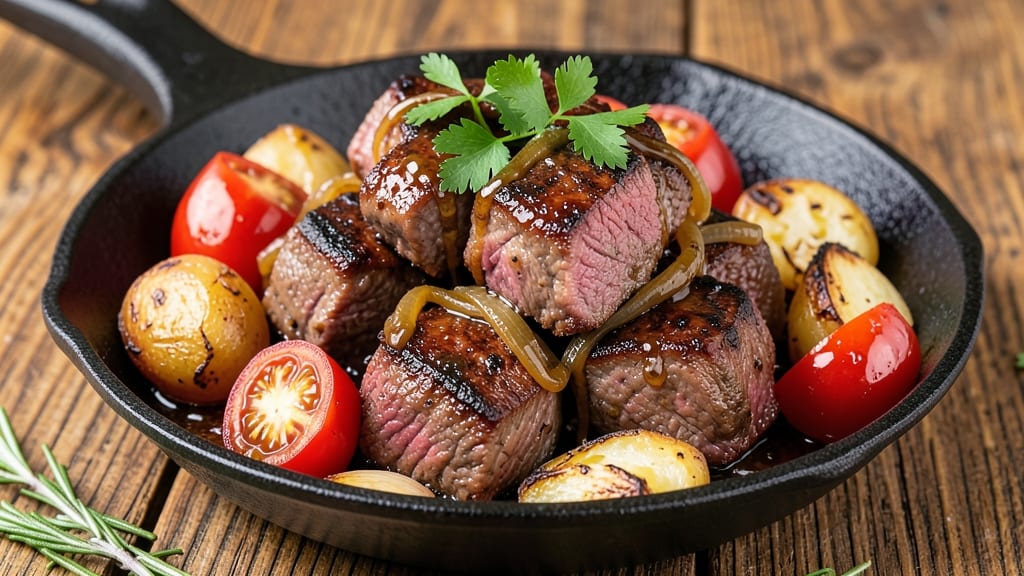
The authentic beef pares recipe brings the soul of Filipino home cooking to your table with its rich, slow-braised flavors. This dish transforms tough beef into tender, melt-in-your-mouth pieces swimming in a deep, savory tomato sauce.
The key lies in the traditional method—browning the beef, caramelizing onions and garlic, and letting it simmer until the sauce thickens into a luxurious fond. Every bite delivers layers of umami and comfort that define Filipino comfort food.
What sets this recipe apart is its balance of simplicity and depth. You start with basic ingredients—beef, potatoes, carrots, and tomatoes—but the slow cooking process transforms them into something extraordinary. The beef develops a tender texture while absorbing the flavors of the sauce, which becomes richer as it reduces.
This dish is perfect for family gatherings or cozy weeknight dinners, offering hearty satisfaction with minimal fuss. The aroma alone will have everyone anticipating dinner.
By the time you serve this dish, you’ll have a steaming pot of beef pares with perfectly tender beef, soft potatoes, and vibrant carrots—all bathed in a glossy, flavorful sauce. The sauce clings to every bite, delivering that unmistakable Filipino taste that’s both comforting and deeply satisfying.
Serve it with steamed rice to soak up every last drop of that rich, savory goodness.
This recipe stays true to its roots while being accessible for home cooks. The slow-braised method ensures deep flavor without requiring advanced techniques, making it a reliable choice for anyone looking to recreate the taste of home.
Whether you're cooking for a crowd or treating yourself to a taste of nostalgia, this beef pares recipe delivers authenticity and warmth in every spoonful.
Ingredients for authentic beef pares
Six ingredients transform tough beef into melt-in-your-mouth perfection through slow-braised magic.
| Ingredient | Amount | Notes |
|---|---|---|
| Beef Chuck Roast 🥩 | 3 lb | Cut into 1.5-inch cubes |
| Yellow Onions 🧅 | 3 whole | Sliced into half-moons |
| Garlic Cloves 🧄 | 8 cloves | Minced for depth |
| Russet Potatoes 🥔 | 2 lb | Cut into 2-inch chunks |
| Carrots 🥕 | 1 ½ lb | Whole, peeled and cut |
| Tomatoes 🍅 | 2 cups | Crushed San Marzano preferred |
| Tomato Paste 🍅 | ½ cup | For rich sauce base |
| White Vinegar 🍶 | ¼ cup | Brightens flavors |
| Bay Leaves 🌿 | 2 whole | Fresh for best aroma |
| Black Peppercorns 🌶️ | 1 tbsp | Crushed for heat |
| Salt 🧂 | 2 tsp | Diamond Crystal preferred |
| Olive Oil 🫒 | ½ cup | For browning beef |
| Sugar 🍯 | 1 tbsp | Balances acidity |
| Soy Sauce 🍶 | ¼ cup | For umami depth |
The beef is everything here—chuck roast with good marbling breaks down beautifully. Look for well-trimmed cuts at Whole Foods or your local butcher; pre-cubed saves time but costs more. If you're buying a whole roast, ask for it to be cut into 1.5-inch chunks—they'll thank you. The onions and garlic are the flavor anchors, so don't skimp on quantity. Spanish onions add sweetness, but yellow works fine. For the tomatoes, San Marzano is the gold standard, but any high-quality canned tomatoes will do—just crush them by hand for that restaurant-quality texture.
No San Marzano tomatoes? Crushed tomatoes in a squeeze tube (like Trader Joe's) work perfectly—they're convenient and keep the sauce vibrant. Short on soy sauce? Worcestershire sauce at half the amount adds similar umami punch. The vinegar can be swapped for lemon juice at the same quantity, though it'll be slightly less tangy. For the potatoes and carrots, baby versions are fine, but larger pieces stay intact better during cooking. And if you're worried about the beef being too tough, pound the chunks slightly before browning—they'll tenderize faster.
This dish tastes even better the next day as flavors meld. Store leftovers in the fridge for up to 5 days or freeze for 3 months. The sauce thickens as it cools, so add a splash of water when reheating. For meal prep, portion into containers with rice—it reheats beautifully. The fond at the bottom of the pot? That's pure flavor gold—deglaze with a little water and stir it back in before serving. Trust me, it's worth the extra minute.
Why You'll Love This Recipe
- One-Pot Magic: I swear by this recipe because it’s all in one Dutch oven—no chopping boards, no extra pans. Toss in the beef, onions, garlic, potatoes, and carrots, then let the slow simmer do the work. Honestly, the cleanup is so minimal I’ll take it over any other beef dish.
- Deep Umami Bomb: That beef chuck roast? Slow-cooked until it’s fall-apart tender, then braised with onions and garlic until the sauce is rich and glossy. Between us, the way the potatoes soak up the flavor—creamy outside, fluffy inside—is the kind of taste that sticks with you.
- Budget-Friendly Crowd-Pleaser: A chuck roast is cheap, potatoes and carrots stretch forever, and the flavor? Ridiculously satisfying. It’s the kind of dish that feeds a family of four for under $20 and still feels like a special occasion. (Yes, even on a Tuesday night.)
Step-by-step instructions for authentic beef pares
Master this traditional French technique for melt-in-your-mouth beef and vegetables.
Sear the Beef Chuck Roast for Deep Flavor
Heat a Dutch oven over medium-high heat and add 0.5 cup olive oil. Once shimmering, add the 3 lb beef chuck roast cut into 1.5-inch cubes in a single layer. Let them sear undisturbed for 3-4 minutes until deeply browned on all sides. This step creates the fond—the flavorful browned bits—that forms the base of your sauce.
Real talk: Don't crowd the pan. If you need to work in batches, that's fine, but keep the heat steady. Once browned, remove the beef and set aside. You'll add it back later, and the residual heat will keep it warm. The onions and garlic will take their turn in this same pan shortly.
Build the Aromatic Base with Onions and Garlic
In the same Dutch oven, add the 3 whole yellow onions sliced into half-moons. Cook them over medium heat for 8-10 minutes until softened and beginning to caramelize at the edges. This is where the magic starts—those caramelized onions will infuse the entire dish.
After the onions are tender, add the 8 cloves minced garlic cloves and cook for 1 minute until fragrant. Be careful not to let the garlic burn—it should smell like heaven, not like a campfire. This aromatic base is the foundation of your beef pares, so take your time here. The onions should be golden in spots, not just pale and translucent.
Add Vegetables and Initial Braising Liquid
Return the seared beef to the Dutch oven. Add the 2 lb russet potatoes cut into 2-inch chunks, 1.5 lb carrots (peeled and cut), 2 cups crushed tomatoes, 0.5 cup tomato paste, 0.25 cup white vinegar, 2 whole bay leaves, 1 tbsp crushed black peppercorns, and 2 tsp salt. Stir everything together to combine.
Here's the thing—this initial braising liquid needs to be just enough to come halfway up the vegetables. If it looks too thin, add ½ cup water. If it's too thick, add a splash more. The goal is to create a gentle simmer that cooks the beef and vegetables slowly. Cover the Dutch oven and bring to a simmer over medium heat.
Slow-Braise Until Tender and Sauce Develops
Once simmering, reduce heat to low and let the beef pares cook uncovered for 2.5-3 hours. This slow cooking is critical—it breaks down the connective tissue in the beef and vegetables, creating that signature melt-in-your-mouth texture. You'll know it's ready when the beef is fork-tender and the sauce has thickened into a rich, glossy fond.
Check the beef after 2 hours—it should be falling apart easily. If it's not quite there, add ¼ cup water and continue cooking. The sauce should coat the back of a spoon and have a deep, caramelized color. If it's too thin, uncover and let it reduce for another 15-20 minutes.
Finish with Umami and Balance Flavors
Once the beef is tender, stir in the 1 tbsp sugar and 0.25 cup soy sauce. These final ingredients balance the acidity of the vinegar and add umami depth. Let the mixture simmer uncovered for another 10 minutes to allow the flavors to meld. Taste and adjust seasoning—you might need a touch more salt or pepper to your liking.
The result should be a dish where each bite delivers perfectly tender beef, caramelized vegetables, and a sauce that clings to every forkful. Serve immediately with crusty bread to soak up every last bit of that rich fond. This is the authentic French technique that transforms simple ingredients into something extraordinary.
Pro Tips For Making Authentic Beef Pares
- Sear the Chuck Hard: Don’t just brown the beef chuck roast—get it deep golden, even black in spots. I learned this the hard way after serving a pale roast that tasted undercooked. Use a hot, dry skillet and leave it alone for 3-4 minutes per side. The crust locks in flavor and keeps the meat juicy during the long braise.
- Cut Potatoes Uniformly: Chunky potatoes turn to mush, while thin, even slices caramelize perfectly. Aim for ½-inch thick rounds—thicker pieces stay tough, thinner ones burn. Russets hold up better than waxy potatoes, but don’t skip the parboil (5 minutes in salted water) before adding them to the pot.
- Don’t Overcrowd the Pot: Tossing in all the veggies at once steams them instead of browning. Layer ingredients in stages: onions and garlic first, then carrots, then potatoes. If the pot’s too packed, the beef won’t develop that rich fond with the vegetables. A 6-quart pot is your friend here.
- Deglaze with White Wine: Skip the water or broth—deglaze that skillet with ½ cup dry white wine after searing the beef. It cuts through the fat, adds brightness, and balances the richness of the chuck. If you’re skipping wine, use an extra splash of beef stock, but the acidity makes all the difference.
Creative variations of authentic beef pares
Filipino Home-Style
This is the classic version you'd find in Filipino homes—simple but packed with flavor. The key is letting the beef and vegetables simmer until they're fork-tender, about 2.5-3 hours on low heat.
I like adding a splash of calamansi juice (or substitute with lemon juice) at the end for that signature Filipino tang. Serve with steamed rice and a side of sinigang (sour tamarind soup) for a true Filipino feast. 🌶️
Slow-Cooker Adaptation
For a hands-off version, brown the beef in a skillet first, then transfer everything to a 6-quart slow cooker. Cook on low for 8 hours or high for 5 hours. The slow cooker keeps the beef incredibly tender while developing deep flavors.
I add 1 extra cup of water to prevent sticking, and the sauce thickens beautifully as it cooks. Perfect for busy weeknights! ⏰
Spicy Kick Version
Add 1 tbsp siling labuyo (Filipino chili) paste or 1 tbsp sriracha with the soy sauce for heat lovers. For extra spice, sprinkle ½ tsp ground black pepper and 1 tsp crushed red pepper flakes into the sauce.
Balance the heat with an extra ½ cup water to keep the sauce from becoming too thick. Garnish with chopped green onions and cilantro for freshness. 🔥
Vegetarian Twist
Swap the beef for extra-firm tofu or mushrooms (like portobello or shiitake). Press tofu to remove excess water, then pan-fry until golden before adding to the pot. Mushrooms add a meaty texture—use 1.5 lbs sliced thickly.
The slow-cooking process helps them absorb the rich tomato sauce beautifully. Add 1 tbsp soy sauce extra to compensate for the lack of meaty umami. 🌱
Creamy Potato Topping
For a restaurant-style finish, mash ½ cup of the cooked potatoes with 2 tbsp heavy cream and 1 tbsp butter, then spread over the top of the stew in the last 10 minutes of cooking.
The cream melts into the sauce, creating a velvety layer. Garnish with extra carrots and onions for color and texture. This version feels extra indulgent! ✨
Nutrition facts
Frequently asked questions
What makes this beef pares recipe authentic?
Authenticity comes from the slow-braising technique and traditional Filipino ingredients. The beef is seared first to create a rich fond, then simmered for 2.5-3 hours with tomatoes, vinegar, and spices. The sauce thickens naturally, creating that signature deep, savory flavor.
Can I use a different cut of beef?
Chuck roast is ideal for its marbling, but you can substitute with brisket or short ribs. Avoid lean cuts like sirloin—they won't tenderize as well. If using ribs, trim excess fat and cut into 1.5-inch pieces for even cooking.
How do I know when the beef is tender?
The beef is ready when it easily falls apart with a fork. Check after 2 hours—if it's still tough, add ¼ cup water and cook another 30 minutes. The sauce should coat the back of a spoon and cling to the beef.
Can I make this in an Instant Pot?
Yes! Sear the beef first, then add all ingredients and cook on high pressure for 45 minutes. Release pressure naturally, then simmer uncovered for 10 minutes to thicken the sauce. The Instant Pot cuts cooking time to 1 hour total.
What if my sauce is too thin?
Simmer uncovered for 15-20 minutes to reduce it. If it's still too thin, remove the lid and cook another 10 minutes. For extra richness, stir in 1 tbsp tomato paste or 1 tbsp cornstarch mixed with water.