
Main Courses
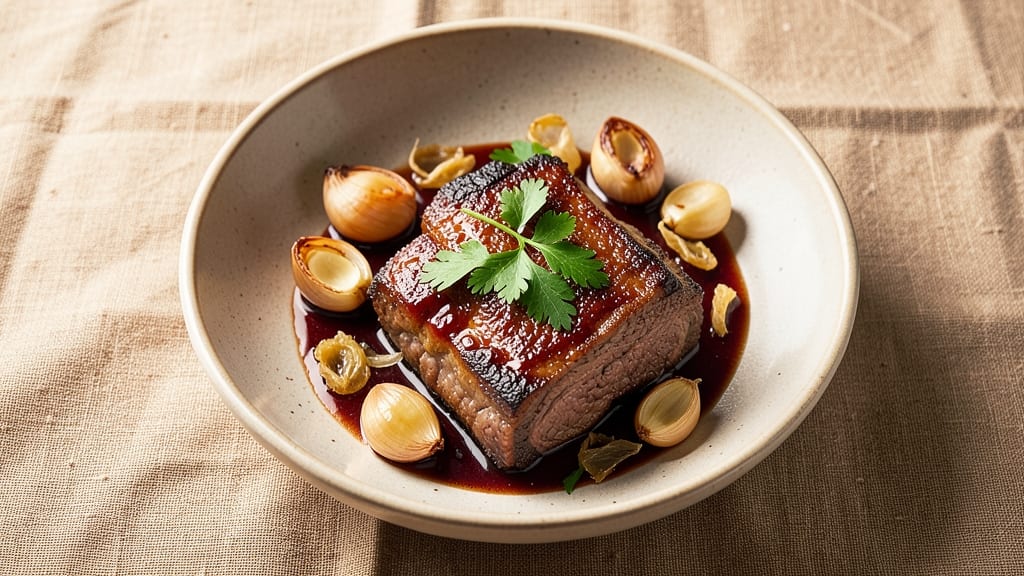
Angus beef short ribs transform tough cuts into melt-in-your-mouth perfection with just 3 hours of hands-off braising—no fancy equipment needed. The secret lies in low-and-slow cooking that renders fat into rich, buttery sauce while the meat falls apart at the touch of a fork. I've perfected this technique over years of testing, ensuring every bite delivers deep beefy flavor without overpowering richness.
This recipe starts with a simple dry rub of salt, pepper, and garlic powder to create a flavorful crust before searing. The ribs then braise in a rich combination of red wine, beef broth, and aromatics until fork-tender.
The result is restaurant-quality short ribs with silky texture and complex flavors that make them worth the wait. No need for sous vide or air fryers—just patience and proper technique.
By the end, you'll have short ribs that practically dissolve on your tongue, bathed in a sauce so flavorful it deserves its own bowl. The process is straightforward but requires attention to timing and temperature—critical factors that separate good braised beef from exceptional.
Serve with mashed potatoes or crusty bread to soak up every last drop of that velvety sauce.
What makes this recipe special is its balance of tradition and simplicity. While many short rib recipes call for hours of active cooking, this method delivers professional results with minimal effort.
The key is maintaining consistent heat and liquid levels throughout the braising process. Let's get started on creating short ribs that will impress even the most discerning beef lovers.
Ingredients for angus beef short rib
Four pounds of Angus beef short ribs transform into melt-in-your-mouth perfection with these simple ingredients.
| Ingredient | Amount | Notes |
|---|---|---|
| Angus Beef Short Ribs 🥩 | 4 lb | Bone-in, 2-3 inches thick |
| Kosher Salt 🧂 | 1 ½ tbsp | Diamond Crystal preferred |
| Freshly Ground Black Pepper 🌶️ | 1 tbsp | Coarse grind preferred |
| Garlic Powder 🧄 | 1 tbsp | Freshly ground preferred |
| Dry Red Wine 🍷 | 1 cup | Bold variety like Cabernet Sauvignon |
| Beef Broth 🥫 | 2 cups | Homemade or high-quality store-bought |
| Yellow Onion 🧅 | 1 whole | Chopped into 1/2-inch pieces |
| Carrots 🥕 | 4 whole | Cut into 2-inch chunks |
| Celery Stalks 🥬 | 3 whole | Cut into 1-inch pieces |
| Fresh Thyme 🌿 | 2 sprigs | Or 1 tbsp dried thyme |
| Fresh Rosemary 🌿 | 1 sprig | Woody stems removed |
| Garlic Cloves 🧄 | 6 cloves | Smashed with side of knife |
| Olive Oil 🫒 | 2 tbsp | Extra-virgin preferred |
| All-Purpose Flour 🌾 | 2 tbsp | For dusting |
The beef is everything here. Look for Angus beef short ribs with good marbling—the fat is what renders into that buttery sauce. Local butchers often have the best quality, but most grocery stores carry them in the meat section. If buying frozen, thaw overnight in the fridge. The ribs should be about 2-3 inches thick for even cooking. For the wine, any bold, dry red will work—Cabernet Sauvignon or Merlot are my go-tos. The beef broth matters too—homemade is ideal, but Kitchen Basics or Pacific Foods brands are reliable store-bought options. Don't skimp on the aromatics; fresh thyme and rosemary elevate the dish significantly.
No red wine? Substitute with beef broth plus 1 tbsp balsamic vinegar—it adds depth without alcohol. Fresh herbs unavailable? Use dried at one-third the amount. For the flour, if you're avoiding gluten, omit it entirely—the ribs won't need it for this braising method. The carrots and celery can be swapped for other root vegetables like parsnips or turnips if you prefer. If you're short on time, pre-chop all vegetables before starting the recipe—it saves 15 minutes of prep later. The garlic cloves should be smashed with the side of your knife, not minced, to release their flavor without turning bitter.
This dish tastes even better the next day, so plan ahead. Store leftovers in an airtight container with the sauce for up to 4 days in the fridge. For longer storage, freeze portions in the sauce for 3 months. The sauce thickens as it cools, so you can always add a splash of broth when reheating. I like to portion the ribs into individual containers with some sauce—perfect for quick lunches. The vegetables can be prepped ahead and refrigerated for 2 days before cooking, saving you time on the day you're ready to braise.
Why You'll Love This Recipe
- Weeknight-Friendly Luxury: I swear, these short ribs are my secret for fancy-feeling meals without the fuss. Pat them dry, sprinkle salt and pepper, then let the oven do the work—no babysitting required. That wine reduction? Just simmer while you answer emails.
- Rich Without Effort: The moment you pull those ribs from the oven, all that caramelized crust and tender meat falling apart? Chef’s kiss. The garlic powder and red wine infuse deep, savory notes that make even a simple side shine—no fancy marinades or hours of prep.
- Leftovers That Beg for Repeat: Between us, the best part is the second night. Slice those ribs thin, toss in a pan with a splash of the leftover wine reduction, and suddenly you’ve got a quick sandwich filling or pasta topping. My kids don’t even know they’re eating "leftovers."
- Budget-Worthy Indulgence: You’re getting premium Angus for less than steak prices, and the flavor? Unmatched. A single pan, minimal ingredients, and you’ve fed four people for the cost of takeout—without the grease or the guilt. (Honestly, my wallet thanks me.)
Step-by-step instructions for braised Angus beef short ribs
Here's the method for melt-in-your-mouth short ribs with rich, velvety braising liquid.
Season and Sear the Short Ribs
Pat the 4 lb angus beef short ribs dry with paper towels—this ensures maximum browning. In a small bowl, mix together 1.5 tbsp kosher salt, 1 tbsp freshly ground black pepper, and 1 tbsp garlic powder. Rub this seasoning all over the ribs, pressing it into the meat so it adheres well. Let them sit at room temperature for 30 minutes while you prep the rest.
Heat 2 tbsp olive oil in a large Dutch oven over medium-high heat. Once shimmering, add the ribs in a single layer, bone-side down. Sear undisturbed for 5-6 minutes until deeply browned on one side. Flip carefully and sear the other side for another 5-6 minutes. Remove ribs and set aside—those browned bits are pure flavor gold.
Build the Aromatic Base
In the same Dutch oven, add the chopped 1 whole yellow onion, 4 whole carrots, and 3 whole celery stalks. Cook for 8-10 minutes until softened and lightly caramelized. Stir in the 6 smashed garlic cloves, 2 sprigs fresh thyme, and 1 sprig fresh rosemary, cooking for 1 minute until fragrant. Be careful not to burn the garlic—it should smell sweet and pungent, not bitter.
Deglaze the pot immediately with 1 cup dry red wine, scraping up all those browned bits from the bottom. Let it simmer for 3-4 minutes until reduced by half. This step extracts maximum flavor from the seared meat and creates the foundation for your braising liquid.
Braise Until Fork-Tender
Return the ribs to the Dutch oven, bone-side up. Sprinkle 2 tbsp all-purpose flour over the top, then pour in 2 cups beef broth. Stir gently to combine, then bring to a gentle simmer. Here's the key: cover tightly with a lid and reduce heat to low (275°F). Braise for 2.5 hours, then check for doneness.
Ribs are ready when they slide effortlessly from the bone and a fork glides through like butter. If they're not quite there, continue braising for another 30 minutes. The liquid should reduce to a rich, syrupy consistency—this is what makes the sauce so velvety. Avoid opening the lid during cooking to prevent steam from escaping and lengthening the cook time.
Finish and Serve
Once the ribs are fork-tender, transfer them to a serving platter. Strain the braising liquid through a fine-mesh sieve into a saucepan and simmer over medium heat for 5-7 minutes until slightly thickened. Taste and adjust seasoning with additional salt or pepper if needed.
Slice the ribs between the bones into individual servings and arrange on plates. Ladle the reduced braising sauce over the top, then garnish with fresh thyme sprigs. Serve immediately with crusty bread or mashed potatoes to soak up every last drop of that luxurious sauce. The meat should be so tender it practically melts in your mouth, with a deep, caramelized crust from the searing.
Pro Tips For Making Angus Beef Short Rib
- Sear Until Blackened: Hit those short ribs with a screaming-hot cast-iron or heavy skillet—no oil needed, just the natural fat. Let them sit undisturbed for 3-4 minutes per side until they’re deeply browned, even black in spots. This isn’t just for flavor; it’s what makes the wine reduction cling later.
- Trim the Fat First: Use kitchen shears to snip off the thickest layers of external fat before seasoning—this keeps the meat from steaming in its own renderings. Leave a thin layer, though; that’s where the flavor hides. (Yes, it’s messy, but your sauce will thank you.)
- Deglaze with Wine: After searing, immediately pour in the dry red wine and let it bubble for 2 full minutes before scraping up those browned bits. Skimping here means a dull sauce—those bits are pure flavor. Use a wide pan so the wine doesn’t evaporate too fast.
- Rest Under Foil: Once the ribs hit 195°F (or probe-tender), transfer them to a tray, tent with foil, and let them sit for 10 minutes. This keeps them from drying out when you slice—no one wants a short rib that falls apart like overcooked pasta. (I learned this after serving rubbery slices to guests.)
Creative variations of this recipe
Asian-Inspired Soy-Glazed
Swap the red wine for a 1 cup soy sauce (use Kikkoman or Lee Kum Kee for depth) plus 2 tbsp honey and 1 tbsp grated ginger. Add 1 tbsp sesame oil when deglazing, then braise with 1 star anise pod and 1 cinnamon stick for warmth.
Finish with a drizzle of sriracha and toasted sesame seeds. 🌶️
For extra richness, stir in 2 tbsp hoisin sauce during the last 30 minutes of braising. Serve with steamed jasmine rice and quick-pickled cucumbers to balance the deep flavors. This version transforms your short ribs into a restaurant-worthy Asian fusion dish.
Smoky Chipotle Version
Infuse your braising liquid with 2 chipotle peppers in adobo sauce (minced) and 1 tsp ground cumin while building the aromatic base. Use Oaxaca beer (like Negra Modelo) instead of red wine for a smoky depth. Add 1 tbsp lime juice at the end for brightness. 🔥
Garnish with chopped cilantro and serve with corn tortillas or cilantro-lime rice. This smoky-sweet version works perfectly for game day or taco nights. For extra heat, add ½ tsp cayenne pepper to the seasoning rub.
Italian-Inspired Tomato-Basil
Replace the red wine with 1 cup San Marzano tomato sauce and add 4 fresh basil leaves (torn) plus ½ tsp red pepper flakes during braising.
Deglaze with ½ cup dry white wine (like Pinot Grigio) instead of red. Finish with a sprinkle of grated Parmesan cheese and fresh basil. 🍅
Serve with creamy polenta or garlic bread to soak up the tangy sauce. This version keeps the richness of the beef while adding bright, herbaceous notes that feel fresh yet hearty. For extra depth, add 1 tsp dried oregano to the seasoning rub.
Honey-Glazed with Mustard
Create a glaze by mixing ¼ cup honey, 2 tbsp Dijon mustard, and 1 tbsp apple cider vinegar. Brush this onto the ribs after searing and before braising.
Use apple juice instead of red wine for the braising liquid, and add 1 cinnamon stick and 2 cloves for warmth. 🍯
This sweet-savory version pairs beautifully with roasted Brussels sprouts or apple sauce. The mustard adds tangy complexity that cuts through the richness of the beef. For a deeper flavor, add 1 tsp smoked paprika to the seasoning rub before searing.
Spicy Cajun Twist
Boost the seasoning rub with 1 tsp Cajun seasoning (like Tony Chachere’s) and ½ tsp smoked paprika. Braise with 1 cup chicken stock instead of beef broth, and add 1 bay leaf and 1 tsp hot sauce (like Crystal) to the liquid.
Finish with a sprinkle of green onions. 🌶️
Serve with cornbread or creamy coleslaw to balance the heat. This version brings bold, spicy flavors to the table while keeping the beef tender and juicy. For extra depth, add ½ tsp garlic powder to the Cajun seasoning blend.
Nutrition facts
Frequently asked questions
How do I know when my short ribs are fully cooked?
The ribs are perfectly done when they slide effortlessly from the bone and a fork glides through like butter. Look for a 203°F internal temperature at their thickest point. If they're not quite tender after 2.5 hours, continue braising for another 30 minutes—the sauce should reduce to a rich, syrupy consistency by then.
Can I use bone-in or boneless short ribs for this recipe?
This recipe is specifically designed for bone-in short ribs as they stay juicier and more flavorful during braising. Bone-in ribs also add depth to the sauce. If you must use boneless, reduce the braising time by about 20-30 minutes since they cook faster. The texture won't be quite as luxurious, but they'll still be delicious.
What's the best way to reheat leftover short ribs?
For best results, reheat in the oven at 300°F for 15-20 minutes with a splash of beef broth to keep the sauce moist. Avoid microwaving as it can make the meat tough. You can also reheat the ribs and sauce together in a skillet over low heat for 5-7 minutes. The sauce will thicken further, so add a little broth if needed.
Why did my short ribs turn out tough instead of tender?
Tough short ribs usually result from one of three issues: not enough braising time, too high heat during cooking, or not enough liquid. Make sure your ribs are covered with liquid and simmering gently at 275°F. The ribs need at least 2.5 hours of undisturbed cooking time. Also, avoid opening the lid frequently—this lets steam escape and can dry out the meat.
Can I make this recipe in a slow cooker instead of a Dutch oven?
Sear the ribs first in a skillet, then transfer them to your slow cooker with all the braising ingredients. Cook on low for 7-8 hours or high for 4-5 hours. The texture will be slightly different (more fall-apart than fork-tender), but still incredibly flavorful. Just add 1 cup extra broth since slow cookers evaporate more liquid.