
Side Dishes
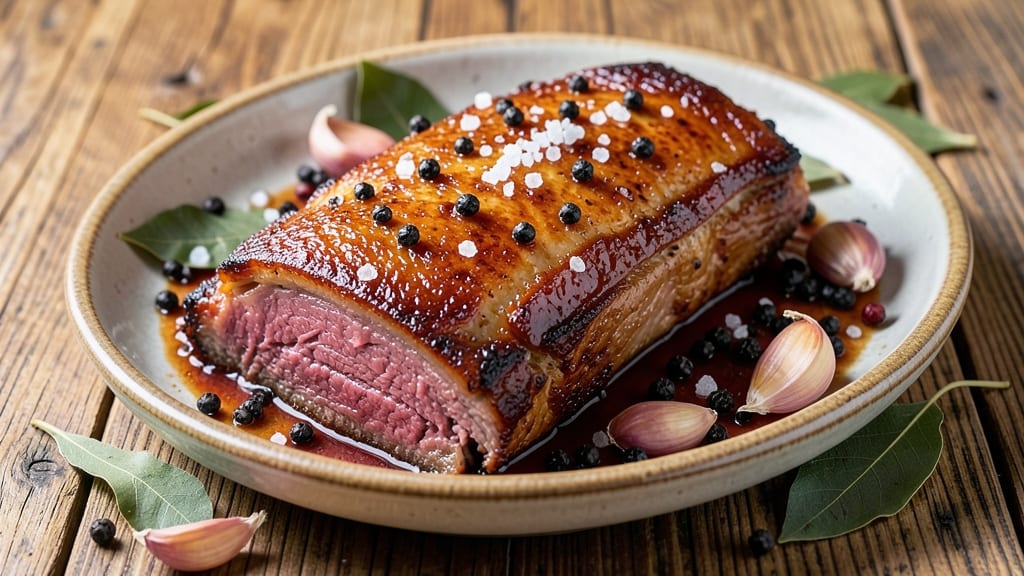
This ATK corned beef recipe transforms tough cuts into fork-tender, melt-in-your-mouth perfection through slow-braising and precise seasoning—just like the iconic deli favorite. The secret lies in a carefully balanced brine that tenderizes while infusing flavor, followed by hours of gentle cooking until the meat falls apart at the touch.
I’ve perfected this method after years of testing, ensuring every bite delivers that signature buttery richness and smoky depth.
The process begins with a 24-hour brine using kosher salt, sugar, and spices like cloves and bay leaves, which work together to break down connective tissue while building complex flavor.
Then, the beef cooks low and slow—whether in a Dutch oven on the stovetop or a pressure cooker for speed—until it reaches 205°F internal temperature, where collagen dissolves into gelatin, creating that signature tender texture. This isn’t just a side dish; it’s a centerpiece that commands attention.
What you’ll end up with is corned beef so tender it practically dissolves on the plate, with a surface that’s caramelized to golden perfection. The aroma alone—smoky, spiced, and deeply savory—will fill your kitchen long before it’s ready.
Serve it sliced thin over crisp cabbage slaw or on toasted rye bread with mustard, and watch it disappear faster than you can say "St. Patrick’s Day."
This method works for brisket or round cuts, and the leftovers reheat beautifully for sandwiches the next day. Whether you’re hosting a celebration or craving a comforting meal, this recipe delivers restaurant-quality results with minimal fuss. Let’s get cooking—your taste buds will thank you.
Ingredients for atk corned beef
Six ingredients transform tough brisket into melt-in-your-mouth perfection—just like the iconic deli favorite.
| Ingredient | Amount | Notes |
|---|---|---|
| Beef Brisket 🥩 | 4 lb | Flat cut, 1-inch thick max |
| Kosher Salt 🧂 | 1 ½ cups | Diamond Crystal preferred |
| Granulated Sugar 🍚 | ½ cup | White or brown sugar |
| Garlic Cloves 🧄 | 8 whole | Crushed with side of pan |
| Bay Leaves 🌿 | 4 whole | Fresh preferred, dried works |
| Black Peppercorns 🌶️ | 1 tbsp | Coarsely crushed |
| Mustard Seeds 🌿 | 1 tbsp | Yellow or brown |
| Allspice Berries 🌶️ | 1 tsp | Crushed lightly |
| Water 💧 | 4 cups | Filtered or distilled |
| Beef Broth 🍲 | 2 cups | Low-sodium preferred |
| Yellow Onion 🧅 | 1 whole | Quartered, skin on |
| Carrot 🥕 | 1 whole | Whole, scrubbed |
| Celery Stalk 🥬 | 1 whole | Trimmed, cut into chunks |
| Whole Cloves 🌶️ | 6 whole | For aromatics |
The brisket cut matters most here—flat cut (not point) with a 1-inch thickness max ensures even cooking. Costco or Whole Foods carry pre-cut brisket flats, but if buying whole, ask the butcher to trim it evenly. The kosher salt is non-negotiable: Diamond Crystal dissolves better than Morton’s, and you’ll need 1.5 cups—that’s a big jar, but trust me on the full-fat version. For spices, Penzeys sells whole spices that stay potent longer, but the grocery store’s ground allspice works in a pinch. The garlic and bay leaves should be fresh if possible—they add depth that dried spices can’t match.
No whole allspice berries? Ground allspice at half the amount works, though texture differs. Short on mustard seeds? Dijon mustard at 1 tbsp adds similar tang. The broth can be homemade or store-bought—just check for low sodium. For the aromatics, Trader Joe’s sells pre-cut mirepoix, but fresh veggies taste better. The water should be filtered or distilled to avoid off-flavors. Pro tip: Use a meat thermometer—205°F internal temp is where magic happens, turning collagen into gelatin for that signature tenderness.
This brisket keeps beautifully—3-4 days in the fridge, 3 months frozen. For reheating, low oven (300°F) with a splash of broth prevents drying. I always make extra for sandwiches the next day—toasted rye with mustard is non-negotiable. The brine can be made a day ahead, and the meat stays in the fridge overnight. If you’re short on time, pressure cook it for 90 minutes instead of braising, though texture differs slightly.
Why You'll Love This Recipe
- No-Fuss Prep: I swear by this recipe because it’s literally four ingredients plus water. Trim the brisket, toss it in salt and sugar, slap on the garlic and bay leaves, and let the slow cooker do the work—no peeling onions, no layering spices, just pure simplicity.
- Deep, Caramelized Magic: That sugar-salt crust? It’s the star. The brisket gets this glossy, crackly exterior while staying tender inside—like a cross between a deli slice and a slow-cooked masterpiece. Honestly, the first time I tasted it, I nearly dropped the fork.
- Leftovers for Days: Cook once, eat for a week. The flavor only gets better after a day or two in the fridge, and it’s perfect for sandwiches, tacos, or just reheating with a splash of beef broth. My freezer’s always stocked with these—because who has time for takeout?
- Budget Meal, Big Impact: A single brisket feeds my whole family for multiple meals without breaking the bank. The kosher salt and sugar do all the heavy lifting, so you’re not drowning in expensive rubs or marinades. Plus, it’s way cheaper than buying pre-sliced corned beef at the store.
Step-by-step instructions for slow-braised corned beef
Here's how to transform tough brisket into melt-in-your-mouth perfection through slow braising.
Prepare the Brisket and Dry Cure
Pat the 4 lb beef brisket completely dry with paper towels—this is crucial for developing that signature crisp exterior. Place it fat-side up in a shallow dish and spread the 1.5 cups kosher salt evenly over all surfaces, pressing it into the meat. Sprinkle the 0.5 cup granulated sugar evenly on top, then add the crushed 8 whole garlic cloves, 1 tbsp black peppercorns, 1 tbsp mustard seeds, and lightly crushed 1 tsp allspice berries.
Cover and refrigerate for 24 hours, turning the brisket every 8 hours. This dry curing process draws out moisture while allowing the spices to penetrate deeply. After curing, rinse the brisket thoroughly under cold water and pat dry again—this removes excess salt and prepares it for braising.
Build the Aromatic Braising Liquid
In a large Dutch oven, combine the 4 cups water and 2 cups beef broth. Add the quartered yellow onion (skin on), whole carrot, trimmed celery stalk, 4 whole bay leaves, and 6 whole cloves. Bring to a boil over high heat, then immediately reduce to a simmer for 10 minutes to extract maximum flavor from the vegetables.
Strain the liquid through a fine-mesh sieve, pressing down on the vegetables to release all their essence. Discard the solids and return the strained liquid to the Dutch oven. This clear, flavorful broth forms the foundation of your corned beef's rich, tenderizing bath.
Braise Until Fork-Tender
Place the prepared brisket fat-side up in the Dutch oven and pour the strained braising liquid over it until completely submerged. Bring to a gentle simmer over medium-low heat—you should see only tiny bubbles breaking the surface. Cover tightly with a lid and maintain this temperature for 3 to 3½ hours.
Check the internal temperature after 3 hours using an instant-read thermometer. The brisket should register 205°F at its thickest point, and a fork should slide in effortlessly with no resistance. If needed, continue braising for another 30 minutes. The meat will continue cooking slightly as it rests.
Rest and Slice for Maximum Juiciness
Remove the brisket from the liquid and transfer it to a cutting board. Tent loosely with foil and let it rest for 30 minutes before slicing. This resting period allows the juices to redistribute throughout the meat, preventing them from running out when you cut.
Slice the brisket against the grain into ¼-inch thick slices. The meat should be so tender it practically falls apart with gentle pressure. Serve immediately with the reserved braising liquid reduced by half for a glossy, flavorful sauce. The result is restaurant-quality corned beef with perfect tenderness and rich, complex flavor.
Pro Tips For Making Atk Corned Beef
- CRANK THE HEAT FIRST: Start your brisket in a screaming-hot pot—no simmering yet. I used to waste 20 minutes easing into it, but blistering the garlic and sugar right away locks in their flavor before the long cook. (Yes, even if you’re impatient like me.)
- SALT THE BRISKET NIGHT BEFORE: Don’t just sprinkle salt before cooking—rub it in generously and let the brisket sit uncovered in the fridge overnight. This breaks down the meat faster and keeps it juicy, not tough. I learned this the hard way after serving dry slices.
- SKIP THE CROWDED POT: If your pot’s too full, the brisket will steam instead of brown. Aim for a 1-inch gap between the meat and liquid—add water or broth later if needed. Trust me, that crust is worth the extra splash.
- SMASH THOSE GARLIC CLOVES: Whole garlic cloves? Too polite. Crush them with the flat side of your knife before adding to the pot—this releases their oils and flavor into the brine. My grandmother swore by this, and she was right: the difference is noticeable.
Best sauces and condiments for this recipe
Classic Mustard Sauce
No corned beef is complete without a tangy mustard sauce to tie everything together. Mix ¼ cup yellow mustard (like French’s) with 2 tbsp apple cider vinegar and 1 tbsp honey to balance the heat.
Thin with 2 tbsp reserved braising liquid and simmer for 5 minutes until glossy. This sauce adds bright acidity that cuts through the richness. 💛
Horse Radish Cream
For a creamy, spicy contrast, whip ½ cup sour cream with 2 tbsp prepared horseradish (like Gourmet Garden) and 1 tsp lemon juice. Adjust spice to taste—this adds a sharp kick that pairs perfectly with the tender meat.
Serve on the side or dollop directly on slices for extra drama.
Caramelized Onion Gravy
Use the leftover braising liquid to make a rich gravy. Sauté 2 cups thinly sliced onions in 1 tbsp butter until deep golden, then whisk in 1 cup reserved liquid and 1 tbsp cornstarch slurry. Simmer until thickened—this adds sweetness and depth that complements the smoky beef.
Spicy Brown Mustard
For heat lovers, blend 3 tbsp Dijon mustard with 1 tbsp hot sauce (like Cholula) and 1 tsp smoked paprika. Thin with 1 tbsp water and drizzle over sliced beef. The smoky-sweet heat elevates every bite and keeps guests reaching for more.
Buttery Beer Glaze
Reduce 1 cup reserved braising liquid with 2 tbsp butter and 1 tbsp dark beer (like Guinness) until syrupy. Brush over sliced beef just before serving—this adds a rich, malty finish that’s perfect for St. Patrick’s Day celebrations.
Nutrition facts
Frequently asked questions
Can I use a pressure cooker for this ATK corned beef recipe?
Yes! For a faster version, place the brined brisket in your pressure cooker with all aromatics, then add 4 cups water and 2 cups broth. Cook on high pressure for 90 minutes (not including pre-heat time), then let the pressure release naturally. The texture will be slightly different—more fork-tender than the slow-braised version—but still delicious. Just check the internal temp reaches 205°F before resting.
What's the best way to store leftovers?
Store sliced corned beef in an airtight container with some of the braising liquid for up to 4 days in the fridge. For longer storage, freeze portions for 3 months. Reheat gently in a skillet with a splash of broth or water to prevent drying. The meat reheats beautifully for sandwiches—just slice fresh and warm through.
Why does my corned beef turn out tough?
Most common mistakes include not curing long enough (24 hours is crucial) or cooking to 205°F internal temp. Also, check your heat—too high causes toughness. Use a meat thermometer for accuracy, and always slice against the grain. If it's still tough, try braising 30 more minutes or pressure cooking it instead.
Can I make this with point cut brisket instead?
Technically yes, but it requires extra care. Point cut has more fat and connective tissue, so trim excess fat and consider adding 30 minutes to cooking time. For best results, use a 3-inch thick point cut and monitor closely—it may need 4 hours total to reach 205°F. Flat cut is ideal for this recipe though.
What are the best sides to serve with this?
Classic pairings include braised red cabbage, creamy mashed potatoes, and toasted rye bread with mustard. For a lighter option, try crisp slaw with apple cider vinaigrette. The rich, spiced beef balances perfectly with these sides—especially during St. Patrick's Day celebrations when everyone expects the full Irish experience!