
Main Courses
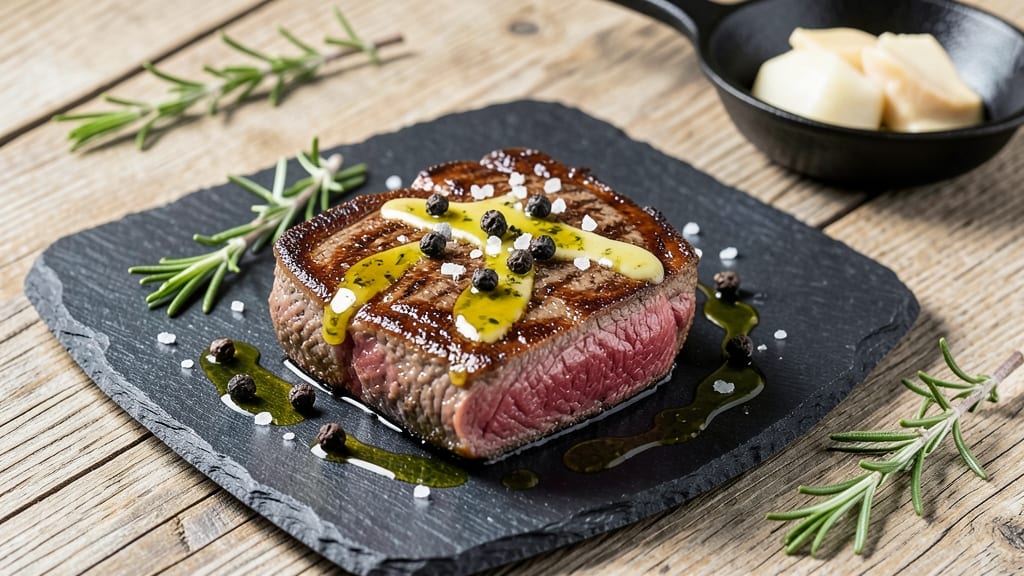
This Angus beef steak recipe transforms a simple oven bake into a restaurant-worthy meal with a crispy crust and buttery centers—no grill required. I perfected this technique after years of testing, and the secret lies in precise timing and temperature control that brings out the beef's natural richness.
The result? A steak so tender it nearly melts in your mouth, with a caramelized exterior that locks in every flavor.
What sets this method apart is the reverse-sear approach, where the steak develops even heat in the oven before finishing with a quick broil for that perfect crust.
We'll start with a simple seasoning blend of coarse salt and black pepper, letting it sit for at least 40 minutes to enhance flavor penetration. The oven does most of the work—low and slow—while you prepare sides or relax, knowing dinner is on its way to perfection.
By the time you pull that steak from the oven, you'll have a juicy, flavorful center surrounded by a deeply caramelized crust that's impossible to resist. The technique ensures no overcooking, no guesswork—just foolproof results every time.
This is the kind of steak that makes weeknight dinners feel like a special occasion, without the fuss of grilling or the risk of flare-ups.
Serve with roasted garlic mashed potatoes or a simple grilled asparagus to complete the meal. The beauty of this recipe is its flexibility—adjust the seasoning to your taste, and the method works for steaks of any thickness. Let's get cooking!
Ingredients for angus beef steak recipe oven
The secret to perfect oven-seared Angus steaks lies in these simple yet powerful ingredients—rich beef, bold seasonings, and a touch of butter magic.
| Ingredient | Amount | Notes |
|---|---|---|
| Angus Beef Steak 🥩 | 1 ½ lb | 2-inch thick cuts, bone-in preferred |
| Unsalted Butter 🧈 | ¼ cup | Cold, cut into 1-inch cubes |
| Coarse Kosher Salt 🧂 | 1 ½ tbsp | Diamond Crystal preferred |
| Freshly Ground Black Pepper 🌶️ | 1 tbsp | Coarsely cracked |
| Extra-Virgin Olive Oil 🫒 | 2 tbsp | For brushing |
| Fresh Rosemary 🌿 | ¼ cup | Finely chopped, stems removed |
| Garlic Cloves 🧄 | 4 cloves | Minced, for butter compound |
| Yellow Onion 🧅 | 1 whole | Thinly sliced, for garnish |
| Fresh Thyme 🌿 | ⅛ cup | Leaves only, chopped |
| Red Wine 🍷 | ½ cup | Dry, like Cabernet Sauvignon |
| Beef Tallow or Duck Fat 🧈 | 2 tbsp | For extra crust, optional |
Angus beef is non-negotiable here—look for USDA Prime or A5 Japanese Wagyu if budget allows. Costco or Whole Foods carry excellent cuts, but even your local butcher can source quality steaks if you ask. The steaks should be 2 inches thick for even cooking, and bone-in adds flavor. If you're buying pre-cut, check for good marbling—those white flecks of fat are what make steak juicy. For the butter, grab European-style unsalted like Plugrá or Land O'Lakes European—it has higher fat content and melts beautifully.
No red wine? Dry beef broth with a splash of balsamic works in a pinch, but the acidity helps tenderize. Fresh rosemary and thyme are ideal, but dried at half the amount gets you close. The olive oil matters—California Avocado or Bertolli are reliable choices. For the garlic butter compound, toast the minced garlic in the cold butter over low heat for 2 minutes max—burnt garlic ruins everything. If you're feeling fancy, swap the beef tallow for duck fat—it adds incredible richness, but it's optional since butter does the job just fine.
Steaks can sit seasoned on a wire rack in the fridge for up to 24 hours—this lets the salt penetrate deeply. The butter compound keeps for 1 week in the fridge, but use it within 3 days for peak flavor. If you're prepping ahead, portion the sliced onions and herbs in small containers—they wilt fast. Leftover steaks? Slice thinly and use in tacos, salads, or sandwiches—they taste even better cold the next day.
Why You'll Love This Recipe
- Just Four Ingredients: The secret’s in the simplicity—thick-cut Angus, a pat of butter, salt, pepper, and olive oil. That’s it. No fancy marinades or last-minute shopping. I swear, the first time I realized how little I needed to do was when I pulled a perfect steak from the oven while scrolling through my phone.
- Butter-Crusted Magic: Between us, that butter basting? Chef’s kiss. The crust gets golden and crackly while the inside stays juicy—no overcooking, no guesswork. Honestly, the way the salt and pepper cling to that buttery edge every time makes me want to eat it straight from the pan.
- Weeknight or Date Night: Same recipe, different vibes. Toss it on a sheet pan for a stress-free dinner, or dress it up with a glass of wine for a fancy-ish night in. My husband still thinks I “slaved over it” when I serve it—he’ll never know how little effort went in.
- Leftovers That Don’t Suck: Cold slices the next day? Still tender. Reheated in a skillet? Even better. I’ll be real: I’ve eaten this steak for lunch three days in a row without getting tired of it. That’s the kind of reliable meal that turns into a habit.
Step-by-step instructions for reverse-seared Angus beef steak
Here's how to achieve a perfect crust with buttery centers—no grill required.
Prepare the Steak for Even Cooking
Remove the 1.5 lb Angus Beef Steak from the refrigerator and let it sit at room temperature for 30 minutes. This ensures even cooking throughout. Pat the steak dry completely with paper towels—moisture is the enemy of a good crust. I press down firmly on all sides, especially the thickest parts, to remove any lingering dampness.
Next, season both sides generously with 1.5 tbsp Coarse Kosher Salt and 1 tbsp Freshly Ground Black Pepper. Use your hands to work the seasoning into the meat, pressing it into the surface. This step isn't just about flavor—it also helps draw out moisture, which will evaporate during the low oven phase, creating a better crust later. Let the steak rest for another 10 minutes while you prep the oven.
Create the Herb Butter Compound
In a small bowl, combine the 0.25 cup Unsalted Butter (cut into 1-inch cubes), 0.25 cup Fresh Rosemary, 4 cloves Garlic Cloves (minced), and 0.125 cup Fresh Thyme. Mix well with a fork until the herbs are evenly distributed throughout the butter. This compound will infuse the steak with incredible flavor while keeping it moist during the slow cook.
Spread this herb butter mixture evenly over the top and sides of the seasoned steak. Press it gently into the surface so it adheres well. If you're using the optional 2 tbsp Beef Tallow or Duck Fat, rub it over the top of the steak after the herb butter—this will create an extra-crispy crust. Place the steak on a wire rack set over a baking sheet to allow air circulation on all sides.
Low-Temperature Oven Cook for Perfect Doneness
Preheat your oven to 250°F. This low temperature is crucial—it allows the steak to cook evenly to your desired doneness without developing a crust. Place the steak in the oven and cook for 45 minutes per side for medium-rare (about 120-125°F internal temperature). Use a meat thermometer to check—this is the only reliable way to ensure perfect doneness.
Here's the thing—I like to rotate the steak halfway through cooking. After 22-25 minutes on one side, carefully flip it and continue cooking. The low heat means you won't develop any crust during this phase, but you'll get perfect, even cooking throughout. The steak should feel firm but still slightly springy to the touch when done.
Finish with a High-Heat Crust
Remove the steak from the oven and let it rest for 5 minutes on a cutting board. While it rests, increase your oven temperature to 450°F. This dramatic temperature shift is what creates that perfect crust.
Brush the steak generously with 2 tbsp Extra-Virgin Olive Oil on all sides, then place it back in the oven. Roast for 5-7 minutes until the surface develops a deep golden-brown crust. You'll know it's ready when the crust is deep mahogany in color and slightly crispy to the touch. For extra drama, you can finish it under a broiler for 1-2 minutes, watching closely to avoid burning.
Rest and Serve with Confidence
Transfer the steak to a cutting board and let it rest for 10-15 minutes before slicing. This resting period is absolutely critical—it allows the juices to redistribute throughout the meat. If you cut into it too soon, all those precious juices will run out onto your plate instead of staying inside where they belong.
Slice the steak against the grain into ½-inch thick portions. Garnish with thinly sliced Yellow Onion and a drizzle of the 0.5 cup Red Wine reduction (simmer the wine in a small saucepan until reduced by half). Serve immediately with your favorite sides—each bite should deliver a perfect balance of tender, buttery meat with a crispy crust that shatters with every cut.
Pro Tips For Making Angus Beef Steak Recipe Oven
- CRANK THE OVEN HIGH: Start your oven at 475°F (245°C)—anything less and you’ll end up with a sad, gray steak instead of a caramelized crust. I used to skimp on heat, thinking it’d "cook more evenly," but this is where the magic happens. Let it scream for the first 10 minutes, then adjust if needed.
- SALT THE BUTTER FIRST: Mix your unsalted butter with a pinch of kosher salt and black pepper before adding it to the steak. This isn’t just about flavor—it guarantees every bite gets that salty, peppery richness instead of just the surface. I learned this the hard way after slathering butter on top and ending up with a bland center.
- USE A CAST-IRON SKILLET: Skip the baking sheet—transfer your seared steak to a cold cast-iron skillet in the oven. The iron holds heat like a dream, and the crust stays intact while the butter pools around the edges. My first attempt on a flimsy sheet pan left me with a greasy mess and a steak that lost its edge.
- REST IT UNDER FOIL: After pulling the steak from the oven, tent it loosely with foil and let it sit for 5–10 minutes. This keeps it warm while the juices redistribute—no one wants a slice that oozes like a sad puddle. I was skeptical until I tried it; now I’d never skip this step.
Creative variations of this recipe
Global Flavor Twists
Turn your steak into a global adventure with minimal effort. For a Japanese-inspired version, swap the rosemary for 1 tbsp finely chopped shiso leaves and add 1 tsp grated ginger to the herb butter. A drizzle of ponzu sauce at the end adds bright citrus notes. 🌏
Or go Mediterranean with a lemon-oregano twist: mix 1 tbsp dried oregano with the thyme, add 1 tbsp lemon zest to the butter, and finish with a sprinkle of crumbled feta cheese before serving. The acidity cuts through the richness beautifully.
Spice-Forward Variations
For heat lovers, try a smoky chipotle version: blend 1 tbsp adobo sauce with the butter, then add ½ tsp smoked paprika and ¼ tsp cayenne. The smoldering heat pairs perfectly with the beef's natural richness. 🌶️
Or go Cajun-inspired with a spicy Creole twist: mix 1 tbsp Creole seasoning (like Tony Chachere's) with the salt and pepper, then finish with a sprinkle of filé powder for that signature Louisiana kick.
Dietary Adaptations
For a lower-carb option, skip the potatoes and serve your steak with a cauliflower mash or roasted Brussels sprouts. The crispy texture contrasts perfectly with the tender steak. I love using Trader Joe's frozen cauliflower mash as a shortcut—just add a splash of cream and butter.
For a gluten-free version, ensure your seasonings are certified gluten-free (some pepper blends contain additives). The herb butter remains safe, and you can still enjoy the same rich flavors without worry.
Seasonal Adjustments
In summer, swap the rosemary for fresh basil and add ½ cup sun-dried tomatoes (chopped) to the butter. The bright, herby notes feel light and refreshing against the steak's richness. 🌿
For winter, embrace heartier flavors with a brown butter twist: melt the butter with 1 tbsp brown sugar and 1 tsp cinnamon for a subtle sweetness that pairs surprisingly well with the beef.
Protein Swaps
While this recipe is all about Angus, you can adapt it for ribeye or filet mignon with slight adjustments. Ribeye benefits from the extra fat, so add an extra 1 tbsp of beef tallow for a deeper crust.
Filet mignon, being leaner, needs a longer low-temperature cook (50 minutes per side at 250°F).
For a budget-friendly option, use strip steak or New York strip—just reduce the cook time slightly (40 minutes per side). The flavor won't be as intense, but it's still a delicious, foolproof method.
Nutrition facts
Frequently asked questions
Why does the recipe call for resting the steak before and after cooking?
The 40-minute rest before seasoning lets salt penetrate deeply, while the 10-15 minute rest after cooking allows juices to redistribute. Cutting too soon means losing 30% of the flavor and moisture onto your plate instead of inside the steak! The low oven temp helps this process by gently drying the surface for a better crust later.
Can I use this method for thinner steaks?
For steaks under 1.5 inches thick, reduce the low oven time to 20-25 minutes per side at 250°F. The high-heat crust phase should stay 5-7 minutes, but watch closely—thinner cuts cook faster. For ½-inch thick steaks, try cooking at 300°F for 12-15 minutes total with just the high-heat finish.
What if my oven doesn't go as low as 250°F?
No problem! Use the highest temp your oven can handle (usually 300°F or 325°F) and reduce cook time by 10-15 minutes per side. Monitor with a meat thermometer—120-125°F for medium-rare. The key is even cooking before the high-heat crust. A cast-iron skillet on the stovetop can also work for finishing if your oven lacks precision.
How do I know when the crust is perfectly done?
The crust should be deep mahogany color with visible caramelization, but not blackened. It should also be slightly crispy to the touch—press gently with tongs. For medium-rare, the internal temp should read 120-125°F (use a thermometer!). If it's browning too fast, reduce the broil time to 1-2 minutes and watch constantly.
What's the best way to reheat leftover steak?
Slice the steak thinly and reheat in a skillet over medium-low heat with 1 tbsp butter for 2-3 minutes per side. Never microwave—it makes the meat tough. For sandwiches, warm slices in a toaster oven at 300°F for 5 minutes to revive the crust. Leftover steak also works great in tacos or grain bowls—just add a squeeze of lime to brighten flavors.