
Main Courses
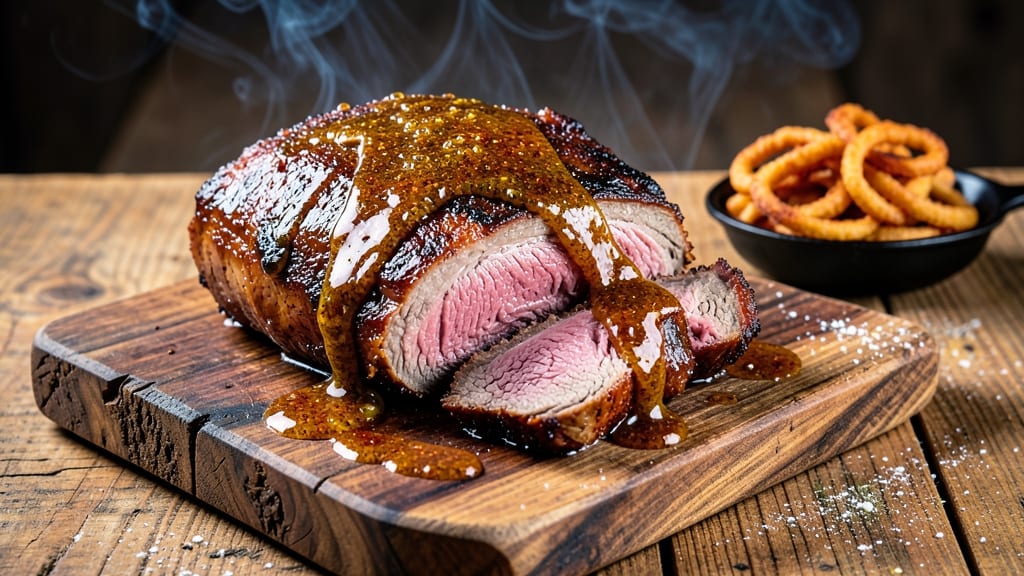
This beef arm roast smoker recipe transforms tough cuts into fall-off-the-bone tenderness with a deep, smoky bark that commands every bite. 🔥 The secret lies in precise temperature control and wood selection—hickory or pecan—to create that signature char while keeping the interior juicy and rich.
I’ve perfected this method over years of trial and error, ensuring the meat stays moist even after hours of slow smoking.
The process begins with a dry rub that forms a flavorful crust, while the smoker’s low-and-slow approach tenderizes the meat without drying it out. What you’ll end up with is a juicy, smoky masterpiece that’s ideal for gatherings or a special weekend meal.
The bark is crispy yet gives way to tender, flavorful meat that melts in your mouth—no guesswork, just guaranteed results.
This recipe isn’t just about the roast—it’s about the experience. The aroma alone will have everyone gathering around the smoker, and the final presentation is restaurant-quality without the fuss. Whether you’re a seasoned pitmaster or a beginner, this method delivers restaurant-quality tenderness every time.
Pair it with classic sides like creamy mashed potatoes or a tangy coleslaw for the full effect. The key is patience and attention to detail, but the reward is a dish that’s worth every minute. Let’s get started on creating your perfect smoked beef arm roast.
Ingredients for beef arm roast smoker
Six pounds of beef arm roast plus a handful of pantry staples. That's all you need for a smoker masterpiece.
| Ingredient | Amount | Notes |
|---|---|---|
| Beef Arm Roast 🥩 | 6 lb | Bone-in, well-marbled cut |
| Yellow Mustard 🍯 | ¼ cup | For base of rub coating |
| Brown Sugar 🍚 | ½ cup | Packed, light or dark |
| Smoked Paprika 🌶️ | 2 tbsp | For deep smoky flavor |
| Garlic Powder 🧄 | 1 tbsp | Freshly ground preferred |
| Onion Powder 🧅 | 1 tbsp | For sweet depth |
| Ground Black Pepper 🌶️ | 1 tbsp | Freshly cracked preferred |
| Kosher Salt 🧂 | 1 tbsp | Diamond Crystal preferred |
| Hickory Wood Chips 🌳 | 1 package | Or pecan for nutty notes |
| Apple Cider Vinegar 🍎 | 2 tbsp | For tenderizing soak |
| Beef Tallow or Duck Fat 🧈 | ½ cup | For extra moisture |
| Fresh Rosemary 🌿 | ¼ cup | Chopped, for final garnish |
| Fresh Thyme 🌿 | ¼ cup | Chopped, for final garnish |
The beef arm roast is your star—look for cuts with good marbling, not lean. Costco or local butchers usually have the best quality, but any grocery store beef section works. I always ask for the bone-in version (it stays juicier) and check the marbling—fat equals flavor here. For the wood chips, Traeger or Storebrand are solid choices, but any quality brand will do. The hickory gives classic smoky flavor, but pecan adds a nutty twist that pairs perfectly with beef. Pro tip: soak your wood chips for 30 minutes before smoking to prevent flare-ups.
No hickory wood chips? Oak works too—just expect a slightly different flavor profile. Running low on brown sugar? Maple syrup at half the amount gives similar depth. Fresh herbs not an option? Dried rosemary and thyme at one-third the amount still add great flavor. The beef tallow or duck fat is non-negotiable for moisture—substituting with butter will make the meat dry. For the mustard base, Dijon works too, but regular yellow mustard gives that classic tang. And if you're short on time, skip the vinegar soak—the rub alone still delivers amazing results.
Store your dry rub in an airtight container for up to 3 months—it keeps forever. The beef roast needs to be refrigerated until ready to smoke, and once cooked, it reheats beautifully. Wrap leftovers in foil with a splash of beef broth and reheat at 300°F for 30 minutes. The wood chips? Keep them in a sealed container in your freezer until ready to use. This recipe makes enough for a crowd—plan on 2 pounds per person for a full meal experience.
Why You'll Love This Recipe
- Smokehouse Simplicity: I swear by this recipe because it’s literally set-it-and-forget-it. Rub the arm roast with that mustard-brown sugar mix, sprinkle the smoked paprika, and let the smoker do the rest—no basting, no flipping, no stress. My lazy Sunday mornings just got a whole lot tastier.
- Sweet-Smoky Magic: That caramelized brown sugar crust? It’s the star. The smoky paprika lingers like a campfire, while the mustard cuts through the richness—every bite has this perfect balance of tangy, sweet, and deep, smoky warmth. Honestly, I’ve tried fancier rubs, but this one’s my go-to.
- Weeknight Crowd-Saver: This feeds six without breaking the bank, and the leftovers? Chef’s kiss. Slice it thin for sandwiches, cube it for tacos, or just reheat with a splash of beef broth—it’s the ultimate meal prep hack. (Yes, even on a Tuesday night.)
- Budget-Friendly Hero: Arm roast is cheaper than a prime rib but packs the same wow factor. A single cut feeds my family for days, and the ingredients? Pantry staples. Between us, this is how I stretch my grocery budget without sacrificing flavor—smoked, tender, and always a hit.
Step-by-step instructions for smoky beef arm roast
Here's how to transform a tough cut into melt-in-your-mouth perfection.
🔥 Step 1: Prep the Roast with the Mustard Coating
Start by removing the beef arm roast from the fridge and letting it sit at room temperature for 30 minutes. This ensures even cooking. In a small bowl, combine the 0.25 cup yellow mustard with 2 tablespoons apple cider vinegar. Spread this mixture all over the roast, including inside the cavity if there is one. The mustard acts as a binder for the rub and helps tenderize the meat.
I like to press the mustard mixture into the meat gently with my fingers—this ensures it penetrates the surface and creates that perfect bark later. Let the roast sit uncovered in the fridge for 12-24 hours to dry-brine. This step is crucial for developing deep flavor and tenderizing the tough beef arm roast.
👨🍳 Step 2: Make the Dry Rub and Coat the Roast
In a large bowl, mix together the 0.5 cup brown sugar, 2 tablespoons smoked paprika, 1 tablespoon garlic powder, 1 tablespoon onion powder, 1 tablespoon ground black pepper, and 1 tablespoon kosher salt. This blend creates a perfect balance of sweet, smoky, and savory flavors that will cling beautifully to the roast.
After the mustard-vinegar mixture has dried on the roast, generously coat it with the dry rub mixture. Press the rub into the meat so it adheres well—this ensures maximum flavor penetration. Wrap the roast tightly in plastic wrap and refrigerate for another 12-24 hours. The longer it sits, the deeper the flavor will be.
🔥 Step 3: Set Up the Smoker for Low and Slow Cooking
Soak the 1 package hickory wood chips in water for 30 minutes before using. Set up your smoker and preheat it to 225°F. I use a water pan in the smoker to help maintain moisture during the long cook. Once the smoker reaches temperature and you see clean, blue smoke (not thick white smoke), you're ready to cook.
Place the roast fat-side up on the smoker grate. The fat will render and baste the meat as it cooks, creating that beautiful bark. Close the lid and resist the urge to peek—every time you open the smoker, you lose heat and add 15-20 minutes to your cook time. This low-and-slow method is what transforms tough beef into tender, juicy perfection.
⏰ Step 4: Smoke Until Probe-Tender
Smoke the roast for 6-8 hours, maintaining a consistent 225°F temperature. You'll notice the internal temperature will gradually rise, but it might stall around 160-170°F—this is normal and called "the stall." Don't panic; it's just the meat releasing moisture.
When the internal temperature hits 195-203°F (use a meat thermometer inserted into the thickest part of the roast), it should be fork-tender. This usually takes 8-10 hours total, depending on your smoker's consistency. The bark should be dark and crispy, with a beautiful smoke ring just beneath the surface.
🥘 Step 5: Rest, Slice, and Garnish
Remove the roast from the smoker and transfer it to a cutting board. Tent it loosely with foil and let it rest for 30-45 minutes. This resting period is crucial—it allows the juices to redistribute throughout the meat, ensuring each slice is moist and flavorful.
While the roast rests, prepare the 0.25 cup fresh rosemary and 0.25 cup fresh thyme by chopping them finely. After resting, slice the roast against the grain into ¼-inch thick slices. Garnish each serving with the chopped rosemary and thyme, and drizzle with any remaining beef tallow or duck fat from the smoker pan for extra richness.
Pro Tips For Making Beef Arm Roast Smoker
- Trim the Fat First: Arm roasts have stubborn fat caps that won’t render on the smoker—cut them away with a sharp knife before seasoning. I learned this the hard way after pulling a roast with greasy spots that never crisped, no matter how long I smoked it.
- Mix Mustard Like Glaze: Whisk the yellow mustard with brown sugar and smoked paprika until it’s smooth, not just streaked. Lumpy glaze burns unevenly and sticks like glue—trust me, you don’t want to scrape charred mustard off your smoker’s probe.
- Smoke Hot, Then Chill: Start the smoker at 275°F for the first hour to build bark, then drop to 225°F for the rest. After burning three roasts with uneven doneness, I realized high heat early = better crust and faster internal temp climb.
- Rest Under Foil: Tent the cooked roast with foil for 10 minutes before slicing—this keeps it juicy while you finish sides. I used to skip this, and the first cut always yielded dry, sad meat. (Your future self will thank you.)
Common mistakes when making this recipe
Skipping the Rest
I can’t stress this enough—never skip the resting period after removing the roast from the smoker. The meat continues cooking off-heat, and juices redistribute during this time.
If you slice too soon, you’ll end up with dry, stringy meat. Trust me, the 30-45 minutes of waiting is worth every bite of that juicy perfection. 💪
Ignoring the Stall
The stall (when internal temp plateaus around 160-170°F) is normal, but many new smokers panic and crank up the heat. Instead, stay patient—keep the smoker at 225°F and let the meat work through it. Adding a water pan or wrapping in butcher paper can help push past it faster.
Overlooking Wood Soaking
Skipping the 30-minute soak for hickory wood chips leads to flare-ups and uneven smoke. Wet chips smolder steadily, giving you that clean, blue smoke you want. Pro tip: Use a mesh bag for easy removal from the smoker. 🌳
Peeking Too Often
Every time you open the smoker lid, you lose heat and moisture. I know it’s tempting to check, but resist! Use a remote thermometer (like Traeger’s wireless probe) to monitor progress without disturbing the cook. This keeps your roast on track for that perfect bark.
Wrong Cut Selection
Not all beef arm roasts are created equal. Look for a well-marbled, bone-in cut—lean or overly tough cuts won’t tenderize properly. If your butcher offers a chuck arm roast, ask for the shoulder clod section; it’s the sweet spot for smoky tenderness. 🥩
Rushing the Rub Time
The 12-24 hour rub isn’t optional—it’s what develops deep flavor. If you’re short on time, at least let it sit for 4 hours, but don’t expect the same bark or tenderness. Patience here pays off in flavor and texture.
Nutrition facts
Frequently asked questions
What's the ideal internal temperature for smoked beef arm roast?
For perfect tenderness, aim for an internal temperature between 195-203°F in the thickest part of the roast. This low-and-slow approach breaks down tough muscle fibers while keeping the meat juicy. Use a meat thermometer to avoid guessing—it's the only way to get that fall-off-the-bone texture.
Can I use this recipe with an electric smoker instead of charcoal?
Electric smokers work perfectly for this recipe. Just maintain the 225°F temperature consistently and follow the same smoking time. The only difference might be slightly longer cook times (up to 10-12 hours) since electric smokers can have less precise heat control than charcoal setups.
How do I prevent the bark from becoming too thick or burning?
Keep the smoker temperature steady at 225°F and avoid opening the lid frequently. If the bark starts looking too dark, you can wrap the roast in butcher paper after the first 4-5 hours of smoking. This traps moisture while still allowing smoke to penetrate—you'll get a perfect balance of bark and tenderness.
What are the best sides to serve with smoked beef arm roast?
Classic pairings include creamy mashed potatoes, tangy coleslaw, or roasted root vegetables. For extra flavor, try serving with a slice of cornbread or a simple green salad with a smoky vinaigrette. The rich, smoky beef pairs beautifully with slightly sweet or acidic sides that cut through the fat.
Can I make this recipe in an oven instead of a smoker?
While possible, you won't get the same deep smoky flavor. For oven-baked results, wrap the roast in foil with soaked wood chips and bake at 275°F for 4-5 hours. The bark will be less pronounced, but you'll still achieve tender meat. For authentic smoky flavor, stick with the smoker method.