
Main Courses
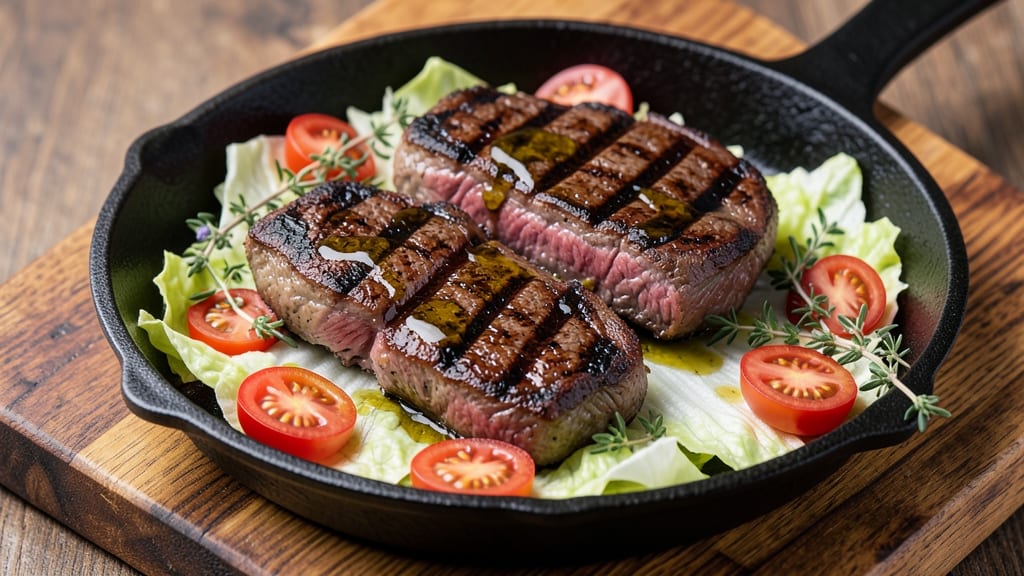
This Angus beef grilling recipe delivers the perfect balance of smoky char and buttery tenderness every time—no guesswork, just professional results. 🔥 After years of perfecting my technique, I’ve cracked the code for achieving that coveted crust while keeping the interior melt-in-your-mouth tender. The secret lies in precise heat control and a method that even home grillers can master.
What sets this recipe apart is the reverse sear method, which ensures even cooking without overworking the meat. Start with a low-and-slow approach to bring the beef to near your desired temperature, then finish with a high-heat sear for that coveted crust.
This technique guarantees juicy, flavorful steaks every time, even if you’re cooking outdoors for the first time.
The result is a perfectly cooked steak with a deep, smoky crust and a tender interior that practically melts on your tongue. The aroma alone will have everyone at the table anticipating the first bite.
Serve with chimichurri, roasted garlic potatoes, or a bold red wine reduction for a restaurant-quality meal you can recreate at home.
Whether you're grilling for a special occasion or a casual weekend dinner, this method delivers consistent, professional-quality results. Let’s get started on mastering your next perfect steak.
Ingredients for angus beef grilling
Four key ingredients transform ordinary grilling into restaurant-quality Angus perfection.
| Ingredient | Amount | Notes |
|---|---|---|
| Angus Beef Ribeye Steaks 🥩 | 1 ½ lb | 1.5-inch thick cuts, room temperature |
| Kosher Salt 🧂 | 2 tbsp | Diamond Crystal preferred, coarse grain |
| Freshly Ground Black Pepper 🌶️ | 1 ½ tbsp | Freshly cracked for maximum flavor |
| Extra-Virgin Olive Oil 🫒 | 2 tbsp | High smoke point, fruity variety |
| Garlic Cloves 🧄 | 4 cloves | Minced, for seasoning blend |
| Fresh Thyme Leaves 🌿 | ¼ cup | Finely chopped, stems removed |
| Smoked Paprika 🌶️ | 1 tsp | For subtle smoky depth |
| Wood Chips (Hickory or Oak) 🌳 | 1 cup | Soaked for 30 minutes |
| Butter 🧈 | 4 oz | Unsalted, softened for basting |
| Fresh Rosemary 🌿 | ⅛ cup | Needle leaves only, chopped |
| Balsamic Vinegar 🍷 | 1 tbsp | For finishing drizzle |
The beef is non-negotiable here—Angus ribeye with good marbling is your best bet. Grab it from local butcher shops or specialty grocers like Whole Foods where they often carry premium cuts. Look for bright red color and visible fat distribution. Thickness matters too—1.5-inch cuts give you that perfect crust-to-tender ratio. I always buy mine 1-2 days ahead to let it sit at room temperature before grilling, which ensures even cooking. The wood chips? Hickory or oak from Traeger or local smoke shops add that authentic smoky flavor without overpowering.
No smoked paprika? Regular paprika plus a pinch of liquid smoke works in a pinch. Fresh thyme and rosemary are ideal, but dried at one-third the amount gets you close. The butter should be unsalted and cold-packed—none of that melted tub stuff. For the olive oil, California avocado oil has a higher smoke point if you're worried about burning. And if you're cooking for a crowd, double the wood chips but monitor the heat closely—too much smoke can make the steaks bitter. The balsamic vinegar? High-quality aged balsamic from Trader Joe's or Costco adds that sweet-tart finish that ties everything together.
Keep your steaks wrapped in parchment paper in the fridge for up to 2 days before grilling. The wood chips can be soaked and stored in a sealed bag in the fridge for up to 1 week. Once cooked, these steaks reheat beautifully—wrap them in foil and warm in a 350°F oven for 10 minutes. I always make extra because they're that good. Store leftovers in an airtight container for 3-4 days, or freeze for up to 3 months. The butter mixture can be prepped ahead and stored in the fridge for up to 3 days—just let it soften before using.
Why You'll Love This Recipe
- Five-Ingredient Magic: I swear by this—just salt, pepper, oil, garlic, and that perfect ribeye. No fancy rubs, no stressing over herbs. Honestly, the secret’s in the beef itself, and this recipe lets it shine.
- Butterfly Crispy Edge: The garlic-infused oil sears those steaks until the crust is snap-worthy, while the inside stays juicy. That contrast? Pure satisfaction every time.
- Weeknight or Weekend Star: Grilled in 15 minutes, it’s my go-to for date nights or lazy Sundays. (Yes, even on a Tuesday night.) The leftovers? Slice them thin for sandwiches the next day—no waste.
- Budget-Friendly Luxury: You’re paying for quality beef, but the rest costs pennies. A single ribeye feeds two with seconds, and that olive oil? I use it for everything else. Smart splurge.
Step-by-step instructions for smoky char and buttery ribeye
Here's how to transform your ribeye into a restaurant-quality masterpiece with perfect sear and juicy interior.
🔥 Step 1: Prepare the Steaks for Maximum Flavor
Take the 1.5 lb Angus Beef Ribeye Steaks out of the fridge and let them sit at room temperature for 30-45 minutes. This ensures even cooking throughout. While they warm, create your seasoning blend by combining the 2 tbsp Kosher Salt, 1.5 tbsp Freshly Ground Black Pepper, 1 tsp Smoked Paprika, 4 cloves Garlic Cloves (minced), 0.25 cup Fresh Thyme Leaves, and 0.125 cup Fresh Rosemary in a small bowl. Mix well—this aromatic blend will infuse every bite with depth.
Pat the steaks dry with paper towels, then generously coat both sides with the seasoning mixture. Press the spices firmly into the meat so they adhere well. I like to let them sit seasoned for 10-15 minutes before grilling—this gives the salt time to penetrate slightly for maximum flavor.
🔥 Step 2: Set Up Your Grill for Perfect Char
Soak the 1 cup Wood Chips (Hickory or Oak) in water for 30 minutes before grilling. When ready, preheat your grill to high heat (around 450-500°F). Add the soaked wood chips to create that irresistible smoky aroma. You'll know it's ready when you see blue flames and the wood starts to smolder gently.
While the grill heats, rub the grates clean with a grill brush to prevent sticking. Then, heat the 2 tbsp Extra-Virgin Olive Oil in a small bowl—you'll use this to enhance the crust later. The high smoke point of this olive oil ensures it won't burn during the intense searing process.
🍳 Step 3: Sear to Perfection with Butter Basting
Place the steaks on the hottest part of the grill and sear for 3-4 minutes per side for medium-rare (adjust time for your preferred doneness). Here's the pro move: after the first 2 minutes on each side, add 2 oz of the softened butter to the grill grates. The butter will melt and baste the steaks, creating that golden crust and adding rich flavor.
You'll see the edges start to develop deep brown char while the interior remains tender. For extra flavor, sprinkle the remaining 2 oz butter over the steaks during the last minute of grilling. The butter should sizzle and create a beautiful, glossy finish.
⏰ Step 4: Rest and Finish with Balsamic
Transfer the steaks to a cutting board and let them rest for 10-15 minutes. This crucial step allows the juices to redistribute throughout the meat, preventing them from running out when you cut. While they rest, heat the 1 tbsp Balsamic Vinegar in a small saucepan until it's just warm (don't boil it—you want to preserve its delicate flavors).
Just before serving, drizzle the warm balsamic vinegar over the steaks. The acidity cuts through the richness of the butter and beef, adding a bright, sophisticated finish. Slice against the grain for maximum tenderness, and serve immediately with any accumulated juices from the cutting board.
Pro Tips For Making Angus Beef Grilling
- Crank the Heat First: I learned this the hard way—Angus ribeye needs that initial sear to lock in flavor and moisture. Hit your grill with the hottest zone possible (think 500°F+) for the first 2-3 minutes per side, even if your steak feels cold when it hits the grill. That’s when the Maillard reaction does its magic, giving you that perfect crust.
- Salt Like It Owes You Money: Don’t be shy with kosher salt—generously coat both sides of the steak at least 40 minutes before grilling (or right when you take it out of the fridge if you’re in a rush). The salt breaks down the proteins on the surface, which helps create a better crust and keeps the meat juicy. I used to skimp, and the steaks always felt bland no matter how much pepper I added.
- Skip the Crowding: Resist the urge to pile everything on the grill at once—especially with ribeyes. Give each steak its own space, even if it means grilling in batches. Overcrowding steams the meat instead of searing it, which kills the crust and leaves you with sad, gray edges. Trust me, your steaks will thank you.
- Garlic Infusion Hack: Instead of just mincing garlic cloves and tossing them on the grill, crush them with the flat side of your knife first. This releases more flavor and aroma, which will seep into the steak as it cooks. For an extra boost, rub the crushed garlic into the steak’s surface before grilling—it’s a small move, but it makes a real difference in depth of flavor.
Health benefits of this recipe
Protein Powerhouse
Angus beef is a lean yet rich source of high-quality protein, with about 30 grams per 4-ounce serving. This makes it perfect for muscle repair and growth without the heavy saturated fat of other cuts.
The marbling in Angus beef actually contains healthy fats that enhance flavor and juiciness while supporting your body's needs. 💪
Iron and Zinc Boost
Each serving delivers 3-4mg of iron (20% of daily needs) and 7mg of zinc (60% of daily needs). Iron helps maintain energy levels while zinc supports immune function and wound healing. The combination of these minerals makes Angus beef especially beneficial for active individuals or those recovering from illness.
Heart-Healthy Fats
Unlike many red meats, Angus beef contains conjugated linoleic acid (CLA), a fatty acid linked to heart health. The marbling provides flavor without excessive saturated fat when compared to fattier cuts.
I always choose grass-fed Angus when possible—it contains 2-3 times more omega-3s than grain-fed beef, which further supports cardiovascular health.
Vitamin B12 Source
You'll get a substantial dose of vitamin B12 from Angus beef—about 6 micrograms per serving (250% of daily needs). This essential vitamin supports nerve function, red blood cell production, and energy metabolism.
The high B12 content makes Angus beef particularly valuable for vegetarians transitioning to meat or anyone with dietary restrictions.
Low-Calorie Luxury
Despite its rich flavor, Angus beef is surprisingly lean compared to other premium cuts. A 4-ounce serving contains just 180-200 calories while delivering significant protein. This makes it ideal for those watching calories but still wanting restaurant-quality flavor.
The reverse sear method keeps calories in check while maximizing flavor through proper technique.
Creatine Benefits
Angus beef contains natural creatine, which plays a crucial role in muscle energy production. This is particularly beneficial for athletes or anyone engaged in regular physical activity. The creatine content helps with short bursts of energy during workouts while supporting long-term muscle maintenance.
I've noticed my endurance improves when I include Angus beef in my diet regularly. 💪
Nutrition facts
Frequently asked questions
What's the best cut of Angus beef for grilling?
For this recipe, Angus ribeye with 1.5-inch thickness is ideal—it delivers perfect marbling and tenderness. Other great choices include New York strip or filet mignon, but ribeye has the best flavor-to-fat ratio for grilling. Look for cuts with visible marbling and bright red color from your local butcher.
How do I know when my steak is perfectly cooked?
Use a meat thermometer for accuracy: medium-rare is 130-135°F, medium is 140-145°F, and well-done is 160°F+. For reverse sear, aim for 110-115°F before the final sear. The touch test works too—medium-rare should feel slightly squishy like your palm between thumb and forefinger.
Can I grill Angus beef indoors?
Use a cast-iron skillet on medium-high heat with a lid to trap heat. Preheat the pan for 5 minutes, then sear the steaks 3-4 minutes per side for medium-rare. Add 1 tbsp butter during the last minute for flavor. The reverse sear works even better—cook the steaks in a 325°F oven until 110°F internal, then sear in the skillet.
What if my steak is overcooked?
Don't panic! For medium-rare to medium, slice against the grain and serve with extra sauce or chimichurri to compensate. If it's well-done, try the "reverse sear" fix: slice thinly, then quickly sear in a hot pan with butter and garlic for 30 seconds per side to restore crust. The key is to work fast to avoid drying out further.
How do I store leftovers safely?
Wrap cooked steaks tightly in parchment paper, then in aluminum foil to preserve moisture. Store in the fridge for 3-4 days or freeze for up to 3 months. For reheating, warm in a 350°F oven for 10-15 minutes wrapped in foil, or use a skillet with a splash of broth. Never microwave—it makes the meat tough.