
Main Courses
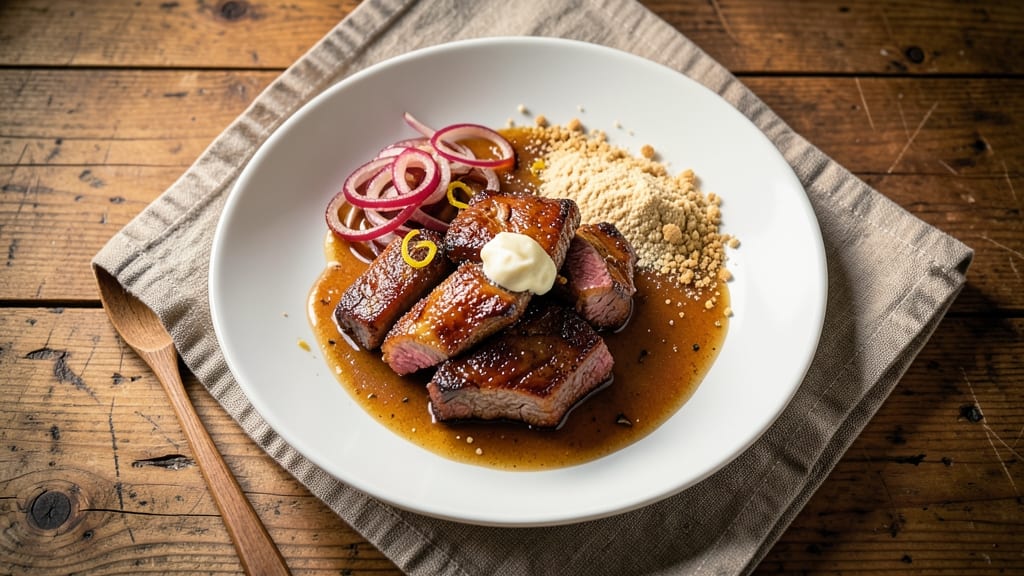
This angus beef boneless short ribs recipe transforms tough cuts into melt-in-your-mouth perfection with a caramelized crust and buttery threads. After years of perfecting the technique, I’ve cracked the code for restaurant-quality results at home—no fancy equipment required.
The secret lies in slow cooking and a rich fond that builds deep, savory flavors.
The process begins with a high-heat sear to lock in juices, followed by a slow braise that tenderizes the meat until it practically falls apart. A splash of red wine and aromatic herbs infuses the ribs with complexity, while a final reduction creates a glossy, umami-packed sauce.
This method ensures every bite delivers that coveted tender, caramelized magic that makes short ribs unforgettable.
What sets this recipe apart is the balance of technique and simplicity. You’ll achieve fork-tender ribs without hours of babysitting, thanks to a foolproof timing guide and precise temperature control.
The result? Ribs so tender they pull apart with minimal effort, bathed in a sauce that’s rich, velvety, and packed with depth.
Serve these ribs with roasted root vegetables or buttery mashed potatoes to soak up every last drop of that caramelized fond. Whether you’re hosting a dinner party or treating yourself to a special meal, this recipe delivers restaurant-quality results with minimal fuss. Let’s get cooking!
Ingredients for angus beef boneless short ribs
Restaurant-quality short ribs start with these carefully chosen ingredients for deep, caramelized magic.
| Ingredient | Amount | Notes |
|---|---|---|
| Angus Beef Boneless Short Ribs 🥩 | 3 lb | 2-2.5 inch bone-in cuts preferred |
| Kosher Salt 🧂 | 1 ½ tbsp | Diamond Crystal preferred |
| Freshly Ground Black Pepper 🌶️ | 1 tbsp | Cracked peppercorns preferred |
| All-Purpose Flour 🌾 | ½ cup | For dredging |
| Unsalted Butter 🧈 | 4 tbsp | European-style preferred |
| Yellow Onion 🧅 | 1 whole | Yellow or red, diced |
| Garlic Cloves 🧄 | 6 cloves | Peeled, smashed |
| Dry Red Wine 🍷 | 1 cup | Cabernet Sauvignon or Merlot |
| Beef Bone Broth 💧 | 2 cups | Homemade or high-quality store-bought |
| Fresh Thyme 🌿 | ¼ cup | Leaves only, stems removed |
| Fresh Rosemary 🌿 | ¼ cup | Needles finely chopped |
| Tomato Paste 🍅 | 2 tbsp | San Marzano preferred |
| Granulated Sugar 🍚 | 1 tsp | Balances acidity |
| Balsamic Vinegar 🍶 | 1 tbsp | Aged 10+ years preferred |
The Angus beef is non-negotiable for this recipe—look for bone-in cuts with good marbling at a specialty butcher or high-end grocery store like Whole Foods or Dartmouth Farms. The 2-2.5 inch thickness ensures proper cooking time and tenderness. If your butcher offers dry-aged beef, even better—it adds incredible depth of flavor. For the wine, Cabernet Sauvignon or Merlot work best, but any bold, dry red will do. The bone broth should be rich and homemade if possible, but Kitchen Basics or Imagine brands are solid store-bought options. Fresh herbs like thyme and rosemary should be bright green and fragrant—avoid wilted stems, which indicate age.
No dry red wine? Substitute with beef broth plus 1 tbsp balsamic vinegar for depth. Fresh thyme and rosemary unavailable? Dried works at one-third the amount, but fresh is ideal. The tomato paste can be swapped for 1 tbsp concentrated tomato sauce if needed. For the butter, European-style brands like Plugrá or Kerrygold add richness, but any unsalted butter works. The flour is just for dredging—cornstarch can replace it if you prefer a lighter crust. If your ribs are particularly fatty, pat them dry thoroughly before searing to ensure a good crust. For extra umami, add 1 tsp fish sauce (if not vegetarian) or 1 tbsp soy sauce as a substitute.
The short ribs should be used within 2 days of purchase for best texture—store them in the coldest part of your fridge, sealed in a container. Fresh herbs keep for 5-7 days wrapped in damp paper towels. The bone broth and wine can be prepped ahead and refrigerated for up to 3 days before braising. For leftovers, ribs reheat beautifully—simmer in their sauce for 10-15 minutes on the stove. The caramelized fond at the bottom of the pot is pure gold—deglaze it with 1/4 cup water and 1 tbsp butter for extra richness. Portion the ribs into airtight containers with sauce for 3-4 days of fridge storage or 3 months frozen.
Why You'll Love This Recipe
- Same recipe, different vibes: throw them on the stove for a Tuesday night with mashed potatoes, or slow-roast them for a Sunday spread with roasted veggies. My roommates don’t even question why I make this for “casual” dinners anymore.
- No Fuss Setup: I swear by the flour-and-butter crust trick—just pat the ribs dry, coat them in that simple mix, and sear. No fancy marinades, no stress. The ribs practically cook themselves while you stir a pot of beans or toss a salad.
- Butter-Basted Magic: That first bite? The crust shatters under your fork, revealing tender meat dripping in browned butter. Honestly, the butter isn’t just for flavor—it’s the secret weapon turning this into a dish that makes people pause mid-conversation.
- Weeknight to Dinner Party: Same recipe, different vibes: throw them on the stove for a Tuesday night with mashed potatoes, or slow-roast them for a Sunday spread with roasted veggies. My roommates don’t even question why I make this for “casual” dinners anymore.
Step-by-step instructions for braised Angus beef boneless short ribs
Transform tough cuts into melt-in-your-mouth perfection through precise technique and patience.
Season and Sear the Short Ribs
Pat the 3 lb Angus Beef Boneless Short Ribs completely dry with paper towels—this ensures maximum browning. In a bowl, combine 1.5 tbsp Kosher Salt and 1 tbsp Freshly Ground Black Pepper, then coat the ribs evenly on all sides. Let them sit at room temperature for 30 minutes while you prepare the sear.
Heat a large Dutch oven over medium-high heat until smoking hot. Add the ribs in a single layer, working in batches if needed, and sear undisturbed for 4-5 minutes per side until deeply browned. This caramelization forms the flavor foundation. Transfer the seared ribs to a plate and set aside.
Build the Flavor Base
In the same Dutch oven, reduce heat to medium and add 4 tbsp Unsalted Butter. Let it melt completely, then add the 1 whole Yellow Onion (diced) and cook for 5 minutes until softened and golden. Add the 6 cloves Garlic Cloves (smashed) and cook for another 30 seconds until fragrant—don't let it burn.
Sprinkle in 0.25 cup Fresh Thyme and 0.25 cup Fresh Rosemary (chopped), stirring to release their aromatics. Stir in 2 tbsp Tomato Paste and 1 tsp Granulated Sugar, cooking for 1 minute to deepen the flavor. Deglaze with 1 cup Dry Red Wine, scraping up all the browned bits from the bottom—this is where the magic happens.
Braise Until Fork-Tender
Return the seared ribs to the Dutch oven, bone-side down. Pour in 2 cups Beef Bone Broth and bring to a gentle simmer. Cover tightly and transfer to a 300°F oven. Braise for 3 hours, turning the ribs halfway through cooking. The liquid should reduce significantly, creating a rich, caramelized sauce.
Check for doneness by inserting a fork into the thickest part of a rib—it should slide in easily with no resistance. If needed, continue braising for another 30 minutes. The ribs should be fork-tender with a deep mahogany color. Real talk: resist the urge to peek or stir, as this disrupts the cooking process.
Finish with Balsamic and Rest
Remove the ribs from the oven and increase heat to medium-high. Stir in 1 tbsp Balsamic Vinegar and simmer uncovered for 5-7 minutes until the sauce thickens slightly and coats the back of a spoon. This final step adds brightness and depth to the dish.
Transfer the ribs to a serving platter and tent loosely with foil. Let them rest for 10 minutes before serving. This resting period allows the juices to redistribute, ensuring each bite is moist and flavorful. Spoon the caramelized sauce over the top and serve with crusty bread to soak up every last drop.
Pro Tips For Making Angus Beef Boneless Short Ribs
- Pat Dry the Ribs: You’d be surprised how many people skip this step—don’t. After searing, grab paper towels and wipe away every drop of moisture from the ribs before adding butter or flour. The extra effort guarantees a proper crust instead of a sad, sticky mess.
- Sear in Batches: I learned this the hard way—crowding the pan drops the temperature and turns your sear into a sad, greasy bath. Work in small batches (2-3 ribs at a time) over medium-high heat until deep brown. Your future self will notice the difference.
- Use Cold Butter: Sounds weird, but it works: chill your butter for 10 minutes before adding it to the pan. Cold butter melts slower, creating a rich, foamy sauce instead of a greasy sludge. Skip this, and you’ll end up with a pan full of butter fat instead of flavor.
- Rest Before Slicing: Cutting into ribs too soon turns them into a mushy pile. Give them a solid 5-10 minutes under foil before slicing—this lets the juices redistribute. I know, I know, but trust the process. Your knife will thank you.
Wine and beer pairings for this angus beef boneless short ribs
Red Wine Pairings
For these rich, braised ribs, a bold Cabernet Sauvignon or Malbec is my go-to choice. The tannins in these wines complement the beef's deep, caramelized flavors while cutting through the richness. I love a Napa Valley Cabernet with its blackcurrant and vanilla notes—it mirrors the rib's umami depth.
For something more affordable, try a Chilean Carmenère, which offers similar structure with a touch of spice. 🍷
Beer Pairings
A dark, malty Belgian Dubbel or American Stout brings out the ribs' caramelized sweetness. Look for a beer with chocolate and caramel notes, like Westmalle Dubbel or Founders Kentucky Breakfast Stout.
The beer's roasted flavors play beautifully against the ribs' tender texture. For a lighter option, a honey-brown ale adds subtle sweetness without overpowering the dish.
White Wine Surprise
Don’t overlook a full-bodied Chardonnay with oak influence—its buttery notes enhance the ribs' richness. A California Chardonnay from Sonoma County works beautifully, especially if it has hints of vanilla and toasted oak. The acidity also balances the dish's heaviness, making each bite more refreshing. 💛
Non-Alcoholic Options
For a mocktail pairing, try a spiced apple cider or ginger beer with a splash of balsamic reduction. The tartness of the cider cuts through the ribs' richness, while ginger beer adds a zesty kick.
For a more sophisticated option, a sparkling grape juice with a rosemary sprig garnish elevates the experience without alcohol.
Regional Beer Styles
In the Pacific Northwest, a hazy IPA with caramel and citrus notes can work surprisingly well. The hop bitterness contrasts the ribs' sweetness, while the malt sweetness complements the caramelized fond.
For a Southern US twist, try a bourbon barrel-aged stout—the vanilla and oak flavors harmonize perfectly with the braised beef. ✨
Nutrition facts
Frequently asked questions
Can I use bone-in short ribs instead of boneless?
Bone-in ribs will require 10-15 extra minutes of braising time to account for the bone's insulation effect. The bone actually adds depth to the flavor, so if you can find them, go for it. Just ensure they're 2-2.5 inches thick for even cooking. The braising liquid will also develop more richness from the bone marrow.
What's the best way to store leftovers?
Store ribs in an airtight container with their sauce for up to 3-4 days in the fridge. For longer storage, freeze them for 3 months—portion into individual servings first. To reheat, simmer gently in a pot with a splash of broth for 10-15 minutes until warmed through. Avoid microwaving as it can make the sauce watery.
Why did my ribs turn out tough instead of tender?
This usually happens from one of three issues: not enough braising time, too much liquid, or not searing properly. First, ensure you're cooking at 300°F for the full 3 hours (or until fork-tender). Second, the liquid should reduce significantly—if it's still shallow, cook uncovered for 15-20 minutes longer. Finally, always sear until deeply browned to create that flavor lock.
Can I make this recipe in a slow cooker?
Yes! Sear the ribs first, then transfer them to your slow cooker with all the braising ingredients. Cook on Low for 8-10 hours or High for 5-6 hours. The ribs will be slightly more tender than oven-braised, but the sauce may be thinner. For thickness, reduce it on the stovetop after cooking. Add 1/2 cup broth if the sauce becomes too dry during reduction.
How do I know when the ribs are fully cooked?
Use the fork test: Insert a fork into the thickest part of a rib—it should slide in easily with no resistance and the meat should pull apart like butter. The ribs should also have a deep mahogany color. If they're still slightly firm after 3 hours, continue cooking for another 30 minutes. Never rely on internal temperature alone—short ribs cook best by texture, not temperature.