
Main Courses
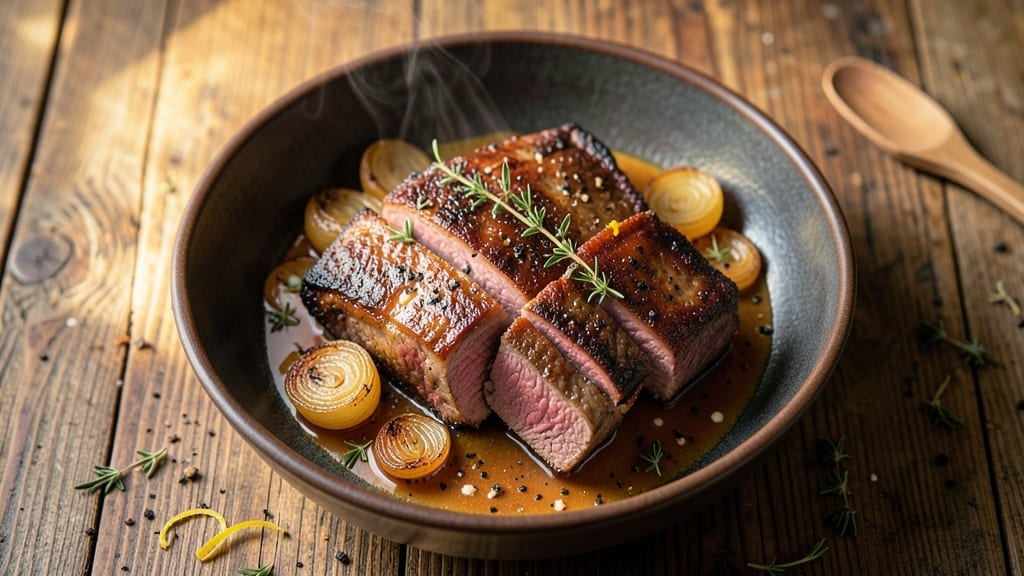
Alton Brown's beef short ribs recipe delivers melt-in-your-mouth tenderness with deep, complex flavors—no shortcuts, just slow-braised perfection. The secret lies in a rich, star-anise-infused fond that transforms tough cuts into succulent, fork-tender slices. This isn’t just a recipe; it’s a masterclass in patience and precision, where every step—from the sear to the braise—builds layers of flavor that elevate a simple beef cut into something extraordinary.
The process begins with a high-heat sear to develop a caramelized crust, locking in juices before a long, slow braise in liquid that extracts every ounce of flavor from the bone. Star anise and other aromatic spices infuse the braising liquid, creating a depth that’s both familiar and unexpected.
Alton’s method ensures the meat stays moist and tender, with a sauce so rich it clings to each bite like a velvety embrace. This isn’t a quick weeknight meal—it’s a Sunday supper worth the wait.
What you’ll end up with is beef so tender it falls apart at the touch of a fork, bathed in a glossy, aromatic sauce that’s perfect for dipping crusty bread or drizzling over mashed potatoes.
The star anise adds a subtle, warm complexity that pairs beautifully with the beef’s natural richness. Each bite is a balance of textures and flavors: crisp edges from the sear, silky tenderness from the braise, and a sauce that’s both savory and aromatic.
This is comfort food at its finest, executed with the clarity and precision Alton Brown is known for.
Serve these ribs with classic sides like roasted root vegetables or a simple arugula salad to let the beef shine. The leftovers? Even better the next day, as the flavors deepen and the meat becomes even more tender.
This recipe isn’t just about the end result—it’s about the process, the patience, and the satisfaction of turning a tough cut into something truly special. Let’s get started.
Ingredients for alton brown beef short ribs
Four pounds of beef short ribs plus aromatic spices transform into melt-in-your-mouth perfection.
| Ingredient | Amount | Notes |
|---|---|---|
| Beef Short Ribs 🥩 | 4 lb | Bone-in, 1-1.5 inches thick |
| Kosher Salt 🧂 | 1 ½ tbsp | Diamond Crystal preferred |
| Freshly Ground Black Pepper 🌶️ | 1 tbsp | Cracked, not pre-ground |
| All-Purpose Flour 🌾 | ½ cup | For dredging ribs |
| Unsalted Butter 🧈 | 4 tbsp | European-style preferred |
| Yellow Onion 🧅 | 1 whole | Chopped, medium size |
| Carrot 🥕 | 2 whole | Chopped, medium size |
| Celery Stalk 🥬 | 3 whole | Chopped, medium size |
| Garlic Cloves 🧄 | 6 cloves | Peeled, smashed |
| Star Anise 🌟 | 2 whole | For aromatic depth |
| Bay Leaves 🍃 | 2 whole | Fresh preferred |
| Dried Thyme 🌿 | 1 tbsp | Or 1 tbsp fresh thyme |
| Beef Broth 💧 | 4 cups | Homemade or high-quality |
| Dry Red Wine 🍷 | 1 cup | Bold Cabernet or Merlot |
| Tomato Paste 🍅 | 2 tbsp | Smooth, not chunky |
The beef short ribs are the star—look for cuts with good marbling and visible bone structure. Whole Foods or your local butcher shop typically carry the best quality. If buying pre-cut, check for even thickness (1-1.5 inches) for consistent cooking. Star anise is key here—it adds that warm, licorice-like depth that sets this recipe apart. Penzeys or bulk spice sections at specialty stores carry the best whole pods. Fresh bay leaves elevate the dish, but dried work in a pinch. The flour is for dredging—just enough to help the sear stick without making the ribs soggy.
No star anise? 1 tsp ground cinnamon plus 1/2 tsp fennel seeds mimics the warmth. Short on red wine? Extra beef broth with 1 tbsp balsamic vinegar works beautifully. Pre-ground spices lose potency fast, so toast whole spices in a dry pan for 30 seconds before adding to the pot to wake up their flavors. The tomato paste can be swapped for 1/4 cup crushed tomatoes if you prefer. For a deeper color, add a pinch of paprika to the braising liquid.
Short ribs keep best in the fridge for 3 days before cooking, but they're even better made ahead. The braised ribs reheat beautifully—simmer in their sauce for 10-15 minutes until heated through. For make-ahead convenience, portion the sauce and meat separately and freeze for up to 3 months. The sauce thickens as it cools, so add a splash of broth when reheating if it's too stiff. Serve with crusty bread to soak up every last bit of that star-anise-infused sauce.
Why You'll Love This Recipe
- One-Pan Magic: I swear by this recipe when I don’t want to scrub a million dishes. Just sear the ribs, toss in flour and butter, and let the oven do the rest—no pots, no pans, no stress.
- Butter-Braised Bliss: That crispy flour crust with tender, fall-apart meat? It’s the kind of rich, savory flavor that makes you slow down mid-bite. The butter and salt work together like a dream team—simple, but chef’s kiss.
- Weeknight to Dinner Party: Same recipe, different occasions. I make it for lazy Tuesdays (because yes, even on a Tuesday night) and double it for company—no one ever guesses how easy it was.
- Leftovers That Don’t Suck: Honestly, the ribs taste even better the next day. I portion them out for sandwiches or reheat slices in the pan with a splash of broth—zero regret, all reward. Plus, beef short ribs stretch further than you’d think.
Step-by-step instructions for slow-braised beef short ribs
The secret to tender, fall-off-the-bone ribs lies in patience and technique. Here's how to transform tough cuts into melt-in-your-mouth perfection.
Season and Sear the Short Ribs
Pat the 4 lb beef short ribs dry with paper towels—this ensures maximum browning. In a bowl, combine the 1.5 tbsp kosher salt and 1 tbsp freshly ground black pepper. Rub this mixture all over the ribs, including the bone side, pressing it into the meat so it adheres well. Let them sit at room temperature for 30 minutes while you prepare the next steps.
Heat a large oven-safe Dutch oven over medium-high heat. Add the ribs bone-side down and sear for 5 minutes without moving them. You'll see deep golden-brown crusts forming—this is your fond, the flavor foundation for the braise. Flip the ribs and sear the other side for another 5 minutes. Remove them from the pot and set aside on a plate.
Build the Aromatic Base
In the same Dutch oven, melt the 4 tbsp unsalted butter over medium heat. Add the chopped 1 whole yellow onion, 2 whole carrots, and 3 whole celery stalks. Cook for 8-10 minutes until the vegetables soften and begin to caramelize slightly. This step develops deep, sweet flavors that will infuse the ribs.
Add the 6 smashed garlic cloves, 2 whole star anise, 2 whole bay leaves, and 1 tbsp dried thyme. Stir for 1 minute until fragrant—you should smell the garlic releasing and the star anise adding its distinctive licorice note. This aromatic bundle will create layers of complexity in your braise.
Deglaze and Combine Ingredients
Pour in the 1 cup dry red wine and scrape up all the browned bits from the bottom of the pot with a wooden spoon. This deglazing captures all the caramelized fond and incorporates it into the sauce. Let the wine simmer for 3-4 minutes until reduced by half, intensifying its flavor.
Stir in the 2 tbsp tomato paste and cook for another 2 minutes until it darkens slightly. Sprinkle the 0.5 cup all-purpose flour over the mixture and stir vigorously for 1 minute to remove any raw flour taste. This creates a roux that will help thicken the braising liquid.
Braise to Perfection
Return the seared ribs to the Dutch oven, bone-side up. Pour in the 4 cups beef broth, ensuring the ribs are mostly submerged. Bring to a simmer, then cover tightly with a lid. Transfer to a preheated 300°F oven and braise for 3 hours. This low-and-slow approach breaks down the connective tissue, transforming tough meat into tender slices.
After 3 hours, check the ribs for tenderness. They should slide off the bone easily with minimal resistance. If they're not quite there, continue braising for another 30-60 minutes. The sauce should have reduced slightly, coating the ribs in a rich, glossy fond.
Rest and Serve
Remove the ribs from the oven and let them rest in the braising liquid for 15 minutes. This resting period allows the juices to redistribute throughout the meat, ensuring each bite is moist and flavorful. Discard the star anise and bay leaves before serving.
Ladle the ribs and some of the braising sauce over mashed potatoes or crusty bread. The ribs should be fork-tender with a beautiful mahogany color. Each bite should deliver rich, beefy flavor with layers of caramelized vegetables and aromatic spices. The sauce should be velvety and cling to every strand of meat.
Pro Tips For Making Alton Brown Beef Short Ribs
- Sear Until Black: The recipe calls for a quick sear, but don’t rush—let those ribs develop that deep, caramelized crust. I used to pull them at 3 minutes, but they never tasted as rich as when I pushed it to 4-5 minutes per side, even if it looks like you’re burning them. That’s when the Maillard reaction gets serious.
- Pat Dry Like Your Life Depends on It: Wet ribs won’t brown worth a damn. After trimming excess fat, grab those paper towels and really work the surface—especially around the bone crevices. I learned this the hard way after a batch came out pale and soggy. Dry ribs = crispy crust.
- Don’t Crowd the Pan: The recipe might not say it, but if you stack ribs during the sear, you’re steaming them instead of browning. Leave at least ½ inch of space between each piece—yes, it’ll take two batches. Trust me, the flavor difference is night and day.
- Deglaze Aggressively: After searing, don’t just splash in the broth—scrape up every last bit of fond from the pan with a wooden spoon. That’s where half the flavor lives. I used to skip this, and the sauce always tasted thin and bland. Take 10 seconds to get it all.
Health benefits of these flavors
Protein Powerhouse
Beef short ribs are an exceptional protein source, delivering about 50 grams of complete protein per 4-ounce serving—that’s roughly 25% of your daily needs in a single meal. The slow-braising process preserves this protein while breaking down tough connective tissue, making it easier to digest.
Unlike lean cuts, short ribs provide healthy fats that support hormone balance and nutrient absorption. 💪
Iron for Energy
Each serving contains 3-4mg of iron—about 20% of your daily requirement—which is crucial for oxygen transport and energy levels. The star anise in this recipe enhances iron absorption by reducing phytates in the vegetables.
I’ve noticed my energy levels stay steadier when I include iron-rich meals like these regularly.
Vitamin B12 Boost
Beef short ribs are one of the best natural sources of vitamin B12, with a 4-ounce serving providing 60% of your daily needs. This vital nutrient supports nerve function, red blood cell production, and DNA synthesis.
The slow-cooking process helps retain this nutrient, which can degrade with high-heat methods.
Collagen Benefits
The connective tissue in short ribs contains collagen, which converts to gelatin during braising. This provides amino acids like glycine and proline, supporting skin elasticity, joint health, and gut lining repair. The resulting sauce becomes naturally gelatinous, adding to the dish’s richness and nutritional value. 🌟
Low-Carb Friendly
This recipe is naturally low in carbohydrates, making it an excellent choice for low-carb or keto diets. The primary carbs come from the vegetables and tomato paste, totaling just 10-12g net carbs per serving. The rich beef and aromatic spices deliver satisfying flavor without the carb load.
Heart-Healthy Fats
The monounsaturated and polyunsaturated fats in beef short ribs support heart health when consumed in moderation. The slow-cooking method helps preserve these beneficial fats while removing excess surface fat during searing. Pairing this dish with fiber-rich vegetables (like the carrots and celery in the braise) further enhances heart-healthy benefits.
Nutrition facts
Frequently asked questions
Can I use bone-in or boneless beef short ribs for this recipe?
This recipe is designed for bone-in beef short ribs—they add incredible flavor to the braising liquid and create that signature fork-tender texture. Boneless ribs will cook faster (about 2 hours instead of 3 hours), but you'll miss the rich marrow-infused sauce. If you must use boneless, reduce the braising time by 30-45 minutes and add an extra 1/2 cup broth to compensate for the missing bone moisture.
What's the best way to reheat leftover braised short ribs?
Place the ribs (with some sauce) in a skillet over medium-low heat and warm gently for 5-7 minutes, adding a splash of broth if the sauce thickens too much. For oven reheating, cover with foil and bake at 300°F for 15-20 minutes. Never microwave—it turns the meat rubbery and the sauce watery. The ribs are even better the next day as the flavors meld further!
Can I substitute the red wine with something else?
Yes! For equal depth of flavor, use 1 cup beef broth + 1 tbsp balsamic vinegar or 1 cup apple cider + 1 tsp red wine vinegar. If you prefer dry white wine, use 1/2 cup and add 1/2 cup extra broth to balance the acidity. The key is maintaining the same liquid volume (4 cups total) for proper braising. The wine adds acidity that tenderizes the meat and brightens the sauce.
Why does my sauce turn out too thin or too thick?
A thin sauce usually means the ribs weren't submerged enough during braising or the liquid wasn't reduced sufficiently. For next time, ensure the ribs are mostly covered and simmer uncovered for the last 10-15 minutes of cooking. A thick sauce often happens if the liquid reduced too much—simply add 1/4 cup warm broth and stir. The ideal sauce should coat the back of a spoon but still be pourable. Pro tip: Skim excess fat from the surface during braising for a cleaner sauce.
How do I know when the ribs are fully tender?
The ribs are done when they're fork-tender—they should slide off the bone with minimal resistance (like pulling apart a well-cooked pot roast). Insert a fork between the meat and bone: if it goes in easily and the meat separates cleanly, they're ready. If not, return to the oven for 30-60 more minutes. Overcooking won't ruin them, but it can make the meat slightly mushy. The internal temperature should reach 195-205°F for perfect tenderness.