
Main Courses
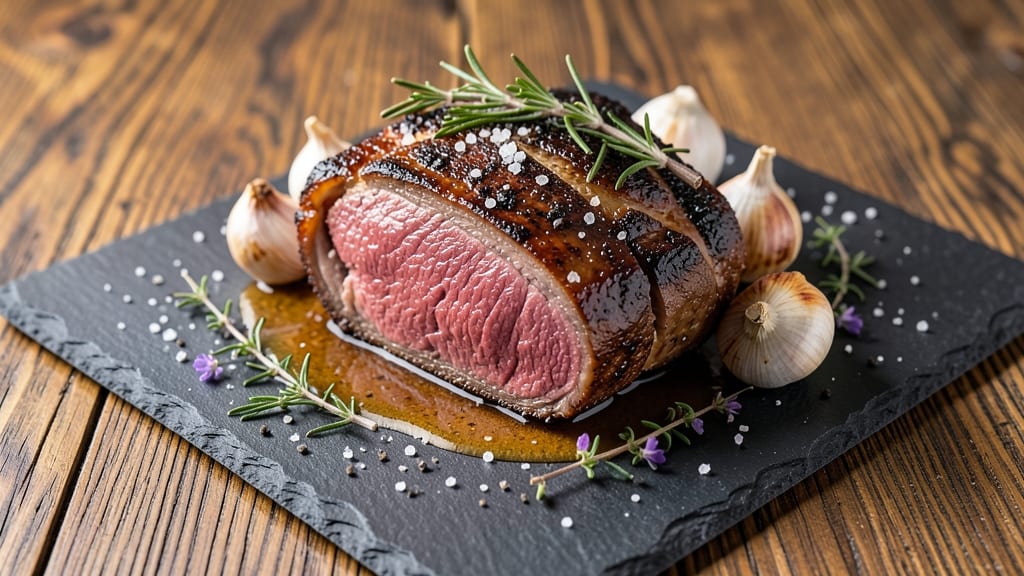
This All American roast beef recipe delivers the perfect balance of tender, juicy meat with a caramelized crust that makes every slice worth savoring. 🔥 The secret lies in a dry-brine technique that enhances flavor and moisture, ensuring your roast stays succulent from edge to edge.
What sets this apart is the slow-roasting method, which builds that coveted crust while keeping the interior melt-in-your-mouth tender.
You'll start with a prime cut of beef, seasoned simply yet effectively with classic American spices—no fancy rubs needed. The roast cooks low and slow until the internal temperature reaches 130°F for medium-rare, then rests to lock in those juices.
This method transforms tough cuts into a showstopper that's perfect for holidays or Sunday dinners, where presentation matters just as much as taste.
The result is a roast beef so rich and flavorful, it becomes the centerpiece of your meal. Pair it with classic sides like creamy mashed potatoes, roasted garlic herbs, or a tangy red wine au jus for dipping.
Every slice will be juicy, with a crust so caramelized it practically melts in your mouth—exactly what you’d expect from a traditional American roast.
Whether you're hosting a family gathering or treating yourself to a special meal, this recipe delivers restaurant-quality results at home. The key is patience and precision, but the reward is unbeatable: a roast beef that tastes like it belongs on a holiday table, no matter the occasion.
Ingredients for all american roast beef
Six ingredients transform a simple roast into a showstopping centerpiece.
| Ingredient | Amount | Notes |
|---|---|---|
| Prime Ribeye Roast 🥩 | 4 lb | Bone-in for best flavor |
| Kosher Salt 🧂 | ¾ cup | Diamond Crystal preferred |
| Freshly Ground Black Pepper 🌶️ | 2 tbsp | Coarse grind for texture |
| Garlic Cloves 🧄 | 6 cloves | Smashed for flavor infusion |
| Fresh Rosemary 🌿 | ¼ cup | Chopped, stems removed |
| Fresh Thyme 🌿 | ¼ cup | Leaves only, stems removed |
| Unsalted Butter 🧈 | ½ cup | Cold, cubed for basting |
| Red Wine 🍷 | 1 cup | Bold dry red like Cabernet |
| Beef Au Jus 🍲 | 1 cup | Store-bought or homemade |
| Olive Oil 🫒 | 2 tbsp | For basting and crust |
| Yellow Onion 🧅 | 1 whole | Quartered for pan drippings |
| Carrots 🥕 | 2 whole | Whole for pan drippings |
| Celery Stalks 🥬 | 2 whole | Whole for pan drippings |
The beef is everything here. Prime ribeye roast delivers that classic American flavor, but top round or chuck work too if you're on a budget. Look for cuts with good marbling—Costco or Whole Foods have the best selection. Bone-in is ideal (it adds flavor), but boneless works if that's what you've got. The key is to let the roast sit at room temperature for 1 hour before cooking—this ensures even cooking. I always ask the butcher to tie the roast with kitchen twine for a perfect shape (or do it yourself with butcher's twine).
Salt matters—Diamond Crystal kosher salt dissolves better than table salt. Fresh herbs can be swapped for dried at one-third the amount (so 1 tbsp dried rosemary instead of 0.25 cup fresh), but fresh is always better. No red wine? Beef broth with a splash of balsamic works in a pinch. The butter should be cold when you cube it—microwave 40 seconds to just soften it for basting. For the pan drippings, I use yellow onion, carrots, and celery (the classic mirepoix), but any veggies you've got will do. The au jus can be store-bought, but homemade is worth the extra 15 minutes.
This roast tastes even better the next day. Wrap it tightly in foil and let it rest at room temperature for 1 hour before slicing. Store any leftovers in the fridge for 4-5 days or freeze for 3 months. For presentation, slice against the grain and arrange on a platter with the pan drippings spooned over the top. The crust will be golden and crispy—worth every minute of that slow roast.
Why You'll Love This Recipe
- No-Fuss Seasoning: I swear by this combo—just salt, pepper, and crushed garlic cloves tucked under the rosemary sprigs. No fancy marinades or basting required. The beef practically seasons itself as it roasts, and honestly, that’s the magic.
- Crispy-Perfect Edge: That rosemary and garlic crust? Chef’s kiss. The moment it pulls away from the bone with a golden-brown crackle, I lose my mind. It’s the kind of texture that makes people pause mid-bite and ask, “What’d you do?”
- Game-Day Ready: Between us, this is my go-to for tailgates, Sunday dinners, or when my in-laws roll up unannounced. Slice it thin, pile it high, and suddenly you’ve got a showstopper that feeds a crowd without the stress of a 20-step recipe.
- Leftovers I Actually Love: Yes, even on a Tuesday night. The rosemary’s aroma lingers in the fridge, turning cold cuts into something special. I’ll toss slices into salads, melt them into sandwiches, or just reheat them with a sprinkle of salt—still delicious, still worth it.
Step-by-step instructions for all American roast beef
Here's how to transform a simple roast into a showstopping centerpiece with perfect juiciness and caramelized crust.
🔥 Step 1: Season and Sear the Prime Ribeye
Preheat your oven to 425°F and let the prime ribeye roast sit at room temperature for 30 minutes while you prep. Pat the roast dry with paper towels—this is crucial for that crispy crust we're after. Rub all sides generously with the 0.75 cup kosher salt and 2 tbsp freshly ground black pepper, pressing firmly so the seasoning sticks.
Heat 2 tbsp olive oil in a large oven-safe roasting pan over medium-high heat. Once shimmering, add the roast fat-side down and sear for 5 minutes until deeply browned. Flip and sear the other sides for another 3 minutes. This initial sear locks in juices and builds flavor foundation. Transfer the pan to the preheated oven immediately after searing.
👨🍳 Step 2: Prepare the Herb and Wine Basting Mixture
While the roast begins cooking, make your basting mixture in a small bowl. Combine the 0.25 cup chopped fresh rosemary, 0.25 cup fresh thyme leaves, 6 smashed garlic cloves, and 0.5 cup cold cubed unsalted butter. Mash everything together with a fork until you have a chunky paste—this will infuse incredible flavor into your roast as it cooks.
In a separate small bowl, mix the 1 cup red wine and 1 cup beef au jus. This liquid will be our basting sauce, keeping the meat moist and adding depth of flavor. Keep both mixtures nearby—they'll be used together in the next step.
🥘 Step 3: Layer Vegetables and Baste the Roast
Arrange the 1 whole quartered yellow onion, 2 whole carrots, and 2 whole celery stalks around the roast in the pan. This creates a flavorful nest that will help cook the vegetables while keeping the roast elevated for even heat circulation. Pour the wine and au jus mixture into the bottom of the pan—this will create delicious pan drippings later.
Using a pastry brush, generously coat the roast with the herb butter mixture. This is where the magic happens—every brush bastes the meat with flavorful fat. Return the roast to the oven and reduce heat to 325°F. Here's the key: baste the roast every 30 minutes for the first 2 hours of cooking. Each basting adds another layer of flavor and helps build that caramelized crust.
⏰ Step 4: Cook to Perfect Doneness
Cook the roast for a total of 3 to 3.5 hours (about 15 minutes per pound for medium-rare). The internal temperature should reach 125°F for medium-rare—use a meat thermometer inserted into the thickest part of the roast (not touching bone) to check. Real talk: don't rely on time alone, the thermometer is your best friend here.
About 45 minutes before the roast is done, increase the oven temperature to 450°F. This final broil creates that beautiful caramelized crust we're after. Brush the roast one last time with any remaining herb butter mixture and let it broil for 10-15 minutes, watching closely to prevent burning. The crust should be deep golden brown with some charred spots—this is what makes it taste amazing.
🍽️ Step 5: Rest and Serve with Pan Sauce
Remove the roast from the oven and transfer it to a cutting board. Tent loosely with foil and let it rest for at least 20 minutes (up to 30 minutes is even better). This resting period is critical—it allows the juices to redistribute throughout the meat, ensuring each slice is moist and flavorful. Don't skip this step, no matter how tempting it is to cut into that beautiful roast immediately.
While the roast rests, skim off most of the fat from the pan drippings (leave about 2 tbsp for flavor). Place the pan with drippings over medium heat and add the vegetables from the roasting pan. Simmer for 10 minutes until vegetables are tender. Remove vegetables and set aside. Pour in ½ cup water and scrape up all those delicious browned bits from the bottom of the pan. Simmer until slightly thickened, then strain the sauce through a fine-mesh sieve. Return the sauce to the pan and keep it warm.
Pro Tips For Making All American Roast Beef
- CRANK THE HEAT FIRST: Sear that prime ribeye in a screaming-hot pan for 3-4 minutes per side before transferring to the oven. I learned this the hard way—low heat upfront means gray, sad beef instead of that deep, caramelized crust that makes all the difference.
- SALT THE GARLIC: Toss your minced garlic cloves with a pinch of kosher salt before pressing them into the beef. After burning three batches of bland roast beef, I finally figured out that salting the garlic makes it release flavor instead of just sitting there like a shy guest at a party.
- SKIP THE CROWDED PAN: Don’t overfill your roasting pan—leave at least 1 inch of space around the roast. I was skeptical until I tried it: the extra room lets the meat breathe, so the crust stays crisp and the juices don’t turn into a sad, watery pool.
- REST IT UNDER FOIL: After pulling the beef from the oven, tent it loosely with foil and let it sit for 10-15 minutes. This isn’t the prettiest method, but it’s the tastiest—it keeps the juices locked in while the meat finishes relaxing, so your first slice isn’t a dry disappointment.
Troubleshooting perfect results
Uneven Cooking
If your roast beef comes out unevenly cooked, the issue is usually poor heat distribution. Place your roast on a wire rack inside a roasting pan—this allows hot air to circulate around all sides.
I’ve found that bone-in cuts can also create hot spots near the bone, so rotate the pan halfway through cooking if needed. For thicker roasts over 4 pounds, consider using a meat thermometer with multiple probes to track different sections. 🌡️
Dry or Tough Meat
Overcooking is the #1 cause of dry roast beef. Remove the meat from the oven when it reaches 125°F internal temperature for medium-rare—it’ll rise to 130°F while resting. If your roast feels tough, it likely cooked too long.
To fix this, rest it longer (up to 45 minutes) and slice against the grain. For future attempts, reduce oven temperature by 25°F and cook more slowly.
Weak Flavor Profile
If your roast tastes bland, the seasoning likely didn’t penetrate deeply enough. For better flavor infusion, dry-brine the roast overnight (place it uncovered in the fridge with 1 tbsp salt per pound for 12-24 hours).
Before cooking, pat it dry and re-season with freshly cracked black pepper and minced garlic pressed into the surface. I also recommend adding 1 tsp smoked paprika to the herb butter mixture for extra depth.
Sauce Too Thin
If your pan sauce turns out watery, you likely didn’t reduce it enough. After skimming fat, simmer the drippings uncovered for 5-10 extra minutes to thicken. For a richer sauce, add 1 tbsp cornstarch mixed with 2 tbsp cold water and stir until thickened.
To prevent future issues, deglaze the pan with ½ cup red wine instead of water—this adds complexity and helps thicken naturally.
Crust Not Forming
A crust that won’t caramelize usually means the meat wasn’t dry enough or the oven wasn’t hot enough. Pat the roast extra dry with paper towels before searing, and baste with butter at the 30-minute mark and again at 1 hour to promote browning.
For stubborn crust issues, finish with a 5-minute broil at the end—just watch closely to avoid burning.
Resting Too Short
Skipping the rest or cutting too soon leads to dry slices. The 20-30 minute rest is non-negotiable—it lets juices redistribute. If you’re impatient, tent the roast with foil and let it rest on a warm plate (not cold countertops) to maintain temperature.
For large roasts, rest up to 45 minutes—the bigger the cut, the longer it needs to relax its fibers. 💪
Nutrition facts
Frequently asked questions about all American roast beef
What's the best cut of beef for this roast?
Prime ribeye delivers that classic American flavor with excellent marbling, but top round or chuck roast work well too if you're budget-conscious. For maximum tenderness, look for cuts with good fat distribution—bone-in is ideal (it adds flavor), though boneless works in a pinch. Always ask your butcher to tie the roast with kitchen twine for even cooking.
Can I make this roast ahead of time?
Cook the roast up to 2 days ahead and store it wrapped tightly in foil in the fridge. Reheat gently in a 325°F oven for 20-30 minutes until warmed through. The flavors actually improve with time—just slice and serve with fresh sides. For presentation, warm the pan sauce separately and drizzle over slices before serving.
How do I carve roast beef properly?
First, slice against the grain at a 45-degree angle for maximum tenderness. Start at one end and work toward the bone, keeping your knife parallel to the cutting board. For a showstopping presentation, arrange slices fan-style on a platter with the pan sauce spooned over the top. Use a sharp carving knife and never force it—let the knife do the work.
What sides pair best with this roast?
Classic American pairings include creamy mashed potatoes, roasted garlic herbs, and a tangy red wine au jus. For a lighter option, try a crisp green salad with balsamic vinaigrette. The roast's rich flavors also complement roasted root vegetables or buttery dinner rolls. Pro tip: Save the roasted vegetables from your pan drippings to make a quick vegetable medley.
Why does my roast turn out dry?
Overcooking is the #1 cause—remove the roast when it hits 125°F internal (it'll rise to 130°F while resting). Always use a meat thermometer! For future attempts, reduce oven temp by 25°F and cook more slowly. Also ensure you're slicing against the grain and resting the meat for 20-30 minutes before serving.