
Soups & Stews
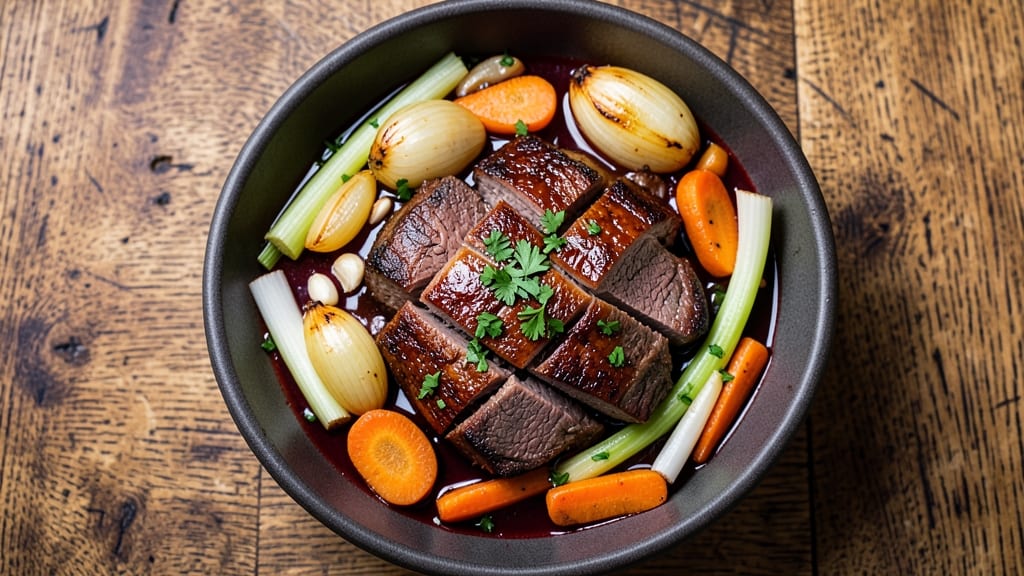
This absolute best beef stew recipe transforms tough cuts into melt-in-your-mouth perfection through slow braising and deep umami development. The secret lies in proper browning, deglazing, and a long simmer that builds rich, complex flavors—no shortcuts, just restaurant-quality results.
Every bite delivers tender beef, caramelized vegetables, and a velvety broth that makes this the ultimate comfort dish.
What sets this apart is the technique: beef browned in batches for maximum flavor extraction, then slow-cooked with aromatic vegetables and a touch of red wine for depth. The herbs and spices infuse gradually, creating layers of taste that store-bought versions can't match.
It's the kind of stew that gets better as it sits, with flavors melding into harmony over hours of gentle cooking.
The result is a hearty, deeply satisfying stew with fork-tender beef chunks, perfectly softened root vegetables, and a sauce so rich it coats every spoonful.
The aroma alone will have your kitchen smelling like a classic French bistro, while the texture delivers that perfect balance of tender meat and crisp edges on the vegetables.
Serve with crusty bread for soaking up every drop of that flavorful broth, or pair it with a simple green salad for contrast. This isn't just another stew—it's a meal that feels like a hug in a bowl, worthy of your best table setting. Let's get cooking!
Ingredients for absolute best beef stew
Sixteen ingredients for a stew that tastes like a French bistro hug.
| Ingredient | Amount | Notes |
|---|---|---|
| Chuck Roast 🥩 | 3 lb | Well-marbled, cut into 1.5-inch chunks |
| Yellow Onion 🧅 | 2 whole | Chopped, medium dice |
| Carrots 🥕 | 4 whole | Peeled, cut into 1-inch chunks |
| Celery Stalks 🌿 | 4 whole | Chopped, with leaves included |
| Garlic Cloves 🧄 | 6 cloves | Smashed, skin-on for extra flavor |
| Red Wine 🍷 | 1 cup | Bold dry variety, like Cabernet |
| Beef Broth 💧 | 4 cups | Homemade or high-quality store-bought |
| Tomato Paste 🍅 | 2 tbsp | Smooth, not chunky |
| Fresh Thyme 🌿 | 2 sprigs | Or 2 tsp dried thyme |
| Fresh Rosemary 🌿 | 1 sprig | Woody stems removed |
| Bay Leaves 🌿 | 2 whole | Dried, standard size |
| All-Purpose Flour 🌾 | 2 tbsp | For thickening |
| Salt 🧂 | 1 ½ tsp | Kosher or sea salt |
| Black Peppercorns 🌶️ | 1 tsp | Freshly cracked |
| Olive Oil 🫒 | 2 tbsp | For searing |
The chuck roast is non-negotiable—it's the secret weapon behind that melt-in-your-mouth texture. Costco or your butcher shop will have the best cuts with good marbling. Look for pieces with visible fat streaks, not lean meat. If you're buying a whole roast, ask for it cut into 1.5-inch chunks yourself—pre-cut pieces often have inconsistent sizes. The onions, carrots, and celery should be fresh, not wilted. Trader Joe's has great pre-chopped mirepoix if you're short on time, but chopping your own gives you more control over the size. Fresh herbs like thyme and rosemary make all the difference—Whole Foods bulk section has them at the perfect price point.
No red wine? Dry sherry or beef broth with a splash of balsamic works in a pinch, but the acidity helps tenderize the meat. The tomato paste can be skipped if you're avoiding it, but it adds that deep umami richness. Fresh thyme and rosemary are ideal, but dried works at half the amount—just make sure it's not ancient dust. For the flour, King Arthur all-purpose is my go-to, but any good quality brand will do. The beef broth should be rich and flavorful—Kitchen Basics or homemade is worth the investment. If you're using store-bought, look for brands with no added MSG or preservatives.
This stew tastes even better the next day as flavors meld together. Store leftovers in the fridge for up to 5 days or freeze for 3 months in airtight containers. I like to portion it into individual containers so I can grab a meal for lunch without reheating the whole pot. The broth thickens as it cools, so add a splash of water or broth when reheating. If you make a big batch, freeze half right away—you'll thank yourself later when you're craving comfort food on a busy night.
Why You'll Love This Recipe
- No-Chop Nightmare: The celery, onion, and carrots go in whole—no fancy dicing, no tears. I swear, my kids think it’s a joke until they taste how the slow cooker melts everything into perfect, tender goodness.
- Deep, Rich Payoff: That chuck roast? It falls apart like it’s been simmering for days, but honestly, it’s the garlic and thyme that make it ridiculously good. The kind of flavor that sticks with you until the next bowl.
- Leftovers That Beg: Between us, this stew tastes better the next day. I make a double batch on Sundays because by Wednesday, I’m craving it again—no guilt, just pure satisfaction.
- Budget-Buster Win: A single chuck roast feeds my family for days, and the veggies? You can’t mess them up. It’s my go-to when groceries feel tight, but no one ever guesses it’s “cheap”—just solid comfort food.
Step-by-step instructions for slow-braised beef stew
Here's how to build rich, umami-packed beef stew that melts in your mouth.
Sear the Chuck Roast for Deep Flavor
Pat the 3 lb chuck roast completely dry with paper towels—this ensures maximum browning. Heat 2 tbsp olive oil in a heavy Dutch oven over medium-high heat until shimmering. Working in batches if needed, sear the beef on all sides until deeply browned, about 4-5 minutes per side. The goal is to develop that caramelized crust that carries so much flavor into the stew.
Once browned, transfer the beef to a plate. Here's the thing—don't skip this step. The Maillard reaction happening here creates complex flavors that transform ordinary beef into something extraordinary. If your pan gets crowded, reduce heat slightly to prevent steaming instead of searing.
Build the Flavor Base with Aromatics
In the same Dutch oven, add the chopped 2 whole yellow onion, 4 whole carrots, 4 whole celery stalks, and 6 cloves garlic (skin-on for extra depth). Cook over medium heat for 8-10 minutes, stirring occasionally, until the vegetables soften and the garlic turns golden. You want them to caramelize slightly—they'll continue cooking in the liquid later.
After the vegetables soften, sprinkle in 2 tbsp tomato paste and stir to coat everything. This isn't just for color—it adds that deep, concentrated umami that forms the foundation of the stew. Cook for another 2 minutes until the raw tomato taste disappears completely. This is where the magic starts happening.
Deglaze and Add Liquids
Pour in the 1 cup red wine and scrape up all those delicious browned bits from the bottom of the pot with a wooden spoon. These bits are pure flavor—don't waste them! Let the wine simmer for 3-4 minutes until it reduces by about half and the alcohol burns off. You'll smell that beautiful aroma developing.
Next, add the 4 cups beef broth, 1.5 tsp salt, 1 tsp black peppercorns, 2 sprigs fresh thyme, 1 sprig fresh rosemary, and 2 whole bay leaves. Return the seared beef to the pot, making sure it's mostly submerged. The broth should come up about halfway on the beef—if not, add a little water. Bring everything to a gentle simmer.
Slow Braise Until Fork-Tender
Cover the pot and transfer to a 325°F oven. Here's where patience pays off—braise for 2.5 to 3 hours until the beef is fork-tender. I check for doneness by piercing a piece with a fork—it should slide in easily with no resistance. If the liquid reduces too much before the beef is tender, add a splash of water or broth to maintain the level.
About halfway through cooking, give the stew a gentle stir. This helps distribute the flavors and prevents the vegetables from settling at the bottom. The longer it cooks, the more the flavors meld together, creating that rich, complex taste that makes this stew truly special. Don't rush this step—slow cooking is what transforms tough beef into melt-in-your-mouth perfection.
Thicken and Finish with Flour
Once the beef is tender, remove the pot from the oven and uncover it. Sprinkle 2 tbsp all-purpose flour over the stew and stir gently to combine. The flour will help thicken the sauce and create that beautiful, glossy finish. Let the stew simmer uncovered on the stovetop over medium-low heat for 10-15 minutes until it reaches your desired consistency.
Taste and adjust seasoning if needed—sometimes the flavors concentrate as the stew reduces. Remove the thyme sprigs, rosemary sprig, and bay leaves before serving. Ladle the stew into bowls and serve immediately with crusty bread or over mashed potatoes. Each spoonful should be packed with rich, meaty flavor and tender vegetables—this is what makes this beef stew absolutely the best you'll ever make.
Pro Tips For Making Absolute Best Beef Stew
- SEAR THE ROAST IN BATCHES: Chuck roast is big—don’t crowd the pan or you’ll steam it instead of sear. Work in two rounds: start with half the meat at high heat until deep brown (3-4 minutes per side), then move to a plate. Repeat with the rest. The crust locks in flavor, and skipping this step means bland, gray meat that falls apart later.
- CUT VEGETABLES UNIFORMLY: Carrots and celery should be the same size as the onions—no tiny matchsticks or monster chunks. Aim for ½-inch dice; this ensures even cooking and prevents mushy bits. I used to eyeball it, but my grandmother’s rule—"measure once, eat happily forever"—actually works.
- DEGLAZE WITH RED WINE FIRST: After searing, splash in ½ cup red wine (or broth) immediately—don’t let those browned bits dry out. Let it simmer 2 minutes to melt into the fond, then add the rest of your liquid. Waiting too long means scraping up bitter, burnt bits instead of rich, savory sauce.
- SALT THE MEAT BEFORE SEARING: Generously salt the chuck roast 30 minutes before cooking—yes, even if it’s pre-salted. The salt penetrates deeper, and the crust forms better. I learned this the hard way when my stew tasted flat because I salted after searing. Trust me, the first bite makes it worth it.
Storing and reheating this dish
Refrigerator Storage
Let your beef stew cool to room temperature for no more than 2 hours before transferring to airtight containers—I prefer glass Pyrex with snap-on lids. Store at 40°F or below for up to 5 days.
The flavors actually deepen overnight as the spices and meat meld together beautifully. I like to portion it into individual containers so I can grab a meal without reheating the whole pot. 💫
Freezer Storage
For longer storage, freeze your stew in airtight containers or heavy-duty freezer bags for up to 3 months.
Stovetop Reheating
My preferred method for reheating is on the stovetop because it maintains the best texture. Pour the stew into a heavy-bottomed pot and heat over medium-low heat for 10-15 minutes, stirring occasionally. If the stew looks thickened from cooling, add 2-3 tablespoons of water or beef broth to restore the original consistency. Taste and adjust seasoning—it often needs a pinch of salt after reheating. 🔥
Microwave Reheating
For quick reheating, transfer individual portions to microwave-safe containers. Cover with a microwave-safe lid or damp paper towel and heat on 50% power for 3-4 minutes, stirring halfway through.
This gentle approach prevents the stew from becoming rubbery. If using a microwave, I recommend adding a splash of water to help maintain moisture. 💡
Oven Reheating
For a restaurant-quality finish, reheat in a 325°F oven covered with foil for 30-45 minutes. This gentle heat helps maintain the tenderness of the beef and vegetables.
Check the temperature occasionally and add a splash of broth if needed. The slow reheating process preserves all those beautiful flavors you worked so hard to create. 🌟
Serving Leftovers
Beef stew tastes even better the next day, so don't hesitate to make a big batch. Serve with crusty bread for soaking up every drop of that flavorful broth, or pair it with mashed potatoes for a hearty meal.
The leftovers make great lunches or dinner for busy nights when you need something comforting and satisfying. 🥖
Nutrition facts
Frequently asked questions
Can I use a different cut of beef instead of chuck roast?
While chuck roast is ideal for its marbling and flavor, you can substitute with brisket or short ribs—both work beautifully. Avoid lean cuts like sirloin or filet mignon as they lack the fat needed for rich flavor and tenderness. If using brisket, cut it into 1.5-inch cubes and adjust cooking time to 3-4 hours for proper tenderness.
Why does my stew turn out watery even after thickening?
This usually happens from overcrowding the pot or insufficient browning. Always sear the beef in batches to develop flavor, and use a heavy Dutch oven—it retains heat better. If the stew still seems thin, simmer uncovered for 10-15 extra minutes to reduce the liquid further. For extra richness, stir in 1 tbsp cold butter at the end.
Can I make this stew in a slow cooker instead of the oven?
Brown the beef and aromatics first, then transfer everything to a 6-quart slow cooker on Low for 7-8 hours or High for 4-5 hours. The slow cooker maintains gentle heat, but you may need to thicken the stew with a cornstarch slurry (mix 1 tbsp cornstarch with 1 tbsp cold water) before serving.
What's the best way to reheat beef stew without drying it out?
For perfect reheating, use the stovetop on low heat with a splash of beef broth or water to restore moisture. If using the microwave, cover with a damp paper towel and heat in 30-second bursts, stirring between each. For oven reheating, cover with foil and warm at 325°F for 20-30 minutes—this keeps everything tender.