
Main Courses
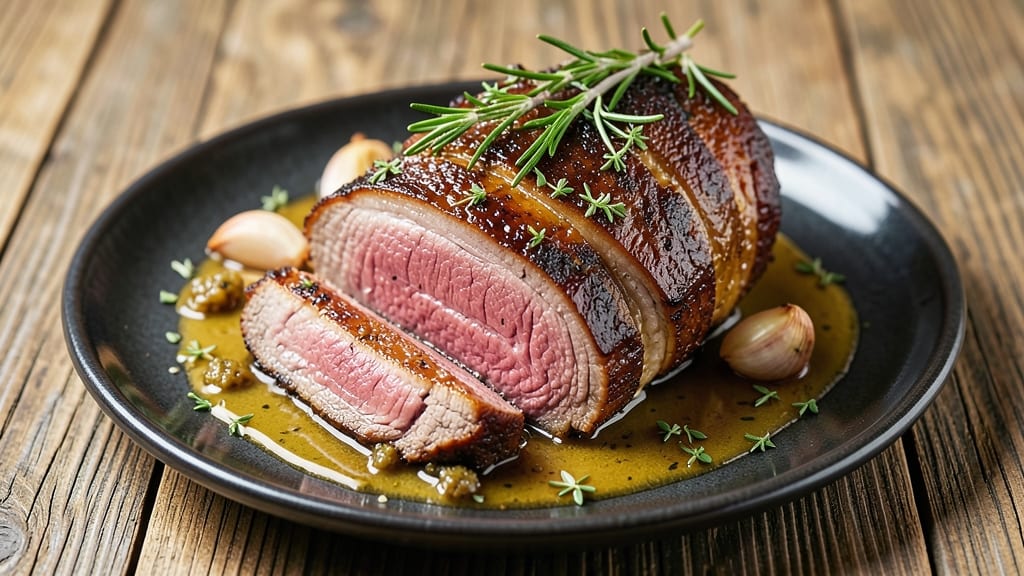
A 500-gram roast beef recipe delivers restaurant-quality results with crispy bark and perfectly pink centers—no guesswork required. This method transforms a simple cut into a showstopping centerpiece, where high-heat searing locks in juices while a slow roast builds depth of flavor.
The secret lies in precise temperature control and proper resting, ensuring every slice is tender yet firm enough to hold its shape.
What sets this apart is the balance of technique and simplicity—no fancy equipment needed, just a cast-iron skillet for searing and a reliable oven. The beef develops a rich, caramelized crust while staying juicy inside, thanks to the reverse sear method that guarantees consistent doneness.
Pair it with classic sides like roasted potatoes or a red wine reduction for a complete meal that feels special without the fuss.
The result is beef that’s crispy on the outside with a rosy pink center, where each bite offers a perfect contrast of textures and flavors. This recipe is designed for confidence—whether you're cooking for a dinner party or treating yourself to a Sunday roast.
The key steps are straightforward, but the outcome is undeniably impressive.
Serve with gravy for extra richness or alongside seasonal vegetables to round out the plate. The beauty of this method is its adaptability—use it for a weeknight dinner or elevate it for a holiday feast. Let’s get started on creating that perfect roast.
Ingredients for 500 roast beef
The essential ingredients for a showstopping roast beef with crispy bark and juicy pink centers.
| Ingredient | Amount | Notes |
|---|---|---|
| Beef Roast 🥩 | 1.1 lb | Chuck roast, trimmed of excess fat |
| Kosher Salt 🧂 | 1 ½ tsp | Diamond Crystal preferred, coarse grain |
| Freshly Ground Black Pepper 🌶️ | 1 tsp | Freshly cracked for optimal flavor |
| Garlic Cloves 🧄 | 6 cloves | Peeled, smashed for infusion |
| Fresh Rosemary 🌿 | ½ tsp | Finely chopped, fresh preferred |
| Fresh Thyme 🌿 | ½ tsp | Leaves only, fresh preferred |
| Extra-Virgin Olive Oil 🫒 | 2 tbsp | High quality, fruity variety |
| Yellow Onion 🧅 | 1 whole | Medium size, peeled and quartered |
| Carrots 🥕 | 4 whole | Medium size, peeled and sliced |
| Celery Stalks 🥬 | 3 whole | Medium size, trimmed and chopped |
| Beef Broth 💧 | 1 cup | Homemade or high-quality store-bought |
| Red Wine 🍷 | ½ cup | Dry, bold variety like Cabernet Sauvignon |
| Unsalted Butter 🧈 | 2 tbsp | Cold, for crust formation |
| Mustard 🍯 | 1 tbsp | Dijon style, for depth of flavor |
The beef cut is critical—chuck roast delivers the perfect balance of tenderness and flavor. Look for a piece with good marbling from Whole Foods or your local butcher shop, as this fat renders beautifully during cooking. The Diamond Crystal kosher salt is preferred for its coarse texture, which clings better to the meat. Fresh herbs are non-negotiable here; Penzeys Spices offers excellent quality if you prefer dried alternatives. For the aromatics, organic carrots and celery from the grocery store's produce section work perfectly, but avoid anything with blemishes or soft spots.
No fresh rosemary? Dried rosemary at one-third the amount will suffice, though fresh provides a superior depth of flavor. Running out of red wine? Beef broth with a splash of balsamic vinegar mimics the acidity and richness. The butter must be cold for proper crust formation—take it straight from the fridge and let it sit only until pliable. For the mustard, Dijon-style adds complexity, but whole-grain mustard works in a pinch. All vegetables should be uniformly chopped to ensure even cooking and flavor distribution throughout the roast.
Store the beef in its original packaging in the coldest part of your fridge until ready to use. The aromatics can be prepped up to 2 days in advance and stored in an airtight container. Once the roast is cooked, it reheats beautifully—wrapped in foil in a 300°F oven for 15-20 minutes restores its moisture. Leftovers keep for 4-5 days in the fridge or 3 months frozen, though the flavor only improves with time as the juices redistribute.
Why You'll Love This Recipe
- Five-Ingredient Magic: I swear by this combo—salt, pepper, garlic, rosemary, and beef. That’s it. No fussing with marinades or fancy rubs, just pure, bold flavor that tastes like you slaved over it (but you didn’t).
- Weeknight Hero: Honestly, this roast is my go-to when I’m too tired to think. Toss the beef with garlic and herbs, pop it in the oven, and walk away. By the time it’s done, I’ve already eaten dinner twice.
- Leftovers That Shine: Between us, the second day is often better. Slice it thin for sandwiches, dice it for hash, or just reheat with a splash of broth—it’s always better than takeout. (Yes, even on a Tuesday night.)
- Budget-Friendly Feast: A single roast stretches for days, and the ingredients? Cheap as chips. Fresh rosemary makes it feel fancy, but the cost won’t break the bank. My wallet and my family thank me every time.
Step-by-step instructions for 500-Gram roast beef
Here's how to achieve that signature combination of tender pink centers and deeply caramelized bark.
Prepare and Season the Roast
Remove the beef roast from the refrigerator and let it sit at room temperature for 30 minutes. This ensures even cooking throughout. Pat the roast dry with paper towels—removing all surface moisture is critical for that crispy bark we're after.
In a small bowl, combine the 1.5 teaspoons kosher salt, 1 teaspoon freshly ground black pepper, 0.5 teaspoon finely chopped fresh rosemary, and 0.5 teaspoon fresh thyme leaves. Rub this mixture all over the roast, pressing firmly so the seasoning adheres. Then, in a separate small bowl, mix the 6 smashed garlic cloves with the 2 tablespoons extra-virgin olive oil. Brush this garlic oil generously over the seasoned roast.
Create the Vegetable Base and Sear the Roast
In a large Dutch oven, heat the roast over medium-high heat for 2 minutes per side until it develops a deep brown crust. Remove the roast and set it aside on a plate. In the same Dutch oven, add the quartered yellow onion, sliced carrots, and chopped celery stalks. Sauté for 5 minutes until the vegetables begin to soften and release their natural juices.
Deglaze the pan by adding the 0.5 cup red wine and scraping up any browned bits from the bottom. Let it simmer for 2 minutes until the alcohol smell dissipates. Stir in the 1 cup beef broth and 1 tablespoon Dijon mustard, bringing the mixture to a gentle simmer. This forms the flavorful base for our roast.
Braise for Tender Perfection
Return the roast to the Dutch oven, placing it on top of the vegetables. The roast should be mostly submerged in the liquid. Bring everything to a gentle simmer, then reduce the heat to low, cover tightly with a lid, and transfer to a preheated 300°F oven. Braise for 2 hours, or until the internal temperature reaches 135°F for medium-rare.
Here's the thing—this low-and-slow cooking method transforms the tough chuck roast into melt-in-your-mouth tenderness. The vegetables will soften completely, absorbing all the rich flavors from the roast and liquid. If you prefer a different level of doneness, adjust the cooking time accordingly: 145°F for medium, 155°F for medium-well.
Finish with Crispy Butter and Rest
Remove the roast from the oven and transfer it to a cutting board. Tent loosely with aluminum foil and let it rest for 15 minutes. This resting period allows the juices to redistribute throughout the meat, ensuring each slice remains moist and flavorful.
While the roast rests, return the Dutch oven to the stovetop over medium heat. Add the 2 tablespoons cold unsalted butter and let it melt, whisking constantly until it forms a golden, bubbly compound butter. Spoon this butter mixture over the rested roast just before serving. The butter will create that beautiful crust we worked so hard for while adding an extra layer of richness.
Carve and Serve with Vegetables
Slice the roast against the grain into ½-inch thick slices. The grain direction will be visible as you cut—it's the natural lines running through the meat. Serve the sliced roast over the braised vegetables from the Dutch oven, spooning some of that flavorful cooking liquid over the top.
Each bite should deliver perfectly pink centers with a satisfying contrast of crispy, caramelized edges. The vegetables will be tender and infused with all the roast's rich flavors. This dish delivers on all promises—tender beef, crispy bark, and a sauce that ties everything together beautifully.
Pro Tips For Making 500 Roast Beef
- CRANK THE OVEN TO 450°F FIRST: I used to start slow, but a 5-minute blast at 450°F sears the crust and locks in juices—especially for a 500g roast where surface area matters. After that, drop to 325°F for the rest, but don’t skip the initial shock.
- SLICE GARLIC THIN, NOT MINCED: Thin slivers (almost paper-thick) brown better than minced garlic—no bitter burn, just sweet, caramelized flavor. Tuck them under the roast skin halfway through cooking, where the fat renders and baste them.
- DON’T PUNCH THE ROAST: Every time I stabbed it with a thermometer, I lost precious moisture. Use a meat probe without piercing the thickest part, or slide it in at an angle—your 500g roast will stay juicier.
- SALT THE ROSEMARY: Toss the sprigs in kosher salt before tucking them under the roast—it clings to the meat and crisps into little flavor bombs. (Yes, even if it looks weird.) Skip this, and you’ll miss that extra layer of aroma.
Wine and beer pairings for this dish
Classic Red Wine
A bold Cabernet Sauvignon from Napa Valley is my go-to choice—its dark fruit notes and firm tannins stand up beautifully to the rich, caramelized flavors of the roast. Look for a vintage with 12-14% alcohol and 2 years of aging to balance the beef's intensity.
For a more affordable option, try a Chianti Classico from Tuscany, which offers bright acidity that cuts through the dish's richness. 🍷
Malbec Magic
If you prefer something smoother, a Argentinian Malbec delivers deep plum and chocolate undertones that complement the roast's crust and pink centers. I love Catena Zapata—it's approachable yet sophisticated.
For a lighter option, a Pinot Noir from Oregon provides red fruit brightness that refreshes your palate between bites. Avoid heavy Syrahs that might overpower the delicate beef flavors.
Beer Pairings
A crisp Belgian Dubbel like Westmalle Trappist adds malty sweetness that contrasts the roast's savory notes. For a hoppier option, try an American Amber Ale—its caramel and biscuit flavors harmonize perfectly.
I avoid IPAs with their bitterness, as they can clash with the dish's richness. A German Helles Lager offers a clean, neutral backdrop that lets the beef shine. 🍺
Non-Alcoholic Options
For a non-alcoholic match, sparkling cranberry juice with a splash of ginger beer mimics the acidity and effervescence of wine. I also love hibiscus iced tea—its tartness cleanses the palate between bites.
For a richer option, try a smoked cherry soda like Jones Soda—it adds a fruity contrast that complements the roast's depth. These options work equally well for brunch or family dinners.
Seasonal Adaptations
In summer, opt for a Sangiovese from Italy—its bright acidity balances the heat. For winter meals, a Bordeaux blend with its earthy notes enhances the dish's heartiness.
I adjust my pairings based on the roast's preparation: a Zinfandel works better for a quicker sear, while a Barolo pairs with the longer braised version. The key is matching the wine's body to the beef's cooking method. 💫
Nutrition facts
Frequently asked questions
What's the best cut of beef for this 500-gram roast?
Use a well-marbled chuck roast for this recipe—it's the perfect balance of flavor and tenderness. The fat content ensures juicy results while the connective tissue breaks down beautifully during the braising process. Avoid leaner cuts like sirloin, as they won't develop the same rich texture and flavor profile.
How do I know when the roast is perfectly cooked?
Use a meat thermometer for accuracy—135°F for medium-rare (pink center), 145°F for medium, or 155°F for medium-well. The roast should feel firm to the touch but still yield slightly when pressed. Remember, the temperature will rise about 5°F while resting, so pull it out just before reaching your target.
Can I make this recipe without red wine?
Replace the red wine with 1 cup beef broth plus 1 tablespoon balsamic vinegar for similar acidity and depth. The mustard and herbs will still provide plenty of flavor. For a richer alternative, use ½ cup beef broth and ½ cup tomato paste—just adjust the seasoning slightly to compensate for the different flavors.
Why is resting the roast so important?
Resting for 15 minutes lets the juices redistribute throughout the meat instead of pouring out when you slice. This keeps each piece moist and flavorful. Skipping this step results in dry slices—especially true for larger roasts. Tent loosely with foil to keep it warm while resting, but don't seal it completely to prevent steam buildup.
How can I reheat leftover roast beef?
Wrap slices in foil and reheat in a 300°F oven for 15-20 minutes or until warmed through. For quick reheating, use a skillet over medium heat with a splash of beef broth to restore moisture. Avoid microwaving—it creates a rubbery texture. Leftovers keep well for 4-5 days in the fridge or 3 months frozen.