
Soups & Stews
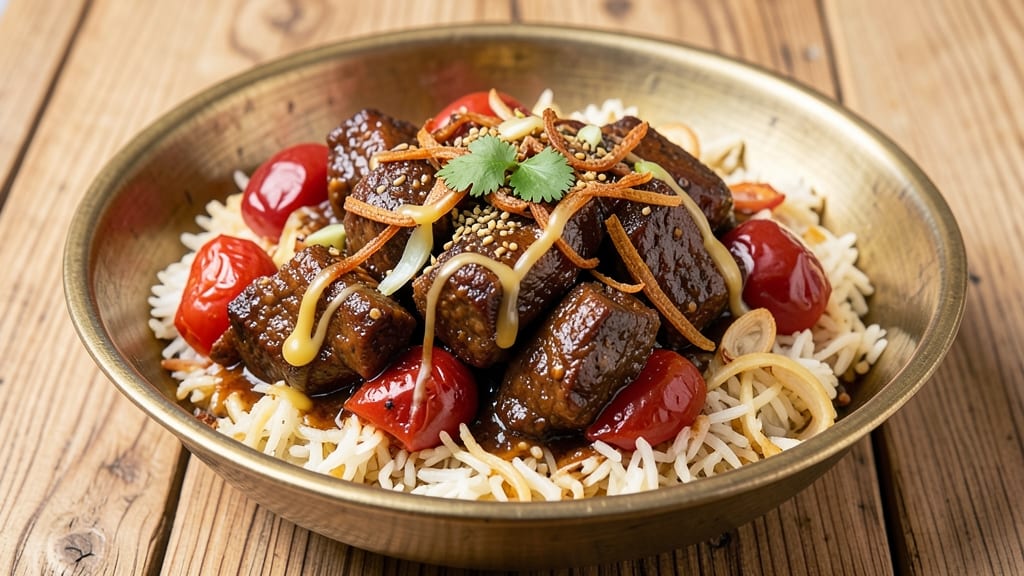
This Beef Bhuna Khichuri recipe Bengali brings the heart of West Bengal's home cooking to your kitchen in one comforting pot. The dish marries tender beef simmered in aromatic spices with fragrant rice, creating a meal that's both nourishing and deeply satisfying.
What makes this recipe special is its simplicity—just a few key ingredients transform into a dish that's traditionally served during festivals and family gatherings.
The magic lies in the slow simmering process, where beef is cooked until fall-off-the-bone tender in a rich, spiced gravy, while the rice absorbs all those flavors. This recipe stays true to Bengali traditions while adapting to modern kitchens, using accessible ingredients and straightforward techniques.
The result is a dish that's hearty enough for a winter evening but simple enough for a weeknight dinner.
By the time you finish, you'll have a pot of golden, fragrant rice infused with beef flavors, topped with a rich, spiced gravy that's perfect for dipping or spooning over the rice.
The dish is complete with a tempering of mustard oil and cumin, adding that final aromatic punch that makes every bite unforgettable. This is comfort food at its finest—warm, flavorful, and deeply satisfying.
Whether you're preparing for a special occasion or simply craving a taste of home, this Beef Bhuna Khichuri delivers restaurant-quality results in your own kitchen. Let's get started on creating this timeless Bengali dish that brings families together.
Ingredients for beef bhuna khichuri recipe bengali
These traditional Bengali ingredients blend into one aromatic, comforting dish.
| Ingredient | Amount | Notes |
|---|---|---|
| Beef Chuck Roast 🥩 | 1 ½ lb | Cut into 1-inch cubes |
| Basmati Rice 🍚 | 1 cup | Uncooked, long-grain preferred |
| Ginger 🧄 | 1 tbsp | Freshly grated, aromatic |
| Garlic Cloves 🧄 | 6 cloves | Peeled, finely chopped |
| Onions 🧅 | 2 whole | Medium, thinly sliced |
| Tomatoes 🍅 | 2 whole | Medium, pureed or crushed |
| Mustard Oil 🫒 | ½ cup | For tempering, or substitute sunflower oil |
| Cumin Seeds 🌿 | 1 tbsp | Whole, for tempering |
| Ground Cumin 🌿 | 1 tbsp | Toasted for deeper flavor |
| Turmeric Powder 🌶️ | 1 tsp | Freshly ground preferred |
| Red Chili Powder 🌶️ | 1 tbsp | Adjust to heat preference |
| Garam Masala 🌶️ | 1 tsp | Whole spices preferred |
| Bay Leaves 🌿 | 2 whole | Fresh or dried |
| Salt 🧂 | 1 ½ tsp | Adjust to taste |
| Water 💧 | 3 cups | For rice cooking |
The beef is the centerpiece. Chuck roast delivers the best texture—fall-apart tender after slow cooking. Indian grocery stores often carry pre-cubed beef, but if you're buying a whole roast, ask the butcher to cut it into 1-inch pieces. For the rice, Basmati is non-negotiable—its long grains stay separate and soak up the beef flavors beautifully. Fresh ginger and garlic make all the difference here; don't use powdered substitutes. The tomatoes should be ripe but firm—San Marzano if you can find them, or any Roma variety. Mustard oil adds that signature Bengali aroma, but if you're sensitive to its strong flavor, sunflower oil works just as well.
No mustard oil? Sunflower or vegetable oil will work, though the dish will lack that authentic punch. Running short on cumin seeds? Ground cumin is fine at double the amount. The garam masala is crucial—store-bought blends work, but for best results, toast whole spices (cumin, coriander, cardamom, cinnamon, cloves) and grind them yourself. For the tomatoes, if you don't want to puree them, crush them by hand—it releases more flavor. The bay leaves can be dried, but fresh ones add a subtle earthiness that's worth seeking out at Whole Foods or Indian markets.
This dish tastes even better the next day as flavors meld. Store leftovers in an airtight container in the fridge for up to 4 days, or freeze portions for 3 months. The rice will dry out if reheated directly, so add a splash of water before microwaving. For a quick meal, double the recipe—it reheats beautifully and makes great lunches. The mustard oil should be stored in a cool, dark place; once opened, use within 6 months for best flavor.
Why You'll Love This Recipe
- One-Pot Magic: I swear by this—no switching pans, no extra bowls. The beef slow-cooks right in the rice, soaking up all that garlicky, ginger-fried goodness until it’s tender enough to melt. Honestly, my kitchen counter stays cleaner than when I make separate curry and rice.
- Deep Umami Bomb: That beef chuck roast? It turns into something almost luxurious—caramelized edges with a fall-apart center, all wrapped in a sauce that’s got layers of toasted cumin, bay leaves, and slow-simmered onions. Between us, it’s the kind of flavor that makes you pause mid-bite.
- Leftovers That Shine: Make a big batch on Sunday, and you’ve got dinner for Wednesday. The rice stays fluffy, the beef stays juicy, and reheating it? Just a splash of water, covered, and boom—better than takeout. (Yes, even on a Tuesday night.)
- Budget Feast: A whole roast of beef and a bag of rice stretch farther than you’d think. I’ve fed four people for under $10, and somehow, it always feels like a celebration. The secret? The onions and garlic do most of the flavor work—minimal cost, maximum impact.
Step-by-step instructions for beef bhuna khichuri
This one-pot Bengali classic combines tender beef with fragrant rice in rich, spiced gravy.
Prepare the Beef and Rice Base
In a heavy-bottomed pot, add the 1.5 lb beef chuck roast cut into 1-inch cubes along with the 1 cup basmati rice. Pour in the 3 cups water and bring to a rolling boil over medium-high heat. Once boiling, reduce heat to low and let it simmer uncovered for 15 minutes until the rice is about 70% cooked and most of the water has evaporated.
Here's the thing—this initial cooking prevents the rice from mushing when we add the spices later. You'll know it's ready when you can see the grains are translucent at the edges but still have a slight bite. Stir occasionally to prevent sticking, but don't press down on the rice as this releases starch and makes it gummy.
Build the Spiced Gravy Foundation
Increase heat to medium-high and add the 0.5 cup mustard oil. Let it heat for 1 minute until shimmering but not smoking. Add the 1 tbsp cumin seeds and let them sizzle for 30 seconds until they darken slightly and release their aroma.
Next, add the 2 whole onions sliced thinly and the 6 cloves garlic cloves chopped finely. Cook for 5-6 minutes until the onions turn golden brown and the garlic is fragrant. This step develops the base flavor—don't rush it. If the onions start to stick, add a splash of water to deglaze, but try to keep the pot dry for maximum flavor concentration.
Incorporate Spices and Tomatoes
Lower the heat to medium and add the 1 tbsp ground cumin, 1 tsp turmeric powder, and 1 tbsp red chili powder. Stir vigorously for 1 minute to toast the spices and release their essential oils. This is where the authentic flavor develops—you'll see the spices darken slightly and fill the kitchen with their aroma.
Add the 2 whole tomatoes crushed by hand and cook for 3-4 minutes until the tomatoes soften and the oil separates. Stir in the 1 tbsp ginger freshly grated and the 2 whole bay leaves. The mixture should be thick and fragrant, with the spices evenly distributed throughout. If it seems too dry, add 2 tablespoons water to help the spices blend smoothly.
Simmer the Beef and Rice Together
Increase heat to medium-high and pour the spiced mixture over the partially cooked rice and beef. Stir well to combine, then add the remaining 1.5 tsp salt and 1 tsp garam masala. Bring to a gentle boil, then reduce heat to low and cover with a tight-fitting lid. Let it simmer for 45-50 minutes, stirring every 10 minutes to prevent sticking and ensure even cooking.
You'll know it's ready when the beef is fork-tender and the rice is fully cooked with a slight resistance at the center. The gravy should coat the back of a spoon but still be thick enough to cling to the rice and beef. If it's too dry, add 2-3 tablespoons water during the last 10 minutes of cooking to adjust the consistency.
Finish and Rest for Perfect Texture
Once fully cooked, remove from heat and let the bhuna khichuri rest covered for 10 minutes. This resting period allows the flavors to meld and the rice to absorb any remaining liquid, resulting in a perfect balance of textures. Gently fluff the rice with a fork to separate the grains and mix in any remaining gravy at the bottom of the pot.
Serve immediately while hot, garnished with fresh cilantro if desired. The beef should be tender enough to pull apart with a fork, and each bite should deliver a harmonious blend of spiced rice and rich, aromatic gravy. This dish tastes even better the next day as the flavors continue to develop, so leftovers reheat beautifully with a splash of water.
Pro Tips For Making Beef Bhuna Khichuri Recipe Bengali
- Sear the Beef Hard: I used to think browning beef chuck was optional—until I tasted the difference. Get that pan smoking hot (medium-high to high) and let the meat develop a deep crust for 5-7 minutes per side before adding onions. That’s where the flavor hides, not in the slow cook.
- Pulse, Don’t Mince: Ginger and garlic in bhuna khichuri need to be finely textured, not pulpy. Use a food processor for 3-4 seconds—just until they’re almost paste but still hold shape. Over-blending turns them into mush, and you’ll taste it in every bite.
- Layer Onions Slowly: Dumping all the onions at once makes them sweat instead of caramelize. Add them in two batches, stirring well between each. The first batch should soften but not brown—save that for the second round when you crank the heat.
- Rice-to-Beef Ratio Matters: Skip the guesswork: use 1:1.5 (rice to beef weight). Too much rice drowns the bhuna’s depth; too little leaves you with dry grains. Soak the basmati for 20 minutes, then drain thoroughly—this guarantees fluffy texture without gummy rice.
Serving suggestions for this recipe
Traditional Bengali Garnishes
Finish your Beef Bhuna Khichuri with a sprinkle of freshly chopped cilantro to brighten the dish with its citrusy notes. I like to add 2 tablespoons just before serving—it adds freshness that cuts through the richness of the mustard oil and spices.
For an extra touch, try fried mustard seeds (½ teaspoon) tempered in hot oil right before serving for that classic Bengali crunch. 🌿
Side Dish Pairings
Serve with steamed lauki (bottle gourd) or aloo posto (potato with mustard paste) to complement the hearty flavors. These sides balance the richness of the khichuri while adding a light, cooling element.
I often make a quick mixed vegetable raita with yogurt, cucumber, and mint to refresh the palate between bites.
Beverage Recommendations
A hot cup of Bengali tea (chai) with a hint of cardamom is the perfect accompaniment—its warmth enhances the dish's comforting qualities. For a non-alcoholic option, try nimbu pani (Indian lemonade) to cleanse your palate.
If you prefer something stronger, a light-bodied white wine like Chenin Blanc pairs beautifully with the dish's spiced complexity. 🍷
Presentation Tips
Serve in a deep, wide bowl to showcase the dish's rich colors and textures. The golden rice and deep red gravy create a stunning visual contrast.
I like to garnish with a drizzle of mustard oil (just ½ teaspoon) and an extra pinch of red chili powder for both color and heat. For a rustic touch, serve family-style in a clay pot if you have one.
Leftovers Transformation
Turn next-day leftovers into khichuri paratha by mixing the cooled khichuri with a little oil, shaping into flatbreads, and pan-frying until crispy. Another great option is khichuri pulav, where you reheat the khichuri with extra rice and ghee for a drier, fluffier texture.
Both make excellent lunches or quick meals when you're short on time. 💡
Nutrition facts
Frequently asked questions
Can I substitute beef with another protein in this recipe?
Yes! For a vegetarian version, use chickpeas or tofu instead of beef. If you prefer poultry, chicken thighs work well—they stay juicy during the long simmer. For seafood, firm white fish like cod or halibut cooks faster, so reduce the simmering time to 20-25 minutes after adding the spices.
Why does my khichuri turn out too dry or mushy?
Too dry? You likely didn't add enough water during cooking. The rice should be simmered in 3 cups total liquid (including the beef's natural juices). For mushy rice, you may have pressed it down while cooking or used too much water. Always stir gently and avoid mashing the grains. If it's still mushy, spread it on a tray to dry slightly before reheating.
How can I make this dish less spicy?
Reduce the red chili powder to ½ teaspoon and skip the fresh chili if using. For extra mildness, add ½ cup coconut milk or yogurt at the end to balance the heat. If you prefer no heat at all, omit the chili powder entirely and use ½ teaspoon mild paprika for color instead.
Can I make Beef Bhuna Khichuri in an Instant Pot?
Follow the same steps but adjust the cooking time. After the initial 15-minute rice simmer, add spices and beef, then pressure cook for 25 minutes on high pressure. Let it naturally release for 10 minutes, then finish with the 10-minute rest as directed. The Instant Pot version cooks faster but requires careful monitoring to avoid overcooking the beef.
What's the difference between khichuri and biryani?
Khichuri is a one-pot dish where rice and protein cook together in a single pot with minimal oil, creating a hearty, gravy-like texture. Biryani, on the other hand, uses layered rice and meat, often with whole spices like saffron, and is cooked separately before being combined. Khichuri is simpler, more rustic, and perfect for cold weather, while biryani is more elaborate and celebratory.