
Soups & Stews
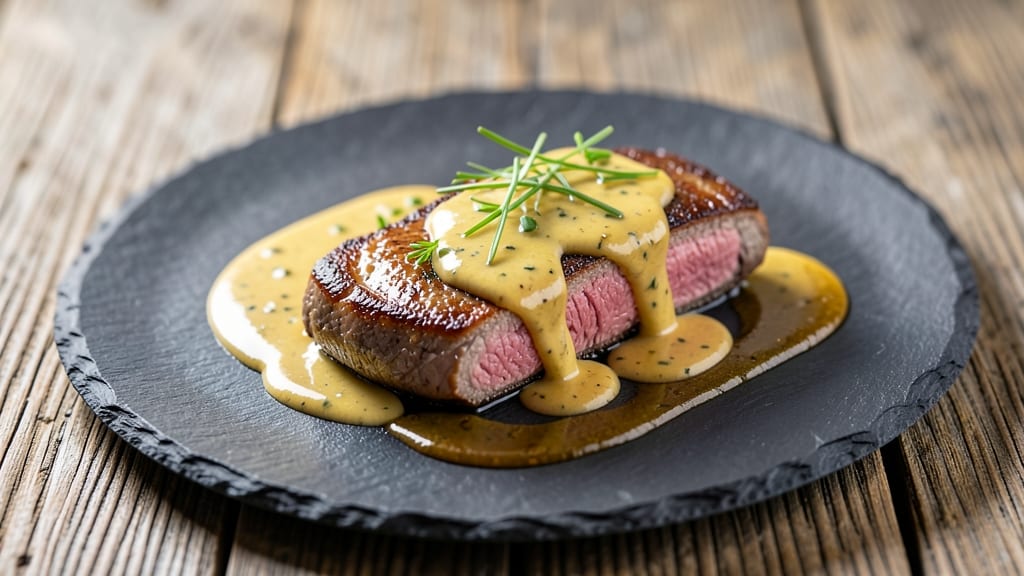
This beef bearnaise recipe delivers the luxurious, buttery emulsion that elevates steak from good to extraordinary. The secret lies in a precise balance of white wine reduction, clarified butter, and fresh herbs—each element playing a crucial role in creating that signature silky texture and rich depth of flavor.
Mastering the emulsion technique transforms simple ingredients into a sauce that feels like a restaurant chef’s secret weapon.
The foundation of great bearnaise begins with a carefully reduced white wine vinegar mixture, which forms the acidic base that stabilizes the butter. Clarified butter removes moisture that could break the emulsion, while fresh tarragon and shallots infuse the sauce with aromatic complexity.
What sets this recipe apart is the patience required—adding butter gradually while whisking vigorously ensures a velvety consistency that never separates.
What you’ll achieve is a sauce that’s perfectly balanced—tangy yet rich, with a luxurious mouthfeel that coats every bite of steak. The emulsion remains stable even after reheating, making it ideal for serving immediately or keeping warm for guests.
This isn’t just a sauce; it’s the finishing touch that turns a simple steak dinner into an unforgettable culinary experience.
Whether you’re serving filet mignon, grilled chicken, or even roasted vegetables, this bearnaise sauce delivers restaurant-quality results at home. The key is precision in technique and attention to detail—every step matters when crafting the perfect emulsion.
Let’s get started on creating a sauce that will impress even the most discerning palates.
Ingredients for beef bearnaise
Nine essential ingredients transform into a velvety bearnaise that pairs flawlessly with beef.
| Ingredient | Amount | Notes |
|---|---|---|
| Clarified Butter 🧈 | 1 cup | Homemade or store-bought, unsalted preferred |
| White Wine Vinegar 🍷 | ½ cup | Dry variety, 6% acidity minimum |
| Shallots 🧅 | 2 whole | Finely minced, 2 tbsp yield |
| Fresh Tarragon 🌿 | ¼ cup | Chopped stems and leaves |
| Fresh Chives 🌱 | 2 tbsp | Finely chopped, for bright finish |
| Granulated Sugar 🍚 | 1 tsp | For balancing acidity |
| Salt 🧂 | ½ tsp | Diamond Crystal kosher preferred |
| Black Pepper 🌶️ | ¼ tsp | Freshly cracked, coarse grind |
| Heavy Cream 🥛 | 2 tbsp | Optional, for added richness |
| Dry White Wine 🍷 | ¼ cup | Sauvignon Blanc or Chardonnay |
The clarified butter is non-negotiable—it must be free of water to create a stable emulsion. Plugrá brand is a professional favorite, but homemade works beautifully if you render the butter properly. Fresh tarragon is crucial for that signature anise flavor; Whole Foods or specialty markets carry the best quality. Shallots should be vibrant purple, not dried out—look for firm bulbs with no sprouts. The white wine vinegar should be dry and aged, like Bartles & Jaymes, to avoid overpowering acidity. For the wine, La Crema or Kim Crawford deliver consistent acidity without fruit dominance.
No clarified butter? Ghee works in a pinch, though it has a slightly different flavor profile. Substitute apple cider vinegar at a 1:1 ratio for white wine vinegar, though the flavor will shift. Fresh tarragon unavailable? Dried tarragon at half the amount** preserves the essence, though it lacks the same brightness. The heavy cream is truly optional—omit if you prefer a lighter sauce, but it adds that luxurious mouthfeel. For a non-alcoholic version, substitute white grape juice** for the wine, though the reduction time will be shorter. Always strain the reduced wine mixture through a fine-mesh sieve to ensure silky texture.
Store any unused bearnaise in an airtight container with a thin layer of clarified butter on top to preserve freshness. Keeps in the fridge for 3-4 days, though it’s best enjoyed within 24 hours for peak flavor. To reheat, warm gently over a double boiler—never boil, or the emulsion will break. For a restaurant-quality touch, keep the sauce warm in a thermos** while serving. The emulsion will naturally separate if frozen, so avoid freezing unless you’re willing to re-emulsify with a whisk and patience.
Why You'll Love This Recipe
- No-Fuss Technique: I swear by the stovetop method—no blender, no stress. Just melt the clarified butter, reduce the vinegar, and whisk in those shallots until they’re soft but not browned. Honestly, it’s the kind of sauce where even my burnt-toast skills can’t mess it up.
- Herb-Packed Punch: That tarragon and chive combo? It’s like a bright, green hug for your beef. The vinegar cuts through the richness, while the herbs linger like a whisper of summer. (Yes, even on a Tuesday night.)
- Sauce for Everything: Drizzle it over steak, toss it with pasta, or spoon it onto grilled veggies. Between us, I’ve even used it to jazz up a sad-looking baked potato. The clarified butter keeps it stable, so it won’t curdle—no matter what you pair it with.
- Leftovers That Shine: This sauce actually improves overnight. The flavors meld, and the texture smooths out—perfect for reheating with a splash of water. I make a double batch just so I can wake up to a restaurant-worthy sauce waiting in the fridge.
Step-by-step instructions for beef bearnaise sauce
Mastering this classic sauce requires precision and patience—here's how to achieve a silky, golden emulsion every time.
Prepare the Tarragon Vinegar Base
In a small saucepan, combine the 0.5 cup white wine vinegar, 1 tsp granulated sugar, and 2 whole shallots that have been finely minced. Bring to a gentle simmer over medium-low heat and cook for 8-10 minutes until the shallots are completely softened and the mixture reduces slightly. This reduction concentrates the flavors and removes any harsh acidity.
Remove from heat and stir in the 0.25 cup chopped fresh tarragon, allowing it to steep for 10 minutes while still warm. This infusion creates the signature herbal depth of authentic bearnaise. Strain through a fine-mesh sieve into a clean bowl, pressing on the tarragon to extract maximum flavor. Discard the solids—you want only the vibrant liquid for your emulsion.
Create the Emulsifying Base
In a heatproof bowl that will fit over a saucepan (or use a double boiler), whisk together the 1 cup clarified butter, 0.25 cup dry white wine, and 2 tbsp heavy cream (if using). Place the bowl over a saucepan of barely simmering water, ensuring the bottom doesn't touch the water. Heat gently, whisking constantly, until the mixture reaches 160°F—just warm enough to melt the butter completely but not hot enough to cook the wine.
The clarified butter is crucial here—its high smoke point prevents burning while creating the perfect vehicle for emulsification. If you're using store-bought clarified butter, ensure it's completely melted and smooth before proceeding. This warm butter base will eventually incorporate the tarragon vinegar to create the signature sauce.
Gradually Emulsify the Sauce
With the butter mixture still warm and whisking continuously, very slowly drizzle in the strained tarragon vinegar mixture. Start with just a few drops, whisking vigorously after each addition. This gradual incorporation is what creates the stable emulsion—adding too much at once will cause the sauce to break.
Continue whisking for 3-5 minutes until the sauce thickens noticeably and coats the back of a spoon. The sauce should transform from a loose liquid to a glossy, velvety consistency. If it begins to separate, immediately add another tablespoon of warm clarified butter and whisk until re-emulsified. This technique requires patience but yields a professional-quality sauce every time.
Season and Finish Perfectly
Remove the sauce from the heat source and stir in the 0.5 tsp salt and 0.25 tsp black pepper. Taste and adjust the seasoning—you may need a touch more salt to balance the acidity from the vinegar. For additional brightness, fold in the 2 tbsp finely chopped fresh chives just before serving.
Bearnaise should be served immediately over perfectly cooked steak, as it continues to thicken slightly as it cools. The sauce should glisten with a golden hue and coat the back of a spoon without being overly thick. If it becomes too stiff, whisk in a few drops of hot water or steak juices to restore its silky texture. This sauce is the crowning glory of any steak dinner—rich, herby, and perfectly balanced.
Pro Tips For Making Beef Bearnaise
- Whisk Like Your Life Depends On It: Bearnaise isn’t a sauce you can stir half-heartedly—keep that whisk moving constantly over medium-low heat. I learned this the hard way when mine split into butter and vinegar soup; now I treat it like a temperamental lover: steady, consistent pressure.
- Shallots Only Until Soft: Cook those shallots until they’re just barely translucent—no color, no browning, just soft. Overcooking turns them bitter, and bitter shallots ruin the whole sauce. Think "al dente" for veggies: they should yield to a fork but still hold shape.
- Vinegar First, Butter Later: Add the white wine vinegar to the shallots before the tarragon and chives, then simmer it down. This step actually changes the outcome—it mellows the acidity so the sauce doesn’t taste like you’re drowning your steak in pickles. (Yes, even if you’re impatient like me.)
- Clarified Butter Must Be Warm: Drizzle that clarified butter into the sauce slowly while it’s still simmering—never cold. I used to dump it in like an idiot, and the sauce would seize up or separate. Warm butter blends in smooth; cold butter turns your bearnaise into a lumpy mess.
Flavor customization for these flavors
Herb Variations
Swap fresh tarragon for fresh thyme or rosemary for a Mediterranean twist—reduce to 1 tbsp of each to maintain balance. For a basil bearnaise, use 0.5 cup fresh basil instead, adding 1 tsp lemon zest to brighten the flavor.
I once experimented with chervil (a delicate French herb) and found it adds a subtle anise note similar to tarragon but with a fresher finish. 🌿
Acidity Adjustments
Need less tang? Replace 0.25 cup white wine vinegar with 0.25 cup dry sherry or apple cider vinegar—both add depth without sharpness. For extra richness, add 1 tbsp Dijon mustard to the emulsifying base; it stabilizes the sauce and adds a subtle kick.
I’ve also used lemon juice (same ratio as vinegar) for a citrusy bearnaise that pairs beautifully with grilled fish. 🍋
Butter Alternatives
For a dairy-free version, substitute clarified butter with avocado oil (1:1 ratio) or vegan ghee. The sauce will be lighter but still emulsify if you whisk vigorously.
If you prefer extra richness, add 1 tbsp whipped cream cheese to the warm butter base—it blends seamlessly and adds a velvety texture. I tested this with brie-infused butter (mix 0.5 cup softened brie into the clarified butter) for a decadent twist. 🧀
Sweet-Savory Balance
Boost sweetness with 1 tsp honey or maple syrup in the tarragon vinegar base for a honey bearnaise that’s perfect with pork or duck. For smoky depth, add ½ tsp smoked paprika to the warm butter mixture.
I’ve also drizzled balsamic glaze (1 tbsp) over finished bearnaise for a caramelized contrast—trust me, it’s a game-changer. 🍯
Spicy Kick Options
Add ½ tsp cayenne pepper or 1 tsp hot honey to the emulsifying base for heat. For a Cajun-inspired bearnaise, mix ½ tsp Creole seasoning into the warm butter.
I love finishing with pickled jalapeño slices on top—it adds crunch and a tangy bite that cuts through the richness. 🌶️
Wine Variations
Swap dry white wine for red wine reduction (simmer 0.5 cup red wine until reduced by half) for a bold, fruitier bearnaise. For a non-alcoholic version, use white grape juice or coconut aminos (1:1 ratio).
I’ve also made a sparkling bearnaise by folding in 1 tbsp dry sparkling wine just before serving—it’s festive and adds a lovely effervescence. 🍾
Nutrition facts
Frequently asked questions
Why does my bearnaise sauce keep separating?
Emulsion breakdown usually happens when you add the vinegar mixture too quickly or heat the sauce too much. Always whisk continuously while drizzling the vinegar, and never let the sauce boil—keep it warm over medium-low heat or a double boiler. If it breaks, whisk in 1 tbsp warm clarified butter to restore stability.
Can I make bearnaise without clarified butter?
Yes, but with adjustments! Use ghee or avocado oil (1:1 ratio) for a dairy-free version, though the texture will be lighter. For extra richness, add 1 tbsp whipped cream cheese to the warm butter base. The key is maintaining the 160°F temperature while whisking vigorously to create the emulsion.
How do I store leftover bearnaise sauce?
Store in an airtight container with a thin layer of clarified butter on top to preserve freshness. It keeps in the fridge for 3-4 days, though it’s best used within 24 hours for peak flavor. To reheat, warm gently over a double boiler—never boil, or the emulsion will break. For serving, keep it warm in a thermos.
What’s the best way to reheat bearnaise?
Use a double boiler or a heatproof bowl over barely simmering water, whisking constantly. Keep the temperature below 165°F—any hotter risks breaking the emulsion. If it thickens too much, whisk in a few drops of hot water or steak juices to restore its silky texture. Never microwave, as the uneven heat will separate the sauce.
Can I make bearnaise ahead of time?
You can prep the tarragon vinegar base up to 2 days ahead and store it in the fridge. Reheat it gently before emulsifying with the butter. However, the fresh herbs and emulsion are best made day-of for optimal flavor and texture. For a shortcut, make a double batch and freeze the base (without butter) for up to 1 month.