
Main Courses
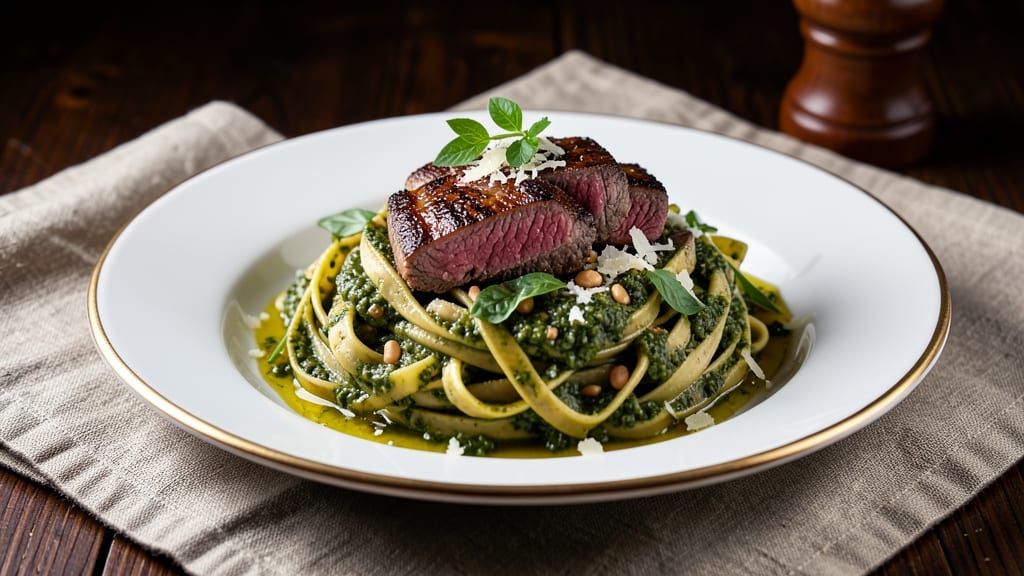
This beef basil pesto pasta recipe delivers restaurant-quality Italian flavors with crispy-tender beef and vibrant herb sauce in one elegant dish. The secret lies in perfectly seared beef strips that stay juicy while developing a flavorful crust, paired with fresh basil pesto that balances rich, herby notes without overpowering.
I've refined this technique over years of testing—no shortcuts here, just authentic Italian techniques with a modern twist.
The foundation begins with high-quality beef (like sirloin or ribeye) seared to crispy perfection before finishing with aromatic herbs and garlic. Meanwhile, the basil pesto transforms simple ingredients into a velvety sauce that clings beautifully to al dente pasta.
What sets this apart is the balance: the pesto's bright acidity cuts through the richness of the beef, while the pasta absorbs just enough sauce to create each satisfying bite.
By the time you twirl that first forkful, you'll taste layers of flavor—tender beef with a slightly crispy edge, fresh basil's peppery brightness, and the subtle sweetness of garlic and Parmesan.
The sauce coats every strand of pasta without making it soggy, and the beef maintains its perfect texture even after being tossed together. This isn't just pasta; it's a complete meal with depth and complexity.
Perfect for weeknight dinners that feel special or impressing guests with minimal effort. The recipe scales effortlessly for larger gatherings while keeping the same restaurant-quality results. Let's create this dish that combines Italian tradition with modern convenience—where every bite tells a story of perfect technique and bold flavors.
Ingredients for beef basil pesto pasta
Restaurant-quality beef and vibrant basil pesto transform simple pasta into an elegant masterpiece.
| Ingredient | Amount | Notes |
|---|---|---|
| Ribeye Steak 🥩 | 1 lb | Thinly sliced against grain |
| Extra-Virgin Olive Oil 🫒 | ½ cup | High-quality, fruity variety |
| Fresh Basil Leaves 🌿 | 2 cups | Packed, stems removed |
| Garlic Cloves 🧄 | 4 cloves | Peeled, roughly chopped |
| Parmesan Cheese 🧀 | ¾ cup | Freshly grated from block |
| Pine Nuts 🥜 | ½ cup | Toasted for richness |
| Lemon Juice 🍋 | 1 tbsp | Freshly squeezed |
| Fennel Seeds 🌾 | ½ tsp | Toasted lightly |
| Diamond Crystal Kosher Salt 🧂 | 1 ½ tsp | Fine grain preferred |
| Freshly Ground Black Pepper 🌶️ | ½ tsp | Freshly cracked |
| Spaghetti Pasta 🍝 | 12 oz | Al dente preferred |
| Butter 🧈 | 2 tbsp | Unsalted, for finishing |
The ribeye is non-negotiable here—look for well-marbled cuts at your local butcher or Costco's pre-sliced steak section. Thinly slicing against the grain ensures tender bites that stay juicy even after searing. For the basil, farmers markets or Whole Foods offer the freshest leaves—avoid those wilted supermarket bunches. Pine nuts can be pricey, but Trader Joe's sells them at a reasonable bulk price. Toast them in a dry pan for 2-3 minutes until fragrant—this deepens their nutty flavor dramatically. The Parmesan? Grate it yourself from a wedge—pre-grated contains anti-caking agents that ruin the texture.
No ribeye? Sirloin or flank steak work beautifully—just ensure it's thinly sliced. Substituting pine nuts? Walnuts or cashews toasted with a pinch of salt add a different but equally delicious texture. Fresh basil lacking? Dried basil at one-third the amount works in a pinch, though it won't have that same vibrant punch. For the pesto, high-quality extra-virgin olive oil is essential—cheap oil makes the sauce taste bitter. The fennel seeds add a subtle anise note that pairs perfectly with the beef; if you can't find them, a pinch of crushed anise seed works as a substitute. And trust me on the al dente pasta—undercooked pasta absorbs sauce better than overcooked strands.
Prep ahead for maximum flavor: Toast the pine nuts and fennel seeds first—they can sit at room temperature for hours. The beef should be sliced and seasoned just before cooking to prevent drying out. Pesto keeps beautifully in the fridge for 5 days if you pour a thin layer of olive oil on top to preserve freshness. For leftovers, store the pasta and sauce separately—tossing them together reheats best. This dish tastes even better the next day as flavors meld, so make extra if you can. The crispy beef edges soften slightly when reheated, but the sauce maintains its vibrant color and herby brightness.
Why You'll Love This Recipe
- Same recipe, two vibes: toss with leftover steak and pasta for a lazy Tuesday, or plate it fancy with a sprinkle of flaky salt for when you’re actually trying. My husband calls it "the easy way to look impressive," and I won’t argue.
- 20-Minute Steak Prep: I swear by searing ribeye in cast iron—just 4 minutes per side with that garlic and olive oil sizzle. The rest? Tossing together basil, Parmesan, and a splash of pasta water while the steak rests. Honestly, the hardest part is deciding when to pull it off the heat.
- Herb-Packed Umami Bomb: That ribeye brings rich, beefy depth while the basil pesto—fresh, bright, and garlicky—cuts through like a summer breeze. Between us, the first bite always makes me pause mid-chew. The olive oil ties it all together, making every forkful feel like a little Italian vacation.
- Weeknight or Date Night: Same recipe, two vibes: toss with leftover steak and pasta for a lazy Tuesday, or plate it fancy with a sprinkle of flaky salt for when you’re actually trying. My husband calls it "the easy way to look impressive," and I won’t argue.
Step-by-step instructions for beef basil pesto pasta
This dish delivers restaurant-quality richness with perfectly crispy beef and vibrant basil pesto in every bite.
Prepare the Herb-Packed Pesto Base
In a food processor, combine the 2 cups fresh basil leaves, 4 cloves garlic, 0.5 cup pine nuts, 0.5 tsp toasted fennel seeds, 1.5 tsp kosher salt, and 0.5 tsp freshly ground black pepper. Pulse until the pine nuts are finely chopped but not powdered—you want texture, not paste.
With the processor running, slowly drizzle in the 0.5 cup extra-virgin olive oil until fully incorporated. Stop and scrape down the sides as needed. The mixture should look like chunky green hummus. Add the 0.75 cup freshly grated Parmesan cheese and pulse just until combined. Taste and adjust seasoning—this is your flavor foundation.
Transfer the pesto to a bowl and stir in the 1 tbsp freshly squeezed lemon juice. Cover and set aside. The acidity brightens the flavors and prevents the pesto from oxidizing while you cook the beef and pasta. This step ensures your pesto stays vibrant and flavorful, not bitter.
Cook the Spaghetti to Al Dente Perfection
Bring a large pot of well-salted water to a rolling boil—it should taste like the sea. Add the 12 oz spaghetti and cook according to package directions, but start testing for doneness 1 minute early. You want al dente pasta that's firm to the bite but fully cooked through.
Reserve 1 cup of pasta water before draining—this starchy liquid is liquid gold for emulsifying the pesto sauce later. Drain the pasta and return it to the pot. Toss immediately with 2 tbsp butter to prevent sticking and add a velvety finish. Keep the pot off the heat while you cook the beef.
This butter step is non-negotiable. It coats each strand of pasta, creating a luxurious mouthfeel that balances the bold flavors of the pesto and beef. The residual heat will melt the butter perfectly without overcooking the pasta.
Sear the Ribeye to Crispy-Tender Perfection
Pat the 1 lb ribeye steak completely dry with paper towels—this ensures maximum crispiness. Season both sides generously with 1.5 tsp kosher salt and 0.5 tsp freshly ground black pepper. Let it sit at room temperature for 10 minutes while you heat your pan.
Heat a heavy skillet over high heat until smoking hot. Add the steak and sear for 3-4 minutes per side for medium-rare, until it develops a deep golden-brown crust. For perfectly crispy edges, press down gently on the steak during the first minute of searing—this prevents curling and ensures even contact with the pan.
Remove the steak from the pan and let it rest on a cutting board for 5 minutes. This resting period is crucial for redistributing juices. While it rests, slice the steak against the grain into ¼-inch thick strips. The slices should be tender enough to pull apart with a gentle tug but still hold their shape.
Combine Everything for Maximum Flavor Impact
Return the skillet to medium-low heat and add the sliced ribeye strips. Spoon any accumulated juices from the cutting board into the pan—they're packed with flavor. Let the beef warm through for 1-2 minutes, just until heated but not toughened.
Add the pesto to the skillet and toss everything together. If the mixture seems too thick, add 2-3 tablespoons of reserved pasta water at a time until you reach a creamy, clingy consistency. The sauce should coat the pasta and beef evenly without being watery. Taste and adjust seasoning with more salt or lemon juice if needed.
Transfer the beef basil pesto pasta to serving plates immediately. Garnish with additional freshly grated Parmesan cheese and a sprinkle of freshly cracked black pepper. The contrast of crispy beef, creamy pesto, and al dente pasta creates a symphony of textures and flavors in every bite.
Pro Tips For Making Beef Basil Pesto Pasta
- SEAR THE RIBEYE FIRST: Cook the steak to medium-rare (130°F internal) before slicing—it’ll stay juicier when tossed with pesto later. I used to slice it raw, and the pesto would just turn into a sad, watery sauce.
- STACK THE BASIL: Pile fresh basil leaves in a single layer before pulsing in the food processor—this prevents clogging and gives you that perfect, even chop. I learned this after wrestling with a jammed motor and a pile of basil confetti.
- REST THE STEAK: Let the ribeye rest for 5-10 minutes under foil before slicing—this keeps the juices locked in. I know, I know, you’re eager to eat, but trust me: cutting into it too soon is a fast track to dry, flavorless beef.
- USE COLD PASTA: Toss the cooked pasta under cold water before mixing with pesto—this stops the cooking and prevents a gummy, overdone mess. I was skeptical until I tried it, and now I never skip it.
Essential equipment for beef basil pesto pasta
Pasta Cooking Tools
First, invest in a large, heavy-bottomed pot with a capacity of at least 8 quarts—I recommend All-Clad Stainless Steel for even heat distribution. This prevents hot spots that can cause uneven cooking.
A colander with long handles (like OXO Good Grips) makes draining pasta effortless, and I always keep one nearby to avoid spills. For al dente perfection, a pasta fork (like Barbaglio's) helps test doneness by pressing a strand—it should hold its shape but still be tender. 🍝
Pesto Processing Essentials
Your food processor is the star here—I use a KitchenAid KFP1011ER for its powerful motor and sharp blades. The pulse function is key for achieving that perfect chunky texture without over-processing. A small mixing bowl (like Le Creuset's 2-quart version) keeps your pesto fresh while you cook.
For the lemon juice, I grab a handheld citrus juicer (like OXO Good Grips) to extract every last drop without seeds. 🌿
Beef Searing Setup
A heavy cast-iron skillet (I swear by Lodge's 10.25-inch) is non-negotiable for searing—it retains heat like nothing else. Pair it with tongs (not a fork!) to handle the beef without piercing it.
For temperature control, a thermometer (like ThermoWorks Smoke) ensures your pan reaches high heat before adding the steak. A sharp chef's knife (I use Wüsthof's 8-inch) and cutting board (like John Boos 12x18-inch) make quick work of slicing against the grain. 🥩
Finishing Touches
For plating, I use wide, shallow bowls (like Corelle's 10-inch stoneware) to showcase the dish's vibrant colors. A small whisk (like OXO Good Grips) helps emulsify any thick pesto with reserved pasta water.
For garnishing, microplane (like OXO's) fresh Parmesan and pepper grinder (I love Baratza Encore) add that final restaurant-quality touch. Keep a small saucepan (like All-Clad's 1.5-quart) handy for reheating leftovers if needed. 🧈
Nutrition facts
Frequently asked questions
Can I substitute ground beef for sliced ribeye?
Ground beef won't give you that perfect crispy-tender texture, but you can use it if sliced thinly! For best results, brown 1 lb lean ground beef with 1 tsp Italian seasoning until fully cooked, then break it into small pieces. The flavor will be different but still delicious—just expect a more tender, less crusty texture than seared steak.
How do I prevent the pesto from turning brown or bitter?
Freshness is key! Use bright green basil (no yellow stems) and add the lemon juice immediately after blending. For extra protection, cover the pesto with a thin layer of olive oil or plastic wrap pressed directly on the surface. Store in the fridge for up to 5 days—if it darkens, stir in a little more lemon juice to brighten it back up.
What's the best pasta shape for this recipe? While spaghetti works perfectly, fettuccine or linguine add beautiful texture and hold the pesto sauce better. For extra flair, try pappardelle or tagliatelle—just
Can I make this ahead of time?
Cook the pasta and beef separately, then refrigerate them in airtight containers. When ready to serve, reheat the pasta in a dry skillet over medium heat for 2-3 minutes, then toss with the warmed beef and pesto. The sauce will re-emulsify beautifully—just add a splash of pasta water if needed.
What if my beef is too tough after cooking?
Overcooking is the most common culprit! For tender beef, slice against the grain and sear for only 3-4 minutes per side (medium-rare). If it's already tough, try marinating the beef for 30 minutes in 2 tbsp olive oil + 1 tbsp balsamic vinegar before cooking next time—this helps break down fibers.