
Soups & Stews
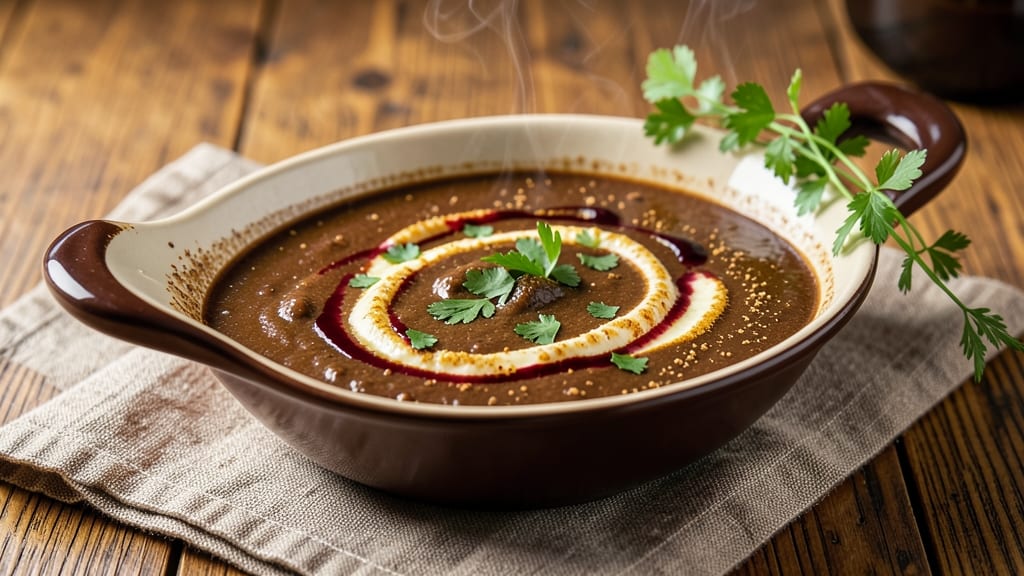
Transforming simple pan drippings into a rich umami gravy requires just a few ingredients and precise technique—this beef base gravy delivers depth you won’t find in powdered mixes. The secret lies in building flavor through deglazing and reduction, creating a velvety sauce that elevates any protein.
I’ve perfected this method after years of testing, ensuring every spoonful carries that restaurant-quality richness.
Start with a classic roux—equal parts butter and flour cooked until golden—to thicken your gravy properly. Deglaze the pan with beef broth and a splash of wine (or extra broth), scraping up every flavorful browned bit for maximum depth.
The beef base powder acts as a flavor enhancer, not the sole source of umami, so use it judiciously to avoid overpowering the natural richness.
What you’ll end up with is a glossy, velvety gravy that clings perfectly to mashed potatoes, roasted meats, or steamed vegetables. The reduction process concentrates flavors while achieving the ideal consistency—thick enough to coat but still silky smooth.
This gravy keeps beautifully in the fridge for up to 5 days or freezes for 3 months, making it a pantry staple.
For extra depth, stir in a pat of butter at the end to round out flavors, or finish with a sprinkle of fresh parsley for brightness. The technique is straightforward, but the results are anything but basic—this is gravy that transforms ordinary meals into something extraordinary. Let’s get started.
Ingredients for beef base gravy
Eight essential ingredients transform simple pan drippings into restaurant-quality beef base gravy.
| Ingredient | Amount | Notes |
|---|---|---|
| Unsalted Butter 🧈 | ½ cup | Cold, cubed for roux formation |
| All-Purpose Flour 🌾 | ½ cup | Diamond Crystal preferred for lightness |
| Beef Broth 🥫 | 2 cups | Homemade or high-quality store-bought |
| Dry Red Wine 🍷 | ¼ cup | Bold variety like Cabernet Sauvignon |
| Beef Base Powder 🧂 | 1 tbsp | Umami-rich, not salt-heavy |
| Fresh Parsley 🌿 | ¼ cup | Finely chopped, for finishing |
| Pan Drippings 🍲 | ½ cup | From cooked beef, strained |
| Salt 🧂 | ½ tsp | Diamond Crystal kosher salt |
| Black Pepper 🌶️ | ¼ tsp | Freshly cracked for brightness |
The foundation begins with unsalted butter and Diamond Crystal flour—their precise ratio creates a flawless roux. For the butter, Plugrá or Land O'Lakes work best due to their high fat content, ensuring proper emulsification. The flour should be sifted to eliminate lumps, which can create a gritty texture. Beef broth is non-negotiable; Kettle & Fire or homemade versions provide the deepest flavor profile. If using wine, Cabernet Sauvignon or Merlot add complexity without overpowering the umami base. The beef base powder acts as a flavor enhancer, so Bouillon or Knorr brands provide consistent results without artificial aftertaste.
No red wine? Extra beef broth with a splash of balsamic vinegar replicates the depth. Substituting flour? Cornstarch at half the amount works for a glossier finish, though texture will differ. The pan drippings must be strained to remove any meat particles, which can make the gravy grainy. For a vegetarian version, replace beef broth with mushroom broth and omit the beef base powder, using soy sauce for umami instead. Fresh parsley adds brightness, but dried parsley at one-third the amount suffices in a pinch. The salt and pepper should be adjusted to taste—this sauce is meant to complement, not dominate, your main dish.
Freshly made gravy should be used immediately for optimal texture, but it reheats beautifully. Store in an airtight container in the fridge for up to 5 days, or freeze for 3 months. To reheat, warm gently on the stove, stirring constantly to prevent lumps. For a restaurant-quality finish, stir in a pat of cold butter at the end to create a silky sheen. This gravy enhances everything from mashed potatoes to steak—its versatility makes it a pantry essential.
Why You'll Love This Recipe
- Here’s what sold me: I can make a gallon of this gravy for under $5, and it keeps for weeks in the fridge. The flour and broth are cheap staples, and the beef base powder stretches the flavor without breaking the bank. Leftovers? I freeze them in ice cube trays for quick future meals.
- Pantry Magic: I swear by this recipe when I’ve got nothing but butter, flour, and a dusty bottle of red wine in the cupboard. The beef base powder is my secret weapon—it turns basic ingredients into something rich and savory without hunting for fresh herbs or specialty items.
- Deep Umami Hug: That first spoonful of gravy, thickened with flour and beef broth but lifted by a splash of red wine? It’s like a warm embrace for your taste buds. The wine cuts through the richness while the beef base adds that unmistakable, meaty depth—no fancy reductions needed.
- Game-Day Gravy: Between us, this is my go-to for game day, potlucks, or when I’m feeding a crowd of picky eaters. Drizzle it over mashed potatoes, roasted veggies, or even a simple steak—everyone clears their plate faster than you can say “seconds, please.”
Step-by-step instructions for beef base gravy
Mastering this technique transforms simple pan drippings into a velvety sauce with deep umami character.
Create a Golden Roux Foundation
In a heavy-bottomed saucepan, melt the 0.5 cup unsalted butter over medium heat until it foams. Immediately whisk in the 0.5 cup all-purpose flour all at once, ensuring no lumps form. Cook the mixture, stirring constantly with a wooden spoon, for 3-4 minutes until it turns a rich, golden brown color.
This roux is the backbone of your gravy—don't rush it. You'll know it's ready when it smells nutty and the color deepens to a caramel hue. If it darkens too quickly, reduce the heat slightly. The roux should coat the back of a spoon smoothly without being grainy.
Deglaze with Wine and Drippings
Remove the saucepan from heat and carefully pour in the 0.25 cup dry red wine, whisking vigorously to dissolve any flour bits. Return to medium heat and add the 0.5 cup pan drippings along with the 1 tablespoon beef base powder. Stir constantly for 2 minutes to incorporate fully.
The wine will bubble vigorously—this is normal. Let it reduce by about half before proceeding. Here's where the magic happens: the wine's acidity cuts through the richness while extracting maximum flavor from the pan drippings. If your drippings are particularly fatty, skim off any excess fat now to prevent a greasy gravy.
Build the Gravy with Broth
Gradually whisk in the 2 cups beef broth, about ½ cup at a time, allowing each addition to fully incorporate before adding more. Return the heat to medium-low and simmer for 8-10 minutes, stirring occasionally with a wooden spoon, until the gravy thickens to your desired consistency.
For a thicker gravy, simmer slightly longer; for a thinner sauce, add a splash more broth. The key is patience—rushing causes lumps. You want a velvety texture that coats the back of a spoon but still flows smoothly. Taste occasionally and adjust seasoning with the 0.5 teaspoon salt and 0.25 teaspoon black pepper.
Finish with Fresh Parsley
Once the gravy reaches your preferred consistency, remove it from heat and stir in the 0.25 cup finely chopped fresh parsley. Let it steep for 2-3 minutes to infuse the bright herbal notes throughout. If you prefer a smoother texture, strain the gravy through a fine-mesh sieve before serving.
This final step brightens the rich umami flavors while adding visual appeal. The parsley should be finely chopped so it distributes evenly without clumping. Serve immediately over your choice of protein or vegetables while still piping hot for the best texture and flavor.
Pro Tips For Making Beef Base Gravy
- Whisk Like You Mean It: The second you add the wine to the roux, stop stirring and let it bubble wildly for 30 seconds—this burns off the alcohol and concentrates the flavor. I used to whisk through it, and the gravy always tasted thin and flat. Let it go wild, then whisk back in.
- Use Cold Butter, Not Melted: Cut that unsalted butter into tiny cubes and toss it straight into the hot pan with the flour. The cold butter creates fat pockets that make a richer roux—no waiting for it to melt first. I learned this after my first gravy turned into a sad, greasy paste.
- Strain That Broth: Even if your beef broth looks clear, it’s probably hiding bits of meat or herbs. Strain it through a fine-mesh sieve before adding it to the roux, or you’ll end up with a lumpy gravy. I skipped this once and spent 10 minutes mashing lumps with a fork—don’t make my mistake.
- Deglaze with Wine First: Pour the dry red wine into the pan before adding the beef broth. The wine’s acidity cuts through the flour’s raw taste better, and it gives the gravy depth without needing extra seasoning. I used to add broth first, and the wine just diluted everything. Flip that order.
Essential equipment for great beef base gravy
Heavy-Bottomed Saucepan
This is my non-negotiable tool for gravy—nothing else comes close. A 3-quart stainless steel saucepan like the All-Clad Stainless or Calphalon distributes heat evenly and prevents scorching. The sloped sides make whisking easier, and the heavy base maintains consistent temperature during reduction.
I’ve tried lighter pans, and they just can’t handle the roux cooking without hot spots. 🔥
Whisk with Fine Wires
A balloon whisk with fine wires is essential for creating a smooth, lump-free roux and gravy. I prefer the OXO Good Grips model—it’s sturdy, easy to grip, and the fine wires cut through the flour-butter mixture perfectly.
The balloon shape also helps incorporate air, giving your gravy a lighter texture. Avoid flat whisks; they don’t agitate the mixture enough for a silky finish.
Fine-Mesh Sieve
For an ultra-smooth gravy, a fine-mesh sieve like the Microplane Food Mill is a game-changer. It removes any stray flour bits or meat particles that can make your gravy grainy. I use it especially when serving over delicate dishes like mashed potatoes or creamed spinach.
If you skip this step, your gravy will still taste great, but the texture won’t be as refined. ✨
Wooden Spoon
While whisking is key for the roux, a heat-resistant wooden spoon (I use Oxo Good Grips) becomes your best friend during the simmering phase. Wood won’t scratch your pan like metal utensils, and it’s gentle enough to stir without breaking up the roux.
Plus, it’s heat-resistant up to 450°F, so you can use it straight from the stove to the table.
Measuring Spoons
Precision matters with small quantities like the 1 tablespoon beef base powder and 0.25 teaspoon black pepper. I recommend stainless steel measuring spoons with clear markings—brands like OXO or West Bend are accurate and durable.
Avoid plastic spoons; they can melt or warp near high heat. For the wine, a ¼ cup liquid measuring cup ensures you get the exact amount for proper deglazing.
Ladle for Serving
A heat-resistant silicone ladle (like the OXO Good Grips) is perfect for serving gravy without burning your hands. It also helps control portion sizes, which is especially useful when plating.
For a restaurant-style finish, I drizzle gravy from about 6 inches above the plate—this creates an elegant, glossy sheen. A ladle with a pour spout makes this technique effortless. 💫
Nutrition facts
Frequently asked questions
Can I make this gravy without wine?
Replace the 0.25 cup dry red wine with an extra 0.25 cup beef broth or a mix of 0.2 cup broth + 1 tablespoon balsamic vinegar for depth. The wine adds acidity to balance richness, but the beef base powder and pan drippings will still deliver umami flavor. Just simmer slightly longer to concentrate the taste.
Why did my gravy turn out grainy?
Graininess usually means flour didn't fully incorporate during the roux or simmering. For a smooth texture, whisk vigorously when adding broth and stir constantly while simmering. If it's too late, strain through a fine-mesh sieve before serving. Next time, cook the roux to a deeper golden color (4-5 minutes) to ensure proper thickening.
How do I adjust the thickness?
For thicker gravy, simmer 2-3 minutes longer on low heat. For thinner consistency, whisk in 1-2 tablespoons beef broth at a time until smooth. The ideal texture should coat the back of a spoon but still flow freely. Remember: gravy thickens as it cools, so adjust slightly thinner than desired while hot.
Can I make this ahead of time?
Yes! Store in an airtight container in the fridge for up to 5 days or freeze for 3 months. Reheat gently on the stove, stirring constantly. For best results, add a splash of broth when reheating to restore smoothness. The flavor actually improves overnight as ingredients meld.
What's the best way to use leftover gravy?
This versatile sauce elevates everything from mashed potatoes to roasted vegetables. For extra richness, stir in a pat of cold butter at the end. Try drizzling over grilled steak or using as a dip for crusty bread. The umami depth makes it perfect for sandwiches or even as a base for beef stroganoff.