
Soups & Stews
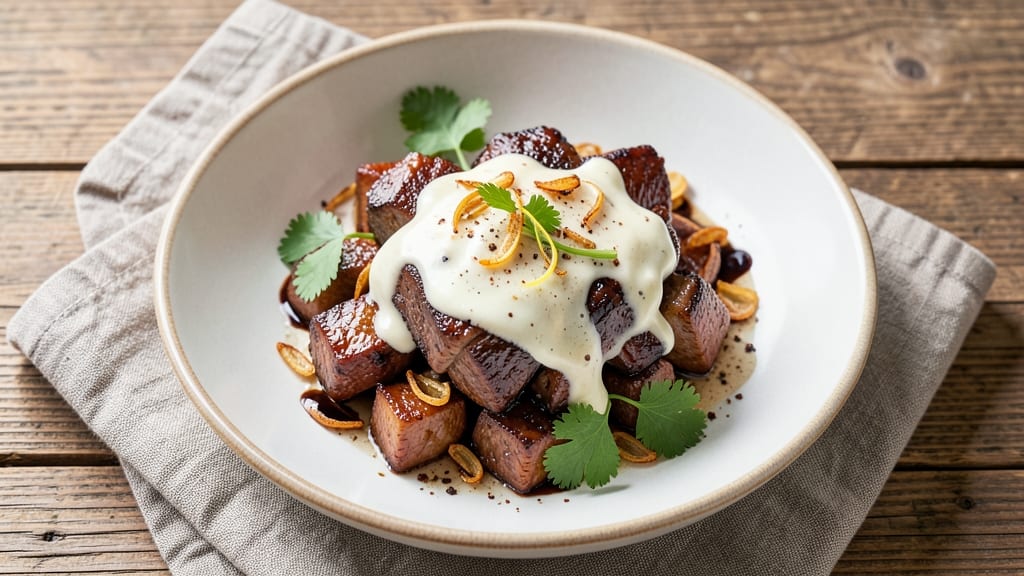
This beef barg recipe transforms tough beef into melt-in-your-mouth perfection through slow braising, a technique rooted in Filipino comfort food traditions. The secret lies in browning the beef first—this step develops deep, caramelized flavors that form the foundation of the dish. What starts as simple ingredients becomes a rich, aromatic stew where tender beef absorbs the tangy-spiced yogurt and warm cinnamon undertones.
The magic happens during the hours of simmering, where soy sauce and vinegar balance the richness while spices like cloves and bay leaves infuse the broth with complexity. Unlike quick-cook methods, this recipe rewards patience with beef that practically falls apart at the touch of a fork.
The result is a dish that feels both rustic and refined—ideal for family gatherings or special occasions where flavor takes center stage.
What makes this recipe truly special is its versatility. Serve it over steamed rice to soak up every last drop of that fragrant, slightly sweet sauce, or pair it with crusty bread for a heartier meal.
The aroma alone will have everyone anticipating dinner, and the first bite delivers on that promise with layers of savory, tangy, and slightly sweet flavors that define Filipino home cooking at its best.
Perfect for meal prep or last-minute entertaining, this beef barg recipe delivers restaurant-quality results with minimal effort after the initial prep.
The slow cooking process means you can walk away while dinner develops, returning to a pot filled with tender beef and a sauce so rich it tastes like a hug in a bowl. Let's get cooking!
Ingredients for beef barg
Simple ingredients that transform into rich, aromatic beef barg through slow braising.
| Ingredient | Amount | Notes |
|---|---|---|
| Chuck Roast 🥩 | 2 lb | Cut into 1.5-inch cubes |
| Plain Yogurt 🥛 | 1 cup | Full-fat preferred for creaminess |
| Soy Sauce 🍶 | ½ cup | Light or regular, not low-sodium |
| White Vinegar 💧 | ¼ cup | Distilled or white vinegar |
| Brown Sugar 🍚 | ¼ cup | Packed lightly |
| Garlic Cloves 🧄 | 6 cloves | Minced finely for even distribution |
| Onion 🧅 | 1 whole | Yellow or red, sliced thin |
| Ground Cinnamon 🌿 | 1 tsp | Freshly ground for best flavor |
| Ground Cloves 🌶️ | ½ tsp | Whole cloves crushed between palms |
| Bay Leaves 🌿 | 2 whole | Fresh if available, dried otherwise |
| Olive Oil 🫒 | 2 tbsp | Extra-virgin for browning |
| Salt 🧂 | 1 ½ tsp | Kosher or sea salt |
| Black Peppercorns 🌶️ | ½ tsp | Crushed lightly |
| Water 💧 | 1 ½ cups | For initial simmering |
| Steamed White Rice 🍚 | 2 cups | Cooked separately for serving |
The chuck roast is the heart of this dish—look for well-marbled cuts at Whole Foods or your local butcher shop. Pre-cut cubes save time, but if buying whole, ask for 1.5-inch pieces. The yogurt should be plain and full-fat for that signature creamy texture; Fage or Siggi's are reliable brands. For the spices, Penzeys or bulk bins at natural grocers ensure freshness. Whole cloves and bay leaves add depth, so don't skip grinding them yourself—it makes all the difference.
No chuck roast? Beef chuck or even brisket works in a pinch, though chuck is ideal for tenderness. Substituting yogurt? Greek yogurt or even sour cream at half the amount keeps richness. For vinegar, apple cider vinegar adds subtle sweetness if you prefer. The brown sugar can be swapped for white sugar or coconut sugar, though brown gives that caramelized depth. Fresh garlic and onions are non-negotiable—frozen won't cut it here. If you're short on time, pre-minced garlic from a jar works, but fresh is always better.
This dish tastes even better the next day as flavors meld. Store leftovers in an airtight container in the fridge for up to 5 days, or freeze portions for 3 months. The sauce thickens as it cools, so add a splash of water when reheating. For meal prep, double the batch—it reheats beautifully and makes an amazing lunch the following week. Serve over jasmine rice for that authentic Filipino touch, or crusty bread for a heartier meal.
Why You'll Love This Recipe
- One-Pot Magic: I swear by this—just toss the chuck roast in a pan with yogurt, soy sauce, and vinegar, then let it slow down. No chopping, no fuss, and the sauce thickens right into the meat. My lazy Sundays just got a whole lot tastier.
- Sweet-Savory Bomb: That brown sugar and vinegar combo? It’s what turns this into something unforgettable. The yogurt keeps it creamy while the soy sauce adds depth, and honestly, the first bite makes you question why you ever bought takeout.
- Meal Prep MVP: Between us, this is my go-to for lunches all week. Cook a big batch, slice it up, and pack it with rice or flatbread—no reheating drama, just solid, flavorful bites every time. (Yes, even on a Tuesday night.)
- Budget Beef Boost: Chuck roast is cheap, and this recipe stretches it into something restaurant-worthy without breaking the bank. I’ve fed four people for under $10, and they never guess it’s not from a fancy menu. Pure win.
Step-by-step instructions for beef barg with spiced yogurt
This method transforms tough chuck roast into tender, aromatic beef barg through precise braising.
Prepare the Chuck Roast and Marinade Base
Cut the 2 lb chuck roast into 1.5-inch cubes using a sharp chef's knife. Place them in a large bowl and set aside. In a separate bowl, whisk together the 1 cup plain yogurt, 0.5 cup soy sauce, 0.25 cup white vinegar, 0.25 cup brown sugar, 6 minced garlic cloves, 1 tsp ground cinnamon, and 0.5 tsp ground cloves. This marinade will tenderize the meat and infuse it with complex flavors.
Pour the marinade over the chuck roast cubes, ensuring each piece is fully coated. Cover the bowl and refrigerate for at least 4 hours or overnight. The acidity in the vinegar and yogurt will break down the tough muscle fibers, while the spices penetrate deeply. For best results, let it marinate overnight—this slow process guarantees maximum tenderness.
Sear the Beef for Depth of Flavor
Heat 2 tbsp olive oil in a large, heavy-bottomed Dutch oven over medium-high heat. Working in batches if needed, add the marinated beef cubes and sear for 2-3 minutes per side until they develop a deep golden-brown crust. This step is crucial—it locks in juices and creates the rich, caramelized foundation for the braise.
As you sear, remove the beef and set it aside. In the same pot, add the 1 whole onion (sliced thin) and cook for 3-4 minutes until softened and lightly browned. This will form the aromatic base for your braise. Keep the onions in the pot—they'll release their sweetness as the beef braises.
Braise Until Fork-Tender
Return the seared beef to the Dutch oven. Add 1.5 cups water, 1.5 tsp salt, and 0.5 tsp crushed black peppercorns, along with the 2 whole bay leaves. Bring the mixture to a gentle simmer over medium-low heat, then reduce the heat to maintain a barely bubbling state. Cover tightly with a lid and let it cook for 2.5 to 3 hours.
During this time, the collagen in the beef will break down into gelatin, creating a rich, velvety sauce. Stir occasionally to prevent the bottom from sticking, but avoid lifting the lid—each time you do, you lose valuable steam and moisture. The beef is done when it easily pulls apart with two forks and the sauce has thickened slightly. If the liquid reduces too much before the beef is tender, add 2-3 tablespoons of water as needed.
Finish with Yogurt and Serve
Once the beef is fork-tender, carefully remove it from the braising liquid and transfer it to a serving dish. Strain the braising liquid through a fine-mesh sieve into a clean saucepan to remove any impurities. Return the liquid to medium heat and simmer until it thickens slightly, about 5 minutes. Stir in the 1 cup plain yogurt and cook just until it warms through—do not boil, or the yogurt will curdle.
Serve the beef barg immediately over 2 cups steamed white rice, ladling the spiced yogurt sauce generously over the top. The contrast of tender beef, creamy yogurt, and aromatic rice creates a harmonious balance of textures and flavors. Garnish with extra ground cinnamon if desired, but the dish is already rich with warm spices.
Pro Tips For Making Beef Barg
- SEAR THE ROAST FIRST: Chuck roast loves a good crust, and skipping the sear means missing out on that deep, caramelized flavor. Hit it hard with oil in a hot pan—no need to rush—just let it brown for 3-4 minutes per side before pulling it out. That’s where the real beefy goodness starts.
- THIN THE MARINADE: Yogurt and soy sauce alone won’t cut it—this marinade needs to cling. Whisk in 1-2 tablespoons of vinegar first to loosen the yogurt, then add the brown sugar. Stir until it’s the consistency of heavy cream; otherwise, you’re just slathering on a gloppy mess.
- DON’T OVERMIX THE YOGURT: I used to beat the yogurt into submission, thinking more work = better flavor. Wrong. Fold in the soy, vinegar, and sugar just until combined—lumps and all. Overworking it turns it grainy, and that’s a texture you’ll taste in every bite.
- REST THE MEAT TWICE: First, let the raw roast sit at room temp for 30 minutes before searing—cold meat steams instead of browns. Then, after cooking, tent it with foil and walk away for 15 minutes. Skipping either step means dry, tough beef barg, and nobody wants that.
Common mistakes when making this recipe
Skipping the Sear
One of the biggest mistakes is skipping the sear step entirely. That golden-brown crust isn't just for looks—it's where the Maillard reaction happens, creating deep, caramelized flavors that form the foundation of your stew.
I've learned the hard way: when I rushed and just threw the beef into the pot without browning, the final dish tasted flat and lacked complexity. Always take the 5-10 minutes to properly sear each side—it's worth the extra effort. 🔥
Insufficient Marinating Time
Another common error is not marinating the beef long enough. The acid in the yogurt and vinegar needs time to break down those tough muscle fibers. I used to think 1 hour was plenty, but now I always marinate for at least 4 hours or overnight.
If you're short on time, try using 1 tbsp baking soda in the marinade to speed up the tenderizing process, but don't skip the minimum 4-hour marinade.
Lifting the Lid Too Often
During the braising process, every time you lift that lid, you're letting precious steam escape, which means longer cooking times and potentially tougher meat. I've caught myself checking on the beef every 15 minutes—don't be guilty of this!
Set a timer and only check every 30-45 minutes. The beef will tell you when it's done—when it easily pulls apart with two forks, you're good to go.
Ignoring the Sauce Reduction
Many home cooks make the mistake of not properly reducing the sauce at the end. That final step where you thicken the sauce with the yogurt is crucial for achieving that perfect creamy consistency. I once served beef barg with a watery sauce because I rushed this step.
Always simmer the braising liquid until it thickens slightly before adding the yogurt—this ensures a rich, velvety finish that coats every bite.
Overcooking the Yogurt
Here's a mistake that's easy to make: boiling the yogurt. Once you add that 1 cup plain yogurt to the sauce, keep the heat at a gentle simmer—never let it boil.
I've had the yogurt curdle more times than I'd like to admit, ruining what would have been a perfect dish. The goal is to just warm it through, not cook it thoroughly. Remove the pot from heat if needed and let it sit for a minute to finish warming.
Using Low-Quality Ingredients
Finally, don't skimp on your ingredients. I've tried this recipe with pre-minced garlic from a jar and frozen onions, and while it still tasted good, it wasn't the same. Fresh garlic and onions make all the difference in flavor.
For the beef, look for well-marbled chuck roast from a trusted butcher. And when it comes to spices, freshly ground cinnamon and whole cloves (crushed yourself) provide that authentic depth that store-bought blends can't match. 🌶️
Nutrition facts
Frequently asked questions
Why does beef barg need such a long marinating time?
The 4-hour minimum marinade (or overnight) is crucial because the yogurt and vinegar work together to break down the beef's tough muscle fibers through a process called mechanical tenderization. The acidity in the vinegar also helps soften the meat while the spices penetrate deeply. Skipping this step often results in chewier beef that doesn't melt in your mouth as it should.
Can I make beef barg in a slow cooker instead of a Dutch oven? Brown the beef first in a skillet, then transfer everything (including onions) to your slow cooker. Cook on low for 6-7 hours or high for 3-4 hours. The slow cooker maintains gentle heat perfectly for braising. Just
What's the secret to getting that perfect creamy yogurt sauce?
The key is twofold: first, strain the braising liquid thoroughly to remove any impurities that could make the yogurt curdle, and second, heat the sauce gently after adding the yogurt. Keep the temperature at a barely simmer—never boil. If the sauce looks too thin after adding yogurt, simmer it for 2-3 more minutes to thicken slightly.
How do I know when the beef is fully tender?
The beef is done when it easily pulls apart with two forks and the sauce has thickened slightly. You should also see the meat fibers separating cleanly. If you're unsure, cut into a piece—the center should be tender, not pink. For extra assurance, check after 2.5 hours of braising, as cooking times can vary slightly based on your stove.
Can I make this recipe without yogurt?
While yogurt adds that signature creamy texture, you can substitute with 1/2 cup sour cream or Greek yogurt (thinned with 2 tbsp water to prevent curdling). For a dairy-free option, use 1/2 cup coconut milk instead, but the sauce will have a slightly different consistency. The dish will still be flavorful, though the traditional creamy element will be missing.