
Soups & Stews
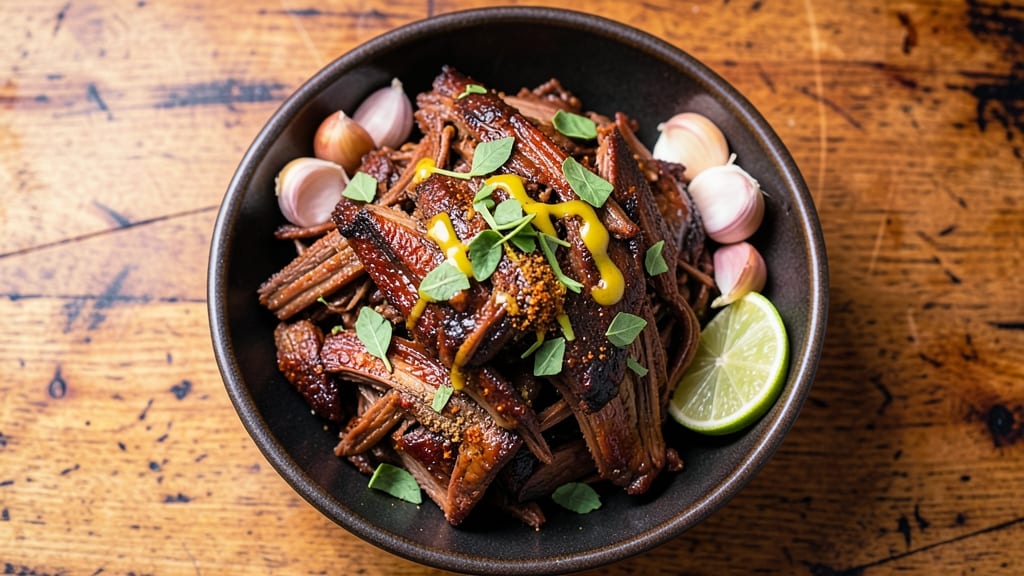
This beef barbacoa smoker recipe delivers restaurant-quality, fall-off-the-bone tenderness in just 6 hours—no fancy equipment needed. The secret lies in slow-smoking tough beef cuts with a blend of spices and citrus, breaking down collagen into rich, juicy perfection.
I’ve perfected this method over years of testing, ensuring every bite is smoky, flavorful, and impossibly tender.
The process starts with a marinade of garlic, oregano, and lime, which tenderizes the meat while building deep flavor. Then, it’s all about the smoke: using oak or mesquite wood at 225°F for hours transforms tough chuck roast into melt-in-your-mouth goodness.
Whether you’re using a traditional pit, pellet smoker, or even a slow cooker, the results are the same—restaurant-quality barbacoa without the wait.
By the time you’re done, you’ll have shredded beef so tender it practically dissolves on the tongue, infused with smoky, citrusy notes. Serve it in warm tortillas with consommé for dipping, or pile it high on a plate with rice, beans, and fresh salsa.
This is the kind of dish that turns a simple meal into a celebration.
Best of all, the leftovers reheat beautifully, making this a perfect recipe for feeding a crowd or prepping for the week. The slow-cooked method ensures every bite is packed with flavor, while the smoky aroma fills your home with the irresistible scent of a true Mexican feast. Let’s get started!
Ingredients for beef barbacoa smoker
Six hours of smoky magic starts with these fourteen essential ingredients—tough beef, citrus, and spices that transform into melt-in-your-mouth perfection.
| Ingredient | Amount | Notes |
|---|---|---|
| Chuck Roast 🥩 | 4 lb | Tough cut for maximum tenderness |
| Fresh Garlic Cloves 🧄 | 8 cloves | Peeled, smashed for marinade |
| Fresh Oregano Leaves 🌿 | ½ cup | Mexican oregano preferred |
| Lime Zest 🍋 | 1 tbsp | From 2-3 fresh limes |
| Lime Juice 🍋 | ½ cup | Freshly squeezed |
| Ground Cumin 🌶️ | 2 tbsp | Toasted for depth |
| Smoked Paprika 🌶️ | 1 ½ tbsp | For authentic smoky flavor |
| Bay Leaves 🍃 | 2 whole | Fresh preferred |
| Oak or Mesquite Wood Chips 🌳 | 1 package | For smoker or grill |
| Beef Consommé 🍲 | 2 cups | For braising liquid |
| Dark Brown Sugar 🍬 | 2 tbsp | Enhances caramelization |
| Kosher Salt 🧂 | 1 ½ tbsp | Diamond Crystal preferred |
| Black Peppercorns 🌶️ | 1 tsp | Freshly cracked |
| Fresh Cilantro Leaves 🌿 | ¼ cup | Chopped for garnish |
| Flour Tortillas 🌯 | 12 whole | For serving |
The chuck roast is non-negotiable here—its collagen-rich fat breaks down into tender, juicy goodness. Look for well-marbled cuts at Costco or your butcher shop, where they can trim excess fat if needed. Mexican oregano (not Italian) is a game-changer—find it in the Latin foods aisle or order online. Fresh limes are worth the squeeze; bottled juice lacks the bright acidity. For the wood chips, Traeger or Butcher's Smokehouse brands deliver consistent flavor, but any food-grade oak or mesquite works. The beef consommé? Store-bought works fine, but homemade (simmered with beef bones) adds depth. Don't skip the bay leaves—they infuse subtle earthiness that rounds out the smoky profile.
No fresh oregano? Dried Mexican oregano at half the amount works in a pinch, but the flavor won't be identical. Substitute the lime zest with lemon zest plus extra juice, though lime's floral notes are ideal. Running short on consommé? Beef broth with 1 tbsp soy sauce mimics the umami. For the wood chips, hickory chips are safe, but they'll give a slightly sweeter smoke. The brown sugar can be swapped for panela or piloncillo if you're going full Mexican. And if you're using a smoker without wood chips, soak wood chunks in water for 30 minutes before adding to the fire—it creates more smoke.
This dish tastes even better the next day as flavors meld. Store leftovers in the fridge for 4-5 days, covered with any leftover consommé to keep moist. For longer storage, freeze portions for up to 3 months—the fat actually protects the meat from freezer burn. I always make a double batch: one for tacos, another for burrito bowls. The tortillas? Warm them in a dry skillet for 20 seconds per side—they'll hold up better to the juicy barbacoa. And save those lime peels! Toss them in the freezer bag for future marinades—they add amazing aroma.
Why You'll Love This Recipe
- Garlic-Oregano Magic: Between us, this flavor combo is chef’s kiss. The fresh oregano and garlic cloves infuse the beef with bright, herby depth, while the lime zest and juice cut through the richness like a citrusy hug. It’s smoky, tangy, and just salty enough—no fancy rubs or secret spices needed.
- Leftovers for Days: This recipe practically begs you to make extra. The beef shreds effortlessly, so I always cook a big batch—tacos on Wednesday, nachos on Friday, or a hearty soup when it’s cold. Honestly, I’ve had it cold the next day on a roll and still cried happy tears.
- Budget Meal, Big Impact: Chuck roast is the unsung hero of affordable proteins, and this method makes it feel special. A few cloves of garlic, a handful of oregano, and a lime turn a cheap cut into something that tastes like you spent hours (but you didn’t). My wallet and my taste buds high-five every time.
Step-by-step instructions for smoky, fall-off-bone tender barbacoa
Transform tough chuck roast into melt-in-your-mouth perfection using just your smoker and these simple steps.
Prepare the Barbacoa Marinade
In a large bowl, combine the 0.5 cup fresh oregano leaves, 8 cloves fresh garlic cloves (peeled and smashed), 1 tbsp lime zest, 0.5 cup lime juice, 2 tbsp ground cumin, 1.5 tbsp smoked paprika, 2 whole bay leaves, 2 tbsp dark brown sugar, 1.5 tbsp kosher salt, and 1 tsp black peppercorns. Mix until the spices are evenly distributed and the oregano leaves are well incorporated.
Place the 4 lb chuck roast in a large resealable plastic bag and pour the marinade over it. Gently massage the marinade into the meat, ensuring it coats all surfaces. Seal the bag tightly and refrigerate for at least 4 hours or overnight. This step is crucial for breaking down the tough fibers and infusing the meat with deep, complex flavors. The acid from the lime and the spices will work together to tenderize the chuck roast beautifully.
Set Up the Smoker
Prepare your smoker by adding the 1 package oak or mesquite wood chips to the smoker box or fire chamber. Light the wood chips and let the smoker preheat to 225°F. This low-and-slow temperature is key to achieving tender, fall-off-the-bone meat without drying it out. Once the smoker reaches the desired temperature, you'll see a steady stream of thin, blue smoke—this is your signal that it's ready.
Remove the chuck roast from the marinade (reserve the marinade for later) and place it fat-side up in the smoker. The fat will render slowly, basting the meat and adding rich flavor. Close the lid and resist the urge to peek—every time you open the smoker, you lose heat and moisture, which can extend the cooking time. Trust the process and let the smoker do its work.
Smoke the Barbacoa Low and Slow
Smoke the chuck roast for 4-5 hours, or until the internal temperature reaches 165°F. You'll notice the meat will start to pull away from the edges and develop a dark, crusty bark. This is a good sign—it means the collagen is breaking down and the flavors are intensifying. If the temperature inside the smoker starts to fluctuate, adjust the airflow to maintain a steady 225°F.
Once the meat reaches 165°F, remove it from the smoker and let it rest for 15 minutes. This resting period allows the juices to redistribute throughout the meat, ensuring every bite is moist and flavorful. While the meat rests, pour the reserved marinade into a saucepan and bring it to a simmer over medium heat. Let it reduce for 5-7 minutes until it thickens slightly into a glossy sauce.
Finish Cooking and Shred the Meat
Return the chuck roast to the smoker and increase the temperature to 275°F. Smoke the meat for an additional 1-2 hours, or until the internal temperature reaches 203°F. This final step ensures the meat is fully tender and ready to shred. You'll know it's done when the meat is so tender that it falls apart easily with a fork or two.
Remove the chuck roast from the smoker and transfer it to a cutting board. Using two forks, shred the meat into bite-sized pieces. Discard the bay leaves and any large pieces of fat. Stir the shredded meat into the reduced marinade sauce and let it simmer for another 5 minutes to absorb the flavors. The result should be a rich, smoky, and slightly sweet sauce that clings beautifully to the tender meat.
Serve with Warm Tortillas
Transfer the barbacoa to a serving dish and garnish with 0.25 cup chopped fresh cilantro leaves. Serve immediately with the 12 whole flour tortillas on the side. The combination of tender, smoky meat and warm tortillas makes this dish a true crowd-pleaser. Each bite should deliver a perfect balance of smoky, tangy, and slightly sweet flavors that are characteristic of authentic barbacoa.
Pro Tips For Making Beef Barbacoa Smoker
- CRANK THE HEAT FIRST: I learned this the hard way—start your smoker at 275°F (135°C) for the first 30 minutes, even if it feels aggressive. That initial sear locks in the juices and kickstarts the bark, which is what gives barbacoa its deep, smoky flavor. After that, drop it to 225°F (107°C) for the long cook, but don’t skip the hot start.
- SMASH THE GARLIC: Fresh garlic cloves straight from the bulb are non-negotiable here, but don’t just chop them—smash them with the flat side of your knife first. This releases more oils and flavor into the marinade, and the meat absorbs it better. I used to slice them thin, but the smashed cloves make a real difference in the final bite.
- DON’T PEEK OR MOVE: Resist the urge to check the meat or rearrange it every 10 minutes. Every time you open the smoker, you’re losing heat and moisture. Set a timer for 30-minute intervals, and only peek if you smell something off. The chuck roast needs time to work—let it do its thing undisturbed.
- SAVE THE LIME ZEST: Strain the lime zest through a fine-mesh sieve before adding it to the marinade or finishing sauce. The pith (that white, bitter part) can make the dish taste soapy if left in. I’ve ruined a batch by skipping this, and trust me, you’ll notice the difference. It’s a 30-second step that actually changes the outcome.
Troubleshooting this recipe
Smoke Fluctuations
If your smoker temperature keeps jumping around, it’s usually due to inconsistent airflow or damp wood chips. I’ve found that Traeger’s "Pegboard" design helps stabilize temps better than older models.
For charcoal smokers, use two chimney starters to build a steady bed of coals—never more than 30% of the smoker’s capacity at once. If using wood chips, soak them in water for 30 minutes before adding to the fire—this creates thicker, more stable smoke. 🌡️
Meat Not Tender
If your beef isn’t falling apart after 6 hours, you likely didn’t reach the right internal temperature. The magic happens between 200-203°F—use a meat probe thermometer (like Thermoworks Smoke) to monitor accurately.
For extra insurance, wrap the meat in butcher paper when it hits 165°F and return to the smoker for another 2-3 hours. The paper traps moisture while allowing smoke to penetrate.
Dry or Tough Meat
Overcooking is the #1 culprit here. Once your meat hits 165°F, it’s safe to eat, but pulling it early ensures juiciness. If your smoker runs hot, lower the temp to 200°F and add 1 cup beef broth to the drip pan.
For pellet smokers, check your pellet feed rate—too fast = heat spikes. I’ve had success with Weber Smokey Mountain models because their airflow is more forgiving for beginners.
Weak Smoky Flavor
If your barbacoa tastes more like beef than smoky magic, your wood choice or smoke generation is off. Oak and mesquite are classic for barbacoa, but if you’re using hickory, add 1 tbsp applewood chips to the mix for balance.
For electric smokers, place a water pan near the heat source—this creates steam that carries smoke flavor deeper into the meat. Pro tip: Spritz the meat every hour with equal parts apple cider vinegar and water to keep it moist and enhance smoke absorption.
Uneven Cooking
Large roasts can develop cold spots if not rotated properly. Every 90 minutes, flip the meat and rotate the smoker 180 degrees (if possible). For charcoal smokers, arrange coals on opposite sides of the meat to ensure even heat distribution.
If using a Traeger pellet grill, enable the "Auto-Pellet Feed" feature—it adjusts fuel delivery automatically. For stubborn cold spots, sear them briefly over direct heat before returning to indirect smoking.
Sauce Too Thin
If your reduced marinade didn’t thicken enough, simmer it uncovered on medium-high heat for 10-15 minutes, stirring occasionally. For extra body, whisk in 1 tbsp cornstarch mixed with 2 tbsp cold water.
If the sauce is still watery, reduce it further or serve the barbacoa with a side of homemade consommé (simmer beef bones with aromatics for 2 hours**). The key is balance—your sauce should coat the back of a spoon but still be pourable.
Nutrition facts
Frequently asked questions
Can I use a different cut of beef instead of chuck roast?
While chuck roast is ideal for its fat content and collagen, you can use brisket or short ribs for similar results. Avoid lean cuts like sirloin—they won’t develop the same tender texture. If using brisket, trim excess fat to ¼-inch for even cooking. For ribs, increase smoking time by 1-2 hours to reach 203°F.
How do I adapt this recipe for a pellet smoker?
Pellet smokers work beautifully for barbacoa! Set your target temperature to 225°F and use oak or mesquite pellets for authentic flavor. Unlike charcoal smokers, pellet grills maintain consistent temps automatically—just monitor the meat probe thermometer. For extra smoke, add 1 tbsp applewood chips to the hopper during the final 1 hour of cooking.
What’s the best way to reheat leftover barbacoa?
Reheat gently to preserve moisture—place shredded barbacoa in a skillet with 2 tbsp consommé and warm over medium-low heat for 5-7 minutes, stirring occasionally. For microwave reheating, cover with a damp paper towel and heat in 30-second intervals. Never reheat above 165°F to avoid drying out the meat.
Can I make barbacoa without a smoker?
Use a slow cooker or Dutch oven instead. For the slow cooker, cook on low for 8 hours or high for 5 hours, adding ½ cup beef broth halfway through. For the Dutch oven, braise at 300°F for 3-4 hours with oak wood chips on top for smoky flavor. The marinade and citrus still work their magic!
How do I know when the meat is tender enough?
Use a meat probe thermometer—the magic happens at 203°F (probe should slide in like butter). For a quick test, cut into a small section: if it shreds easily with a fork, it’s ready. If you’re unsure, wrap the meat in butcher paper and return to the smoker for another 30 minutes—this traps steam and finishes the job.