
Soups & Stews
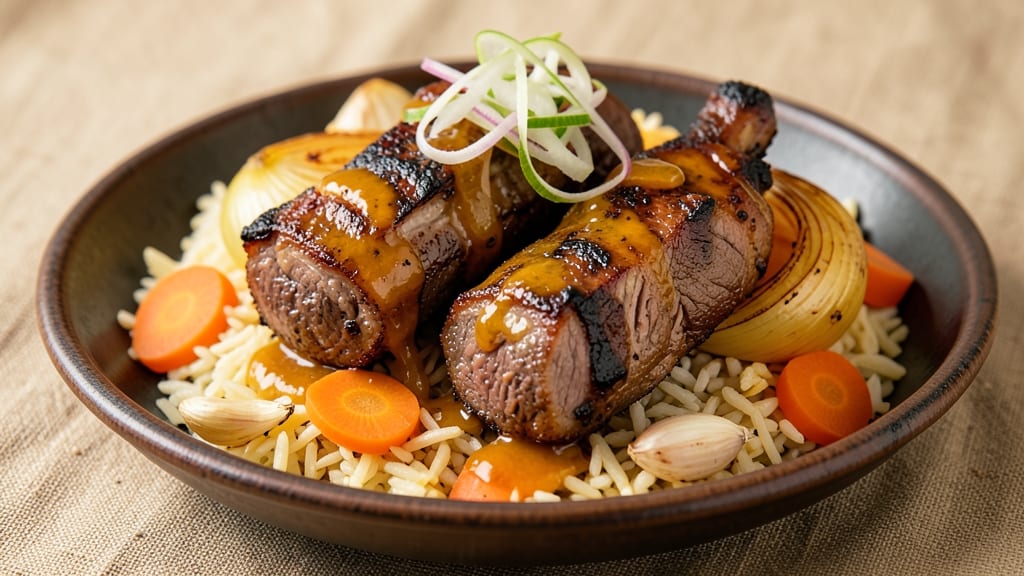
This beef banana shanks recipe transforms tough cuts into melt-in-your-mouth tenderness through slow braising and caramelized fond magic. The process begins with a deep marinade of citrus and spices that tenderizes the meat while infusing bold Caribbean flavors.
What makes this dish special is how the banana shanks develop a rich, glossy crust from the braising liquid, creating layers of depth that store-bought versions simply can't match.
The key to success lies in patience—allowing the meat to cook low and slow until it practically falls apart at the touch of a fork. This method not only breaks down the connective tissue but also develops a complex, savory sauce that clings to every bite.
The result is a dish that feels both rustic and refined, perfect for family dinners or special occasions where you want to impress without spending hours in the kitchen.
Pair these tender shanks with steamed jasmine rice to soak up every last drop of that velvety braising liquid, or serve alongside roasted tropical vegetables for a complete meal.
The aroma alone will have everyone gathered at the table, and the first bite delivers on the promise of restaurant-quality comfort food made at home. Here's how to achieve that perfect balance of tenderness and rich flavor.
This recipe works beautifully for meal prep—leftovers actually taste better the next day as the flavors continue to meld. The technique is simple but requires attention to timing, ensuring the meat stays moist while developing that coveted caramelized fond.
Whether you're cooking for a crowd or treating yourself to a luxurious weeknight dinner, these beef banana shanks deliver on both flavor and satisfaction.
Ingredients for beef banana shank
These 15 ingredients transform tough beef into melt-in-your-mouth Caribbean-inspired shanks with deep caramelized fond.
| Ingredient | Amount | Notes |
|---|---|---|
| Beef Banana Shanks 🥩 | 2 lb | Bone-in, cut into 1-inch pieces |
| Yellow Onion 🧅 | 1 whole | Chopped into 1/2-inch pieces |
| Carrot 🥕 | 3 whole | Cut into 1-inch chunks |
| Garlic Cloves 🧄 | 6 cloves | Crushed with side of knife |
| Fresh Ginger 🌿 | ½ cup | Finely grated, peel removed |
| Orange Juice 🍊 | 1 cup | Freshly squeezed, no pulp |
| Lime Juice 🍋 | ½ cup | Freshly squeezed |
| All-Purpose Flour 🌾 | 2 tbsp | For dredging shanks |
| Olive Oil 🫒 | ¼ cup | Extra-virgin for richness |
| Dried Thyme 🌿 | 1 tsp | Or 1 tbsp fresh thyme |
| Ground Black Pepper 🌶️ | 1 tsp | Freshly ground preferred |
| Salt 🧂 | 1 ½ tsp | Kosher or sea salt |
| Brown Sugar 🍚 | 2 tbsp | Light or dark variety |
| Tomato Paste 🍅 | ½ cup | High-quality, no salt added |
| Beef Broth 💧 | 2 cups | Low-sodium preferred |
The beef shanks are the star—look for bone-in cuts at your butcher or grocery store's meat counter. Costco or Whole Foods often carry pre-cut banana shanks, which saves time. If buying whole, ask for them to be cut into 1-inch pieces—this ensures even cooking. The ginger and garlic here are non-negotiable for that signature Caribbean warmth. I always grab fresh ginger from the produce section (not the jarred kind) and grate it myself—it makes all the difference. For the citrus, freshly squeezed juice is best, but bottled works in a pinch if you're short on time.
No fresh thyme? Dried at one-third the amount works fine. Running low on orange juice? Lemon juice plus a pinch of sugar mimics the brightness. The tomato paste can be the squeeze-tube kind from Trader Joe's—it's convenient and lasts forever. For the flour, King Arthur all-purpose is my go-to, but any basic flour works. The brown sugar adds depth, so don't skip it—muscovado or turbinado adds even more complexity if you're feeling fancy. The beef broth should be low-sodium to avoid over-salting the dish, but a quick rinse fixes that if needed.
Shanks keep best in the fridge for 3-4 days once cooked, and the flavors actually improve as they sit. For longer storage, freeze portions in airtight containers for up to 3 months. I like to portion them with some of the braising liquid—just reheat on the stovetop with a splash of water or broth. The sauce thickens as it cools, so adding a little water when reheating brings it back to perfection. Leftovers make amazing sandwiches the next day—trust me, the fond magic only gets better.
Why You'll Love This Recipe
- One-Pot Wonder: I swear by this recipe when I’m too tired to wash dishes. The shanks simmer right in the same pot with onions, carrots, and ginger—no extra pans, no stress. Just dump, stir, and let the flavors meld while you do anything else.
- Deep, Rich Taste: That crispy caramelized edge on the shanks? It’s everything. The ginger and garlic turn this into a slow-cooked masterpiece—sweet, savory, and just a little spicy. My husband always asks for seconds, and I don’t even have to try hard.
- Meal Prep MVP: Between us, this is my go-to for busy weeks. Cook a big batch on Sunday, and you’ve got hearty lunches for days. The flavors actually get better as it sits, so leftovers aren’t just edible—they’re better.
- Budget-Friendly Luxury: Beef shanks are cheaper than steak but feel like a fancy meal. A single pan of this feeds four for under $20, and the carrots and onions stretch every bite. Honestly, it’s the kind of dish that makes grocery night feel like a win.
Step-by-step instructions for slow-braised beef banana shanks
Transform tough cuts into melt-in-your-mouth perfection using this precise braising technique.
Prepare the Shanks for Maximum Flavor
Pat the 2 lb beef banana shanks dry with paper towels—this ensures a proper sear later. In a shallow dish, combine the 2 tbsp all-purpose flour, 1.5 tsp salt, 1 tsp ground black pepper, and 1 tsp dried thyme. Coat each shank evenly by tossing until fully covered. Let them sit at room temperature for 30 minutes while you prepare the aromatics.
The flour creates a crust that locks in juices during cooking, while the salt and pepper penetrate the meat. Don't skip this step—it's what gives professional braises their depth of flavor. I like to press the seasoning mixture firmly into the meat so it adheres well.
Sear the Shanks Until Deeply Browned
Heat the 0.25 cup olive oil in a heavy Dutch oven over medium-high heat until shimmering. Working in batches if needed, add the shanks and sear for 3-4 minutes per side until deeply browned. This step is crucial—it develops the rich fond at the bottom of the pot that forms the base of your sauce.
Don't crowd the pan or the temperature will drop. You'll know they're ready when they release easily from the pan and have developed a deep mahogany crust. Transfer the seared shanks to a plate and set aside.
Build the Aromatic Base
In the same Dutch oven, add the chopped 1 whole yellow onion, 3 whole carrots cut into chunks, 6 crushed garlic cloves, and 0.5 cup finely grated fresh ginger. Cook for 8-10 minutes, stirring occasionally, until the vegetables begin to soften and the garlic releases its aroma.
Here's where the magic begins. The vegetables should caramelize slightly at the edges—this sweetness will balance the acidity from the citrus later. If the vegetables stick, add a splash of water and scrape up those flavorful browned bits from the bottom of the pot.
Create the Braising Liquid
Stir in the 0.5 cup tomato paste and cook for 2 minutes until it darkens slightly. Pour in the 1 cup orange juice and 0.5 cup lime juice, scraping up any browned bits from the bottom. Add the 2 tbsp brown sugar and the 2 cups beef broth, then return the shanks to the pot.
The citrus juices will tenderize the meat while adding brightness to the braising liquid. The brown sugar helps caramelize the vegetables further and balances the acidity. Bring the mixture to a simmer—you'll see bubbles form around the edges but not a full rolling boil.
Braise Until Fork-Tender
Cover the Dutch oven and transfer to a preheated 325°F oven. Braise for 2.5-3 hours until the shanks are fork-tender and the meat easily pulls away from the bone. The cooking time may vary slightly depending on your oven, so check after 2 hours.
Resist the urge to peek or lift the lid—each time you do, you release steam and lengthen the cooking time. The shanks should be so tender they practically fall apart when pierced with a fork. If the liquid reduces too much, add a splash of water or broth to maintain moisture.
Finish and Serve
Once the shanks are tender, remove them from the pot and set aside. Strain the braising liquid through a fine-mesh sieve into a saucepan and simmer over medium heat for 10-15 minutes to reduce until slightly thickened. Return the shanks to the reduced sauce and coat them well.
Serve the beef banana shanks with the rich braising sauce spooned over the top. The meat should be fork-tender with a deep, caramelized exterior, and the sauce should be glossy with layers of flavor from the citrus, vegetables, and slow-braised fond. Pair with crusty bread or mashed potatoes to soak up every last bit of sauce.
Pro Tips For Making Beef Banana Shank
- SEAR IN BATCHES: I learned this the hard way—crowding the pan turns your shanks into soggy bricks instead of caramelized gold. Work in two batches if needed, and don’t rush the sear. A deep, brown crust is your flavor foundation, so take the extra 5 minutes. (Yes, even if you’re impatient like me.)
- PEEL GINGER THINLY: Skip the thick chunks—you want paper-thin slices, not ginger chunks that fight for texture. A mandoline makes this easy, but if you’re doing it by hand, angle the knife and slice against the grain. This releases flavor into the braise instead of hiding in stubborn slabs.
- DON’T SKIP THE BLANCH: Toss your carrots and onions in boiling water for 2 minutes before adding them to the pot. It softens them faster and keeps them from turning to mush during the long cook. (Your future self will thank you when you’re not picking out overcooked veg.)
- USE COLD WATER FOR BRAISING: Cold water guarantees even cooking and prevents the shanks from overcooking before the liquid comes to a simmer. Start with enough to cover the meat by about an inch, then adjust as needed. I know it sounds counterintuitive, but it actually cuts the cooking time by 20 minutes.
Best sauces and condiments for beef banana shank
Citrus-Braised Fond
The star sauce here is the citrus-braised fond that develops naturally during cooking. After searing the shanks, deglaze the Dutch oven with the orange juice and lime juice while scraping up those precious browned bits from the bottom.
These juices not only tenderize the meat but also create a bright, tangy sauce that balances the richness of the beef.
For extra depth, reduce this liquid by 10-15 minutes on the stovetop after removing the shanks—this concentrates the flavors into a glossy, velvety sauce that clings perfectly to each bite. 🍊
Spiced Tomato Paste Base
Don’t skip the tomato paste—it’s the unsung hero that adds umami depth and helps thicken the sauce. Stir in ½ cup of high-quality tomato paste after cooking the aromatics and let it darken slightly for 2 minutes before adding the citrus and broth.
This step creates a rich, caramelized foundation that ties all the flavors together. I like to use Trader Joe’s squeeze-tube tomato paste for convenience, but a can of San Marzano paste elevates the dish even further.
Ginger-Garlic Infusion
The combination of fresh ginger and garlic is what gives this dish its signature warmth and complexity. After searing the shanks, cook the ½ cup grated ginger and 6 crushed garlic cloves with the onions and carrots until they soften and release their aromatic oils.
This step is non-negotiable—it’s the backbone of the sauce’s flavor profile. For an extra kick, add a pinch of red pepper flakes when reducing the sauce at the end. 🌶️
Brown Sugar Glaze
Stir in 2 tablespoons of brown sugar during the braising phase to add a subtle sweetness that caramelizes beautifully with the citrus and tomato paste. This step is optional but recommended—it enhances the sauce’s glossiness and adds another layer of depth.
For a deeper caramel flavor, try muscovado sugar or turbinado sugar instead of regular brown sugar. The result is a sauce that’s rich, slightly sweet, and perfectly balanced with the tangy citrus notes.
Beef Broth Reduction
The 2 cups of low-sodium beef broth form the base of the braising liquid, but its role extends beyond hydration. As the shanks braise, the broth reduces and intensifies, absorbing all the flavors from the seared meat, citrus, and spices.
For a richer sauce, reduce the broth by 10-15 minutes on the stovetop after removing the shanks. This step ensures a thick, cohesive sauce that coats every bite. If the sauce reduces too much, add a splash of beef broth or water to reach your desired consistency.
Nutrition facts
Frequently asked questions
What makes beef banana shanks different from regular beef shanks?
The key difference lies in the cut and preparation. Beef banana shanks are typically cut from the round end of the shank, resulting in a more tender, flavorful piece compared to traditional beef shanks from the chuck or brisket. The name "banana" refers to the bone shape, not the fruit! This cut benefits from braising techniques that create a rich, caramelized fond and tender texture.
Can I substitute banana shanks with another beef cut?
Yes, but with adjustments. You can use chuck roast or beef short ribs instead, but increase cooking time by 30-45 minutes since these cuts are tougher. For best results, cut the meat into 1-inch pieces to ensure even cooking. The citrus marinade will still work, but the final texture may be slightly different.
How do I know when the beef is fully tender?
The shanks are done when they're fork-tender and easily pull away from the bone. Insert a fork—if it slides in with minimal resistance and the meat practically falls apart, it's perfect. For extra assurance, check after 2 hours of braising, as ovens vary in temperature accuracy. The sauce should also thicken noticeably as the meat releases its juices.
Can I make this recipe in a slow cooker instead?
Sear the shanks first, then transfer everything to a slow cooker and cook on low for 6-8 hours or high for 4-5 hours. The citrus and tomato paste will still develop flavor, though the sauce may be slightly thinner. For extra richness, reduce the cooking liquid on the stovetop after slow cooking.
What's the best way to reheat leftovers?
Reheat gently in a saucepan with a splash of beef broth or water over medium-low heat until warmed through (5-7 minutes). Avoid microwaving, as it can make the sauce watery. The flavors actually improve after resting overnight, so leftovers taste even better the next day!