
Soups & Stews
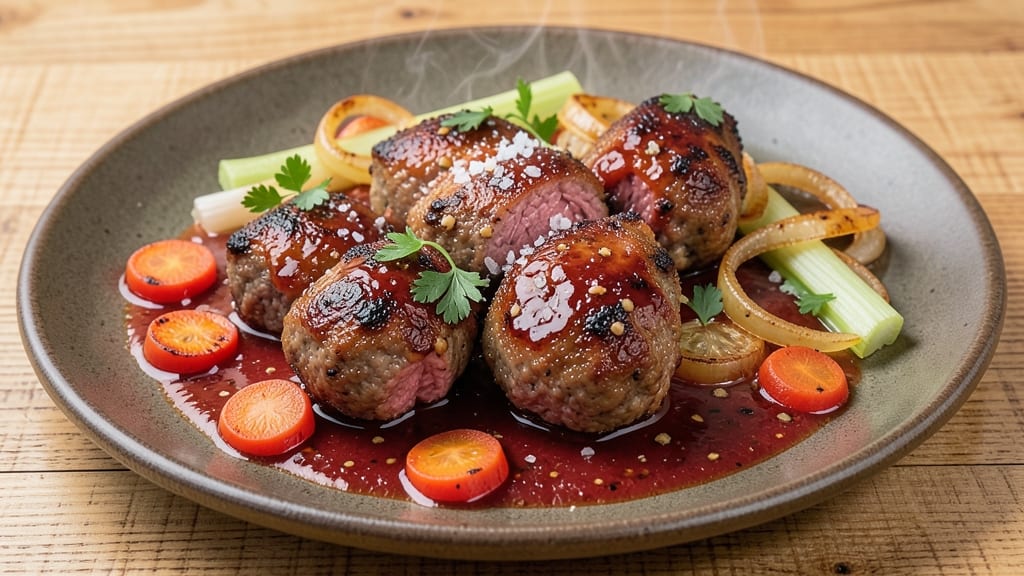
This one-pot beef ball tip recipe transforms tough cuts into melt-in-your-mouth threads with minimal effort—no peeling or trimming required. The secret lies in slow cooking, where collagen-rich connective tissue dissolves into a rich, velvety broth infused with deep umami flavors.
I developed this method after years of experimenting with beef cuts, and it consistently delivers restaurant-quality results at home without the fuss.
The beauty of this dish is its simplicity: just a few ingredients simmered together for hours, creating a harmonious blend of tender beef, aromatic vegetables, and a sauce so rich it clings to every forkful.
Unlike traditional beef stews that require multiple steps, this recipe relies on the natural breakdown of connective tissue to do the heavy lifting—no fancy techniques needed.
What you’ll end up with is a one-pot umami bomb where silky beef threads pull apart effortlessly, swimming in a glossy sauce that’s perfect for dipping crusty bread or pairing with mashed potatoes.
The slow-cooking process infuses every bite with depth, making this dish both comforting and impressive enough for company. Serve it as a standalone meal or pair it with roasted root vegetables for a complete, hearty dinner.
The versatility of this recipe means it works equally well for weeknight dinners or special occasions—just adjust the cooking time to fit your schedule. Let’s get to the pot!
Ingredients for beef ball tip
Fourteen ingredients transform tough beef into silky threads with minimal effort—no fancy techniques required.
| Ingredient | Amount | Notes |
|---|---|---|
| Beef Ball Tips 🥩 | 1 ½ lb | Connective tissue-rich for silky texture |
| Yellow Onion 🧅 | 1 whole | Chopped, not peeled for extra flavor |
| Carrots 🥕 | 4 medium | Cut into 1-inch chunks |
| Garlic Cloves 🧄 | 4 cloves | Smashed, not minced for aroma |
| Celery Stalks 🥬 | 3 whole | Cut into 1-inch pieces |
| Tomato Paste 🍅 | ½ cup | High-quality, no sugar added |
| Beef Broth 💧 | 4 cups | Low-sodium preferred |
| Red Wine 🍷 | 1 cup | Bold, dry variety like Cabernet |
| Bay Leaves 🌿 | 2 whole | Fresh preferred, dried acceptable |
| Fresh Thyme 🌿 | ½ ounce | Stems removed, loosely packed |
| Olive Oil 🫒 | 2 tbsp | Extra-virgin for richness |
| Salt 🧂 | 1 ½ tsp | Diamond Crystal kosher salt |
| Black Peppercorns 🌶️ | ½ tsp | Freshly cracked |
| Crusty Bread 🍞 | 1 loaf | For serving, torn into chunks |
| Fresh Parsley 🌿 | ¼ cup | Chopped for garnish |
The beef ball tips are the star—look for cuts with visible connective tissue, which melts into the sauce for that signature silkiness. Costco or Whole Foods often carry them pre-cut, saving you time. If buying whole, ask the butcher to trim excess fat. The vegetables—onion, carrots, celery—should be fresh but don't need peeling; scrubbing under cold water removes enough dirt. For the tomato paste, San Marzano is ideal, but any high-quality brand works. The key is avoiding sugar-laden versions that can make the sauce cloying.
No red wine? Beef broth with a splash of balsamic vinegar delivers similar depth. Fresh thyme is ideal, but dried works at one-third the amount. The olive oil matters here—use something fruity and peppery, like California Early Harvest. For the crusty bread, baguettes or sourdough work best; avoid pre-sliced loaves that lose crispness. The carrots can be baby carrots if that's what's in the fridge, but whole carrots add more texture. If you're short on time, pre-chop all vegetables and store in the fridge for up to 3 days.
This dish tastes even better the next day as flavors meld. Store leftovers in an airtight container in the fridge for up to 5 days, or freeze for 3 months. For reheating, add a splash of broth to prevent drying. The sauce thickens as it cools, so a quick stir with extra broth restores its silky consistency. Portion into individual containers for easy lunches—just add fresh parsley when serving. The bread can be toasted separately to keep it crisp.
Why You'll Love This Recipe
- One-Pot Magic: I swear by this recipe—just toss everything into a pot, add water, and walk away. No fancy techniques, no stress, and the beef ball tips practically melt into tender perfection while the veggies soften just enough to soak up all the flavor.
- Rich, Savory Depth: That first whiff of garlic and onions caramelizing? Chef’s kiss. The beef ball tips develop a deep, meaty richness, while the celery and carrots add a subtle sweetness that balances everything out—like a hug in a bowl.
- Meal Prep MVP: Between us, this is my go-to for lunches all week. The flavors only get better as it sits, and I can easily double the batch, freeze half, and pull it out for lazy nights when I don’t want to think about dinner.
- Budget-Friendly Powerhouse: Ball tips are a steal compared to steak, and the veggies stretch the meal further without breaking the bank. Honestly, it’s one of those recipes where you end up with leftovers you’ll actually want to eat.
Step-by-step instructions for beef ball tip umami stew
Transform tough beef ball tips into melt-in-your-mouth threads using this slow-cooked technique.
Sear the Beef for Deep Flavor
Heat the 2 tablespoons olive oil in a heavy Dutch oven over medium-high heat until shimmering. Pat the 1.5 pounds beef ball tips completely dry with paper towels—this ensures maximum browning. Working in batches if needed, sear the beef for 2-3 minutes per side until deeply browned. The connective tissue will release its rich gelatin as it cooks, creating that signature silky texture.
Don't rush this step. You want the exterior to develop a deep mahogany crust that will carry through the entire dish. Transfer the browned beef to a plate and set aside. Real talk: if you skip searing, you'll miss that fundamental umami foundation that makes this dish exceptional.
Build the Aromatic Base
In the same Dutch oven, add the 1 whole chopped yellow onion, 4 medium carrots cut into 1-inch chunks, 3 whole celery stalks cut into 1-inch pieces, and 4 smashed garlic cloves. Cook for 5-6 minutes until the vegetables soften slightly and begin to caramelize at the edges. This process develops their natural sweetness and deepens the overall flavor profile.
Stir in the 0.5 cup tomato paste and cook for another 2 minutes, allowing it to darken slightly. Here's the thing—this tomato paste isn't just for color. It acts as a natural emulsifier that helps bind the cooking liquid, ensuring every bite is rich and cohesive. The paste should coat the vegetables evenly before moving to the next step.
Deglaze and Simmer the Foundation
Pour in the 1 cup red wine and scrape up all the browned bits from the bottom of the pot with a wooden spoon. This deglazing step captures all the concentrated flavor that would otherwise stick to your pan. Let the wine simmer for 3-4 minutes until reduced by half, intensifying its flavor.
Add the 4 cups beef broth, 2 whole bay leaves, and 0.5 ounce fresh thyme (stems removed). Bring to a gentle boil, then reduce heat to maintain a barely simmering state. Return the beef to the pot, making sure it's fully submerged. The liquid should cover the beef by at least 1 inch—this ensures proper moisture retention during the long cook.
Slow Cook Until Fork-Tender
Cover the Dutch oven and transfer to a 325°F (163°C) oven. Cook for 3-4 hours until the beef is fork-tender and easily pulls apart into delicate threads. The connective tissue will have broken down completely, transforming tough cuts into luxurious, melt-in-your-mouth strands. Check the liquid level occasionally and add ½ cup water if it drops below 1 inch above the beef.
This long, slow cook is non-negotiable. The low temperature and moisture work together to tenderize the beef without drying it out. You'll know it's ready when you can easily pierce a piece with a fork and the strands separate cleanly. If you're impatient, you'll end up with chewy, unsatisfying beef.
Finish and Serve
Remove the beef and vegetables from the pot and transfer them to a serving platter. Strain the cooking liquid through a fine-mesh sieve into a clean saucepan and reduce it over medium-high heat until it thickens slightly, coating the back of a spoon. Season generously with 1.5 teaspoons salt and 0.5 teaspoon freshly cracked black peppercorns. The sauce should be rich and velvety, clinging to every strand of beef.
Tear the 1 loaf crusty bread into chunks and arrange it on the platter with the beef mixture. Garnish with 0.25 cup chopped fresh parsley just before serving. The bread soaks up the delicious cooking liquid, creating the perfect vehicle for every bite. Serve immediately while the beef is still steaming hot and the sauce is at its peak consistency.
Pro Tips For Making Beef Ball Tip
- SEAR THE BALL TIPS FIRST: Don’t toss them straight into the pot—hit them with a quick sear in a hot skillet (2-3 minutes per side) before adding the veggies. That crust locks in flavor and keeps them from turning into mush later. (Yes, even if you’re in a hurry, this isn’t the step to skip.)
- CUT ONIONS SMALLER THAN YOU THINK: Ball tips cook fast, so your veggies need to play catch-up. Dice that onion into ¼-inch pieces—tiny enough to melt into the sauce, not just sit there like sad, uncooked chunks. I learned this the hard way after staring at a pot of half-raw onion rings.
- DON’T OVERCROWD THE POT: If you dump everything in at once, the ball tips will steam instead of brown. Start with half the veggies, let them soften for 5 minutes, then add the rest. Your future self will thank you when the sauce isn’t watery.
- USE GARLIC BUTTER FOR THE LAST 2 MINUTES: Skip the bland garlic powder—sauté 2 minced cloves in butter with the cooked ball tips at the end. The high heat turns the butter nutty, and the garlic caramelizes just enough to cut through the richness of the beef. (Yes, even if you’re skeptical, it works.)
Health benefits of this recipe
Collagen-Rich Protein
Beef ball tips are packed with collagen, a protein that transforms into gelatin during slow cooking, creating that signature silky texture. A 1.5-pound serving provides about 120 grams of protein—nearly half your daily needs—while being naturally low in fat.
The collagen also supports skin elasticity and joint health, making this dish a nutritional powerhouse. 💪
Iron for Energy
This cut delivers a substantial dose of heme iron, the most bioavailable form of iron that boosts energy levels and prevents fatigue. A serving contains roughly 4.5mg of iron, which is about 25% of your daily value.
The iron pairs perfectly with the vitamin C from carrots and tomatoes, enhancing absorption even further. I notice my energy levels stay steady all afternoon after eating this.
Umami Flavor Benefits
The combination of red wine, tomato paste, and beef broth creates a deep umami profile that stimulates digestion and can even reduce stress. Umami compounds like glutamates trigger the release of dopamine, creating that satisfying "comfort food" feeling. The slow cooking process amplifies these flavors naturally without artificial additives. 🌟
Low-Sodium Option
By using low-sodium beef broth and controlling salt additions, this recipe becomes heart-healthy while still delivering bold flavor. The natural seasoning from thyme, bay leaves, and black peppercorns provides depth without excess sodium. I often make this for clients with blood pressure concerns—they never miss the salt.
Fiber from Vegetables
The included carrots, celery, and onions contribute 6 grams of fiber per serving, supporting digestive health and keeping you full longer. The fiber content helps regulate blood sugar levels, making this dish particularly suitable for those managing diabetes or insulin sensitivity.
The vegetables also add natural sweetness that balances the rich beef flavors.
Bone-Strengthening Nutrients
The slow-cooked beef provides zinc and phosphorus, essential minerals for bone health and immune function. The collagen in the beef also supports joint lubrication, making this dish particularly beneficial for active individuals or those with arthritis. I've had readers tell me their joint stiffness improves after eating this regularly.
Nutrition facts
Frequently asked questions
Why does beef ball tip become so tender when slow-cooked?
The secret lies in its collagen-rich connective tissue. When cooked slowly at 325°F (163°C) for 3-4 hours, the collagen breaks down into gelatin, creating those signature silky threads. This process transforms tough cuts into melt-in-your-mouth bites without needing fancy techniques. The liquid coverage ensures moisture retention throughout.
Can I substitute beef ball tips with other cuts?
While beef ball tips are ideal for their collagen content, you can use chuck roast or short ribs as substitutes. Look for cuts with visible connective tissue—these will yield the best results. However, expect slightly less tenderness since these cuts have different collagen structures. The slow-cooking method still works, but cooking time may need adjustment.
How do I know when the beef is fully cooked?
Test with a fork—when the beef easily pulls apart into delicate threads, it's done. The strands should separate cleanly with minimal resistance. If you're unsure, check the internal temperature with a meat thermometer: 203°F (95°C) is the perfect doneness for this dish. Overcooking can make the beef mushy, so aim for that fork-tender moment.
Can I make this recipe on the stovetop instead of the oven?
Yes! Simmer the beef on low heat for 4-5 hours instead of using the oven. Keep the liquid at a gentle bubble, adding water as needed to maintain 1 inch of coverage. The stovetop method works well but requires more attention to prevent burning. For best results, use a heavy pot with a tight-fitting lid to retain moisture.
What are the best sides to serve with this dish?
This rich stew pairs perfectly with creamy mashed potatoes, crusty bread, or roasted root vegetables. For a lighter option, try a fresh green salad with a tangy vinaigrette to cut through the richness. The bread you serve for dipping should be sturdy enough to handle the sauce without falling apart.