
Soups & Stews
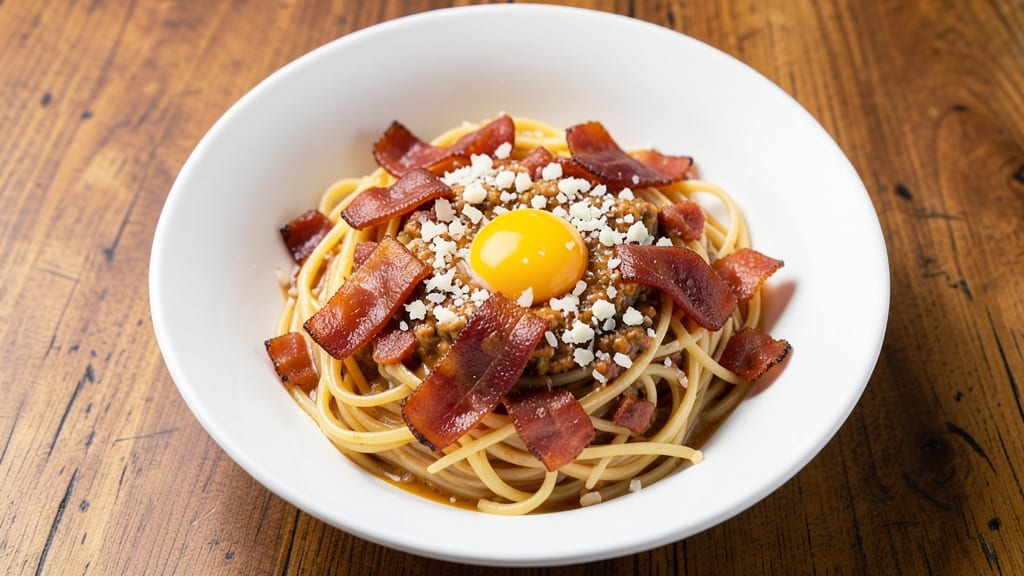
This beef bacon carbonara recipe delivers the ultimate Italian comfort food experience with crispy pancetta bites and a velvety egg-cheese sauce that clings to every strand of pasta.
The secret lies in proper technique—cooking the bacon until golden, creating a smooth emulsion with eggs and cheese, and tossing everything together at the right temperature to prevent scrambling. I've perfected this version after years of trial and error, ensuring each bite is rich, creamy, and packed with savory depth.
The traditional Roman carbonara uses guanciale (cured pork cheek), but I've adapted it here with bacon for wider accessibility while maintaining authentic flavor. The key is using room-temperature eggs and cheese to create that signature silky sauce, while crispy pancetta adds texture contrast.
This recipe serves four with minimal prep but maximum impact—just 20 minutes of active cooking time that transforms simple ingredients into restaurant-quality pasta.
What sets this apart is the balance of textures: tender al dente pasta, crispy bacon edges, and a sauce so creamy it coats every noodle without being heavy.
The aroma alone will have everyone gathering at the table, and the first bite delivers that perfect harmony of salty, savory, and rich. This is carbonara as it should be—luxurious yet approachable, with a technique that's easier to master than you might think.
Serve immediately with a sprinkle of fresh parsley and cracked black pepper for that final touch of sophistication. The leftovers? Forget about them—this dish disappears faster than you can say "al dente." Let's get cooking with this foolproof method that transforms weeknight dinners into Italian-inspired feasts.
Ingredients for beef bacon carbonara
Crispy pancetta, al dente pasta, and velvety egg-cheese sauce transform simple ingredients into restaurant-quality carbonara.
| Ingredient | Amount | Notes |
|---|---|---|
| Thick-Cut Pancetta 🥓 | 6 oz | Diced into 1/4-inch pieces |
| Spaghetti 🍝 | 12 oz | Dry, al dente preferred |
| Large Eggs 🥚 | 3 whole | Room temperature, fresh |
| Pecorino Romano Cheese 🧀 | 1 cup | Freshly grated, coarse |
| Parmesan Cheese 🧀 | ½ cup | Freshly grated, aged |
| Unsalted Butter 🧈 | 2 tbsp | Cold, cut into small cubes |
| Fresh Parsley 🌿 | ¼ cup | Chopped, for garnish |
| Ground Black Pepper 🌶️ | ½ tsp | Freshly cracked |
| Diamond Crystal Kosher Salt 🧂 | 1 tsp | For pasta water |
| Garlic Cloves 🧄 | 2 cloves | Minced, for optional depth |
| Extra-Virgin Olive Oil 🫒 | 1 tbsp | For crisping pancetta |
The pancetta is non-negotiable for authentic flavor—thick-cut, diced into even 1/4-inch pieces ensures maximum crispiness. Costco and specialty Italian markets carry the best quality, but any reputable butcher will have it. Look for vibrant pink color with good marbling; avoid anything with a grayish tint. For a shortcut, high-quality thick-cut bacon works in a pinch, though purists will notice the difference. The spaghetti should be al dente—test a piece by biting into it; it should offer gentle resistance. De Cecco or Barilla brands are my go-to for consistent texture.
No Pecorino Romano? Substitute with aged Parmesan, but reduce to 3/4 cup since it's milder. The cheese must be freshly grated—pre-shredded contains anti-caking agents that prevent proper melting. For an extra layer of flavor, toast the minced garlic in olive oil for 30 seconds before setting aside. The eggs should be room temperature—cold eggs scramble instead of emulsifying. If you're concerned about salmonella, pasteurized eggs work perfectly. The butter adds richness without overpowering; European-style unsalted butter like Plugrá has higher fat content for better results.
Pancetta keeps for 5 days in the fridge if stored in an airtight container, but it's best used fresh. Grated cheese loses flavor over time—grate only what you'll use immediately and store the wedge wrapped in parchment paper. The cooked pasta reheats beautifully in the sauce, but add a splash of pasta water to restore creaminess. For make-ahead convenience, cook the pancetta and store separately, then crisp it fresh before combining with the sauce. The dish should be served immediately—carbonara's magic lies in its freshness, where the sauce clings perfectly to each strand.
Why You'll Love This Recipe
- Here’s what sold me: the eggs and cheeses (pecorino + parmesan) create that velvety sauce without heavy cream. The heat from the pasta cooks the eggs just enough—no scrambling, no breaking yolks. Just slide that fork in and watch it coat perfectly.
- Pancetta Magic: I swear by thick-cut pancetta here—it’s sweeter, richer than regular bacon, and those little fat cubes render into pure flavor gold. No need to dice finely; just chop into rough chunks and let the pan do the work.
- Creamy Without Cream: Here’s what sold me: the eggs and cheeses (pecorino + parmesan) create that velvety sauce without heavy cream. The heat from the pasta cooks the eggs just enough—no scrambling, no breaking yolks. Just slide that fork in and watch it coat perfectly.
- Weeknight Hero: Between us, this is my go-to when I’m exhausted but craving something fancy. Toss leftover pancetta into the pan, boil water, whisk eggs—done in 20 minutes. Even my picky teenager doesn’t complain. (Yes, even on a Tuesday night.)
Step-by-step instructions for beef bacon carbonara
Master this technique and you'll achieve perfectly crispy pancetta with a velvety egg sauce every time.
Render the Pancetta Until Crispy
Heat the 1 tablespoon extra-virgin olive oil in a large skillet over medium heat until shimmering. Add the 6 oz thick-cut pancetta, diced into ¼-inch pieces, and cook undisturbed for 5 minutes. This initial wait allows the fat to render and create a flavorful crust.
After 5 minutes, stir the pancetta occasionally for another 5-7 minutes until it reaches deep golden brown with crispy edges. The rendered fat should pool in the pan—this is your flavor base. Remove the pancetta with a slotted spoon and set aside, leaving the fat in the skillet. If the fat isn't golden enough, reduce heat slightly to prevent burning.
Prepare the Egg and Cheese Mixture
In a medium bowl, whisk together the 3 whole large eggs, 1 cup freshly grated Pecorino Romano cheese, and 0.5 cup freshly grated Parmesan cheese until smooth and fully combined. Add the 0.5 teaspoon freshly cracked ground black pepper and mix well. The mixture should be thick and pale yellow—almost custard-like in texture.
I like to use room-temperature eggs for this step, as they blend more smoothly into the cheese. If your eggs are cold, whisk them vigorously for 30 seconds to emulsify before adding the cheese. This ensures a silky sauce rather than a grainy one. Set the bowl aside while you cook the pasta.
Cook the Spaghetti Al Dente
Bring a large pot of water to a rolling boil and add 1 teaspoon Diamond Crystal kosher salt (the water should taste like the sea). Add the 12 oz spaghetti and cook until 1 minute shy of the package's al dente recommendation. For example, if the package says 10 minutes, cook for 9 minutes instead.
Before draining, reserve 1 cup of pasta water in a measuring cup. This starchy water is essential for creating the creamy sauce. Drain the spaghetti, but do not rinse it—rinsing removes the surface starch needed to bind the sauce. Return the drained pasta to the pot and toss it with the rendered pancetta fat from the skillet.
Combine and Finish Off Heat
Remove the skillet from heat and let it cool slightly for 1 minute. Add the 2 tablespoons cold unsalted butter, cut into small cubes, to the skillet and let it melt into the fat. Then, add the 2 cloves minced garlic cloves (if using) and stir for 10 seconds until fragrant.
Toss the spaghetti and pancetta into the skillet, coating everything in the fat and butter mixture. Pour in the egg-cheese mixture and toss vigorously with tongs for 1-2 minutes until the sauce thickens and clings to the pasta. If the sauce looks too thick, add pasta water 1 tablespoon at a time until it reaches a creamy consistency.
Garnish and Serve Immediately
Transfer the carbonara to warmed serving plates and garnish immediately with ¼ cup chopped fresh parsley. The sauce should coat the pasta evenly, with crispy pancetta bits scattered throughout. Serve while the sauce is still warm—carbonara thickens as it cools, so don't wait.
Each bite should deliver a perfect balance of textures: tender al dente pasta, crispy pancetta, and a rich, velvety egg sauce. The key to success lies in the residual heat of the pasta and the precise timing of combining everything off the heat—this prevents scrambled eggs and ensures a silky finish.
Pro Tips For Making Beef Bacon Carbonara
- CRISP THE PANCETTA LOW: Start your pancetta in a cold, dry pan—no oil needed. Once it hits 145°F (63°C), turn the heat to medium-low and let it render slowly. I learned this the hard way: high heat burns the fat before the meat crisps, leaving you with greasy, sad bacon instead of golden, crackly bits.
- SALT THE PASTA WATER LIKE THE SEA: Toss in 2 tablespoons of salt per 4 quarts of water—more than you’d use for boiling potatoes. The pasta should taste like the ocean if you licked it. I used to skimp, and the carbonara always felt flat; the salt balances the richness of the eggs and cheese.
- RESERVE THE PANCETTA FAT: Strain the rendered fat into a bowl after cooking the pancetta—you’ll need about 2 tablespoons. Use it to toss the pasta in the last minute of cooking. It’s the non-negotiable step that turns a good carbonara into one that makes people ask for seconds.
- GRATE CHEESE FRESH, NOT STORED: Skip the pre-grated cheese—it’s dry and clumpy. Use a microplane or fine grater for Pecorino Romano and Parmesan, and mix them right before tossing with the pasta. Pre-grated cheese loses moisture and makes the sauce grainy, even if you’re in a rush.
Best sauces and condiments for this beef bacon carbonara
Classic Carbonara Sauce
This dish relies on the egg-cheese emulsion as its soul—no cream allowed! The secret is blending 3 room-temperature eggs with 1 cup freshly grated Pecorino Romano and ½ cup aged Parmesan until smooth. I like to add ½ teaspoon cracked black pepper for depth.
The sauce should be thick and pale yellow, almost custard-like. For extra richness, I sometimes fold in 2 tablespoons cold butter at the end—it melts into the sauce beautifully. 🧈
Pancetta Fat Magic
The rendered fat from crispy pancetta is your flavor foundation. After cooking 6 oz thick-cut pancetta until deep golden brown, leave the fat in the skillet—it's liquid gold! This fat carries the savory notes and helps create the sauce's signature creaminess.
If you're short on time, high-quality bacon works in a pinch, though purists will notice the difference. Just ensure it's crispy before removing it.
Garlic Infusion
For an extra layer of flavor, I minced 2 garlic cloves and toasted them in the pancetta fat for 10 seconds before adding everything else. This adds subtle sweetness without overpowering the dish.
If you're sensitive to garlic, skip it entirely—carbonara's richness stands alone. The key is quick cooking to prevent bitterness.
Pasta Water Rescue
Never rinse your pasta after cooking! Reserve 1 cup of starchy pasta water before draining—it's essential for adjusting the sauce's consistency. If the sauce looks too thick, add pasta water 1 tablespoon at a time until it reaches a creamy, clinging texture.
This starch helps bind the egg and cheese into a silky emulsion. I keep a measuring cup handy for this exact purpose.
Butter Finish
Adding 2 tablespoons cold unsalted butter at the end elevates the dish to restaurant quality. The butter melts into the hot pancetta fat, creating a luxurious mouthfeel. I use Plugrá European-style butter for its higher fat content—it makes all the difference.
For a dairy-free twist, substitute with olive oil, though the texture will be slightly lighter.
Fresh Herb Garnish
Finish with ¼ cup chopped fresh parsley for brightness and color. The parsley cuts through the richness and adds a fresh note. I also like to crack fresh black pepper directly over each serving—it releases more aroma than pre-ground pepper.
Garnish immediately before serving to preserve the dish's vibrant presentation. 🌿
Nutrition facts
Frequently asked questions
Why does my carbonara sauce get grainy?
Grainy sauce usually happens when eggs scramble instead of emulsifying. Always work off the heat and use room-temperature eggs—cold eggs won't blend smoothly. Also, add pasta water gradually (1 tbsp at a time) if the sauce looks too thick. The key is patience: toss vigorously for 1-2 minutes until silky.
Can I make this ahead of time?
Freshness is critical for carbonara—it's best served immediately. However, you can prep components ahead: cook and store pancetta separately (up to 5 days in the fridge), grate cheese fresh, and whisk eggs with pepper. Reheat pancetta until crispy, then combine everything off the heat for that signature sauce.
What's the difference between pancetta and bacon?
Pancetta is Italian cured pork belly with a delicate, slightly sweet flavor—perfect for carbonara. Bacon is saltier and smokier. While bacon works in a pinch, pancetta's fat renders more cleanly, creating a smoother sauce. For authenticity, use thick-cut pancetta (available at Italian markets or specialty butchers).
How do I know when the pancetta is crispy enough?
Look for deep golden brown edges with a slight crunch—it should be crispy but not burnt. Test a piece: if it holds its shape and has a crackly texture, it's ready. Remove it when the fat is shimmering but not smoking. The rendered fat (liquid gold!) is what makes the sauce rich—never drain it completely!
Can I use other pasta shapes?
Traditional carbonara uses spaghetti for its long strands to catch sauce, but you can adapt! Try bucatini (thick spaghetti) or rigatoni—just cook pasta 1 minute less than package instructions to maintain al dente texture. Avoid small shapes like penne, as they hold sauce poorly. The goal is even coating!