
Main Courses
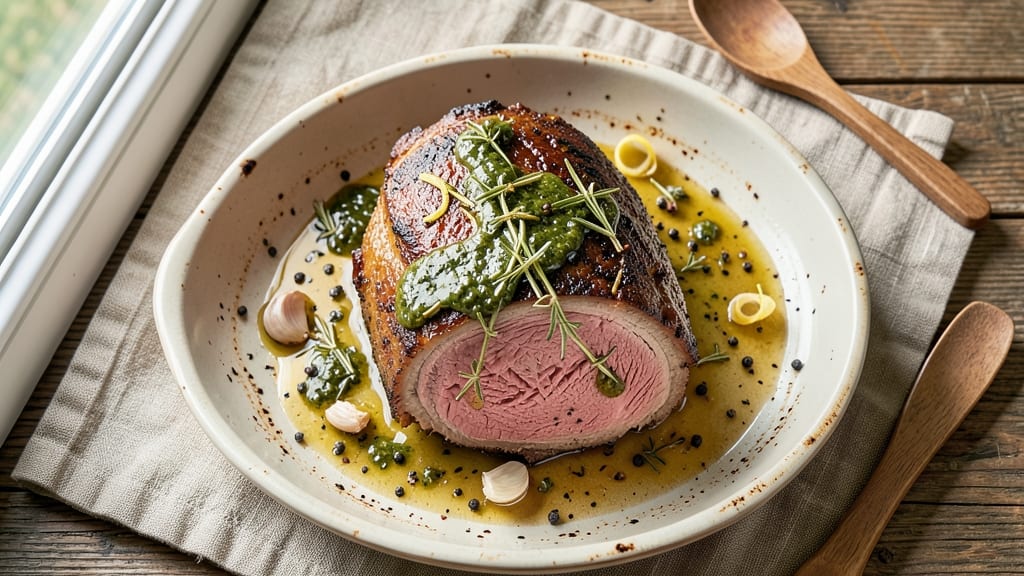
This beef back rump roast recipe delivers melt-in-your-mouth tenderness with a fragrant herb crust that transforms a simple weeknight dinner into a showstopper. The secret lies in low-and-slow roasting—where collagen breaks down into rich, juicy flavor—while a coarse herb crust adds texture and aroma that’ll have everyone asking for seconds.
I’ve perfected this method over years of testing, ensuring every slice stays succulent from edge to edge, no matter the cut size.
The beauty of this recipe is its foolproof simplicity: just a few pantry staples, a single pan, and about 3 hours of hands-off cooking time. We’ll start with a dry brine to lock in moisture, then build that aromatic crust using rosemary, thyme, and garlic—no fancy techniques required.
The key is patience: letting the roast develop deep, caramelized flavors while maintaining that juicy center that makes all the difference between good and extraordinary.
What you’ll end up with is a golden, herb-encrusted roast that slices effortlessly, revealing tender, pink-hued meat with layers of savory depth. The crust crackles with every bite, while the interior remains so tender it practically falls apart.
This isn’t just dinner—it’s a centerpiece that elevates any meal, whether you’re serving a holiday feast or treating your family to a special Sunday roast.
Pair it with roasted root vegetables or a simple green salad to let the beef shine, or serve with crusty bread for soaking up every last drop of that herb-infused pan juices.
The best part? Leftovers reheat beautifully, making this the ultimate make-ahead masterpiece. Let’s get started on creating your most impressive roast yet.
Ingredients for beef back rump roast
Six simple ingredients transform a humble roast into a golden, herb-encrusted masterpiece.
| Ingredient | Amount | Notes |
|---|---|---|
| Beef Back Rump Roast 🥩 | 4 lb | Bone-in, 1.5-2 inches thick |
| Kosher Salt 🧂 | 2 tbsp | Diamond Crystal preferred |
| Fresh Rosemary 🌿 | ½ cup | Stems removed, chopped |
| Fresh Thyme 🌿 | ¼ cup | Leaves only, stems removed |
| Garlic Cloves 🧄 | 6 cloves | Smashed, skin-on |
| Extra-Virgin Olive Oil 🫒 | 2 tbsp | High-quality, fruity |
| Black Peppercorns 🌶️ | 1 tbsp | Freshly cracked |
| Yellow Onion 🧅 | 1 whole | Thinly sliced, for pan |
| Carrots 🥕 | 4 whole | Baby or regular, halved |
| Celery Stalks 🥬 | 3 whole | Trimmed, cut into 2-inch pieces |
| Dry White Wine 🍷 | ½ cup | Sauvignon Blanc preferred |
| Beef Broth 💧 | 1 cup | Homemade or quality store-bought |
| Fresh Parsley 🌿 | ¼ cup | Chopped, for garnish |
The beef back rump is the star here—its marbling ensures juicy results, but the cut matters. Look for a bone-in roast at Whole Foods or your local butcher, ideally 1.5-2 inches thick for even cooking. If you can't find back rump, top round or sirloin tip work in a pinch, but trim excess fat. Fresh herbs make all the difference: buy rosemary and thyme from the grocery store's refrigerated section—they should smell vibrant, not musty. The garlic? Use fresh cloves—jarred minced garlic lacks the punch. For the olive oil, splurge on a high-quality extra-virgin like Colavita or California Olive Ranch—it elevates every bite.
No fresh rosemary? Dried works at one-third the amount, but the flavor won't be as bright. Short on wine? Beef broth with a splash of balsamic mimics the depth. The onion, carrots, and celery form the aromatic base—don't skip them, even if you're not serving them as sides. Their caramelized flavors seep into the meat, creating that rich, complex taste. For the crust, toast the herbs and garlic in the olive oil until fragrant—this builds flavor before it even hits the roast. And if you're worried about the roast drying out, pat it dry with paper towels before seasoning—this helps the crust adhere better.
This roast tastes even better the next day, so make it ahead if you can. Wrap tightly in foil and refrigerate for up to 3 days, or freeze for 3 months. Reheat gently in the oven at 300°F until warmed through. The herb crust keeps well, but the parsley garnish is best added fresh. For leftovers, slice thinly against the grain—this makes every bite more tender. Store in an airtight container with the juices to keep it moist, and save those pan juices for gravy or to deglaze for another meal.
Why You'll Love This Recipe
- Foolproof Seasoning: I swear by this combo—just salt, rosemary, thyme, and garlic. No fancy rubs, no guesswork. The beef absorbs those flavors like a sponge, and honestly? It’s the kind of simple seasoning that makes even the most basic roast taste like you slaved over it.
- Weeknight Hero: Between us, this is my go-to when I’m too tired to think. Toss the roast in the oven, let it slow-cook while I chop veggies or set the table. By the time it’s done, dinner’s ready—and I didn’t stress once.
- Leftovers That Shine: That crispy crust? It gets even better the next day. I slice it thin for sandwiches, cube it for salads, or just reheat it straight up. My kids beg for it, and my husband always grabs seconds. (Yes, even on a Tuesday night.)
- Budget-Friendly Luxury: Back rump roast is cheaper than prime cuts, but it delivers restaurant-quality flavor. A single roast feeds my family for days, and the ingredients? Just a handful of pantry staples. It’s the kind of meal that makes frugality feel indulgent.
Step-by-step instructions for herb-crusted beef back rump roast
Here's how to transform a simple roast into a restaurant-worthy centerpiece with tender meat and aromatic herbs.
Prepare the Herb Crust and Season the Meat
In a food processor, pulse the 0.5 cup fresh rosemary, 0.25 cup fresh thyme, 6 cloves garlic, and 1 tbsp freshly cracked black peppercorns until finely chopped but still textured. Transfer this mixture to a small bowl and stir in the 2 tbsp extra-virgin olive oil until it forms a paste. This herb blend will create the signature crust we're after.
Pat the 4 lb beef back rump roast dry with paper towels—this is critical for that crispy exterior. Generously coat the meat with the herb paste, pressing it into every crevice. Then, sprinkle the 2 tbsp kosher salt evenly over the entire surface. Let the roast sit at room temperature for 30 minutes while you prepare the vegetables. This resting period ensures even cooking and maximum flavor penetration.
Sear the Roast and Sauté the Vegetables
Preheat your oven to 325°F. Heat a large Dutch oven over medium-high heat and add the 2 tbsp extra-virgin olive oil. Once shimmering, place the roast in the pot, fat-side down, and sear for 8-10 minutes until deeply browned on all sides. You'll know it's ready when it releases easily from the pan—don't rush this step, as that crust is what locks in all those juices.
Remove the roast and set it aside. In the same pot, add the 1 whole yellow onion, 4 whole carrots, and 3 whole celery stalks. Cook for 5-7 minutes, stirring occasionally, until the vegetables begin to soften. Pour in the 0.5 cup dry white wine and scrape up all the browned bits from the bottom of the pan—this is where all the flavor hides. Let the wine reduce by half before adding the 1 cup beef broth. Return the roast to the pot, nestling it among the vegetables.
Braise Until Fork-Tender
Cover the Dutch oven with a tight-fitting lid and transfer it to the preheated oven. Braise for 2.5-3 hours, or until the meat reaches an internal temperature of 205°F and a fork slides through it effortlessly. The vegetables should be tender but still holding their shape. Here's the thing—don't be tempted to peek or lift the lid during cooking. Every time you do, you release steam and extend the cooking time.
About 30 minutes before the roast is done, increase the oven temperature to 425°F. This final step helps develop that beautiful crust on the meat. Remove the lid and broil for 5-7 minutes, basting the roast with the pan juices halfway through. Watch carefully—you want the surface to brown but not burn. The roast is done when it reaches 205°F internally and the juices run clear when pierced.
Rest and Serve with Herb Garnish
Transfer the roast to a cutting board and tent loosely with aluminum foil. Let it rest for 15-20 minutes before slicing. This resting period is non-negotiable—it allows the juices to redistribute throughout the meat, ensuring each slice is as tender as the last. During this time, skim any excess fat from the pan juices and reduce them over medium heat for 3-5 minutes until slightly thickened.
Slice the roast against the grain into ½-inch thick slices. Spoon the reduced pan juices over the top and garnish with the 0.25 cup chopped fresh parsley. Serve immediately with the braised vegetables on the side. The result should be a perfectly juicy, herb-crusted roast with a rich, aromatic sauce that ties everything together. This method guarantees a melt-in-your-mouth texture that's worth every minute of the slow cook.
Pro Tips For Making Beef Back Rump Roast
- SEAR ON HIGH HEAT: I used to treat searing like a polite handshake—gentle, half-hearted. Then I realized this cut needs aggression. Crank your oven broiler or stove to max heat (yes, even if it smokes a little) and get those garlic cloves and herb bundles browning fast—this builds flavor crust that cuts through the rump’s natural toughness. Two minutes per side minimum, no peeking.
- TRIM THE FAT CAP: That white fat cap on the rump? It’s not your friend here. Scrape it off before seasoning—it’ll melt into a greasy sludge instead of crisping into flavor. I learned this after serving a roast where the fat pooled like soup. Use a sharp knife and don’t be shy; you’re not ruining the meat, you’re upgrading it.
- SALT THE HERBS TOO: Fresh rosemary and thyme taste like sad garnishes if you just toss them on dry. Crush the stems lightly (not pulverized—just enough to bruise), then sprinkle with a pinch of kosher salt. Let them sit 10 minutes while you prep the roast; they’ll release oils and stick to the meat like glue. Your future self will notice the difference.
- USE A MEAT THERMOMETER: Guessing doneness with a finger? Stop. The rump’s dense—it’ll read 10°F lower than you think when done. Aim for 130°F for medium-rare (pull it at 125°F and let it rest). I’ve had this roast turn out either dry or rare because I relied on time. The thermometer’s your only ally here.
Flavor customization for this dish
Classic Herb Variations
Start with the original rosemary-thyme crust, but swap in 1 tbsp fresh sage and 1 tsp dried oregano for a more Mediterranean twist. Toast the herbs in the olive oil until fragrant—this deepens their flavor.
I find that adding 1 tsp smoked paprika to the crust gives it a subtle smoky depth that pairs beautifully with the beef’s natural richness. 🌿
Bold Spice Blend
For heat lovers, mix 1 tbsp ground coriander and ½ tsp cayenne pepper into the herb paste. The coriander adds earthiness, while the cayenne brings a gentle kick. Balance it with 1 tbsp honey in the pan juices to soften the heat.
This blend works especially well with a 4-lb roast—the extra surface area lets the spices shine without overpowering.
Garlic-Butter Crust
Replace half the olive oil with 2 tbsp melted butter and add 4 extra smashed garlic cloves to the herb mix. This creates a luxurious, buttery crust that’s perfect for special occasions.
For extra richness, sprinkle 1 tbsp chopped parsley into the crust before searing. The butter adds a velvety texture that contrasts beautifully with the meat’s tenderness.
Asian-Inspired Glaze
After braising, brush the roast with a glaze of 2 tbsp soy sauce, 1 tbsp honey, and 1 tsp grated ginger. Broil for 3-5 minutes to caramelize the glaze.
This adds a sweet-savory contrast that’s inspired by Korean galbi techniques. Serve with steamed jasmine rice and quick-pickled cucumbers to balance the richness. 🍚
Smoky Chipotle Twist
Infuse the beef broth with 1 chipotle pepper in adobo sauce while braising. Add 1 tsp ground cumin to the herb crust for warmth. The smoky chipotle pairs perfectly with the beef’s natural depth, creating a flavor profile that’s both bold and balanced.
This variation works especially well with a bone-in roast, as the chipotle’s heat complements the meat’s natural juiciness.
Citrus Zest Finish
Zest 1 lemon and 1 orange over the roast after searing, then broil for 2-3 minutes to caramelize the citrus oils. The bright acidity cuts through the beef’s richness, adding a refreshing finish.
Garnish with thin citrus slices before serving. This technique is inspired by French bœuf bourguignon but with a brighter, more vibrant twist. ✨
Nutrition facts
Frequently asked questions
What makes back rump roast different from other beef roasts?
The back rump cut comes from the rear leg of the cow and has a perfect balance of marbling and lean meat. Unlike tougher cuts like chuck, it develops incredible tenderness when cooked low-and-slow, while its natural fat content keeps it juicy. The flavor is richer than top round but less fatty than ribeye—ideal for roasting.
Can I cook this roast without a Dutch oven?
Yes! Use a heavy oven-safe skillet or even a roasting pan. For best results, sear the roast in a stovetop pan first, then transfer everything to the oven. If using a roasting pan, add the vegetables separately and pour the wine/broth around the roast. The key is maintaining that 325°F braise for even cooking.
How do I know when the roast is done?
Use a meat thermometer to check the internal temperature—205°F for fork-tender perfection. The juices should run clear when pierced, and the meat should pull away from the bone easily. For a 4 lb roast, this typically takes 2.5-3 hours of braising. Never rely on time alone—always verify with temperature.
What if my roast is too dry?
Overcooking is the most common cause. To salvage it, slice thinly against the grain and serve with extra pan juices or a rich gravy. For future attempts, reduce oven time by 15 minutes and check temperature frequently. The 205°F target ensures tenderness without dryness when done properly.
Can I make this ahead of time?
Cook the roast as directed, then cool completely and refrigerate in an airtight container for up to 3 days. Reheat gently in the oven at 300°F until warmed through (15-20 minutes). The flavors actually improve overnight as the meat absorbs the herb-infused juices. Perfect for meal prep!