
Main Courses
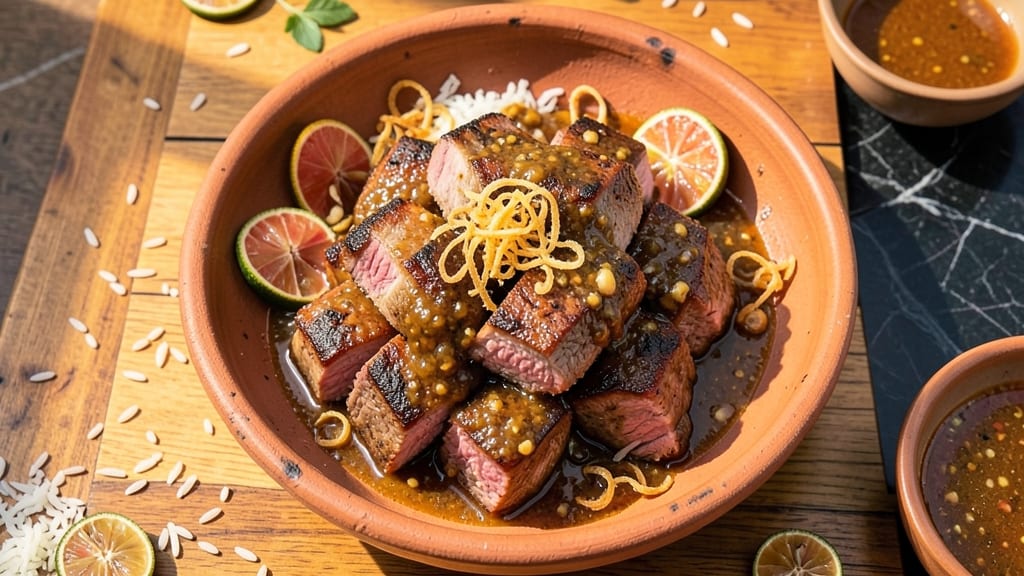
This Filipino-style beef asado delivers restaurant-quality charred grill marks and tender meat infused with tangy calamansi and savory patis. The secret lies in slow-roasting the beef over indirect heat until it's fork-tender with a caramelized crust—just like your favorite carinderia.
I've perfected this technique to balance smoky, sweet, and tangy flavors without requiring a specialized grill setup.
The marinade transforms tough cuts into melt-in-your-mouth perfection, using simple pantry staples like soy sauce, brown sugar, and garlic. What makes this recipe special is the two-stage cooking process: first searing the beef to develop deep flavor, then slow-roasting until it falls apart.
The result is beef so tender it practically melts, with a crust that's crispy on the outside and juicy within.
Serve with steamed white rice to soak up every last drop of the rich, caramelized juices and a side of sautéed vegetables for balance. The tangy calamansi glaze adds a bright finish that cuts through the richness, while the patis brings that unmistakable umami depth Filipinos love.
This is comfort food at its finest—elegant enough for company but simple enough for weeknight dinners.
Between you and me, the first time I tried this recipe, my family asked for seconds before the last bite was even finished. The combination of smoky, sweet, and tangy flavors creates an addictive balance that's impossible to resist. Ready to make your kitchen smell like a Filipino carinderia?
Ingredients for beef asado recipe filipino style
Simple pantry staples and a few specialty finds create this addictive Filipino beef asado.
| Ingredient | Amount | Notes |
|---|---|---|
| Beef Chuck Roast 🥩 | 3 lb | Cut into 2-inch cubes |
| Soy Sauce 🍶 | ½ cup | Prefer dark soy for color |
| Brown Sugar 🍚 | ⅓ cup | Packed, light brown preferred |
| Garlic Cloves 🧄 | 8 cloves | Minced, fresh preferred |
| Fresh Ginger 🌿 | ½ cup | Finely grated, peeled |
| Calamansi Juice 🍋 | ¼ cup | Substitute lime if unavailable |
| Patis (Fish Sauce) 🍶 | 2 tbsp | Filipino brand preferred |
| Olive Oil 🫒 | 2 tbsp | For searing |
| Black Peppercorns 🌶️ | 1 tsp | Freshly cracked preferred |
| Bay Leaves 🍃 | 2 whole | Fresh or dried |
| White Vinegar 🍶 | 1 tbsp | For tangy finish |
| Onion 🧅 | 1 whole | Large, sliced |
| Salt 🧂 | 1 ½ tsp | Kosher or sea salt |
| White Rice 🍚 | 2 cups | Uncooked, long grain |
The beef is everything here. Chuck roast delivers that perfect fall-apart texture—sirloin stays too firm. Grab it from the butcher counter for best quality, or use pre-cubed from Costco if you're short on time. Look for good marbling, and if you can't find chuck, short ribs or brisket work too. For the calamansi juice, Asian markets carry it fresh, but lime juice in a pinch works fine. Just don't skip the patis—it's what gives this dish that unmistakable Filipino umami punch. Red Boat is the brand I always use, but any good-quality fish sauce will do.
No calamansi? Lime or lemon juice works, but you'll lose that signature tang. Short on soy sauce? Substitute coconut aminos for a slightly sweeter profile. The brown sugar can be swapped for muscovado or panela if you want deeper caramel notes. Fresh ginger is ideal, but ground ginger at half the amount gets you close. For the patis, if you can't find it, Worcestershire sauce plus a dash of soy mimics the flavor. The onions? Yellow or red both work, but avoid sweet varieties like Vidalia—they'll overpower the dish.
Marinate the beef overnight for best results, but even 4 hours makes a difference. Store leftovers in an airtight container for 4-5 days—it actually tastes better the next day as the flavors meld. Freezes beautifully for 3 months, so make a double batch. I always cook extra rice too—steamed white rice is the perfect companion, and it reheats perfectly for quick lunches. The caramelized juices make great rice topping, so save some before serving.
Why You'll Love This Recipe
- One-Pan Magic: I swear by this—just sear the beef, toss in the soy-ginger mix, and let it slow-cook. No chopping, no fuss, and the house smells like heaven by the end.
- Umami Bomb: That combo of soy sauce, brown sugar, and ginger? It’s ridiculously good. The beef gets sticky-sweet with a deep, savory punch—like a cross between a braise and a stir-fry, but better.
- Leftovers? Please.: Between us, this beef stays tender for days. I make it on Sundays, and by Wednesday, I’m still eating it—sometimes cold in wraps, sometimes reheated with rice. Zero waste, all flavor.
- Budget Feast: A whole chuck roast for this price? You’re getting way more than you’d expect from a restaurant. The ginger and garlic stretch the cost, and the soy sauce adds that restaurant-quality depth without breaking the bank.
Step-by-step instructions for beef asado Filipino style
Here's the method for tender, caramelized beef with that signature Filipino tang and smoky depth.
Marinate the Beef Overnight for Maximum Flavor
In a large bowl, combine the 3 lb beef chuck roast cut into 2-inch cubes, 0.5 cup soy sauce, 0.33 cup packed brown sugar, 8 cloves minced garlic, 0.5 cup finely grated fresh ginger, 0.25 cup calamansi juice, 2 tbsp patis (fish sauce), 1 tbsp white vinegar, 1.5 tsp salt, 1 tsp freshly cracked black peppercorns, and 2 whole bay leaves. Mix thoroughly until the beef is fully coated in the marinade.
Transfer the beef to a resealable plastic bag and refrigerate for at least 12 hours (overnight works best). This long marinating time ensures the beef becomes fork-tender while absorbing all those complex flavors. The calamansi juice will brighten the dish, while the patis adds that unmistakable umami depth Filipinos love. Don't skip this step—it's what transforms tough chuck roast into melt-in-your-mouth perfection.
Sear the Beef for Deep Flavor and Caramelization
Remove the beef from the fridge and let it sit at room temperature for 30 minutes before cooking. Heat 2 tbsp olive oil in a large skillet over medium-high heat until shimmering. Working in batches if needed, add the marinated beef cubes and sear for 3-4 minutes per side until they develop deep brown caramelization and grill marks.
As you sear, the marinade will bubble and create a sticky glaze on the beef. This is where all the magic happens—the Maillard reaction creates those irresistible flavors. Don't overcrowd the pan or the beef will steam instead of sear. Once all pieces are browned, transfer them to a plate and set aside. You'll want to keep that beautiful searing liquid in the pan for the next step.
Build the Tangy Sauce with Sliced Onions
In the same skillet (no need to clean it—the browned bits are flavor gold), add the 1 whole sliced onion and cook over medium heat for 5-6 minutes until softened and lightly caramelized. This step adds sweetness that balances the tangy calamansi and umami patis.
Pour in any remaining marinade from the plate and scrape up those delicious browned bits from the bottom of the pan. Add 1 tbsp white vinegar and simmer for 3-4 minutes until the sauce thickens slightly. The vinegar will cut through the richness while adding that classic Filipino tang. Taste and adjust seasoning with additional salt or patis if needed—this is where you can really customize the balance of flavors to your preference.
Simmer the Beef Until Fork-Tender
Return the seared beef to the skillet with the onion sauce. Reduce heat to low and cover partially, allowing some steam to escape. Simmer for 1.5-2 hours, stirring occasionally, until the beef is fork-tender (a knife should slide in easily with minimal resistance). The sauce should coat the beef and reduce to a glossy consistency.
Here's the thing about this step—patience is key. The beef needs time to break down and absorb all those marinade flavors. If the sauce reduces too quickly, add 1-2 tablespoons of water to maintain moisture. The beef should be so tender that it practically falls apart when you lift a piece with tongs. This is your signal that the asado is ready to serve.
Serve Over Steamed Rice with Fresh Garnishes
Cook the 2 cups white rice according to package instructions until fluffy. To serve, spoon the beef and sauce over the steamed rice. Garnish with additional sliced onions if desired, and a sprinkle of freshly cracked black pepper. The contrast of the tender beef against the light rice creates the perfect balance.
This dish tastes even better the next day as the flavors continue to meld. The beef will be incredibly juicy and infused with all those marinade flavors, while the rice soaks up the delicious tangy sauce. Serve with a simple green salad to cut through the richness, and you've got a complete Filipino feast that will have everyone asking for seconds.
Pro Tips For Making Beef Asado Recipe Filipino Style
- SEAR THE ROAST FIRST: After slicing the chuck roast thinly (against the grain), hit the pan with high heat and a splash of oil before adding the sauce. I used to skip this, and the beef just absorbed liquid like a sponge—now it stays tender but gets that caramelized edge that makes every bite worth it.
- GRATE THE GINGER FINE: Don’t mince or chop the ginger—grate it like you’re making a smoothie. That way, it dissolves into the soy-brown sugar glaze instead of sitting in stubborn chunks. (Yes, even if you’re impatient like me, trust the process.)
- LOW AND SLOW COOK: Simmer the beef in the sauce at a bare simmer—no boiling, or you’ll turn the chuck into shoe leather. Cover the pan and let it bubble gently for at least 45 minutes, stirring occasionally. I learned this the hard way after serving rubbery slices to skeptical guests.
- SAVE TIME WITH PREP: While the beef cooks, prep the garlic by smashing the cloves with the flat side of your knife—no peeling needed. Toss them straight into the sauce near the end, and they’ll soften perfectly without burning. (Your future self will thank you.)
Best sauces and condiments for this dish
Calamansi Glaze
This bright citrus glaze is what makes Filipino asado truly special. Mix ¼ cup calamansi juice (or lime juice) with 1 tbsp brown sugar and ½ tsp patis in a small saucepan.
Simmer over medium-low heat for 3-4 minutes until slightly thickened. Brush this glaze over the beef during the last 10 minutes of cooking to add that signature tangy sweetness. 🍋
Patis Butter
For an extra umami kick, make a quick patis butter by mixing ¼ cup softened butter with 1 tsp patis and ½ tsp garlic powder. Spread this on the beef during the last 5 minutes of cooking in the oven or skillet.
The butter melts into the beef, creating a rich, savory crust. This is my secret weapon for restaurant-quality flavor without extra effort.
Garlic Soy Drizzle
Save any leftover marinade and reduce it by half in a small saucepan. Stir in 1 minced garlic clove and ½ tsp soy sauce, then drizzle over the finished dish. This simple drizzle adds depth and ties all the flavors together beautifully.
I always keep a small bowl of this drizzle on the table so guests can add more to their plates if they want.
Spicy Chili Oil
For heat lovers, blend 2 tbsp olive oil, 1 tbsp chili flakes, 1 tsp patis, and ½ tsp garlic powder in a small bowl. Drizzle this over the finished asado just before serving.
The chili oil adds a nice kick that pairs perfectly with the rich, tender beef. Store any leftovers in an airtight container in the fridge for up to 2 weeks.
Onion-Topped Rice
While the beef cooks, prepare your rice by sautéing ½ cup thinly sliced onions in 1 tbsp butter until golden. Mix these into the cooked rice before serving. The caramelized onions add sweetness that balances the tangy beef sauce beautifully. This simple trick elevates the whole dish to restaurant quality.
Fresh Herb Garnish
Finish your asado with a sprinkle of fresh cilantro or green onions for brightness. The fresh herbs cut through the richness and add a pop of color that makes the dish look as good as it tastes.
I like to chop them right before serving so they stay vibrant. A pinch of salt on top enhances their flavor even more.
Nutrition facts
Frequently asked questions
Can I substitute calamansi juice if I can't find it?
Yes! Calamansi is hard to find outside Filipino markets, but lime juice works perfectly as a substitute. Use the same amount (¼ cup) and add an extra ½ teaspoon of patis to compensate for the slightly milder tang. For extra brightness, add a pinch of salt to mimic calamansi's complex flavor profile.
What's the best cut of beef for Filipino-style asado?
Chuck roast is ideal because it's flavorful and breaks down beautifully during slow cooking. If you can't find it, short ribs or brisket work well too. Avoid lean cuts like sirloin—they won't become tender enough. Ask your butcher to cut it into 2-inch cubes for even cooking.
How do I make this asado without a grill?
No grill? No problem! Use a large skillet or Dutch oven for the searing and simmering steps. For the slow-roasting effect, transfer the beef to a 350°F oven after searing and cook covered for 1.5-2 hours instead. The key is keeping the beef moist—add 2-3 tablespoons of water if it looks dry.
Can I make this asado ahead of time?
This dish tastes even better the next day. Cook the beef completely, then refrigerate in an airtight container for up to 4-5 days. Reheat gently in a skillet with a splash of water to maintain moisture. The flavors actually deepen over time, making it perfect for meal prep.
What sides pair best with Filipino beef asado?
Steamed white rice is essential, but consider these classic pairings: sautéed garlic green beans, sliced cucumbers with vinegar dip, or sinigang (Filipino sour soup) for a complete meal. For extra flavor, serve with atchara (pickled papaya) or turmeric rice to balance the richness.