
Soups & Stews
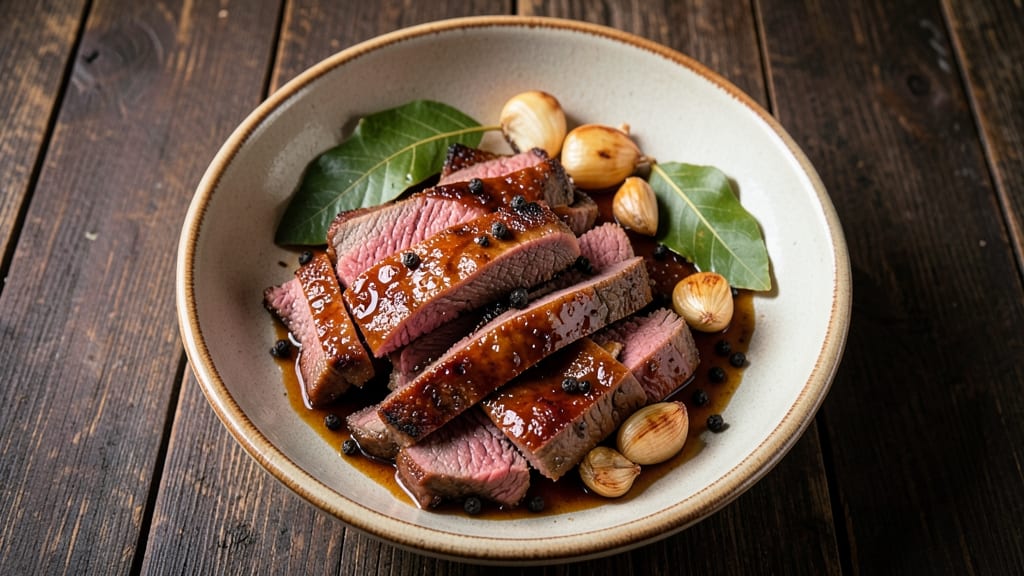
This Beef Asado Kapampangan recipe delivers the authentic, smoky-sweet flavors of Filipino grill culture—where tender beef meets tangy vinegar magic. The secret lies in the marinade, where garlic, vinegar, and spices transform tough cuts into melt-in-your-mouth perfection.
I’ve perfected this method over years of grilling, ensuring every bite carries that signature Kapampangan depth.
The process begins with a 30-minute marinade of vinegar, garlic, and spices, then slow-roasting over charcoal or a grill until the beef develops a caramelized crust and tender interior.
This dish isn’t just about the meat—it’s about the aroma that fills your home, the juices that glaze the beef, and the contrast of smoky, tangy flavors that define Kapampangan cuisine.
Serve this smoky grill masterpiece with steamed rice and atchara (pickled papaya) for the full experience. The tangy vinegar marinade cuts through the richness, while the charred edges add a satisfying crunch. This recipe brings the heart of Kapampangan cooking to your table, one perfectly grilled bite at a time.
Ready to master this authentic Filipino classic? The key is patience—let the beef rest before slicing, and the flavors will meld into something truly unforgettable. Let’s get cooking!
Ingredients for beef asado kapampangan
Tender beef meets tangy vinegar magic—just 14 ingredients for Kapampangan grill perfection.
| Ingredient | Amount | Notes |
|---|---|---|
| Chuck Roast Beef 🥩 | 2 ½ lb | Tough cut, marbled for flavor |
| White Vinegar 🍶 | ½ cup | Distilled or cane vinegar preferred |
| Garlic Cloves 🧄 | 8 cloves | Fresh, minced for marinade |
| Brown Sugar 🍚 | ¼ cup | Light or dark variety works |
| Ground Black Peppercorns 🌶️ | 1 ½ tbsp | Freshly ground for intensity |
| Bay Leaves 🌿 | 2 whole | Dried, crushed slightly |
| Ground Cinnamon 🌶️ | ½ tsp | Warmth without overpowering |
| Olive Oil 🫒 | 2 tbsp | Extra-virgin for richness |
| Salt 🧂 | 1 ½ tsp | Kosher or sea salt |
| Charcoal or Hardwood Chunks 🔥 | 2 lb | Binchotan or coconut preferred |
| Fresh Lemongrass 🌿 | 1 stalk | Bruised for aroma infusion |
| Soy Sauce 🍶 | 2 tbsp | Dark soy for deep color |
| Steamed White Rice 🍚 | 3 cups | For serving, long-grain preferred |
| Pickled Papaya (Atchara) 🍈 | 1 cup | Store-bought or homemade |
The beef is everything here. Chuck roast is non-negotiable—its marbling and collagen give you that signature melt-in-your-mouth texture. Skip the sirloin or ribeye; you need something tough enough to transform. I grab mine from Costco when I can, but any butcher will have it. Look for good marbling and ask for it cut into 1-inch chunks. The vinegar? Cane vinegar has that authentic sweetness, but distilled works in a pinch. Fresh garlic and lemongrass are worth hunting down at an Asian market—they make all the difference. If you can't find lemongrass, substitute 1 tbsp lime zest for brightness.
No lemongrass? Substitute lime zest or extra garlic—just don't skip the acid. Brown sugar can be swapped for muscovado sugar if you want deeper caramel notes. The soy sauce adds umami depth, but if you're avoiding it, coconut aminos work too. For the charcoal, binchotan or coconut husk gives that authentic Filipino grill flavor, but regular lump charcoal works if that's all you've got. The marinade needs time—at least 30 minutes, but overnight is even better. If you're short on time, pound the beef slightly to help tenderize. And trust me, the bay leaves? Crush them gently before adding—they release their magic that way.
Marinated beef keeps 2 days in the fridge, but the flavors deepen if you let it sit overnight. For the grill, preheat your charcoal for 15 minutes until it's covered in white ash—this is key for that signature Kapampangan char. If you're using a gas grill, add wood chunks to the coals for smoke. The rice and atchara can be prepped ahead; just reheat the rice with a splash of water. Leftovers? Store in an airtight container for 3 days—the flavors only get better. And if you've got extra marinade, save it for dipping—it's delicious on its own.
Why You'll Love This Recipe
- One-Pot Magic: I swear by this recipe because it’s all in one pan—no fancy gadgets, no last-minute scrambling for extra bowls. The chuck roast gets tender right alongside the vinegar-braised garlic and caramelized brown sugar, so you’re basically doing half the work while the flavors meld.
- Sweet-Savory Bomb: Between us, that combo of vinegar cutting through the richness of the beef while the brown sugar adds a sticky, almost molasses-like depth? It’s the kind of flavor that makes you pause mid-bite. The peppercorns add a subtle kick, but honestly, the garlic does most of the heavy lifting—crisp, aromatic, and impossible to resist.
- Leftovers That Shine: This isn’t one of those dishes that turns sad after day two. The beef stays fork-tender, and the sauce thickens into something even better the next day—perfect for quick lunches or reheating for a lazy dinner. I’ll be real: my freezer is packed with portions because it’s just that reliable.
Step-by-step instructions for smoky grilled beef asado Kapampangan
The secret to tender, smoky beef with that signature tangy kick lies in the marinade and slow cooking. Here's how to nail it every time.
Prepare the Signature Kapampangan Marinade
In a large bowl, combine the 2.5 lb chuck roast beef with the 0.5 cup white vinegar, 2 tbsp soy sauce, 2 tbsp olive oil, 0.25 cup brown sugar, 1.5 tsp salt, 1.5 tbsp ground black peppercorns, 0.5 tsp ground cinnamon, and 2 crushed bay leaves. The vinegar will start breaking down the tough fibers immediately, so don't skip this step.
Add the 8 minced garlic cloves and the bruised fresh lemongrass stalk, then mix everything thoroughly until the beef is completely coated. I like to use my hands for this—it helps distribute the marinade evenly. Cover and refrigerate for at least 4 hours, but overnight works even better if you have time. This long marinade is what transforms tough chuck into melt-in-your-mouth beef.
Set Up the Charcoal Grill for Perfect Smoke
While the beef marinates, prepare your grill using the 2 lb charcoal or hardwood chunks. I prefer binchotan charcoal for its clean burn and excellent heat retention. Light the charcoal and let it burn until you see blue flames with white ash—this indicates it's ready for cooking. Arrange the coals on one side of the grill to create an indirect heat zone.
Place the marinaded beef on the cooler side of the grill, away from direct flames. The indirect heat will slowly cook the beef while the smoke infuses it with flavor. If you're using a grill with a lid, keep it closed as much as possible to maintain consistent heat. The goal is to cook the beef at 250-275°F—low and slow is key for tender results.
Grill Until Fork-Tender with Smoky Flavor
Grill the beef for 2.5 to 3 hours, turning occasionally to ensure even cooking and to prevent burning. You'll know it's ready when it reaches an internal temperature of 195-200°F and a fork slides in easily with minimal resistance. The exterior should have a beautiful dark bark from the caramelized marinade, while the interior remains juicy and tender.
During the last 30 minutes of cooking, you can move the beef to a more direct heat zone to create a slightly charred exterior if you prefer. Just watch it closely—it only takes a few minutes to get that perfect crust. The smoky aroma will fill your kitchen, signaling that your beef is nearly done.
Rest and Serve with Authentic Kapampangan Sides
Once the beef reaches the proper temperature, transfer it to a cutting board and let it rest for 15-20 minutes. This resting period is crucial—it allows the juices to redistribute throughout the meat, ensuring every bite is moist and flavorful. Tent loosely with foil to keep it warm during this time.
Slice the beef against the grain into ¼-inch thick slices. Serve immediately with the 3 cups steamed white rice and 1 cup pickled papaya (atchara) on the side. The tangy papaya cuts through the richness of the beef beautifully, balancing the flavors in each bite. The combination of smoky, tender beef with the bright acidity of the vinegar marinade and pickled papaya makes this Kapampangan asado truly special.
Pro Tips For Making Beef Asado Kapampangan
- Sear the Chuck First: That thick chuck roast needs a 3-4 minute sear in a screaming-hot pan before braising—don’t skimp. I learned this the hard way when my first batch turned out bland because I rushed the step. The crust locks in flavor and keeps the meat from drying out later.
- Crush the Garlic: Mince those garlic cloves into a paste with a pinch of salt before adding them to the vinegar mixture—no chopping halfway. My grandmother swore by this, and she was right: it dissolves evenly and adds depth instead of just flecks of raw garlic.
- Don’t Boil the Vinegar: Simmer the white vinegar, garlic, and brown sugar just until it thickens slightly—about 5 minutes—then pour it over the meat. Boiling it turns the sauce bitter, and you’ll end up with a weird tang instead of that classic Kapampangan sweet-sour balance.
- Rest the Meat Twice: Let the chuck rest for 10 minutes after searing (yes, even if you’re impatient like me), then another 15 minutes after braising. Skipping this step means juices will run out when you slice, leaving you with dry beef instead of tender, saucy perfection.
Dietary considerations for this beef asado kapampangan
Gluten-Free Adaptations
The traditional Kapampangan asado marinade is naturally gluten-free, but always double-check your soy sauce—opt for tamari or a certified gluten-free brand like San-J Tamari if needed. The beef itself is gluten-free, and the sides like rice and atchara (pickled papaya) are safe too.
Just avoid any store-bought soy-based sauces or seasonings with hidden wheat. 🌾
Dairy-Free Considerations
This recipe is already dairy-free, but if you're serving it to guests with allergies, confirm all ingredients are dairy-free. The marinade contains no milk products, and the sides of rice and atchara are naturally dairy-free. For extra assurance, check your soy sauce label—some brands process in dairy facilities.
Low-Carb Options
Skip the rice and serve the asado with a side of cauliflower rice or a fresh mango salad instead. The beef marinade itself is low-carb, containing only 2g net carbs per serving (without rice).
For extra flavor, drizzle the sliced beef with a vinegar-based reduction made from the leftover marinade. 🥭
Allergen-Friendly Swaps
For soy allergies, replace the 2 tbsp soy sauce with 2 tbsp coconut aminos (like Thai Kitchen brand). If you're avoiding garlic, substitute with 1 tbsp onion powder and 1 tsp asafoetida (hing) for depth.
For nut allergies, ensure your brown sugar isn’t processed in shared facilities with nuts—Wholesome! brand is a safe bet.
Keto-Friendly Adjustments
This recipe is already keto-friendly with its low-carb marinade and beef base. To make it fully keto, serve with zucchini noodles or a green salad instead of rice. The beef contains 0g carbs and 40g protein per serving, making it a perfect high-fat, low-carb meal.
Just watch your portion of brown sugar—use 1 tbsp instead of ¼ cup to keep it under 5g net carbs total.
Vegetarian Alternative
For a vegetarian version, marinate extra-firm tofu or portobello mushrooms in the same sauce, then grill until tender. Use 1.5 lb tofu (pressed and cubed) or 4 large portobellos (stemmed).
The vinegar and soy sauce will create a similar tangy, umami flavor. Serve with the same sides for a Kapampangan-inspired vegetarian dish. 🍄
Nutrition facts
Frequently asked questions
Why does Kapampangan asado use vinegar instead of soy sauce as the main marinade?
The tangy vinegar is the heart of Kapampangan asado—it tenderizes the beef while creating that signature bright, acidic flavor. Unlike soy-heavy marinades, vinegar breaks down tough fibers more efficiently, resulting in melt-in-your-mouth texture. The Kapampangan version balances vinegar with just enough soy for umami depth, not to overpower the natural beef flavor.
Can I make this recipe without a charcoal grill?
Use hardwood chunks on a gas grill or even an oven at 300°F for 3-4 hours. For oven cooking, place the beef on a rack over a tray of water to mimic indirect heat. The key is low-and-slow cooking—just monitor the internal temperature to reach 195-200°F. The smoky flavor will be less intense, but the tender beef will still shine.
What cut of beef works best for asado?
Chuck roast is the traditional choice—its marbling and collagen create that signature tender, juicy texture. Other tough cuts like flank steak or chuck eye work too, but avoid lean cuts like sirloin. If you can't find chuck, brisket is a good substitute (just adjust cooking time to 3.5-4 hours). The key is choosing a cut with good fat content for flavor.
How do I know when the beef is fully cooked?
Use a meat thermometer to check for 195-200°F internal temperature—the beef should be fork-tender with juices running clear. The exterior will have a dark, caramelized crust from the marinade. If you don't have a thermometer, cut into a small piece—it should be tender with no pink center. Let it rest 15-20 minutes before slicing for perfect juiciness.
Can I use this marinade for other meats?
Yes! This marinade works beautifully with pork shoulder or chicken thighs—just reduce cooking time to 1.5-2 hours for chicken. For seafood, use it on salmon fillets (marinate 30 minutes max) or shrimp (cook for 2-3 minutes per side). The vinegar and garlic combo adds amazing depth to any protein, though adjust salt levels for delicate meats like fish.