
Soups & Stews
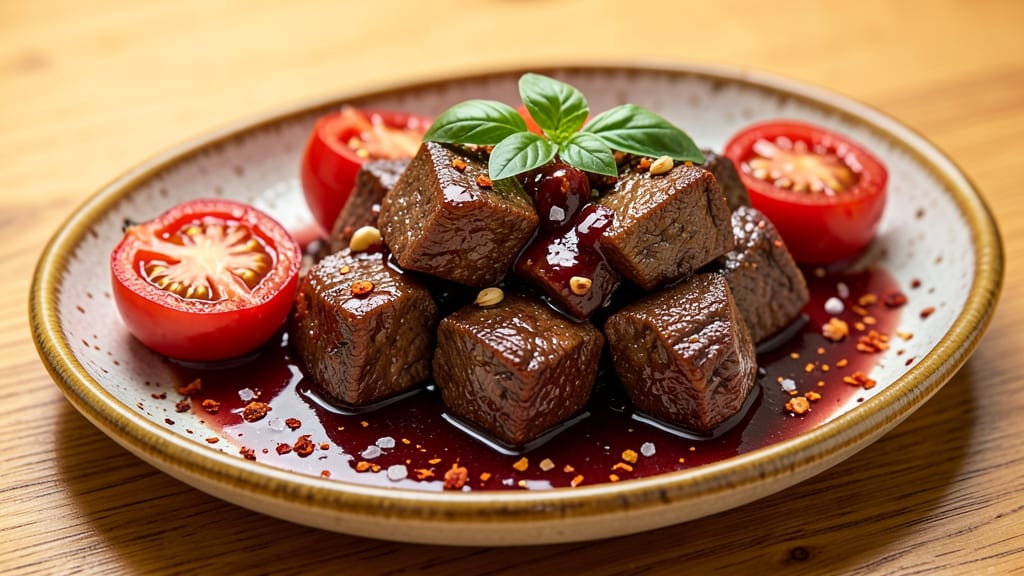
Beef arrabiata recipe transforms weeknight dinners into Italian trattoria experiences with its bold, caramelized tomato sauce and tender beef. The secret lies in slow-cooked tomatoes that deepen in flavor while beef breaks down into fork-tender pieces—all in one pot. This isn't just pasta; it's a restaurant-quality meal that balances spicy heat with rich, umami depth, using simple techniques anyone can master.
What sets this beef arrabiata apart is the sauce's transformation: raw tomatoes soften into a velvety, slightly sweet base while chili flakes infuse just enough heat without overpowering. The beef—whether tough cuts like chuck or tender sirloin—becomes melt-in-your-mouth tender as it simmers, absorbing the sauce's complex flavors.
Pair it with al dente spaghetti or linguine, and you've got a dish that's equal parts comforting and impressive.
The result is a plate where every bite delivers layers of flavor: crispy pasta edges, tender beef, and a sauce that clings perfectly, offering just the right balance of spice and sweetness. The aroma alone will have everyone gathering at the table, and the leftovers reheat beautifully for lazy lunches.
This is the kind of recipe that proves homemade Italian food can be both authentic and effortless.
Serve with garlic bread to soak up every last drop of sauce and a simple arugula salad to cut through the richness. The plating is simple but striking: twirl the pasta onto each plate, top with a few beef pieces, and drizzle generously with the sauce.
This isn't just dinner—it's a moment worth savoring.
Ingredients for beef arrabiata
Bold flavors and simple ingredients create this restaurant-style beef arrabiata in one pot.
| Ingredient | Amount | Notes |
|---|---|---|
| Chuck Roast 🥩 | 1 ½ lb | Pre-cubed or cut into 1-inch pieces |
| San Marzano Tomatoes 🍅 | 28 oz | Crushed by hand or canned |
| Red Wine 🍷 | ½ cup | Bold dry variety like Cabernet Sauvignon |
| Garlic Cloves 🧄 | 4 cloves | Minced for depth of flavor |
| Red Chili Flakes 🌶️ | 1 tbsp | Adjust for desired heat level |
| Dried Oregano 🌿 | 1 tsp | Italian or Mediterranean blend |
| Ground Black Pepper 🌶️ | ½ tsp | Freshly cracked for best flavor |
| Extra-Virgin Olive Oil 🫒 | 2 tbsp | For searing beef and seasoning |
| Kosher Salt 🧂 | 1 ½ tsp | Adjust to taste after cooking |
| Fresh Basil Leaves 🌿 | ¼ cup | Chopped for garnish and freshness |
| Spaghetti 🍝 | 12 oz | Al dente preferred |
| Onion 🧅 | 1 whole | Medium, finely chopped |
| Beef Broth 💧 | ½ cup | Low-sodium preferred |
| Balsamic Vinegar 🍶 | 1 tbsp | For brightness and depth |
The chuck roast is your secret weapon here—it breaks down beautifully during slow cooking, becoming fork-tender while absorbing the sauce. Look for well-marbled cuts at your butcher or grocery store's meat counter, and ask for it pre-cubed to save time. If you can't find chuck, sirloin or flank steak works in a pinch, but slice it thinly first. San Marzano tomatoes are non-negotiable for that sweet, rich flavor—Whole Foods or Italian markets usually carry them, or any reputable grocery store's international aisle. The red wine adds depth, so grab whatever bold dry red you have open; no need to splurge on a special bottle.
No red wine? Substitute beef broth with an extra tablespoon of balsamic vinegar for acidity. Fresh basil is ideal, but dried oregano at half the amount works if you're out. For extra umami, add a teaspoon of soy sauce to the sauce at the end. The chili flakes can be adjusted—start with less if you're sensitive to heat. If you're using pre-cubed beef, pat it dry with paper towels before searing to get a better crust. The onions should be finely chopped, almost minced, so they dissolve into the sauce rather than staying distinct pieces.
This sauce tastes even better the next day as the flavors meld. Store leftovers in an airtight container in the fridge for up to 4 days, or freeze for 3 months in portion-sized containers. For serving, toss the al dente spaghetti with a splash of pasta water and the sauce, then top with fresh basil. The pasta will absorb the sauce perfectly, creating that signature arrabiata texture. If you make extra sauce, freeze it in ice cube trays for quick portioning—just thaw and reheat for future meals.
Why You'll Love This Recipe
- One-Pot Magic: I swear by this recipe when I’m too tired to scrub a million dishes. Chuck roast and San Marzano tomatoes simmer down into rich sauce right in the pot—no extra pans, no stress. The red wine deglazes while you’re chopping garlic, and by the time the chili flakes bloom, dinner’s basically making itself.
- Deep, Winey Richness: That first bite? Chef’s kiss. The chuck roast gets fork-tender while soaking up the acidity of the tomatoes and the depth of the red wine—no bland beef here. The garlic and chili flakes add a slow-building heat that lingers, making it feel fancy without the fuss. (Yes, even on a Tuesday night.)
- Leftovers That Shine: Between us, this sauce improves the next day. I make a double batch on Sundays—freeze half for lazy nights—and reheat it with crusty bread or pasta. The flavors meld even more, and it’s still the star of the meal, no matter how many times you reheat it.
- Budget-Friendly Feast: Chuck roast is my secret weapon for stretching meals without skimping on flavor. A big cut of meat, a bottle of wine you’d drink anyway, and a can of tomatoes—this feeds four for under $20. Honestly, it’s the kind of dish that makes me feel like I’m treating myself, even when I’m just feeding the family.
Step-by-step instructions for beef arrabiata
This one-pot method delivers deep caramelized flavors and tender beef without complicated techniques.
Sear the Chuck Roast in Olive Oil
Heat a large Dutch oven over medium-high heat. Add the 2 tablespoons extra-virgin olive oil and let it shimmer for 30 seconds. Working in batches if needed, add the 1.5 lb chuck roast cut into 1-inch pieces, spreading them out in a single layer. Let them sear undisturbed for 3-4 minutes until deeply browned on all sides.
This high-heat sear creates the Maillard reaction that builds rich, complex flavors. Don't overcrowd the pan—if the meat steams instead of browns, work in two batches. Once browned, transfer the beef to a plate and set aside. You'll notice the meat releases easily from the pan when properly seared.
Build the Flavor Base with Onion and Garlic
In the same Dutch oven, add the 1 whole onion that's been finely chopped. Cook over medium heat for 5-6 minutes until softened and beginning to caramelize at the edges. Add the 4 cloves garlic cloves that have been minced and cook for an additional 30 seconds until fragrant.
Here's where the foundation happens: the onions should develop a golden hue and the garlic should sizzle without burning. If the onions stick, add a splash of 0.5 cup beef broth to deglaze. This step develops the sweet, deep flavors that carry through the entire dish.
Develop the Tomato Sauce with Wine and Spices
Pour in the 0.5 cup red wine and scrape up any browned bits from the bottom of the pot. Let it simmer for 2-3 minutes until reduced by half. Add the 28 oz San Marzano tomatoes, 1 tablespoon red chili flakes, 1 teaspoon dried oregano, 0.5 teaspoon ground black pepper, and 1.5 teaspoons kosher salt. Stir well to combine.
Bring to a gentle simmer and cook uncovered for 15-20 minutes, stirring occasionally. You'll see the sauce thicken and develop a rich, caramelized color. The acidity from the wine and tomatoes will mellow as they cook down, creating a balanced sauce. If the sauce gets too thick, add a splash of beef broth to maintain proper consistency.
Braise the Beef Until Tender
Return the seared beef to the Dutch oven. Add the 1 tablespoon balsamic vinegar and stir to coat everything evenly. Bring to a simmer, then reduce heat to low. Cover and let it cook for 1.5-2 hours, stirring occasionally, until the beef is fork-tender and easily pulls apart.
This slow cooking transforms the tough chuck roast into melt-in-your-mouth beef. Check the sauce periodically and add more beef broth if it becomes too thick. The beef should be so tender that a fork slides through it with minimal resistance, and the sauce should coat the back of a spoon.
Finish with Fresh Basil and Serve
When the beef is tender, stir in the 0.25 cup fresh basil leaves that have been chopped. Let the sauce simmer uncovered for an additional 5 minutes to allow the flavors to meld. Taste and adjust seasoning with additional kosher salt or red chili flakes if needed.
While the sauce finishes, cook the 12 oz spaghetti in salted boiling water until al dente according to package instructions. Reserve 1 cup pasta water before draining. Toss the drained pasta with the beef arrabiata sauce, adding reserved pasta water as needed to reach your desired consistency. The finished dish should have a rich, caramelized sauce with tender beef and bright basil notes throughout.
Pro Tips For Making Beef Arrabiata
- SEAR THE ROAST FIRST: Chuck roast needs a proper crust—don’t skip the initial sear. Heat your Dutch oven until it’s smoking hot, then pat the meat very dry with paper towels before browning it in oil. I learned this the hard way: skipping the sear means flavorless beef, no matter how good the sauce.
- PEEL THE TOMATOES: San Marzano tomatoes are sweet and perfect raw, but peeling them removes the bitter skin and makes the sauce silky. Drop them into boiling water for 30 seconds, then shock in ice—no one wants to bite into a chunk of skin while eating.
- DEGLAZE WITH WINE IMMEDIATELY: As soon as you pull the roast out, pour in that red wine right away while the pan is still hot. Scrape every last bit of browned bits—this is where the flavor lives. Let it reduce by half before adding tomatoes, or you’ll end up with a watery mess.
- ADD CHILI FLAKES LAST: Tossing red chili flakes in with the garlic early burns them fast, turning the sauce bitter. Instead, sprinkle them in the final 2 minutes of cooking—just enough to wake up the flavors without overpowering. (Yes, even if you’re spice-loving like me.)
Storing and reheating this beef arrabiata
Refrigerator Storage
Let your beef arrabiata cool completely before transferring to an airtight container—I use glass Pyrex with snap-on lids. Store in the fridge at 40°F or below for up to 4 days.
The flavors actually deepen overnight as the spices meld, making leftovers even more delicious. Just stir before serving to redistribute the sauce. ❄️
Freezer Storage
For longer storage, freeze the sauce in portion-sized containers (like quart freezer bags) with 1-inch headspace to prevent expansion cracks. Label with the date—it keeps for 3 months without quality loss.
Thaw overnight in the fridge before reheating. I often freeze just the sauce separately from the pasta to avoid sogginess. 💫
Stovetop Reheating
My preferred method is stovetop reheating—it preserves the sauce's texture beautifully. Pour the arrabiata into a pot, add 2-3 tablespoons of water or beef broth, and simmer over medium-low heat for 8-10 minutes, stirring occasionally.
The extra liquid prevents the sauce from sticking or becoming too thick. Taste and adjust seasoning afterward. 🔥
Microwave Method
For quick reheating, transfer a portion to a microwave-safe bowl, cover loosely with a damp paper towel, and heat on 50% power in 2-minute intervals, stirring between each.
The damp towel helps retain moisture. Avoid full power—it can make the sauce rubbery. Add a splash of pasta water if needed to loosen. ✨
Pasta Handling
If storing the pasta separately, cook it fresh when reheating. The sauce's acidity works best with freshly cooked al dente pasta. For a shortcut, store the sauce and pasta separately in the freezer—just cook the pasta fresh when ready to eat.
The sauce reheats beautifully on its own for quick meals. 💡
Nutrition facts
Frequently asked questions
What type of beef works best for arrabiata?
Chuck roast is ideal because it becomes fork-tender when slow-cooked, absorbing the rich tomato sauce beautifully. For quicker cooking, use sirloin or flank steak cut into thin strips—just reduce the braising time to 1 hour. Avoid lean cuts like filet mignon, as they'll dry out during the long simmer.
How do I adjust the heat level in beef arrabiata?
Start with 1 tablespoon chili flakes for medium heat. For milder flavor, reduce to ½ teaspoon or omit entirely. If you love spice, add ½ teaspoon cayenne pepper with the tomatoes. Always taste first—you can't remove heat once added, but you can balance it with a pinch of sugar or more basil.
Can I make beef arrabiata without red wine?
Replace the ½ cup red wine with ½ cup beef broth plus 1 tablespoon balsamic vinegar for acidity. The balsamic adds depth that mimics wine's complexity. For extra richness, add 1 teaspoon soy sauce or a splash of tomato paste to compensate for the missing wine flavor.
What pasta works best with this sauce?
Spaghetti or linguine are classic choices, but avoid thick noodles like rigatoni—the sauce needs room to cling. For extra texture, try bucatini or penne. Cook pasta 1 minute less than package instructions, then toss immediately with the hot sauce to prevent sticking.
Why is my sauce too thin or too thick?
If the sauce is too thin, simmer uncovered for 10-15 extra minutes to reduce. For thicker sauce, stir in 1 tablespoon tomato paste or 1 teaspoon cornstarch mixed with water. Never thicken with flour alone—it can make the sauce taste grainy. The sauce should coat the back of a spoon but remain spoonable.