
Soups & Stews
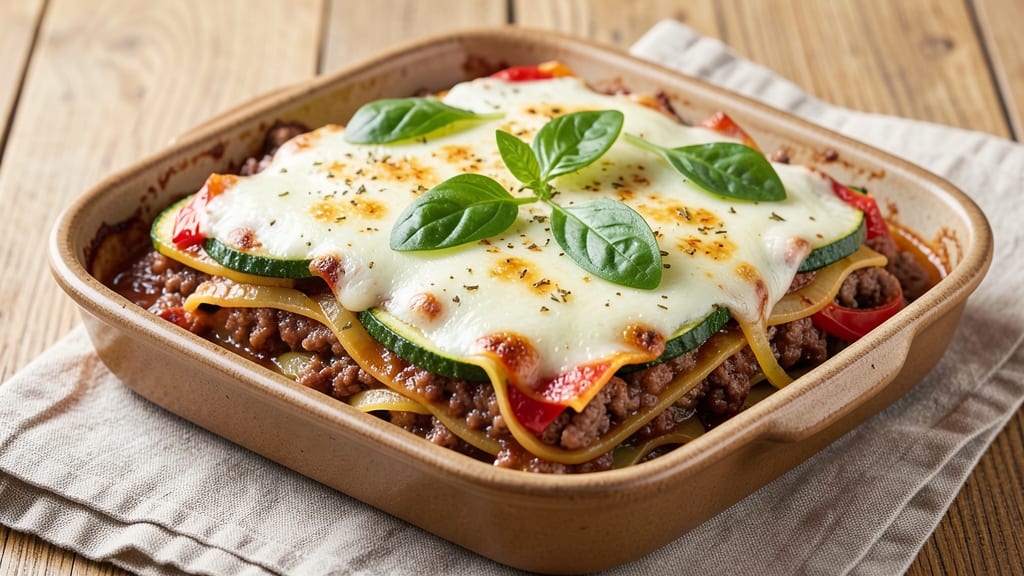
This beef and vegetable lasagne recipe delivers the ultimate in layered comfort, where tender beef, fresh vegetables, and rich cheese create a dish that feels like a warm embrace. The secret lies in slow-cooked meat sauce and perfectly layered pasta, baked until golden and bubbling with every bite.
I've perfected this recipe over years of testing, ensuring each component comes together harmoniously for a restaurant-quality result at home.
The foundation begins with a deeply flavorful meat sauce, simmered low and slow to develop rich, caramelized notes. Pre-cooked lasagne noodles prevent a gummy texture, while a mix of vegetables—zucchini, bell peppers, and spinach—adds freshness and color.
Every layer is carefully assembled, from the savory beef mixture to the melted cheese topping, creating a dish that's as satisfying to make as it is to eat.
By the time it emerges from the oven, you'll have a lasagne with perfectly tender beef, al dente pasta, and a golden cheese crust that crackles with every forkful. The combination of textures—creamy sauce, crispy cheese, and tender vegetables—makes this more than just a meal; it's a showstopper.
Whether serving for a family dinner or a special occasion, this lasagne delivers on comfort with every bite.
For added flexibility, you can swap traditional noodles for gluten-free options or adjust the vegetables based on what's seasonal. The key is balancing flavors and textures, ensuring each layer contributes to the overall harmony. Let's get started on creating this timeless classic.
Ingredients for beef and vegetable lasagne
Sixteen ingredients for layers of comfort—tender beef, fresh veggies, and rich cheeses baked to golden perfection.
| Ingredient | Amount | Notes |
|---|---|---|
| Ground Beef 🥩 | 1 ½ lb | 80% lean for best flavor |
| Lasagne Noodles 🍝 | 12 pieces | Pre-cooked, no-boil type |
| Zucchini 🥒 | 2 medium | Thinly sliced lengthwise |
| Bell Peppers 🍅 | 2 whole | Any color, sliced thin |
| Fresh Spinach 🍃 | 4 cups | Chopped, loosely packed |
| Yellow Onion 🧅 | 1 whole | Diced, medium size |
| Garlic Cloves 🧄 | 4 cloves | Minced for depth of flavor |
| Tomato Sauce 🍅 | 2 cups | High-quality jarred or homemade |
| Tomato Paste 🍅 | ½ cup | Smooth texture preferred |
| Red Wine 🍷 | ½ cup | Bold dry variety like Cabernet |
| Beef Broth 💧 | 1 cup | Low-sodium preferred |
| Ricotta Cheese 🧀 | 15 oz | Part-skim for creaminess |
| Mozzarella Cheese 🧀 | 2 cups | Shredded, low-moisture |
| Parmesan Cheese 🧀 | ½ cup | Freshly grated from block |
| Olive Oil 🫒 | 2 tbsp | Extra-virgin for richness |
| Dried Oregano 🌿 | 1 tbsp | Italian variety preferred |
| Salt 🧂 | 1 ½ tsp | Kosher or sea salt |
| Black Pepper 🌶️ | ½ tsp | Freshly ground preferred |
The beef is where it all starts. Ground chuck gives you that melt-in-your-mouth texture—80% lean is ideal. I grab mine from Costco when I can, but any supermarket brand works. Look for good marbling if you're buying a whole roast to grind yourself. The ricotta? Part-skim is my go-to—it's creamy without being too heavy. Fresh mozzarella would be ideal, but low-moisture shredded from a block is what most of us have on hand. The lasagne noodles should be pre-cooked—no-boil type saves time and prevents gummy layers. Barilla or De Cecco are my favorites, but any brand works if it says 'no-boil' on the package.
No red wine? Beef broth with a splash of balsamic vinegar works in a pinch. Fresh spinach wilts fast—chop it just before layering. The tomato paste can be the squeeze tube kind from Trader Joe's—it's perfect for this recipe. Short on zucchini? Mushrooms or eggplant hold up well in the oven. The bell peppers can be any color—red, yellow, or green all work. If you're using pre-shredded cheese, pick the kind in a can—it melts better than the bagged stuff. And trust me, freshly grated Parmesan makes all the difference over pre-grated.
This lasagne tastes even better the next day—plan ahead. Assemble it up to 24 hours ahead and refrigerate before baking. The cheese topping gets crispy when reheated, so cover it loosely with foil. Keeps 4-5 days in the fridge, freezes beautifully for 3 months. I always make a double batch—one for dinner, one for leftovers. The sauce thickens as it cools, so add a splash of milk or broth if it seems too thick when reheating. And save those noodle ends—they're perfect for croutons!
Why You'll Love This Recipe
- I swear by this trick: slice the zucchini and bell peppers together—same knife, same motion. The peppers add sweetness while the zucchini keeps it light, and honestly? You’ll use every last bit without extra chopping.
- No-Waste Prep: I swear by this trick: slice the zucchini and bell peppers together—same knife, same motion. The peppers add sweetness while the zucchini keeps it light, and honestly? You’ll use every last bit without extra chopping.
- Meat Sauce Magic: That ground beef gets browned just right, then simmered with garlic and herbs until it’s sticky with flavor—not dry, not bland. The spinach wilts right into the layers, so you get that rich, herby depth without extra effort.
- Leftovers That Shine: Between us, this lasagne tastes better the next day. The noodles soften perfectly, the veggies hold their texture, and I’ve reheated slices straight from the fridge for lazy lunches—no one complains.
Step-by-step instructions for beef and vegetable lasagne
Here's how to build layers of flavor that'll make your lasagne the star of any dinner.
Cook the Meat Sauce with Rich Depth
Heat the 2 tablespoons olive oil in a large pot over medium-high heat. Add the 1.5 lb ground beef and cook, breaking it apart with a wooden spoon, until it loses its raw color and starts to brown—about 5-7 minutes. This browning creates deep flavor, so don't rush it.
Push the beef to one side of the pot and add the 1 whole yellow onion and 4 cloves garlic cloves. Sauté for 3-4 minutes until the onion softens and the garlic becomes fragrant. Stir everything together, then add the 1 tablespoon dried oregano, 1.5 teaspoons salt, and 0.5 teaspoon black pepper. Cook for another 1 minute to toast the spices.
Pour in the 0.5 cup red wine and let it simmer for 2-3 minutes until mostly evaporated. Stir in the 2 cups tomato sauce and 0.5 cup tomato paste, then add the 1 cup beef broth. Bring to a gentle simmer, reduce heat to low, cover, and let it cook for 30 minutes, stirring occasionally. This slow cook time lets the flavors meld beautifully.
Prep and Sauté the Vegetables
While the sauce simmers, thinly slice the 2 medium zucchini lengthwise and the 2 whole bell peppers into strips. In a separate skillet, heat 1 tablespoon olive oil over medium heat and sauté the zucchini and bell peppers for 4-5 minutes until just tender but still vibrant. Remove them from the pan and set aside.
In the same skillet, add the 4 cups fresh spinach and cook for 2-3 minutes until wilted. The spinach should be bright green but completely collapsed—this ensures it blends perfectly into the lasagne layers. Remove from heat and combine with the sautéed vegetables.
Assemble the Lasagne Layers
Preheat your oven to 375°F. Spread a thin layer of the meat sauce on the bottom of a 9x13-inch baking dish to prevent sticking. Arrange 4 lasagne noodles horizontally, slightly overlapping if needed. Sprinkle ⅓ of the ricotta cheese evenly over the noodles, then add ⅓ of the mozzarella cheese and ⅓ of the sautéed vegetables. Repeat this layer twice more.
For the final layer, add the remaining 4 lasagne noodles, then spread the remaining meat sauce evenly over the top. Sprinkle the remaining ⅔ cup mozzarella cheese and 0.5 cup parmesan cheese over the sauce. The cheese should look generous—this is what creates that golden, bubbly finish.
Bake to Golden Perfection
Cover the lasagne tightly with aluminum foil and bake for 25 minutes. Remove the foil and bake for another 10-15 minutes until the top is golden brown and bubbly. The edges should look crispy, and the cheese should have formed a delicious crust. If it browns too quickly, tent it loosely with foil to prevent burning.
Let the lasagne rest for 10 minutes before slicing—this allows the layers to set and makes it easier to serve. The result? A hearty, cheesy lasagne with tender beef, vibrant vegetables, and layers of rich sauce. Serve with a simple green salad and crusty bread for the perfect comfort meal.
Pro Tips For Making Beef And Vegetable Lasagne
- Preheat Pan for Ground Beef: I learned this the hard way—cold ground beef releases grease like a flood if you don’t start with a screaming-hot pan. Get that skillet blazing before adding the beef, then turn it down to medium-high to avoid burning the edges while it browns. That first minute of high heat seals in juices and gives you crispy bits that taste like magic.
- Salt the Lasagne Water: Yes, even lasagne noodles benefit from salted water. Toss them in boiling water with a full tablespoon of salt—it seasons the noodles themselves and keeps them from turning mushy when baking. (Pro move: Use a pinch of salt in the cold water before boiling, too.) Your future self will notice the difference when you cut into that first slice.
- Drain and Shock Spinach: Fresh spinach wilts into a sad, watery mess if you just dump it straight into the sauce. After wilting, plunge it into ice water for 30 seconds, then drain thoroughly. This stops cooking, keeps the color vibrant, and prevents your lasagne from turning into a spinach soup. Works for zucchini too—slice it first, then shock it to keep it crisp.
- Layer Noodles Dry: Wet noodles stick together like glue, and that’s the last thing you want in a lasagne. Cook them al dente, drain well, and let them cool slightly before assembling. Spread a thin layer of sauce on the bottom of your dish first—this keeps the first noodle layer from turning to paste. (I know, it’s tedious, but it’s the thing that matters most.)
Wine and beer pairings for this dish
Red Wine Essentials
A bold, dry red wine like Cabernet Sauvignon or Chianti mirrors the lasagne’s rich tomato and beef flavors beautifully. The tannins in red wine cut through the dish’s creaminess, cleansing your palate between bites.
I always reach for a 2018 Tuscan Chianti—its bright acidity and dark fruit notes complement the zucchini and spinach perfectly. 🍷
For a lighter option, try Sangiovese—its herbal notes pair wonderfully with the oregano in the meat sauce. Avoid heavy, oaked wines that might overpower the dish’s fresh vegetable layers. Serve at 60-65°F for optimal enjoyment.
Beer Pairings
A Malty Amber Ale like Fat Tire or Leinenkugel’s Summer Shandy balances the lasagne’s richness with refreshing hop notes. The beer’s caramel undertones enhance the beef’s depth, while its effervescence cuts through the cheese.
I love pairing this lasagne with a chilled Belgian Dubbel—its fruity, spiced profile contrasts the dish’s savory layers.
For a crisp option, Italian Lager (like Peroni) works brilliantly. Its light body won’t overwhelm the dish, and the slight bitterness highlights the spinach’s freshness. Avoid heavy stouts or IPAs—they’ll clash with the delicate cheese and vegetable flavors.
White Wine Alternatives
If you prefer white, a dry Riesling from Germany offers surprising harmony. Its citrus and mineral notes complement the tomato sauce and ricotta, while its slight sweetness balances the dish’s saltiness. I keep a 2020 Dr. Loosen Blue Slate Riesling on hand for these occasions.
For a lighter touch, Pinot Grigio from Alto Adige provides crisp acidity that refreshes the palate. Avoid oaky Chardonnays—they’ll compete with the lasagne’s cheesy richness. Serve whites slightly chilled (45-50°F) to enhance their brightness.
Non-Alcoholic Options
For a refreshing non-alcoholic pairing, try sparkling apple cider like Martinelli’s. Its effervescence and tartness mirror the lasagne’s acidity, while the apple notes complement the tomato sauce. I also love ginger beer—its spicy kick enhances the dish’s umami flavors.
A chilled hibiscus iced tea with a squeeze of lime adds a floral, citrusy contrast to the rich lasagne. The tea’s natural tartness balances the dish’s creaminess without overpowering it. Perfect for warm evenings when you want something light and refreshing.
Nutrition facts
Frequently asked questions
Can I make this lasagne ahead of time?
Assemble the lasagne up to 24 hours ahead and refrigerate it uncovered. When ready to bake, cover tightly with foil and add 10-15 minutes to the baking time (about 40-45 minutes total). The flavors develop beautifully overnight, and the cheese topping gets extra crispy when reheated.
What if I don't have red wine?
No problem! Use 1 cup beef broth plus 1 tablespoon balsamic vinegar as a substitute. The vinegar adds depth similar to wine's acidity. For extra richness, add ½ teaspoon soy sauce to mimic the umami notes of red wine. The lasagne will still taste delicious—just slightly less complex.
How do I prevent soggy noodles?
Use no-boil lasagne noodles and cook the meat sauce thoroughly before assembling. Spread a thin layer of sauce on the bottom of your baking dish first to create a barrier. Most importantly, don't skip the 10-minute rest after baking—this lets the layers set properly and prevents the noodles from absorbing too much moisture.
Can I use frozen vegetables instead?
Yes, but thaw and drain them first. For best texture, use fresh spinach (it wilts quickly) and sauté frozen veggies like bell peppers and zucchini until just tender. Avoid overcooking—you want them to stay vibrant in the lasagne. Frozen mushrooms work well too, but pat them completely dry to prevent excess moisture.
What's the best way to reheat leftovers?
Cover the lasagne loosely with foil and bake at 350°F for 20-25 minutes until heated through. For a crispy top, uncover for the last 5 minutes. Microwaving works in a pinch (use 50% power for 2-3 minutes), but the texture won't be as good. The lasagne actually tastes better reheated—flavors meld further overnight!