
Main Courses
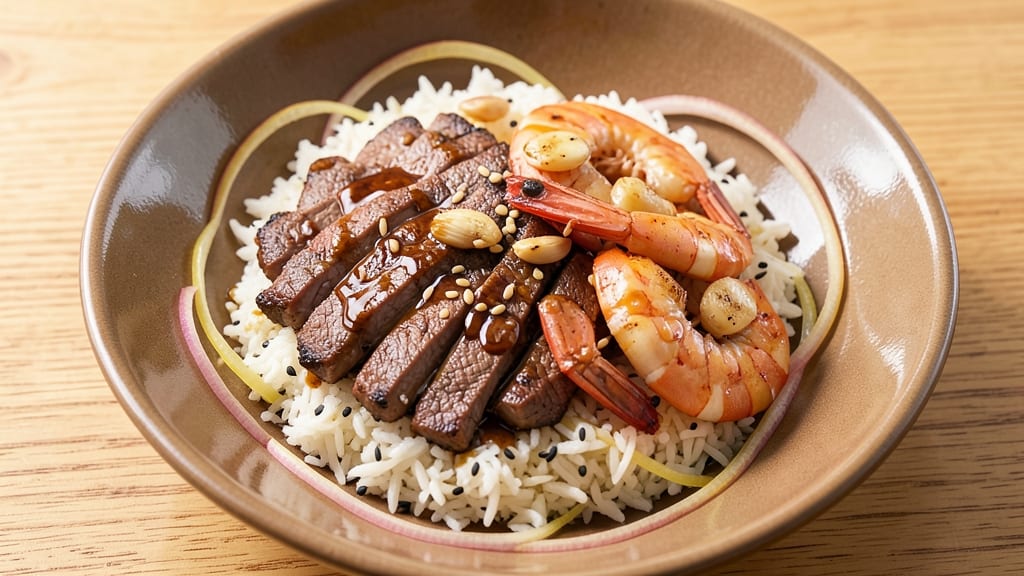
This beef and shrimp teriyaki recipe delivers restaurant-quality wok-fired flavors with a perfect balance of crispy edges and sweet-savory glaze. The secret lies in marinating the beef and shrimp separately—beef gets a longer soak for tenderizing, while shrimp stays fresh with a quick toss.
Pan-searing at high heat creates that signature caramelized crust, and the teriyaki sauce ties everything together with its rich, umami depth.
What sets this dish apart is the two-stage cooking method: first searing the proteins for maximum flavor, then finishing with a quick toss in the sauce to lock in moisture.
The result is juicy beef strips, plump shrimp with a pink center, and a glossy glaze that coats every bite. It's the kind of dish that feels indulgent yet remains light enough for a weeknight dinner.
Serve this over steamed jasmine rice for the full experience—each bite delivers the crunch of wok-fired proteins, the tang of teriyaki, and the sweetness of caramelized onions. Garnish with toasted sesame seeds and sliced green onions for freshness and texture.
The sauce is versatile too: use it as a drizzle, a dipping sauce, or even a marinade for next time.
This recipe is designed for foolproof results—no complicated techniques, just a well-balanced approach to wok-fired teriyaki. Whether you're feeding a family or hosting dinner guests, the combination of beef and shrimp ensures there's something for everyone. Let's get cooking!
Ingredients for beef and shrimp teriyaki
Restaurant-quality teriyaki starts with these carefully chosen ingredients for balanced, umami-rich flavor.
| Ingredient | Amount | Notes |
|---|---|---|
| Flank Steak 🥩 | 1 lb | Thinly sliced against grain |
| Large Shrimp 🦐 | 1 ½ lb | Peeled, deveined, tails on |
| Jasmine Rice 🍚 | 1 cup | Uncooked, long-grain preferred |
| Yellow Onion 🧅 | 1 whole | Thinly sliced, caramelized |
| Garlic Cloves 🧄 | 6 cloves | Minced, fresh preferred |
| Sesame Oil 🫒 | 1 tbsp | Toasted for aroma |
| Soy Sauce 🍶 | ½ cup | Low-sodium preferred |
| Honey 🍯 | ⅓ cup | Pure, high-quality |
| Rice Vinegar 🍶 | ¼ cup | White or seasoned |
| Ginger Root 🌿 | 1 tbsp | Freshly grated |
| Vegetable Oil 🫒 | 2 tbsp | High smoke point |
| Toasted Sesame Seeds 🌾 | 1 tbsp | For garnish |
| Green Onions 🧅 | 3 whole | Sliced, for garnish |
| Diamond Crystal Kosher Salt 🧂 | 1 ½ tsp | For seasoning |
| Ground Black Pepper 🌶️ | ½ tsp | Freshly ground |
The flank steak is key—look for well-marbled cuts at Whole Foods or your butcher shop. Slice it thinly against the grain for tender bites. For shrimp, frozen works fine but fresh is ideal if you can find it. The jasmine rice should be long-grain for that signature texture. Caramelizing the onions brings natural sweetness that deepens the teriyaki's complexity. Kirkland Signature soy sauce is my go-to for balanced umami without excess sodium, but any low-sodium brand works. The honey should be pure—local raw honey adds subtle floral notes that elevate the sauce.
No sesame oil? Toasted peanut oil works in a pinch, though the flavor will differ slightly. Substituting maple syrup for honey keeps it vegan-friendly, though the sauce will be less glossy. Fresh ginger is non-negotiable for authentic teriyaki—dried loses its punch. The vegetable oil should have a high smoke point for wok-frying. For the rice, sushi rice works beautifully if you have it, though jasmine is more accessible. The sesame seeds should be toasted in a dry pan until golden—Trader Joe's sells pre-toasted for convenience. If you can't find rice vinegar, apple cider vinegar is a decent swap, though it lacks the delicate sweetness.
Store the raw proteins separately in the fridge—beef for up to 3 days, shrimp for 1 day. The teriyaki sauce keeps for 5 days refrigerated or 3 months frozen. The rice reheats beautifully—just add a splash of water and cover. For meal prep, portion the sauce into ice cube trays for easy drizzling later. The caramelized onions can be made ahead and stored in the fridge for 1 week—they actually taste better the next day as flavors meld.
Why You'll Love This Recipe
- Here’s what sold me: that perfect harmony of sticky, caramelized teriyaki with the shrimp’s briny snap and the steak’s tender chew. The onions and garlic get sweet and jammy, cutting through the richness while the jasmine rice soaks up every last drop. It’s the kind of flavor combo that makes you reach for seconds without even thinking.
- One-Pan Magic: I swear by this recipe when I need zero dishes after dinner. Just sear the flank steak and shrimp in the same pan you’ll toss with onions and garlic, then pour in the teriyaki—no extra pots, no stress. The rice cooks while everything else caramelizes, and suddenly you’ve got a restaurant-quality meal without the cleanup.
- Sweet-Savory Balance: Here’s what sold me: that perfect harmony of sticky, caramelized teriyaki with the shrimp’s briny snap and the steak’s tender chew. The onions and garlic get sweet and jammy, cutting through the richness while the jasmine rice soaks up every last drop. It’s the kind of flavor combo that makes you reach for seconds without even thinking.
- Weeknight to Dinner Party: Between us, this is my go-to when I’m feeding a crowd or just myself. Double the shrimp for appetizers, slice the steak thin for tacos later, or serve it family-style with extra rice. Honestly, I’ve taken it to potlucks, used it for meal prep, and even packed leftovers for lunch—it’s that reliable.
Step-by-step instructions for beef and shrimp teriyaki
Master this wok-fired dish with precise timing and technique for perfect caramelized edges and glossy teriyaki glaze.
Marinate and Prep Proteins
Slice the 1 lb flank steak thinly against the grain for maximum tenderness. In a bowl, combine the steak with 0.25 cup rice vinegar, 1 tbsp ginger root, 0.5 tsp ground black pepper, and 1 tsp diamond crystal kosher salt. Marinate for 20-30 minutes at room temperature.
For the 1.5 lb large shrimp, pat them dry with paper towels and season with the remaining 0.5 tsp ground black pepper and 0.5 tsp diamond crystal kosher salt. Set aside. The marinade breaks down muscle fibers in the beef while the shrimp's dry surface ensures a perfect sear. Don't skip the room temperature step—cold proteins cook unevenly.
Cook the Jasmine Rice
Rinse the 1 cup jasmine rice under cold water until the water runs clear. In a rice cooker or pot, combine the rice with 1.5 cups water and bring to a boil. Reduce heat to low, cover, and simmer for 15 minutes. Remove from heat and let it steam, covered, for another 10 minutes. Fluff with a fork before serving.
This method yields perfectly fluffy rice that won't turn mushy when mixed with the teriyaki sauce later. If using a pot, avoid lifting the lid during cooking—steam release disrupts the cooking process. The rice should be hot but not dry when ready to serve.
Caramelize Onions and Garlic
Heat 2 tbsp vegetable oil in a wok or large skillet over medium heat. Add the 1 whole yellow onion and cook for 8-10 minutes until deeply caramelized and golden brown. Remove and set aside, leaving the oil in the pan.
Add the 6 cloves minced garlic to the same pan and cook for 30 seconds until fragrant. Watch carefully—garlic burns quickly. The onions should be soft enough to mash slightly with a spoon when pressed, indicating proper caramelization. This step builds the flavor foundation for the teriyaki sauce.
Wok-Fry Proteins with High Heat
Increase heat to high and add the marinated steak strips. Sear for 2-3 minutes until browned but still slightly pink inside. Remove and set aside. In the same pan, add the shrimp and cook for 1-2 minutes per side until pink and opaque. Return the steak to the pan and combine.
High heat is critical here—it creates the signature wok-fired texture. The shrimp should curl slightly at the edges, and the steak should develop a golden crust. Don't overcrowd the pan; cook in batches if needed. The proteins will finish cooking in the sauce, so they don't need to be fully cooked here.
Make and Glaze the Teriyaki Sauce
Reduce heat to medium and add 0.5 cup soy sauce, 0.33 cup honey, and 1 tbsp sesame oil to the pan. Stir to deglaze, scraping up any browned bits. Simmer for 3-4 minutes until the sauce thickens slightly and coats the back of a spoon.
Return the proteins to the pan and toss to coat evenly. Cook for another 1-2 minutes until the sauce achieves a glossy sheen. Garnish with 1 tbsp toasted sesame seeds and 3 whole sliced green onions. Serve immediately over the cooked jasmine rice for the perfect balance of textures and flavors.
Pro Tips For Making Beef And Shrimp Teriyaki
- SEAR STEAK FIRST: Get that flank steak screaming hot in a dry pan for 2-3 minutes before anything else—no oil needed at first. The crust locks in flavor and keeps it juicy when you later toss it in the teriyaki sauce, while shrimp can wait for a gentler touch.
- PEEL SHRIMP LAST: Leave those shrimp shells on until the very end of cooking. They add body to the sauce and protect the delicate meat from overcooking—just pop them off after they turn pink, not before. (Yes, even if you hate peeling shrimp mid-cook.)
- DON’T BOIL THE SAUCE: Simmer teriyaki low and slow—never a full boil—or it’ll turn gluey and lose that glossy sheen. A gentle bubble is all you need, and the rice will soak up the flavor better. (I learned this the hard way after making a sticky mess.)
- SAVE THE ONION WATER: Chop that yellow onion, then save the water from rinsing it—it’s packed with sweetness. Use it to deglaze the pan after searing the steak, and your sauce will taste deeper without extra sugar. (Your future self will notice the difference.)
Serving suggestions for this beef and shrimp teriyaki
Rice Pairing Perfection
Jasmine rice remains my go-to base for this dish—its delicate floral aroma complements the teriyaki's sweet-savory balance beautifully. For extra fluffiness, I steam the rice with a splash of 1 tbsp rice vinegar in the cooking water.
This subtle tang prevents mushiness when mixed with the sauce. If you prefer heartier grains, try short-grain sushi rice or even forbidden black rice for a dramatic visual contrast. 🍚
Stir-Fry Veggie Boost
Add bell peppers and snap peas cooked in the same wok after removing the proteins. Toss them with 1 tsp toasted sesame oil and a pinch of Kosher salt for 2-3 minutes until vibrant.
The crunchy texture cuts through the richness while adding freshness. For a spicier kick, include red chili flakes or thinly sliced jalapeños—just ¼ tsp adds noticeable heat without overpowering.
Noodle Alternatives
Swap rice for udon or soba noodles for a Japanese-inspired twist. Cook the noodles al dente according to package instructions, then toss them with the teriyaki sauce and proteins. I recommend King Noodle brand for their consistent texture.
For gluten-free options, use rice noodles or shirataki noodles—though they require pre-soaking. The noodles absorb the sauce differently than rice, creating a lighter, saucier dish. 🍜
Garnish Game-Changers
Fresh cilantro adds a bright, herbaceous note that balances the richness—chop ¼ cup and sprinkle over the top. For extra crunch, toast ½ cup crushed peanuts in a dry pan for 2 minutes until golden.
Sesame seeds are non-negotiable, but I also like adding thinly sliced scallions for a milder onion flavor. A squeeze of lime wedge at the table brightens each bite with acidity. 🌿
Dipping Sauce Upgrade
Reserve ¼ cup teriyaki sauce before serving and thin it with 1 tsp rice vinegar and a pinch of red pepper flakes. This creates a lighter, tangier dipping sauce perfect for extra shrimp or beef strips.
For a creamy option, mix 2 tbsp Greek yogurt with 1 tsp sesame oil and ½ tsp grated ginger. The contrast of cool yogurt against the warm proteins is surprisingly delicious. 🥄
Side Dish Harmony
Pair with steamed bok choy or miso-glazed eggplant to round out the meal. The bitterness of bok choy cleanses the palate between bites, while eggplant soaks up extra sauce.
For a lighter option, serve with a cucumber salad tossed in 1 tbsp rice vinegar, 1 tsp sesame oil, and ½ tsp sugar. The cool, crisp textures provide perfect balance to the rich teriyaki. 🥒
Nutrition facts
Frequently asked questions
Can I use frozen shrimp for this recipe?
Thaw the shrimp completely under cold running water for 5-10 minutes, then pat them very dry with paper towels. The key is removing all moisture so they develop a perfect sear. For best results, season them just before cooking to prevent sogginess. Frozen shrimp works just as well as fresh in this dish.
How do I prevent the beef from becoming chewy?
Slice the flank steak thinly against the grain—this shortens the muscle fibers for maximum tenderness. Marinate for 20-30 minutes max (longer can make it mushy), and sear at high heat for just 2-3 minutes until browned but still slightly pink inside. The sauce will finish cooking the beef while keeping it juicy.
Can I make the teriyaki sauce ahead of time?
Yes! Prepare the sauce up to 3 days ahead and store it in an airtight container in the fridge. Reheat gently on the stove or microwave until warm. For best texture, don't boil it—just warm through. The flavors actually improve overnight as they meld together.
What's the best way to reheat leftovers?
Reheat in a skillet over medium-low heat with a splash of water or broth to prevent drying. Cover for 2-3 minutes until warmed through. Avoid microwaving—it can make the shrimp rubbery. For rice, steam it covered with a damp paper towel for 30 seconds to restore fluffiness.
How can I adjust the sweetness level?
Reduce honey by 1 tbsp for less sweetness or add ½ tsp grated ginger to balance. For extra depth, swap 1 tbsp honey with 1 tbsp maple syrup (vegan option). Taste the sauce before adding proteins—adjust while it's warm for best results.