
Soups & Stews
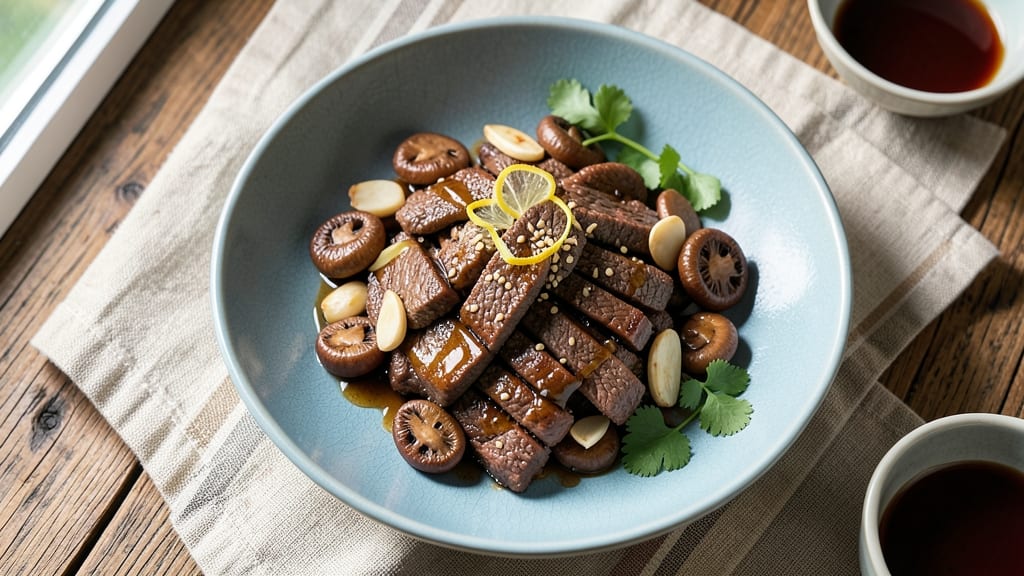
This beef and shiitake mushroom stir fry delivers restaurant-quality umami crunch in just 20 minutes, transforming simple ingredients into a flavor-packed meal that's foolproof for beginners.
The secret lies in high-heat wok technique and balancing savory soy, aromatic ginger, and nutty shiitake mushrooms for depth without overpowering the tender beef strips.
What sets this recipe apart is the perfect marriage of textures: crispy beef edges, tender mushrooms, and a glossy sauce that clings to every bite. We'll start with properly seared beef to lock in juices, then stir-fry shiitake mushrooms until they release their earthy, meaty essence—no bitter aftertaste here.
The sauce comes together in minutes with pantry staples, creating that signature wok-hei flavor.
By the time you plate this dish, you'll have golden-brown beef strips with perfectly seared edges, shiitake mushrooms that've transformed from tough to tender, and a sauce that's both savory and slightly sweet.
The aroma alone will have everyone gathering at the table, and the first bite delivers that satisfying crunch followed by layers of umami flavor that keep you reaching for more.
Serve this stir fry over steamed jasmine rice or noodles to soak up every last bit of that flavorful sauce. The recipe scales easily for a crowd, and leftovers reheat beautifully—though you might not have any to spare.
Let's get cooking with this wok-heated masterpiece that's perfect for weeknight dinners or weekend entertaining.
Ingredients for beef and shiitake mushroom stir fry
Restaurant-quality umami crunch comes from these 14 precise ingredients—simple yet transformative.
| Ingredient | Amount | Notes |
|---|---|---|
| Flank Steak 🥩 | 1 lb | Thinly sliced against grain |
| Dried Shiitake Mushrooms 🍄 | 8 whole | Rehydrated in warm water |
| Garlic Cloves 🧄 | 4 cloves | Minced for aromatic base |
| Fresh Ginger 🌿 | 1 tbsp | Finely grated, peeled |
| Low-Sodium Soy Sauce 🍶 | ½ cup | For umami depth |
| Sesame Oil 🫒 | 1 tbsp | Toasted for aroma |
| Honey 🍯 | 1 tbsp | For subtle sweetness |
| Rice Vinegar 🍶 | 1 tbsp | Balances flavors |
| Cornstarch 🌾 | 1 tbsp | For sauce thickening |
| Neutral Oil 🫒 | 2 tbsp | High smoke point preferred |
| Green Onions 🧅 | 3 whole | Sliced for garnish |
| Sesame Seeds 🥜 | 1 tsp | Toasted for crunch |
| Diamond Crystal Kosher Salt 🧂 | ½ tsp | Adjusts seasoning |
| Black Pepper 🌶️ | ¼ tsp | Freshly cracked |
The shiitake mushrooms are non-negotiable for authentic umami depth. Dried shiitake from Asian markets or specialty stores delivers the most concentrated flavor—look for plump, dark caps with minimal stems. Rehydrate them in warm water for 20 minutes before using; discard the soaking liquid to avoid bitterness. For fresh shiitake, thick slices ensure proper texture. The flank steak must be sliced against the grain—ask your butcher to do this if you're unsure. Costco or Whole Foods carry high-quality flank steak with good marbling, which renders fat for moisture during cooking. Fresh ginger and garlic should be vibrant and aromatic; Wilton brand ginger is a reliable choice for consistent quality.
No dried shiitake? Fresh shiitake or cremini mushrooms work in a pinch, but reduce cooking time to avoid toughness. Substitute soy sauce with coconut aminos at a 1:1 ratio for gluten-free adaptation. The sesame oil is purely for aroma—use Kadoya brand if available, as it has a more authentic toasted profile. For extra heat, add 1/2 tsp chili flakes to the sauce. The cornstarch slurry is essential for that signature glossy finish; mix it with 1 tbsp cold water to prevent clumping. Green onions can be swapped for scallions or chives, but they add a necessary freshness that's hard to replicate.
Prep ahead by slicing the beef and rehydrating mushrooms up to 1 day in advance, stored separately in airtight containers. The sauce components can be mixed and refrigerated for 3 days—just reheat gently before using. For maximum flavor, toast the sesame seeds in a dry pan for 30 seconds until fragrant before adding to the dish. Leftovers reheat best in a steamer basket over boiling water to maintain crispness. This stir fry freezes beautifully for 2 months—portion into single servings before freezing for easy reheating.
Why You'll Love This Recipe
- One-Pan Magic: I swear by this for nights when I don’t want to scrub three pots—just one skillet, a quick sear of the flank steak, and those shiitakes soak up all the garlic-ginger goodness. The dried mushrooms soften perfectly while the beef caramelizes, and honestly? I’ve never had a stir-fry cleaner than this.
- Umami Bomb: That combo of rehydrated shiitakes and low-sodium soy sauce? It’s like a flavor explosion in your mouth—deep, savory, and just a hint of funk from the ginger. The steak stays tender but gets this perfect crust, and I’ll be real: my picky teen asks for seconds every time.
- Lunchbox Hero: Between us, this is my go-to for meal prep—packs beautifully cold or reheats like a dream. Slice the steak thin after cooking, toss it with rice, and boom: a lunch that feels fancy but costs next to nothing. (Yes, even on a Tuesday.)
- Budget Flex: Flank steak stretches further than you’d think, and dried shiitakes last forever—no wilting, no waste. I buy them in bulk, and this recipe feeds four for under $15. That’s dinner for a weeknight and a date night, with zero guilt.
Step-by-step instructions for beef and shiitake mushroom stir fry
Master this wok technique for restaurant-quality texture and flavor balance every time.
Rehydrate and Prepare the Shiitake Mushrooms
Place the 8 whole dried shiitake mushrooms in a bowl and cover with hot water (not boiling). Let them soak for 15-20 minutes until they've absorbed the water and expanded to about 3 times their original size. Drain, reserving ¼ cup of the soaking liquid—this umami-rich liquid will enhance your sauce.
Finely slice the rehydrated mushrooms, removing and discarding the tough stems. The mushrooms should be thin and even—this ensures they cook quickly and absorb the stir-fry flavors evenly. Keep them set aside while you prepare the remaining ingredients. The texture contrast between the meaty mushrooms and tender beef is what makes this dish exceptional.
Marinate and Slice the Flank Steak
Slice the 1 lb flank steak thinly against the grain into ¼-inch strips. Working quickly, toss the beef with 0.5 cup low-sodium soy sauce, 1 tbsp honey, and 1 tbsp rice vinegar in a bowl. Let it marinate for 10-15 minutes while you prepare the aromatics. The acidity in the rice vinegar tenderizes the beef while the soy sauce builds umami depth.
After marinating, pat the beef dry with paper towels—this step is crucial for achieving a proper sear. Wet beef steams instead of searing, which dilutes the flavor. Arrange the slices on a plate and let them come to room temperature for 5 minutes before cooking. Room-temperature meat cooks more evenly and develops a better crust.
Build the Aromatic Base and Cook the Beef
Heat a wok or large skillet over high heat until it's smoking hot. Add 2 tbsp neutral oil and swirl to coat the surface. Add the 4 cloves minced garlic and 1 tbsp finely grated ginger, stirring constantly for 30 seconds until fragrant but not browned. This quick cooking preserves their bright flavors rather than burning them.
Working in batches to avoid overcrowding, add the flank steak strips to the wok. Cook for 1-2 minutes until the beef is just cooked through—it should still retain some pink in the center. Remove the beef and set aside. The high heat ensures a tender yet slightly chewy texture, which is ideal for stir-fry. Don't press down on the beef with your spatula; let it sear undisturbed for even cooking.
Stir-Fry the Mushrooms and Thicken the Sauce
In the same wok, add another 1 tbsp neutral oil if needed. Increase heat to medium-high and add the sliced shiitake mushrooms. Stir-fry for 3-4 minutes until they release their moisture and develop a deep golden-brown color. The mushrooms should be tender but still hold their shape—overcooking turns them mushy.
Return the beef to the wok and add the reserved mushroom soaking liquid, 1 tbsp sesame oil, 1 tbsp cornstarch, and a pinch of 0.5 tsp diamond crystal kosher salt. Stir vigorously for 1-2 minutes until the sauce thickens and coats the beef and mushrooms evenly. The cornstarch acts as a natural thickener, creating a glossy, clinging sauce that enhances every bite.
Finish and Garnish for Maximum Impact
Reduce the heat to medium and stir in 0.25 tsp freshly cracked black pepper and 1 tsp toasted sesame seeds. Taste and adjust seasoning—you may need a splash more low-sodium soy sauce if the dish tastes bland. The sesame seeds add a nutty crunch that contrasts beautifully with the tender beef and mushrooms.
Garnish with 3 whole green onions, sliced diagonally, and serve immediately over steamed jasmine rice or noodles. The dish should be hot, with vibrant colors and a balance of textures—crispy mushrooms, tender beef, and a glossy, slightly sticky sauce. Each bite should deliver layers of umami, sweetness, and a subtle tang from the rice vinegar. For best results, serve within 10 minutes of cooking while everything is at its peak.
Pro Tips For Making Beef And Shiitake Mushroom Stir Fry
- SLICE THIN, COOK FAST: Flank steak’s tough if overcooked—cut it against the grain into ¼-inch slices (not paper-thin, but not steakhouse-thick), then sear in batches for 30–45 seconds per side. Overcrowding the pan drops the temp, and you’ll end up with chewy beef. Trust me, the first time I ignored this, I had to start over.
- SOAK MUSHROOMS, STRAIN WELL: Dried shiitakes need a good long soak (20–30 minutes in hot water), but don’t skip draining them thoroughly—or your stir-fry will turn into a soup. Pat them dry with a paper towel; they’ll crisp up better and absorb the garlic-ginger sauce like a dream. (Yes, even if you’re impatient like me.)
- SEAR BEFORE SAUCE: The beef’s crust is what makes this dish sing—so hit the pan with high heat (smoke test: a drop of water should sizzle instantly), then sear the beef until deeply browned before tossing in mushrooms. Rushing the sauce step means bland beef. After burning three batches, I finally figured out: wait for the crust, then add everything else.
- GINGER: GRATE, DON’T CHOP: Fresh ginger loses its punch when diced—grate it fine (a microplane works best) so it melts into the sauce instead of sitting as stubborn chunks. I was skeptical until I tried it: the flavor blooms evenly, and the dish tastes like it simmered for hours, not minutes. (Your future self will thank you.)
Regional styles of this recipe
Japanese Yakisoba Style
In Japan, this dish transforms into yakisoba by adding 1 cup shredded cabbage and 2 tbsp Worcestershire sauce to the stir-fry. Cook the cabbage with the mushrooms for 2 minutes before adding the beef.
Garnish with kikurage mushrooms and a drizzle of tonkatsu sauce (available at Asian markets) for that signature Japanese diner flavor. Serve with ramen noodles instead of rice for authenticity. 🍜
Korean Bulgogi Fusion
For a Korean twist, replace the marinade with ½ cup gochujang (Korean chili paste) and 2 tbsp brown sugar. Add 1 tbsp toasted sesame seeds and 1 tsp grated pear to the beef marinade.
Cook with 1 cup julienned carrots and ½ cup bean sprouts for crunch. Finish with kimchi on the side for tangy contrast. This version is sweeter and spicier, with a deeper caramelized flavor. 🌶️
Thai Basil Stir-Fry
Thai chefs elevate this dish by adding ½ cup holy basil leaves and 1 tbsp fish sauce to the sauce. Stir-fry with 1 red chili pepper (seeds removed) for subtle heat. Top with crushed peanuts and a squeeze of lime.
Serve over jasmine rice with a side of cucumber salad. The basil adds a fragrant, slightly sweet note that balances the umami perfectly. 🌿
Chinese Szechuan Spicy
In Szechuan province, this stir-fry becomes fiery with 1 tbsp Szechuan peppercorns (toasted and crushed) and 1 tbsp chili bean paste. Add 1 tbsp fermented black beans for depth. Cook with 1 bell pepper (any color) and finish with scallions.
The peppercorns create a tingling sensation that pairs beautifully with the beef's richness. Serve with steamed buns for dipping. 🔥
Vietnamese Caramelized Version
Vietnamese home cooks caramelize the sauce by adding 1 tbsp fish sauce and 1 tbsp coconut sugar after the mushrooms cook. Stir in 1 cup bean sprouts and ¼ cup chopped cilantro at the end.
Serve with rice noodles and a side of pickled carrots. The caramelized sauce adds a sweet-savory depth that's uniquely Vietnamese. 🍃
Americanized BBQ Glaze
For a Southern twist, replace the honey with 2 tbsp BBQ sauce and add ½ cup sliced bell peppers. Toss the cooked beef and mushrooms in the sauce with 1 tbsp cornstarch to thicken.
Top with crumbled blue cheese and serve over mashed potatoes** for a fusion comfort food dish. The smoky BBQ glaze adds a bold, tangy contrast to the umami mushrooms. 🍖
Nutrition facts
Frequently asked questions
Can I use fresh shiitake mushrooms instead of dried?
Yes! Fresh shiitake work perfectly—just slice them ¼-inch thick and cook them for 2-3 minutes less than dried mushrooms. For extra flavor, add 1 tsp soy sauce to the pan while they cook. Avoid overcrowding the wok so they develop that signature golden-brown crust.
What's the best cut of beef for stir-fry?
The recipe calls for flank steak because it's lean, flavorful, and slices thinly against the grain for perfect texture. Other great options: skirt steak (more tender) or sirloin (milder flavor). Avoid tougher cuts like chuck—they won't cook quickly enough for stir-fry. Always slice ¼-inch thick and against the grain!
Why does my sauce turn watery?
This usually happens from one of two issues: either the cornstarch wasn't mixed with cold water before adding (clumps won't thicken properly), or the sauce simmered too long after thickening. Fix it by mixing 1 tbsp cornstarch + 1 tbsp cold water thoroughly, then adding it to the hot wok. For watery results, stir in another ½ tsp cornstarch mixed with water and cook for 30 seconds.
Can I make this gluten-free?
Swap the soy sauce for coconut aminos (1:1 ratio) and use tamari if you can't find gluten-free soy sauce. The rest of the recipe remains unchanged—just ensure all sauces and seasonings are certified gluten-free. For extra umami, add ½ tsp fish sauce to the sauce mixture.
How do I store leftovers?
Store in an airtight container in the fridge for up to 3 days. Reheat gently in a skillet over medium heat with a splash of water to prevent drying out. For best texture, reheat only what you'll eat immediately—this stir-fry is best fresh! If freezing, portion into single servings and store for up to 2 months.