
Soups & Stews
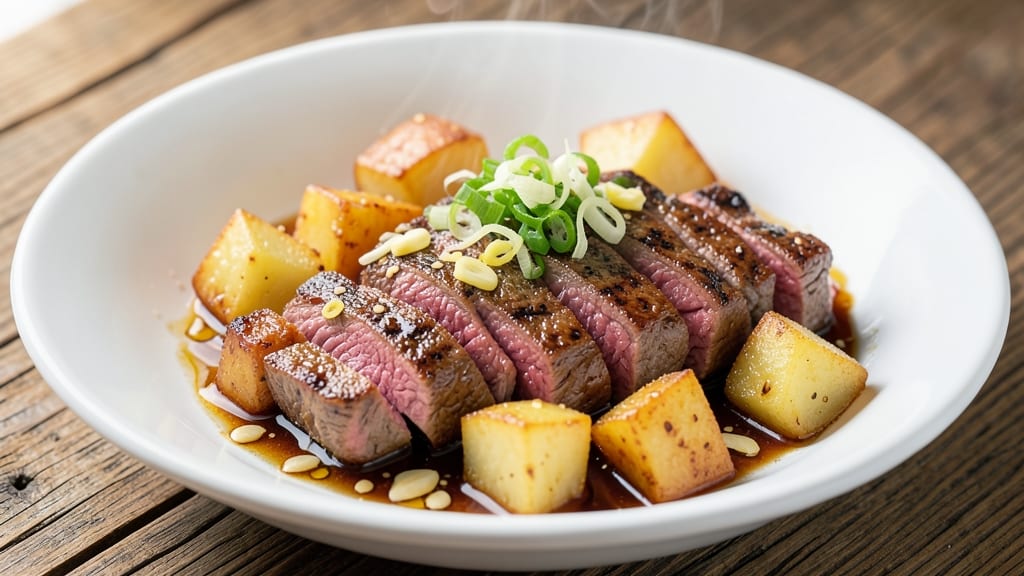
This beef and potato stir fry delivers restaurant-quality harmony in just 30 minutes, combining crispy edges with silky, flavorful beef and tender potatoes. The secret lies in high-heat wok technique and a balanced soy-ginger sauce that transforms simple ingredients into a satisfying meal.
I developed this recipe after years of perfecting stir-fry timing—no soggy potatoes or overcooked beef here.
The magic happens in the wok: thinly sliced beef sears quickly while potatoes develop a satisfying crunch, all coated in a sauce that's tangy, slightly sweet, and packed with umami.
We'll use a two-step cooking process to ensure even doneness—first cooking the beef until just done, then adding potatoes to finish together. This method guarantees tender beef with a caramelized crust and potatoes that stay crispy outside while remaining tender inside.
What you'll end up with is a vibrant stir fry bursting with texture—crispy potato edges, tender beef slices, and wok-fired aromas that fill your kitchen. The soy-ginger sauce ties everything together with its perfect balance of sweet, salty, and aromatic notes.
This dish serves as both a comforting weeknight meal and an impressive dinner party centerpiece, depending on how you plate it.
For extra flair, finish with fresh green onions and sesame seeds, but the real star is the perfect combination of textures and flavors. The recipe scales easily for a crowd, and leftovers reheat beautifully while maintaining that coveted wok-fried crunch.
Let's create this satisfying stir fry that brings restaurant-quality results to your home kitchen.
Ingredients for beef and potato stir fry
Restaurant-quality beef and potato stir fry relies on precise ingredients and technique for perfect texture contrast.
| Ingredient | Amount | Notes |
|---|---|---|
| Flank Steak 🥩 | 1 lb | Thinly sliced against grain |
| Yukon Gold Potatoes 🥔 | 1 ½ lb | Cut into 1-inch cubes |
| Soy Sauce 🍶 | ⅓ cup | High-quality, low-sodium preferred |
| Sesame Oil 🫒 | 1 tbsp | Toasted, not flavored |
| Fresh Ginger 🧄 | 2 tbsp | Finely grated, aromatic |
| Garlic Cloves 🧄 | 4 cloves | Minced, fresh preferred |
| Honey 🍯 | 1 tbsp | Pure, for sauce balance |
| Vegetable Oil 🫒 | ¼ cup | High smoke point |
| Green Onions 🧅 | ¼ cup | Sliced, for garnish |
| Toasted Sesame Seeds 🌾 | 1 tbsp | For finishing |
| Diamond Crystal Kosher Salt 🧂 | 1 ½ tsp | For seasoning |
| Ground Black Pepper 🌶️ | ½ tsp | Freshly cracked |
| Cornstarch 🌾 | 1 tbsp | For potato coating |
| Red Pepper Flakes 🌶️ | ½ tsp | Optional, for heat |
The flank steak is non-negotiable for stir-fry—its lean texture cooks quickly without drying out. Purchase from a butcher for proper slicing against the grain, or ask them to slice it for you. Yukon Gold potatoes deliver that creamy interior we crave, but any waxy variety works. For the soy sauce, Kikkoman or Lee Kum Kee are professional-grade choices, though any high-quality brand suffices. Fresh ginger and garlic are essential; the aromatic oils are what elevate this dish from ordinary to extraordinary. If using pre-minced garlic, toast it first in the wok to deepen the flavor.
No flank steak? Sirloin or ribeye work in a pinch, but slice them thinner to prevent toughness. Substitute white potatoes if Yukon Golds are unavailable, though they'll yield slightly less tender results. For the sauce, tamari replaces soy sauce in gluten-free versions, while maple syrup can substitute for honey if needed. The cornstarch coating on potatoes is what creates that signature crunch—don't skip it. If you prefer less heat, omit the red pepper flakes entirely. For extra umami depth, add 1 tsp fish sauce (ensure it's gluten-free if needed), though traditional recipes omit it entirely.
Prep ingredients in this order: slice beef first (it needs time to marinate), then cube potatoes, and finally mince garlic/ginger. Store raw beef and potatoes separately in airtight containers for up to 2 days in the fridge. The sauce components keep for 1 week in the refrigerator, though fresh ginger and garlic are best used within 5 days. Leftover stir fry reheats beautifully—3 minutes in a wok over medium-high heat restores that wok-fired crunch. For meal prep, portion into glass containers with parchment paper between layers to maintain texture.
Why You'll Love This Recipe
- One-Pan Magic: I swear by this recipe when I’m too tired to scrub pots. Toss everything—steak, potatoes, even the ginger—into one pan, and let the sesame oil work its magic. Minimal cleanup, maximum flavor.
- Umami Bomb: That first bite? Chef’s kiss. The soy sauce caramelizes into the steak while the potatoes soak up the savory depth, and the ginger adds this bright, zesty kick. It’s the kind of dish that makes you go back for seconds without even thinking.
- Lunchbox Hero: Between us, this is my go-to for meal prep. The leftovers reheat like a dream—crispy edges on the potatoes, tender steak, and that sticky-sweet glaze from the soy sauce. Pack it in containers, and you’ve got a week’s worth of easy lunches.
- Budget Powerhouse: Flank steak is affordable, Yukon Golds are a pantry staple, and you’re using basic spices. Honestly, it’s the kind of recipe that stretches a few dollars into a full meal without sacrificing taste. Plus, it’s hearty enough to feed a crowd for less than takeout.
Step-by-step instructions for wok-fired beef and potatoes
Master this stir-fry technique for restaurant-quality texture and flavor balance every time.
Prepare the Potatoes for Maximum Crunch
Cut the 1.5 lb Yukon Gold Potatoes into uniform 1-inch cubes—consistent size ensures even cooking. Spread them on a baking sheet and toss with 1 tbsp cornstarch and 1.5 tsp Diamond Crystal Kosher Salt. This creates a crispy exterior while keeping the centers tender. Let them sit for 10 minutes while you prep the beef.
Real talk: Don't skip the cornstarch. It's what transforms ordinary potatoes into those addictive, shatteringly crisp edges. Your wok should be screaming hot when these hit the pan—think high heat and constant motion to develop that perfect crunch.
Marinate and Slice the Flank Steak
Slice the 1 lb Flank Steak thinly against the grain into ¼-inch strips. In a bowl, combine 0.33 cup Soy Sauce, 1 tbsp Honey, 2 tbsp Fresh Ginger, 4 cloves minced Garlic Cloves, 0.5 tsp Ground Black Pepper, and 0.5 tsp Red Pepper Flakes. Add the steak strips and marinate for at least 15 minutes—this ensures deep flavor penetration and tender texture.
I press down gently on the steak with my palm while marinating to help the sauce distribute evenly. The acid in the soy sauce begins breaking down the muscle fibers right away, which is why we don't over-marinate—just enough to tenderize without making it mushy.
Stir-Fry the Potatoes to Golden Perfection
Heat 0.25 cup Vegetable Oil in a wok or large skillet over high heat until shimmering. Add the potato cubes in a single layer and stir-fry for 8-10 minutes, working in batches if needed, until golden brown and crispy. Remove and set aside—these should be the first component cooked as they take the longest.
Don't crowd the pan. You want those potatoes to sizzle and develop color, not steam. If they're sticking, your oil isn't hot enough—let it recover before adding more. The goal is crispy exteriors with tender centers, not soggy potatoes.
Cook the Beef and Build the Sauce
In the same wok, add 1 tbsp Sesame Oil and swirl to coat. Add the marinated steak in a single layer and sear for 1-2 minutes until deep brown and cooked through. Remove and set aside with the potatoes. Reduce heat to medium and add the cooked potatoes back to the wok.
Pour in any remaining marinade and let it reduce by half for 1-2 minutes. The sauce should coat the back of a spoon—this is where the magic happens. The residual heat finishes cooking the potatoes while developing that glossy, sticky glaze that clings perfectly to every bite.
Combine and Finish with Garnishes
Return the beef to the wok and toss everything together for 1-2 minutes to combine. Garnish immediately with 0.25 cup sliced Green Onions and 1 tbsp Toasted Sesame Seeds. Serve while hot—this dish doesn't wait. The contrast of crispy potatoes, tender beef, and silky sauce makes every bite irresistible.
Here's the thing—this stir-fry tastes best immediately after cooking. The textures contrast perfectly when hot: the crunch of the potatoes, the chew of the beef, and the glossy sauce. If you must reheat, do it gently in a skillet to preserve that crispy texture.
Pro Tips For Making Beef And Potato Stir Fry
- CUT POTATOES SMALLER THAN YOU THINK: I learned this the hard way—big chunks of Yukon Gold stay undercooked while the steak overcooks. Dice them into ½-inch pieces, then parboil for 3 minutes before stir-frying. They’ll soften faster and absorb flavors better without turning to mush.
- SEAR STEAK STRIPS FIRST: Don’t toss the flank steak in with the potatoes raw. Slice it thin, pat it very dry, then sear strips in a screaming-hot pan for 1-2 minutes per side until deeply browned. Remove them, then stir-fry the potatoes—those crusty bits add depth the sauce can’t match.
- USE COLD SESAME OIL: Drizzle sesame oil at the very end, straight from the fridge. Hot oil burns, and you’ll lose that nutty aroma. Toss it in with the ginger and soy sauce just before serving—it’ll sizzle slightly, but that’s the point. (Yes, even if you’re impatient like me.)
- DON’T OVERCROWD THE PAN: I used to pile everything in at once, and the potatoes steamed instead of caramelizing. Work in batches: cook half the potatoes until golden, push them aside, then add the rest. The pan’s heat is the thing that matters most here—keep it moving.
Make-ahead tips for this recipe
Prep Components Ahead
Slice the 1 lb flank steak into ¼-inch strips and cube the 1.5 lb potatoes up to 2 days in advance. Store both in separate airtight containers with parchment between layers to prevent sticking.
The potatoes can soak up moisture overnight, so pat them dry before cooking if prepped ahead. 🥔
Sauce Prep Shortcut
Make the soy-ginger sauce the night before by combining ⅓ cup soy sauce, 1 tbsp honey, 2 tbsp grated ginger, 4 minced garlic cloves, and 1 tbsp sesame oil.
Store in a small jar in the fridge—it keeps for 5 days and adds 10 minutes to your morning prep time. Just stir and taste before using.
Partial Cooking for Crowds
For large gatherings, par-cook the potatoes first by stir-frying them until 80% done (about 6 minutes instead of 8-10). Store in a 250°F oven until serving time, then finish cooking in the wok with the beef.
This keeps them crispy while letting you focus on the beef and sauce assembly.
Freezer-Friendly Assembly
Assemble the entire stir-fry (except garnishes) and freeze in a single layer on a tray before transferring to a ziplock bag. Thaw overnight in the fridge, then reheat in a wok over medium-high heat for 5-7 minutes, adding 1 tbsp water to restore moisture.
The texture holds up surprisingly well when frozen this way.
Sauce Boost for Leftovers
Leftover stir-fry loses some crunch but regains flavor with a quick sauce upgrade. Heat 1 tsp sesame oil in a pan, add 1 tsp cornstarch mixed with 2 tbsp water, then stir in 1 tbsp soy sauce and ½ tsp honey.
Toss with reheated stir-fry for a restaurant-worthy finish. ✨
Portion Control Tips
Divide prepped ingredients into quart-sized meal prep containers with the sauce on the side. Store beef and potatoes separately to maintain texture—combine only when ready to cook. Each container makes 1 serving, so double portions for lunches. The sauce keeps fresh for 5 days in the fridge.
Nutrition facts
Frequently asked questions
Why does the recipe call for slicing beef against the grain?
Slicing flank steak against the grain shortens the muscle fibers, creating tender, bite-sized pieces instead of chewy strips. The grain runs diagonally across the cut—look for the striations in the meat. When you slice perpendicular to these lines, each bite has a clean texture. This is especially important for stir-fry where cooking time is short.
Can I use regular potatoes instead of Yukon Gold?
Yes, but expect different textures. Yukon Golds stay creamy inside with crispy edges, while russets become fluffier. For best results, use white or red potatoes and reduce cooking time by 1-2 minutes to prevent overcooking. The cornstarch coating works on all varieties to create that signature crunch.
What's the best way to get my wok hot enough for stir-frying?
Heat your wok over high heat for 3-5 minutes until it's smoking slightly when oil is added. Test readiness by tossing in a small piece of potato—if it sizzles immediately, it's ready. For electric stovetops, preheat for 5 minutes longer. The key is maintaining that high heat throughout cooking to develop proper texture.
How do I prevent the beef from drying out?
Keep the marinating time between 15-30 minutes—longer than 30 minutes can make the beef mushy. Cook the beef first (not with potatoes) for 1-2 minutes maximum, then remove it while still slightly underdone. The residual heat in the wok will finish cooking it when you add the potatoes back. Never overcrowd the pan.
Can I make this recipe in a regular skillet?
While a wok gives the best heat distribution, a 12-inch cast iron skillet works perfectly. Use high heat and stir constantly to prevent sticking. You may need slightly more oil (3 tbsp instead of ¼ cup) since skillets have less surface area. The texture will be slightly different but still delicious.