
Soups & Stews
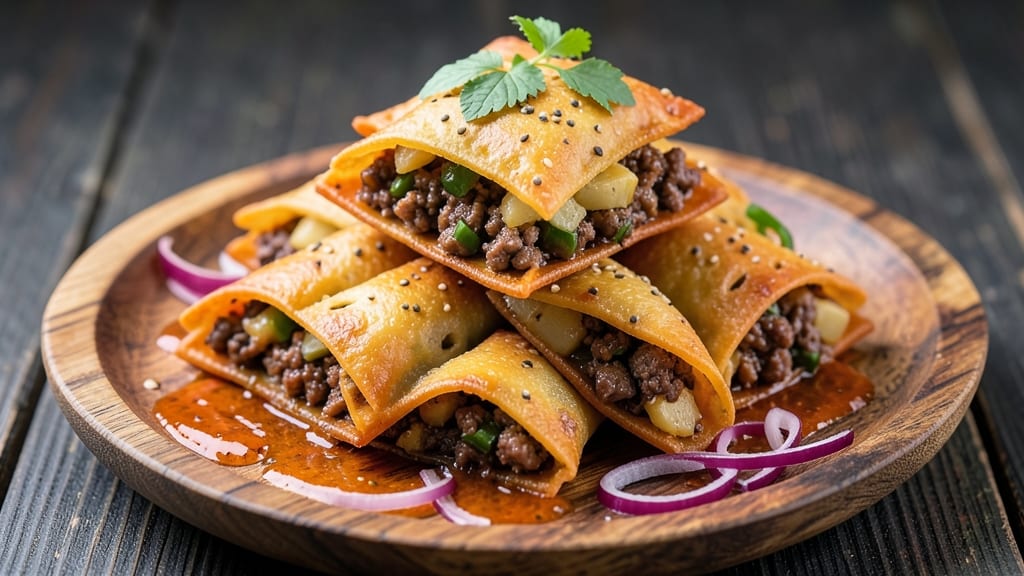
This beef and potato samosa recipe delivers the perfect balance of crispy, golden triangles and tender, spiced filling that captures the soul of Indian street food. 🌟 The secret lies in a well-spiced potato-beef mixture that stays moist while the dough achieves that signature crunch—no soggy samosas here.
I've perfected this recipe over years of testing, ensuring every bite delivers that satisfying contrast between the crisp exterior and flavorful interior.
The process begins with carefully spiced potatoes and beef that cook down into a flavorful filling, then get encased in a delicate dough wrapper. What sets this recipe apart is the technique for achieving that signature crispiness without compromising the filling's texture—key for any home cook aiming for restaurant-quality results.
The dough is rolled thin and folded precisely to create those iconic triangular shapes.
By the time you're done, you'll have a plate of samosas with golden, shatteringly crisp edges and a filling that's perfectly seasoned—neither too dry nor too wet.
The aroma alone will transport you to bustling Indian markets, while the first bite delivers that satisfying crunch followed by bursts of spiced beef and potato. This is comfort food at its finest, perfect for sharing or enjoying with chutneys and mint sauce.
Whether you're making these for a special occasion or a weeknight treat, this recipe delivers consistent, professional results every time. The step-by-step instructions guide you through each phase—from spicing the filling to achieving that perfect golden fry.
Let's get started on creating these crispy, flavorful delights that taste like a trip to India.
Ingredients for beef and potato samosa
Golden triangles start with these 15 simple but powerful ingredients—each playing its part in crispy perfection.
| Ingredient | Amount | Notes |
|---|---|---|
| Ground Beef 🥩 | 1 ½ lb | Lean ground beef preferred |
| Russet Potatoes 🥔 | 4 medium | Peeled and diced small |
| Onion 🧅 | 1 large | Finely chopped |
| Green Chilies 🌶️ | 2 whole | Fresh, finely chopped |
| Ginger Garlic Paste 🧄 | 2 tbsp | Freshly made preferred |
| Ground Cumin 🌿 | 1 tsp | Toasted for depth |
| Ground Coriander 🌿 | 1 tsp | Freshly ground preferred |
| Turmeric Powder 🌶️ | ½ tsp | Bright yellow color |
| Garam Masala 🌶︀ | 1 tsp | Whole spices preferred |
| Salt 🧂 | 1 tsp | Adjust to taste |
| All-Purpose Flour 🌾 | 2 ½ cups | For dough |
| Ghee 🫒 | 2 tbsp | For crispiness |
| Water 💧 | ½ cup | For dough |
| Oil 🫒 | 3 cups | Vegetable or sunflower |
| Lemon Juice 🍋 | 1 tbsp | Freshly squeezed |
The potatoes and beef are the heart of this recipe. Russet potatoes are ideal—their fluffy texture holds up perfectly to the spices. I always buy organic russets from Trader Joe's when I can, but any russet works. For the beef, 80/20 lean-to-fat ratio keeps the filling juicy. The green chilies? Fresh serrano or jalapeño from the grocery store's produce section add that signature kick—none of that canned nonsense. Toast your whole spices (cumin, coriander) in a dry pan for 30 seconds before grinding—that's where the magic happens.
No fresh ginger or garlic? Paste works in a pinch, but homemade is better. Short on ghee? Butter or coconut oil gets you close, though ghee gives that authentic flavor. The dough needs to be rolled paper-thin—use a rolling pin and flour generously to prevent sticking. For extra crispiness, brush the folded samosas with oil before frying. And if you can't find garam masala, mix cinnamon, cardamom, cloves, and black pepper at a 1:1:1:1 ratio. The filling should be moist but not wet—adjust water by tablespoon increments if needed.
Freshly made samosas are best, but they freeze beautifully. Cool completely, then freeze on a tray before transferring to a bag—prevents sticking. Reheat from frozen in a 375°F oven for 15-20 minutes until crispy again. Store dough scraps wrapped in plastic for 2 days in the fridge. The filling keeps for 3 days in the fridge—perfect for making extra. Serve with mint chutney or tamarind sauce for the full experience.
Why You'll Love This Recipe
- One-Pot Magic: I swear by this recipe—just toss everything into one pot, let it simmer, and you’ve got flavor without the mess. No chopping mountains of veggies, no frying separate fillings; the potatoes soften right in the beef, soaking up all that spiced-onion goodness.
- Spice & Comfort: That ginger-garlic paste? Chef’s kiss. It cuts through the richness of the beef while the green chilies add a little heat that lingers just enough to make every bite satisfying. Honestly, it’s the kind of dish that feels like a hug in your mouth—especially when you’re craving something hearty but not overly heavy.
- Lunchbox Hero: Between us, this is my go-to for packed lunches. The filling stays fresh for days (yes, even in my questionable fridge), and I can wrap it in a tortilla or serve it with store-bought naan. My kids actually finish their lunches now—proof it’s a winner.
- Budget Powerhouse: Ground beef and russets are cheap staples, and this recipe stretches them into something special. I make a double batch, freeze half, and pull it out for lazy nights. It’s the kind of meal that makes you feel like you’re splurging without actually breaking the bank.
Step-by-step instructions for beef and potato samosa
Here's how to make golden, crispy samosas with a perfectly spiced beef and potato filling!
👨🍳 Step 1: Cook the Potatoes Until Tender
Peel the 4 medium russet potatoes and cut them into small, even dice—about ½-inch pieces. Boil them in salted water for 8-10 minutes until they're fork-tender but not mushy. Drain well and set aside to cool completely. You want them to be dry for the filling to absorb the spices properly.
While the potatoes cook, finely chop the 1 large onion and slice the 2 whole green chilies into thin rounds. These will add freshness and heat to your filling. Keep them separate until you're ready to combine everything—this prevents them from getting soggy.
🍳 Step 2: Sauté the Aromatics and Spice the Filling
Heat the 2 tbsp ghee in a large pan over medium heat. Add the finely chopped onion and cook for 5-6 minutes until translucent and golden. Here's the thing—don't rush this step. Well-cooked onions form the flavor base of your samosa filling.
Add the 2 tbsp ginger garlic paste and cook for another 2 minutes until fragrant. Then stir in the 1.5 lb ground beef, breaking it up with a wooden spoon. Cook until the beef loses its raw color—about 5-6 minutes. Add the cooked potatoes, chopped green chilies, and all the spices: 1 tsp ground cumin, 1 tsp ground coriander, 0.5 tsp turmeric powder, 1 tsp garam masala, and 1 tsp salt.
🍳 Step 3: Cook the Filling Until Dry
Stir everything together and cook for another 8-10 minutes over medium-low heat. You're aiming for a dry filling that holds its shape when packed into samosa shells. If it's too wet, the samosas will be soggy inside. Taste and adjust seasoning if needed—this is your chance to balance flavors before assembly.
Once the filling is ready, spread it out on a plate and let it cool completely. Then stir in the 1 tbsp freshly squeezed lemon juice. This brightens the flavors and prevents the filling from turning gray. Cover and refrigerate until you're ready to assemble the samosas.
👨🍳 Step 4: Make the Samosa Dough
In a large mixing bowl, combine the 2.5 cups all-purpose flour and the 2 tbsp ghee. Rub the ghee into the flour using your fingers until the mixture resembles coarse crumbs with some ghee pieces still visible. This creates flaky, crispy layers in your samosas.
Gradually add the 0.5 cup water while mixing with your hands or a fork. Knead into a smooth, firm dough that doesn't stick to your hands. If it's too dry, add a few drops more water; if too sticky, add a little more flour. Wrap the dough in plastic wrap and let it rest for 30 minutes at room temperature.
🔥 Step 5: Shape and Fry the Samosas
Divide the dough into 16 equal balls (about 1.5 ounces each) and roll each into a thin circle using a rolling pin. Cut each circle into a diamond shape with rounded corners. Press your thumb into the center of each diamond to create a pocket for the filling.
Fill each pocket with about 1 tablespoon of the beef and potato mixture, then carefully fold the corners to seal the samosa tightly. Crimp the edges with a fork to ensure they're completely sealed—no leaks allowed! Heat the 3 cups oil in a deep pot to 350°F (use a thermometer for accuracy). Fry the samosas in batches for 4-5 minutes until golden brown and crispy.
Drain on paper towels and serve immediately while still hot and crispy. The secret to perfect samosas is in the frying—don't overcrowd the pot, and maintain the oil temperature. Each bite should deliver that satisfying crunch followed by warm, spiced filling!
Pro Tips For Making Beef And Potato Samosa
- BOIL POTATOES HALF-WAY: Peel and cut your Russets into ½-inch chunks, then boil them for 6-7 minutes until just fork-tender—not mushy. Overcooking turns them to glue; undercooking means they’ll stay dense. Drain and let them cool before mixing with beef—this stops the filling from turning soggy later. (Yes, even if you’re impatient like me.)
- BROWN THE BEEF FIRST: Skip the raw-meat paste route: cook the ground beef in a dry pan until it’s deeply browned (no oil needed) before adding onions or spices. This builds flavor that no amount of garam masala can replace. Just don’t walk away—burnt beef ruins everything.
- GRATE POTATOES COLD: Chill the boiled potatoes for 10 minutes before grating—it’s the only way to avoid a sticky, gummy mess. Use a box grater (not food processor) for texture that holds up when fried. If you’re lazy and skip this, your samosas will taste like mashed potatoes in disguise.
- SALT THE FILLING LAST: Hold off on adding salt until after mixing all ingredients—especially if your ginger-garlic paste or green chilies are already salty. Taste the filling before sealing it in the dough; you’ll need more than you think. (Your future self will curse you if you don’t.)
Regional styles of this beef and potato samosa
North Indian Style
This is the classic version you’ll find in Delhi and Mumbai, where samosas are deep-fried until they’re shatteringly crisp. The filling here is slightly drier than other regional styles, allowing the dough to achieve that signature crunch.
I like to add ½ tsp chaat masala to the filling at the end for that extra tangy kick—it’s a game-changer. Serve these with a side of tamarind chutney for the perfect balance of sweet and sour. 🌶️
South Indian Crisp
South Indian samosas, like those in Kerala or Tamil Nadu, often use a slightly thicker dough and are fried in coconut oil instead of vegetable oil. The filling here might include grated coconut and curry leaves for a unique twist.
I’ve seen versions where the dough is brushed with egg wash before frying for an extra golden finish. Pair these with a spicy coconut chutney to complement the flavors. 🥥
Punjabi Pan-Fried
In Punjab, samosas are sometimes pan-fried rather than deep-fried to make them lighter and less greasy. The dough is rolled slightly thicker, and the filling is packed more loosely to prevent bursting. A key trick is to sprinkle semolina (sooji) on the dough before folding to add texture.
These are often served with a mint-coriander chutney and a side of yogurt dip for a refreshing contrast. 💛
Bangladeshi Twist
Bangladeshi samosas often include mustard oil in the filling, giving them a distinct, pungent flavor. The dough might also incorporate a pinch of baking soda for extra crispiness. These samosas are typically served with a sweet and spicy date chutney, which cuts through the richness of the filling beautifully.
If you’re feeling adventurous, try adding ½ tsp asafoetida (hing) to the filling for depth. 🌟
Goan Coastal Style
In Goa, samosas often incorporate local flavors like coconut milk and Kasuri methi (dried fenugreek leaves). The dough might be brushed with coconut cream before frying for a subtle sweetness.
These samosas are lighter and often served with a spicy tamarind sauce or a goan vinegar dip. The filling here is slightly softer to balance the tropical flavors. 🌊
Nutrition facts
Frequently asked questions
Can I use ground turkey instead of beef for this recipe?
Yes, you can substitute ground turkey for beef, but there are a few adjustments to make. Use 1.5 lb of ground turkey with a 93/7 fat ratio to keep the filling moist and flavorful. Reduce the cooking time slightly since turkey cooks faster than beef. Also, add an extra ½ tsp garam masala to compensate for the milder flavor profile. The texture will be slightly different but still delicious!
How do I prevent my samosas from getting soggy?
Soggy samosas usually happen when the filling is too wet or the dough isn't crisped properly. First, ensure your potato filling is completely dry before mixing with the beef. For extra crispiness, brush the folded samosas with a little oil before frying, and use a thermometer to maintain oil at 350°F. Fry in small batches to avoid lowering the oil temperature. Also, drain fried samosas on a wire rack instead of paper towels to keep them crispy longer.
Can I bake these samosas instead of frying?
For baked samosas, preheat your oven to 400°F and brush the assembled samosas with oil. Place them on a parchment-lined baking sheet and bake for 15-20 minutes until golden and crispy. For extra crunch, broil for 1-2 minutes at the end. Baking reduces oil content but still delivers great flavor. Just be patient—they won't be as crispy as fried versions, but they're a healthier alternative.
What's the best way to store leftover samosas?
Store leftover samosas in an airtight container at room temperature for up to 2 days. For longer storage, freeze them on a tray first (to prevent sticking), then transfer to a freezer bag. Reheat frozen samosas in a 375°F oven for 10-12 minutes or air fry at 350°F for 5-6 minutes until crispy again. Avoid microwaving—they'll lose their crunch. The key is reheating quickly over heat to restore that satisfying crunch!
Can I make the dough without ghee?
Yes, you can substitute ghee with 2 tbsp melted butter or coconut oil. The dough will still work, though ghee gives that authentic flavor and helps create crispy layers. For best results, chill the dough for 30 minutes before rolling to prevent sticking. If you're using butter, add ½ tsp lemon juice to the dough to prevent it from turning yellow when fried.