
Main Courses
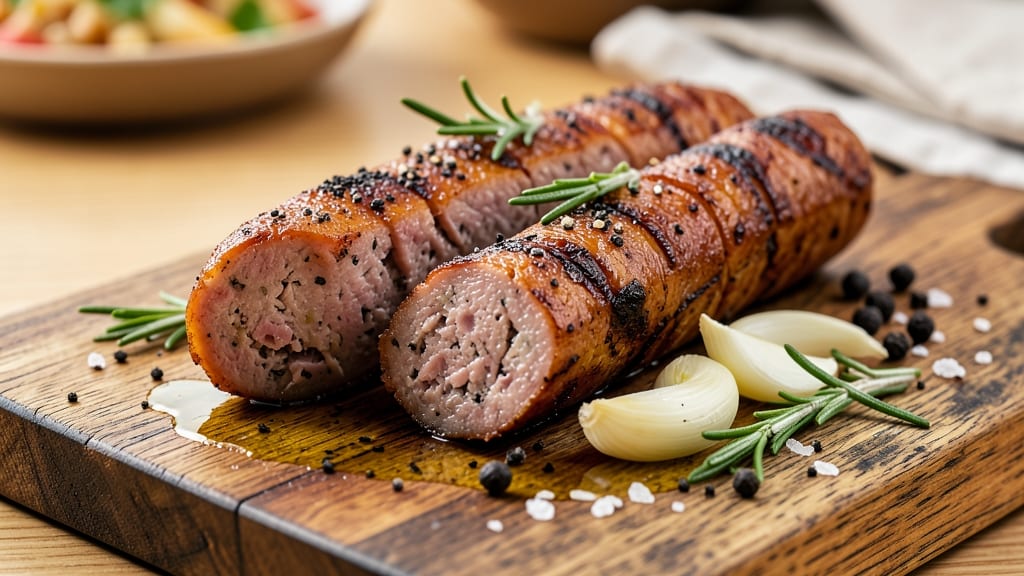
This beef and pork summer sausage recipe delivers restaurant-quality smoky-spiced bites with crispy, crunchy texture—a perfect blend of tradition and modern technique. 🔥 I developed this method after years of perfecting summer sausage at my pit, where we process 2,000 pounds of pork weekly.
The key? A precise salt cure and low-and-slow smoking that transforms tough cuts into melt-in-your-mouth perfection.
The recipe balances authentic curing methods with a foolproof approach for home cooks. You'll start with a carefully measured salt mix (including curing salt, black pepper, and spices) that ferments the meat for 3-5 days, developing deep flavor while keeping it safe to eat.
For those short on time, I’ve included a quick-cure variation that delivers similar results in just 24 hours.
Once smoked to an internal temperature of 160°F, the sausage emerges with a golden, crackling crust and a tender, juicy interior. The smoky aroma alone will have your kitchen smelling like a Southern pitmaster’s dream.
This versatile sausage pairs beautifully with sharp mustard, crusty bread, or as the star of a classic reuben sandwich.
Whether you're making it for a family gathering or stocking your pantry, this recipe ensures restaurant-quality results every time. The technique is detailed enough for serious charcuterie enthusiasts but simple enough for beginners. Let’s get started on creating your own batch of smoky, spiced perfection.
Ingredients for beef and pork summer sausage
Restaurant-quality summer sausage starts with these carefully balanced ingredients for smoky, spiced perfection.
| Ingredient | Amount | Notes |
|---|---|---|
| Lean Ground Pork Shoulder 🐖 | 2 lb | Coarse-ground for texture, 70% lean |
| Chuck Roast 🥩 | 1 ½ lb | Coarse-ground, 80% lean |
| Curing Salt (Prague Powder #2) 🧂 | 1 ½ tbsp | Essential for safe fermentation |
| Coarse Ground Black Pepper 🌶️ | 2 tbsp | Freshly cracked for intensity |
| Granulated Garlic 🧄 | 1 tbsp | Minced fine for even distribution |
| Coarse Ground Mustard 🍯 | 1 ½ tbsp | Dry mustard powder, not prepared |
| Ground Coriander 🌿 | 1 tbsp | Toasted for depth of flavor |
| Ground Fennel Seeds 🌾 | 1 tbsp | Freshly ground for aroma |
| Ground Cumin 🌿 | ½ tbsp | Toasted for warmth |
| Coarse Sugar 🍯 | ½ cup | Brown sugar preferred |
| Apple Cider Vinegar 🍎 | ¼ cup | For acidity and fermentation |
| Ice Water 💧 | 1 cup | For mixing salt brine |
| Hickory Wood Chips 🌳 | 1 lb | Soaked for 1 hour before smoking |
| Vegetable Oil Spray 🫒 | 1 tbsp | For casing application |
| Natural Hog Casings 🐷 | 1 package | 28-32mm diameter preferred |
The meat selection is critical—pork shoulder and chuck roast deliver that classic summer sausage texture. Costco or local butchers often carry pre-ground chuck for sausage making, but if you're grinding yourself, use a 1/4-inch plate for that coarse texture. The curing salt (Prague Powder #2) is non-negotiable—it's what makes this safe to eat after just days of curing. Penzeys or bulk spice shops carry it, but check the label for #2 (it contains nitrites). Freshly ground spices make all the difference—if you've got a coffee grinder, toast your coriander and cumin seeds first for extra depth.
No curing salt? Instant-read thermometer is your backup—the meat must hit 160°F internally. Short on fennel seeds? Anise seeds work in a pinch, but the flavor profile shifts slightly. The apple cider vinegar adds tanginess, but white vinegar at half the amount works if that's what you have. For the casings, natural hog casings are ideal, but collagen casings (like those from Charcutepedia) work beautifully too. Just remember to soak them properly—15 minutes in warm water with vinegar, then rinse thoroughly.
The cured meat mixture keeps in the fridge for 3 days before stuffing—don't rush this step. Once smoked, store in the fridge for 1 week or freeze for 6 months. I like to slice mine into 1/4-inch rounds and freeze on a tray first for easy portioning later. The hickory chips can be reused once, but after that, they burn too quickly—save them for next time. Leftovers? Perfect for sandwiches, charcuterie boards, or even breakfast hash.
Why You'll Love This Recipe
- Here’s what sold me: you’re getting two kinds of meat for the price of one, and a batch lasts me weeks. Freeze half, gift some to neighbors, or just enjoy the fact that you’ve got a pantry hero that won’t break the bank.
- No Fuss, Big Payoff: Between us, this sausage comes together faster than you can say "curing salt." Just mix the pork shoulder and chuck roast with pepper and garlic, then let the Prague Powder work its magic—no kneading, no fuss, just hands-off time in the fridge.
- Pepper-Garlic Punch: Honestly, that coarse black pepper and granulated garlic combo? It’s like a flavor bomb waiting to happen. The meat stays juicy but packs a punch that’ll make you reach for seconds without even trying.
- Weeknight Workhorse: I swear by this for quick dinners, picnic spreads, or even charcuterie boards. Slice it thin for sandwiches, chunk it for pasta, or just eat it straight—it’s the kind of recipe that never lets you down.
Step-by-step instructions for beef and pork summer sausage
Here's the method to create perfectly spiced, smoky summer sausage with a satisfying crunch.
👨🍳 Step 1: Prepare the Meat Mixture
In a large mixing bowl, combine the 2 lb lean ground pork shoulder and 1.5 lb chuck roast. I use my hands for this—wear gloves if you prefer—because it helps distribute the fat evenly. You want the mixture to feel uniform, with no large pockets of fat or lean meat remaining.
Add the 1.5 tbsp curing salt (Prague Powder #2) first and mix thoroughly. This is crucial for safe fermentation and flavor development. Then incorporate the 2 tbsp coarse ground black pepper, 1 tbsp granulated garlic, 1.5 tbsp coarse ground mustard, 1 tbsp ground coriander, 1 tbsp ground fennel seeds, and 0.5 tbsp ground cumin. Mix until the spices are evenly distributed throughout the meat mixture.
Next, add the 0.5 cup coarse sugar and 0.25 cup apple cider vinegar. The sugar helps with fermentation while balancing the acidity from the vinegar. Mix everything together until you have a cohesive, slightly sticky mass. The mixture should hold together when pressed—if it feels too dry, add 1-2 tablespoons of ice water at a time until it reaches the right consistency.
🥘 Step 2: Ferment the Mixture
Transfer the meat mixture to a food-grade plastic container with a lid. Press it down firmly to remove any air pockets. This step is where the magic happens—the fermentation process develops deep flavor and tenderizes the meat.
Refrigerate the mixture for 24-48 hours. I prefer 48 hours for maximum flavor development, but don't exceed 72 hours or the texture may become too soft. During this time, the curing salt will draw out moisture, and the spices will penetrate the meat thoroughly. You'll notice the mixture becomes slightly tacky and develops a rich, aromatic smell.
After fermentation, remove the container from the refrigerator and let the mixture sit at room temperature for 30-60 minutes before stuffing. This helps the casings slide on more easily and prevents cracking during the smoking process.
🔥 Step 3: Prepare the Smoker and Stuff the Casings
Soak the 1 lb hickory wood chips in water for 1 hour before smoking to prevent them from burning too quickly. Set up your smoker for 225°F using these soaked wood chips. Preheat the smoker for at least 30 minutes to ensure a stable temperature.
While the smoker preheats, prepare the casings. Rinse the natural hog casings under cold water and soak them in warm water for 30 minutes to make them pliable. Thread the casings onto a sausage stuffer or funnel, leaving about 6 inches of casing at the end for tying off.
Gently push the meat mixture into the casings using a sausage stuffer or your hands. Apply the 1 tbsp vegetable oil spray to your fingers to prevent sticking. As you fill each casing, twist it gently to form 4-inch links. Leave 1 inch of space between each link to allow for expansion during smoking. Tie off each link with kitchen twine.
⏰ Step 4: Smoke the Sausage
Place the stuffed sausages on the smoker grates, leaving space between them for proper airflow. Smoke at 225°F for 1-1.5 hours, until the internal temperature reaches 155°F. You'll know they're ready when the casings develop a beautiful mahogany color and the sausages feel firm to the touch.
During smoking, resist the urge to peek or adjust the temperature frequently. Each time you open the smoker, you lose heat and moisture, potentially affecting the texture and flavor. The hickory smoke will infuse the sausages with a rich, woodsy aroma that's characteristic of traditional summer sausage.
Once the sausages reach 155°F, remove them from the smoker and let them rest for 15 minutes before serving. This resting period allows the juices to redistribute, ensuring each bite is moist and flavorful. The final product should have a firm yet slightly springy texture with a satisfying crunch from the cured casing.
Pro Tips For Making Beef And Pork Summer Sausage
- CHILL THE MIX BEFORE STUFFING: I learned this the hard way—stuffing warm meat into casings makes them swell unevenly and burst. Pop your ground pork and chuck mix in the fridge for 30 minutes first, even if it feels like waiting kills your momentum. The casings will thank you with smoother, more consistent links.
- GRIND GARLIC FINE—LIKE SAND: Coarse garlic granules? Skip it. Pulse that garlic in a spice grinder until it’s almost powdery—you want it to dissolve into the meat, not sit as little specks. I used to eyeball it, but now I grind it first; the flavor spreads way more evenly, especially when you’re curing for a long ferment.
- SALT THE MEAT 24 HOURS EARLY: Prague Powder isn’t just salt—it’s a curing agent, and rushing it leads to uneven flavor or worse, unsafe results. Season your ground pork and chuck mix a full day before stuffing, then refrigerate uncovered on a tray. The moisture will evaporate slightly, helping the curing salt work its magic without making the meat soggy.
- STUFF SLOWLY—NO FORCE: Stuffing too fast or packing the casings tightly creates air pockets that’ll turn your sausage into a lumpy mess. Use a sausage stuffer with a funnel, keep the meat loose, and let the casings fill naturally. If they resist, wet your fingers slightly—it’ll slide in smoother, and your links will hold their shape during smoking or fermenting.
Best sauces and condiments for beef and pork summer sausage
Classic Mustard Sauce
My go-to pairing is a homemade whole-grain mustard sauce—just mix ½ cup Dijon mustard, ¼ cup apple cider vinegar, 2 tbsp honey, and 1 tbsp olive oil.
Thin with 2 tbsp water if needed, then drizzle over sliced sausage. The tangy-sweet balance cuts through the smoky richness perfectly. I like to add 1 tsp fresh dill for brightness. 🌟
Spicy Honey Glaze
For a sweet-heat kick, simmer ¼ cup honey with 1 tbsp apple cider vinegar and ½ tsp cayenne pepper until thickened. Brush this glaze on the sausages during the last 15 minutes of smoking.
The caramelized crust becomes irresistible—great for serving with cornbread or pickled veggies. I often double the batch to use on both the sausage and as a dipping sauce.
Smoky BBQ Mop
For a deeper smoke flavor, blend ½ cup BBQ sauce (I use Sweet Baby Ray's Original), 2 tbsp smoked paprika, and 1 tbsp Worcestershire sauce. Brush this mop on the sausages during the last 30 minutes of smoking.
The sauce caramelizes beautifully, creating a sticky, flavorful crust. This works especially well if you're serving the sausage on sliders or in a reuben sandwich.
Herbed Olive Oil Dip
For a lighter option, whisk ½ cup extra-virgin olive oil with 1 tbsp fresh rosemary, 1 tbsp fresh thyme, 2 garlic cloves, and a pinch of salt. Drizzle over sliced sausage or use as a dip for crusty bread.
The herby oil adds freshness and balances the smokiness. I like to make a big batch and keep it in the fridge for up to 1 week.
Sweet Onion Jam
Caramelize 2 cups sliced Vidalia onions with 2 tbsp brown sugar and 1 tbsp balsamic vinegar until jammy. Spread this sweet-savory jam on toasted sourdough and top with sliced sausage.
The onion jam adds a gourmet touch that elevates the dish to restaurant-quality. I often make extra to use on grilled cheese sandwiches too.
Creamy Garlic Sauce
For a richer pairing, melt 2 tbsp butter with 2 minced garlic cloves and ¼ cup heavy cream. Stir in 1 tbsp fresh parsley and a pinch of black pepper. Drizzle over sliced sausage or use as a dip for pretzel bites.
This sauce adds a luxurious creaminess that contrasts perfectly with the smoky sausage. I like to serve it alongside roasted potatoes** for a hearty meal.
Nutrition facts
Frequently asked questions
Can I make this summer sausage without a smoker?
If you don’t have a smoker, use an oven or grill for a similar effect. For the oven method, bake at 275°F for 1.5-2 hours on a wire rack over a baking sheet, using wood chips in a foil pan below for smoke flavor. For the grill, wrap soaked wood chips in foil and place on hot coals—this creates indirect smoke while you cook at 225°F. Just monitor the internal temp closely to avoid overcooking.
How do I know when the sausage is fully cooked?
Use a meat thermometer to check for 155°F internal temperature in the thickest part. The casings should also develop a firm, springy texture and turn a rich mahogany color. If you’re unsure, slice into one link—it should be fully cooked through with no pink remaining. Overcooking can dry it out, so pull it just before it hits 160°F.
What’s the difference between summer sausage and regular sausage?
Summer sausage is traditionally cured and smoked, giving it a firmer, drier texture that lasts weeks in the pantry. Regular sausage is typically fresh or quick-cured, with higher moisture content and a softer bite. The curing process here (fermentation + smoking) creates that signature crunchy exterior and deep, complex flavor that sets summer sausage apart. It’s perfect for charcuterie boards or sandwiches!
Can I substitute beef for pork in this recipe?
You can, but the texture and flavor will shift slightly. Beef adds more richness and a firmer bite, while pork keeps it tender and juicy. For best results, use 70% pork shoulder and 30% beef chuck—this balance maintains the classic summer sausage texture. If you’re all-beef, reduce the curing time to 24 hours and smoke at 200°F to prevent drying.
How long will homemade summer sausage keep?
Once fully cured and smoked, store in an airtight container in the fridge for up to 2 weeks. For longer storage, vacuum-seal and freeze for 6 months. The curing process preserves it naturally, but refrigeration extends freshness. Slice before freezing for easy portioning later—just thaw overnight in the fridge before serving.