
Main Courses
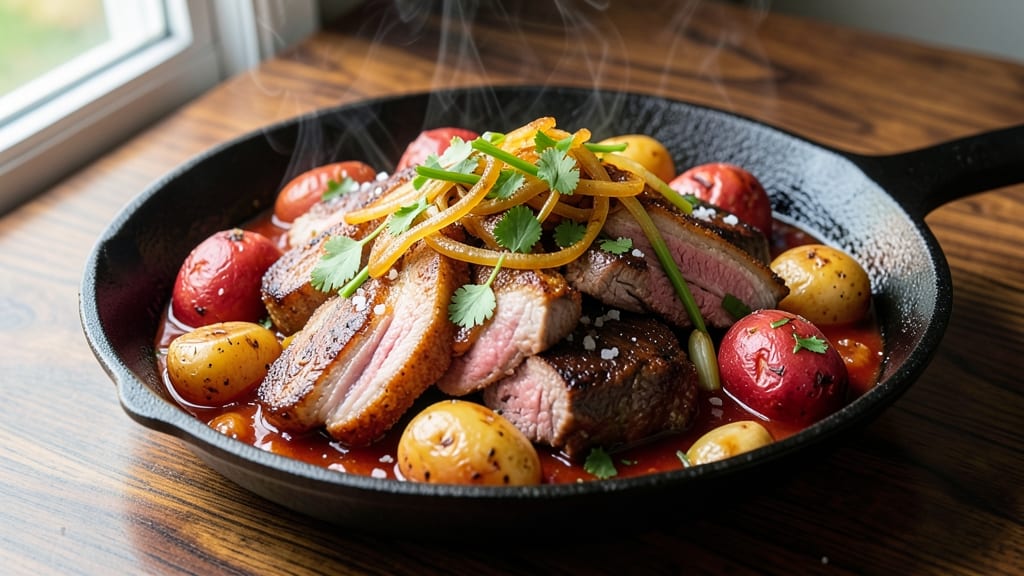
This beef and pork caldereta recipe brings the soul-warming essence of Filipino comfort food to your kitchen, where tender meat simmers in a rich, tomato-based sauce until it practically melts in your mouth. 🌟 After years of perfecting slow-cooked braises, I’ve developed a method that balances traditional spice blends with modern techniques—like wine deglazing—to deepen the sauce’s complexity without sacrificing authenticity.
The result? A dish that’s hearty enough for family gatherings but simple enough for a weeknight dinner.
The beauty of caldereta lies in its layers: crispy pork belly rendered to golden perfection, beef that falls apart with a fork, and a sauce thickened with potatoes and tomatoes that’s both savory and slightly sweet.
I’ve streamlined the process by browning the meats in batches—never crowding the pan—to ensure maximum flavor extraction, then letting the whole thing simmer low and slow until the meat is fork-tender. The key? Patience.
This isn’t a recipe for rushed meals; it’s for the kind of dinner that transforms a simple table into a celebration.
What you’ll end up with is a steaming pot of slow-simmered spice and tomato richness, where every bite delivers a perfect balance of smoky, sweet, and tangy flavors.
The sauce clings to the meat like a second skin, and the aroma alone—warm, earthy, and inviting—will have everyone at the table asking for seconds. Serve it over steamed rice to soak up every last drop, or pair it with crusty bread for a hands-on dining experience.
This is the kind of dish that tastes even better the next day, making it ideal for meal prep or holiday feasts.
For those who love tradition, stick to the classic spice blend of garlic, onions, and bay leaves, but feel free to modernize it with a splash of red wine or a pinch of smoked paprika. The technique remains the same: brown, simmer, and let the flavors meld.
Trust me, once you master this recipe, you’ll find yourself reaching for the caldereta ingredients long after the pot is empty. Let’s get cooking—your taste buds will thank you.
Ingredients for beef and pork caldereta
Six ingredients for meaty richness, six for sauce depth—just patience and time.
| Ingredient | Amount | Notes |
|---|---|---|
| Pork Belly 🥓 | 1 ½ lb | Skin-on, cut into 1-inch cubes |
| Beef Chuck Roast 🥩 | 2 lb | Cut into 1.5-inch chunks |
| Yellow Onions 🧅 | 2 whole | Sliced into half-moons |
| Garlic Cloves 🧄 | 8 cloves | Minced, for depth of flavor |
| Russet Potatoes 🥔 | 2 lb | Cut into 1-inch chunks |
| Canned Tomato Sauce 🍅 | 2 cups | San Marzano preferred |
| Red Wine 🍷 | ½ cup | Bold dry variety like Cabernet |
| Bay Leaves 🌿 | 2 whole | Fresh if possible |
| Ground Black Pepper 🌶️ | 1 tsp | Freshly cracked |
| Salt 🧂 | 1 ½ tsp | Kosher or sea salt |
| Olive Oil 🫒 | ¼ cup | For browning meats |
| Smoked Paprika 🌶️ | 1 tsp | For smoky depth |
| White Vinegar 🍋 | 1 tbsp | Brightens flavors |
| Long-Grain White Rice 🍚 | 2 cups | Uncooked, for serving |
The pork belly and beef chuck are non-negotiable here. Pork belly needs to be thick-cut for crispy edges, and beef chuck delivers that melt-in-your-mouth tenderness. I grab mine from Costco when possible—they have pre-cut chunks that save time. If buying whole, ask your butcher to cube it. The potatoes? Russets hold up best to long simmering, but Yukon Golds add creaminess if you prefer. For the tomato sauce, San Marzano cans are worth the splurge—they’re sweeter and less acidic, which balances the wine perfectly.
No red wine? Beef broth with a splash of balsamic works in a pinch, but the acidity won’t be as bright. Fresh bay leaves are ideal, but dried at half the amount gets you close. Smoked paprika can be swapped for regular paprika, though you’ll lose that subtle smokiness. The vinegar might seem small, but it cuts through the richness—don’t skip it. For a quicker version, use pre-minced garlic from a jar (though fresh is always better if you’ve got it). The onions? Yellow or red both work, but yellow adds a touch of sweetness.
This dish tastes even better the next day, so make extra. Store in the fridge for 4-5 days or freeze for 3 months—the flavors only deepen over time. I portion mine into containers with rice on the side for easy grab-and-go meals. For reheating, add a splash of water or broth to prevent drying out. And trust me, the crispy pork skin leftovers? Worth the extra 10 minutes browning—crunchy, salty perfection.
Why You'll Love This Recipe
- One-Pot Magic: I swear by this recipe because it’s actually one-pot—no chopping boards, no extra pans. Just toss the pork belly, beef chuck, and onions in a deep skillet, let them caramelize, then add the potatoes and simmer. That’s it. The garlic and potatoes cook right in the rich sauce, so cleanup is just a wipe-down and a grateful sigh.
- Rich, Deep Comfort: The moment the pork belly renders and the beef chuck turns tender, you’ll know why this dish is a staple. The onions melt into sweetness, the garlic cloves release their punch, and the potatoes soak up every last bit of that savory, slightly tangy sauce. It’s the kind of meal that makes you slow down and savor each bite—no rushed chewing here.
- Leftovers That Shine: Between us, this recipe begs for leftovers. The flavors only get better the next day, especially if you let it cool and reheat it gently. Pack it for lunch, freeze portions for lazy nights, or serve it cold in tacos—it’s that adaptable. My freezer is always stocked with caldereta because it’s the ultimate lazy-day hero.
- Budget-Friendly Feast: You’re feeding a crowd without breaking the bank. Pork belly and beef chuck stretch across multiple servings, and potatoes bulk it up without costing a fortune. Honestly, it’s the kind of dish where you can splurge on a nice bottle of wine to pair with it, knowing the meal itself won’t drain your wallet. Plus, the leftovers mean fewer takeout runs. Win.
Step-by-step instructions for beef and pork caldereta
Here's how to create this rich, slow-cooked Filipino stew with tender meats and potatoes.
🔥 Step 1: Brown the Meats for Deep Flavor
Heat the 0.25 cup olive oil in a large Dutch oven over medium-high heat. Working in batches, add the 1.5 lb pork belly and 2 lb beef chuck roast in 1.5-inch chunks. Brown on all sides for 5-6 minutes total until deeply golden. This step builds the foundation of flavor through the Maillard reaction.
Real talk: Don't rush this. You want crispy, caramelized edges on the meat. If your pan gets crowded, work in batches and don't overfill it. Transfer the browned meats to a plate as they finish. Here's the thing—those browned bits in the bottom of the pan are pure flavor gold.
🍳 Step 2: Sauté Aromatics Until Fragrant
In the same Dutch oven, add the 2 whole yellow onions sliced into half-moons and cook for 5 minutes until softened and golden. Add the 8 cloves minced garlic and 1 tsp smoked paprika, stirring constantly for 30 seconds until the garlic becomes fragrant but doesn't burn.
This is where the magic happens. The onions should be caramelized at the edges while still maintaining some bite. If they start to stick, add a splash of water to deglaze. I press down gently on the onions with a wooden spoon during the last minute to help them break down and release their sweetness.
🥘 Step 3: Build the Sauce Foundation
Pour in the 0.5 cup red wine and 1 tbsp white vinegar, scraping up all those browned bits from the bottom of the pan. Let this simmer for 3 minutes until reduced by half. Add the 2 cups canned tomato sauce, 1.5 tsp salt, and 1 tsp ground black pepper, stirring well to combine.
The wine should smell rich and slightly tangy by now. If it's too acidic, add a pinch more salt. Here's what I do next: I add the 2 whole bay leaves and the browned meats back to the pot, giving everything a good stir. The bay leaves will infuse subtle herbal notes that balance the richness.
⏰ Step 4: Simmer Until Meats Are Tender
Add the 2 lb russet potatoes cut into 1-inch chunks to the Dutch oven. Pour in enough water to come about halfway up the potatoes (about 3 cups). Bring to a gentle simmer, then reduce heat to low and cover partially. Let it cook for 1.5 hours until the meats are fork-tender and the potatoes are easily pierced with a knife.
Don't be tempted to peek or stir too often. The gentle simmer is what creates that melt-in-your-mouth tenderness. Here's the moment that matters: The potatoes should be soft enough to mash slightly with a fork, but still hold their shape. If the liquid reduces too much before the meats are tender, add a little hot water to maintain the right consistency.
🍽️ Step 5: Serve Over Steamed Rice
Discard the bay leaves and adjust seasoning if needed. The caldereta should be rich but not overly salty—each spoonful should sing with layers of flavor. Cook the 2 cups long-grain white rice separately according to package instructions until fluffy.
Ladle the hot caldereta over individual servings of rice, letting the meat and potatoes soak into the grains. Garnish with extra black pepper if desired. This dish tastes even better the next day as the flavors continue to meld, so make extra if you can. The contrast of the tender meats and potatoes against the fluffy rice is what makes this dish so satisfying.
Pro Tips For Making Beef And Pork Caldereta
- Brown the Meat First: Don’t skip this step—get that pork belly and beef chuck searing deep golden on all sides before adding liquid. I learned this the hard way: rushing into the tomato sauce too soon leaves you with bland, watery meat instead of rich, caramelized flavor that builds the base of your caldereta.
- Slice Pork Belly Thin: Cut the pork belly into ½-inch thick slices, not thick slabs. Thinner pieces render fat faster and cook more evenly—no more greasy, unevenly done chunks. (Yes, it takes a few extra minutes to slice properly, but your stew will thank you.)
- Don’t Overcrowd the Pot: Add potatoes in batches if needed, or they’ll steam instead of crisp up. I used to dump them all in at once, and they’d turn mushy by the end. Crowding also dilutes the sauce, so keep it loose—your caldereta’s texture depends on this.
- Finish with Garlic Oil: After simmering, fry 3-4 minced garlic cloves in 2 tablespoons of the rendered pork fat until golden, then stir into the stew. This adds a nutty depth that store-bought garlic powder can’t match. (Sounds weird, but it works—trust me.)
Pro cooking tips for this recipe
Batch Browning Magic
I can’t stress enough how critical this step is—browning the meats in batches ensures maximum flavor extraction. Use a large Dutch oven (I love my Le Creuset 6-quart) and work in 2 batches if needed.
The goal is deep golden-brown crust on every piece, not just a quick sear. I time it by setting a 5-minute timer per batch—this guarantees even browning without overcrowding. Those crispy edges? Pure flavor gold. 🔥
Wine Deglaze Secrets
The red wine isn’t just for flavor—it’s for scraping up every last browned bit from the pan. Use a bold dry red like Cabernet Sauvignon (I keep a bottle of Apothic Red on hand for this).
Pour it in while scraping with a wooden spoon, then let it reduce by half before adding tomatoes. This step builds depth and complexity that water or broth can’t match.
Pro tip: If you’re not using wine, beef broth + 1 tbsp balsamic vinegar works, but the acidity won’t be as bright.
Potato Timing Trick
Add the potatoes last—they need just enough time to soften without falling apart. I cut them into 1-inch chunks and add them 30 minutes before the meats are done. The potatoes should be fork-tender but still hold shape—they’ll finish cooking while the dish rests.
If the liquid reduces too fast, add hot water (not cold) to maintain the right consistency. Trust me, overcooked potatoes ruin the dish.
Low-and-Slow Simmer
This isn’t a quick cook—it’s a marathon. Simmer on low heat (or 250°F in the oven) for 1.5 hours, covered but slightly ajar. The gentle heat breaks down collagen in the meat, creating that fork-tender texture.
I use a meat thermometer to check the beef—it should hit 195°F for melt-in-your-mouth perfection. The pork belly? It’ll be crispy on the outside, tender inside, and worth every extra minute. ⏰
Resting for Flavor
Let the caldereta rest for 10-15 minutes before serving. This allows the juices to redistribute, making every bite richer and more flavorful. I also use this time to garnish with extra black pepper and adjust seasoning.
The dish tastes even better the next day, so I always make extra—leftovers reheat beautifully with a splash of water or broth. Honestly, the first time I tried this, I doubled the recipe and haven’t looked back. 💫
Equipment Must-Haves
You don’t need fancy tools, but these game-changers make life easier:
- Dutch oven (I swear by Le Creuset or All-Clad)
- Wooden spoon (metal scratches nonstick coatings)
- Meat thermometer (for perfect doneness)
- Chef’s knife (for even potato chunks)
- Fine-mesh strainer (if you want to strain the sauce for plating)
The Dutch oven is non-negotiable—it retains heat like a dream and ensures even cooking. 💡
Nutrition facts
Frequently asked questions
Can I substitute chicken for the pork in this recipe?
While traditional caldereta uses pork, you can absolutely substitute chicken thighs (bone-in, skin-on) for the pork belly. Use 2 lbs of chicken and brown them skin-side down first for crispy edges. The cooking time will be shorter—chicken is done at 165°F internal temperature, so reduce the simmering time to 45-60 minutes total. Just be sure to add the potatoes 20 minutes before serving to avoid overcooking.
What makes this caldereta different from other Filipino stews?
This version stands out for its dual-protein approach (beef + pork) and the wine deglazing technique, which adds depth beyond traditional recipes. Most calderetas use just pork or beef, but combining both creates a richer texture and flavor profile. The smoked paprika also gives it a subtle smokiness that sets it apart from classic versions.
How do I know when the meat is perfectly tender?
For beef, use a meat thermometer—it should read 195°F for melt-in-your-mouth perfection. The beef chunks should easily shred with a fork. For pork belly, the skin should be crispy and the meat inside should pull apart easily. If any piece feels tough, return it to the pot with 1/4 cup water and simmer 15 more minutes.
Can I make this caldereta in a slow cooker?
Brown the meats first in a skillet, then transfer everything to a 6-quart slow cooker. Add the potatoes and enough water to cover halfway. Cook on low for 6-7 hours or high for 3-4 hours. The slow cooker keeps the meat tender without overcooking the potatoes. Just add the potatoes 1 hour before serving to finish them properly.
What's the best way to reheat leftovers?
Reheat in a pot over medium-low heat with 2-3 tablespoons water or broth to prevent drying out. Stir occasionally until warmed through (5-7 minutes). For microwave reheating, cover with a damp paper towel and heat in 1-minute intervals, stirring between each. The dish actually improves overnight as flavors meld further!