
Main Courses
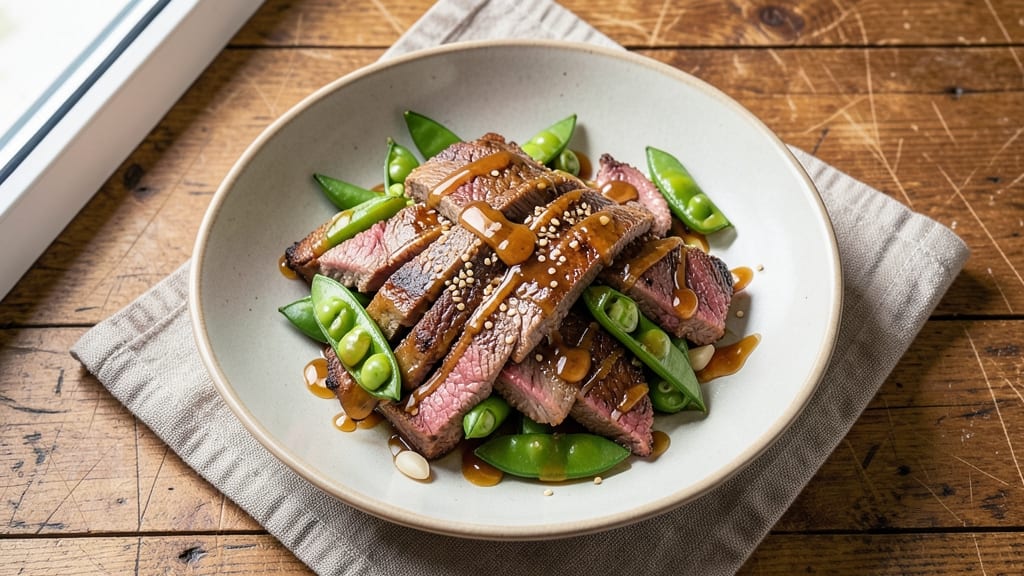
This beef and peapod stir fry recipe delivers restaurant-quality crunch and caramelized beef bites in just 20 minutes. The secret lies in high-heat searing for beef that stays tender yet develops a deep, savory crust, while fresh peapods add a satisfying snap that balances the dish perfectly.
I've refined this technique over years of testing—no soggy vegetables or tough meat here.
The foundation starts with thinly sliced beef marinated in a blend of soy sauce, garlic, and ginger, which tenderizes while building complex flavor. Peapods (fresh or pre-cut) get a quick blanch to soften slightly without losing their signature crunch.
Together, they cook in a wok or large skillet over blazing heat, creating that signature "wok hei" smokiness that transforms simple ingredients into something extraordinary.
What you'll end up with is a vibrant stir fry where each bite delivers melt-in-your-mouth beef with a caramelized edge, paired with peapods that stay crisp-tender.
The sauce—a simple balance of soy, sesame oil, and a touch of honey—ties everything together with just the right amount of sweetness and umami depth. This dish proves you don't need complicated techniques to create restaurant-quality results at home.
Serve immediately over steamed rice to capture all the aromatic steam, or let it sit for 10 minutes if you prefer slightly thicker sauce. The flavors only get better as they meld together, making this the perfect weeknight dinner that feels special without requiring hours in the kitchen.
Let's get cooking!
Ingredients for beef and peapod stir fry
Thinly sliced beef and crisp peapods create restaurant-style stir fry magic with just 13 ingredients.
| Ingredient | Amount | Notes |
|---|---|---|
| Flank Steak 🥩 | 1 lb | Thinly sliced against grain |
| Fresh Peapods 🌱 | 1 ½ lbs | Trimmed, pre-cut preferred |
| Low-Sodium Soy Sauce 🍶 | ⅓ cup | For marinade and sauce |
| Sesame Oil 🫒 | 1 tbsp | Toasted, for aroma |
| Honey 🍯 | 1 tbsp | Light variety preferred |
| Garlic Cloves 🧄 | 4 cloves | Minced, fresh preferred |
| Fresh Ginger 🌿 | 1 tbsp | Grated, peeled |
| Neutral Oil 🫒 | 2 tbsp | Avocado or vegetable oil |
| White Rice 🍚 | 1 ½ cups | Uncooked, jasmine preferred |
| Green Onions 🧅 | 3 whole | Sliced, for garnish |
| Sesame Seeds 🌰 | 1 tsp | Toasted, for crunch |
| Diamond Crystal Kosher Salt 🧂 | ½ tsp | For seasoning |
| Freshly Ground Black Pepper 🌶️ | ¼ tsp | For finishing |
The flank steak is non-negotiable here—it's lean enough to cook fast yet develops that perfect caramelized crust. Ask your butcher to slice it paper-thin against the grain (or do it yourself with a sharp knife and plastic wrap). For peapods, Trader Joe's pre-cut pods save time, but fresh ones from the produce section add that signature snap. The soy sauce matters too—low-sodium brands like Kikkoman let you control the saltiness better. I always grab extra sesame oil at Costco—it's cheaper and stays fresh longer in the pantry.
No sesame oil? Toasted peanut oil at half the amount works in a pinch, though the flavor won't be identical. Fresh ginger and garlic can be swapped for powdered versions at one-third the quantity, but trust me on the fresh—it makes all the difference. The honey should be light, not dark, to avoid overpowering the dish. For the peapods, if you can't find fresh, frozen pods thawed and patted dry still give great texture. And if you're worried about the beef drying out, marinate it for at least 30 minutes—the soy and ginger work wonders for tenderizing.
This stir fry is best served immediately, but if you need to prep ahead, marinate the beef and store it in the fridge for up to 24 hours. The peapods should be blanched right before cooking to preserve their crunch. Leftover stir fry keeps for 3-4 days in the fridge—reheat gently over low heat with a splash of water to restore moisture. I always make extra rice because this dish tastes even better the next day once the flavors meld together. Store components separately to keep everything crisp.
Why You'll Love This Recipe
- Pan in Hand: I swear by this recipe because it’s one pan—no chopping boards, no extra pots, just a quick sear for the flank steak and a toss with peapods. The peapods snap open like magic when they hit the hot pan, and that’s the moment I know it’s working.
- Sweet-Savory Magic: That honey-soy glaze? It’s the star. The low-sodium soy gives depth, the sesame oil adds a nutty finish, and the honey—just a drizzle—balances everything with a subtle sweetness. The beef stays tender but gets that perfect caramelized edge, and the peapods soak up the flavor like little flavor sponges.
- Lunchbox Hero: Between us, this is my go-to for meal prep. Double the batch, pack it in containers, and it reheats beautifully for lunches all week. Honestly, my kids (and my partner) would rather eat this cold from the fridge than whatever sad sandwich I’d normally pack.
- Budget Flex: Flank steak is affordable, and peapods are cheap in season—this recipe stretches further than you’d think. I’ll be real: I’ve made it last four days without getting tired of it, and the leftovers? Even better the next day because the flavors meld together. Plus, it’s the kind of dish that makes you look like you slaved over it, even if you threw it together in 20 minutes.
Step-by-step instructions for beef and peapod stir fry
Here's how to create a perfectly balanced stir fry with tender beef and crisp-tender peapods.
Prepare the Flank Steak for Maximum Tenderness
Slice the 1 lb flank steak thinly against the grain for tender bites. I use a sharp knife and make sure each slice is about ¼-inch thick—this ensures the beef stays tender during the quick stir-fry. Place the sliced steak in a bowl and add 0.33 cup low-sodium soy sauce, 1 tbsp honey, 1 tbsp sesame oil, 1 tbsp grated fresh ginger, and 0.25 tsp freshly ground black pepper. Mix gently but thoroughly to coat the beef evenly.
Let the steak marinate for at least 15 minutes at room temperature. This brief marinating time is enough to infuse flavor without making the beef mushy. While it marinates, trim the 1.5 lbs fresh peapods if they aren't pre-cut, removing any stringy ends. This step ensures your stir fry has clean, crisp peapods that won't distract from the main flavors.
Cook the Jasmine Rice to Perfection
Rinse the 1.5 cups white rice under cold water until the water runs clear. This removes excess starch and prevents the rice from becoming gummy. Transfer the rice to a pot with 3 cups water (or follow package instructions) and bring to a boil. Once boiling, reduce heat to low, cover, and simmer for 15 minutes. Let it sit off heat for 10 minutes—this resting time ensures each grain is fluffy and separate.
While the rice cooks, slice the 3 whole green onions into ¼-inch pieces and set aside. Toast the 1 tsp sesame seeds in a dry skillet over medium heat for 1-2 minutes until fragrant. This adds a nutty depth to the dish that complements the sweet and savory flavors. Keep the toasted seeds nearby—they'll be used for garnish at the end.
Stir-Fry the Beef Until Caramelized
Heat 2 tbsp neutral oil in a large skillet or wok over high heat until shimmering. Add the marinated steak in a single layer and let it sear undisturbed for 1-2 minutes until the edges turn deep golden brown. This initial sear locks in juices and creates that beautiful caramelized crust.
Push the beef to one side of the pan and add 4 minced garlic cloves. Stir for 30 seconds until fragrant—don't let the garlic burn, or it'll turn bitter. Add the trimmed peapods to the pan and stir-fry for 3-4 minutes until they're bright green and just tender. The peapods should still have a slight bite, so avoid overcooking. If the beef starts to dry out, add a splash of water and cover for 1 minute to steam.
Combine and Finish with Flavor
Return the beef to the center of the pan and pour in any remaining marinade from the bowl. Add 0.5 tsp diamond crystal kosher salt and stir everything together for 1-2 minutes until the beef is fully coated in the sauce. The peapods should be heated through, but still retain their vibrant color and slight crunch.
Taste and adjust seasoning if needed—you might want to add a splash more soy sauce or a touch of honey for balance. Divide the cooked rice among plates and top with the beef and peapod stir fry. Garnish with the toasted sesame seeds and sliced green onions. Serve immediately while everything is hot and the peapods still have that perfect crunch.
Pro Tips For Making Beef And Peapod Stir Fry
- Slice Against the Grain: DESCRIPTION: Cut your flank steak perpendicular to the muscle fibers—thin, even strips about ¼-inch thick. I used to fight this step, but it’s the only way to guarantee tender bites. If you’re lazy like me, just eyeball it: the meat should fold like a flag, not a rubber band.
- Blanch Peapods First: DESCRIPTION: Toss fresh peapods in boiling water for 30 seconds, then shock in ice water. This stops them from turning mushy in the stir-fry—especially important since they’re the star here. Skip this, and you’ll end up with a sad, limp pile instead of crisp pods.
- Don’t Crowd the Pan: DESCRIPTION: Cook the beef in batches if your pan isn’t wide enough—even if it means two rounds. I learned this the hard way when my first batch steamed instead of seared. A hot, dry pan is non-negotiable for that caramelized crust.
- Deglaze with Soy + Honey: DESCRIPTION: After removing the beef, pour in your low-sodium soy sauce and honey right away—let it bubble for 30 seconds before adding peapods. This builds flavor faster than just tossing everything in at once. (Yes, even if you’re in a hurry.)
Common mistakes when making this dish
Overcrowding the Pan
One of the biggest mistakes is loading too much beef into the wok at once. When you overcrowd, the beef steams instead of searing, resulting in gray, soggy meat instead of that beautiful caramelized crust.
I've learned to work in batches—cook the beef in two separate rounds if needed, using the same pan. The high heat needs space to create that Maillard reaction that gives stir fry its deep, savory flavor. 🔥
Skipping the Rest
Many people can't resist slicing into their stir fry immediately after cooking, but letting it rest for 2-3 minutes is crucial. This short pause allows the juices to redistribute throughout the beef and peapods, ensuring each bite stays tender.
I've ruined perfectly good stir fries by serving too soon—the sauce pools at the bottom instead of coating everything evenly.
Using Cold Ingredients
Taking ingredients straight from the fridge directly into the wok is a recipe for disaster. Cold beef and peapods will cool down your pan, making it harder to maintain that critical high heat needed for proper searing.
Let everything sit at room temperature for 15-20 minutes before cooking. I always prep my ingredients while the rice cooks—this gives everything time to adjust to room temperature naturally.
Overcooking the Peapods
Peapods cook faster than beef, so adding them too early will turn them mushy while you're still searing the beef. I've learned to add them only after the beef is removed from the pan, cooking them for just 2-3 minutes until bright green and barely tender.
The goal is crisp-tender, not mushy—overcooked peapods ruin the texture contrast that makes this dish special.
Ignoring the Wok Hei
Many home cooks underestimate the importance of that signature wok hei (breath of the wok) smokiness. To achieve it, you need a properly seasoned wok or cast iron skillet and high, consistent heat.
I've found that using a gas burner on high and preheating the pan until it's nearly smoking gives me that authentic restaurant-quality flavor. Electric stovetops work too, but you may need to add an extra 1-2 minutes of preheating time.
Wrong Cut of Beef
Not all beef cuts work equally well for stir fry. Flank steak is ideal because it's lean and tender when sliced thinly against the grain. I've tried using chuck roast or sirloin tips in the past, and they either turned out too tough or too fatty.
If you can't find flank steak, skirt steak is your next best option—just make sure it's sliced paper-thin against the grain for maximum tenderness. 🥩
Nutrition facts
Frequently asked questions
Can I substitute peapods with snow peas or snap peas?
Snow peas and snap peas work beautifully—they add a similar crisp texture. For best results, use 1 lb instead of peapods since they're smaller. Trim the ends first and cook them for just 1-2 minutes to maintain their snap. The flavor will be slightly milder, so consider adding a pinch of sugar to the sauce to balance.
How do I prevent the beef from getting tough?
Slice the beef paper-thin against the grain and marinate for at least 15 minutes—this breaks down fibers and keeps it tender. Use high heat and cook in batches to avoid overcrowding. If the beef starts drying out, add 1 tbsp water and cover for 1 minute to steam.
Can I make this stir fry without sesame oil?
Yes! Use ½ tbsp toasted peanut oil or avocado oil instead. For extra flavor, add ½ tsp toasted sesame seeds directly to the pan during the last minute of cooking. The dish won't be identical, but the texture and balance will still shine.
What's the best way to reheat leftovers?
Reheat gently over low heat with 1 tbsp water to restore moisture. Stir frequently to prevent sticking. For crispier peapods, add them fresh after reheating. Leftovers keep well for 3-4 days in the fridge—store components separately to maintain texture.
Is this dish gluten-free?
Only if you use tamari or gluten-free soy sauce. Regular soy sauce contains wheat. Double-check labels, as some brands may vary. For extra flavor, add 1 tsp rice vinegar or a splash of coconut aminos to compensate for the missing wheat notes.