
Main Courses
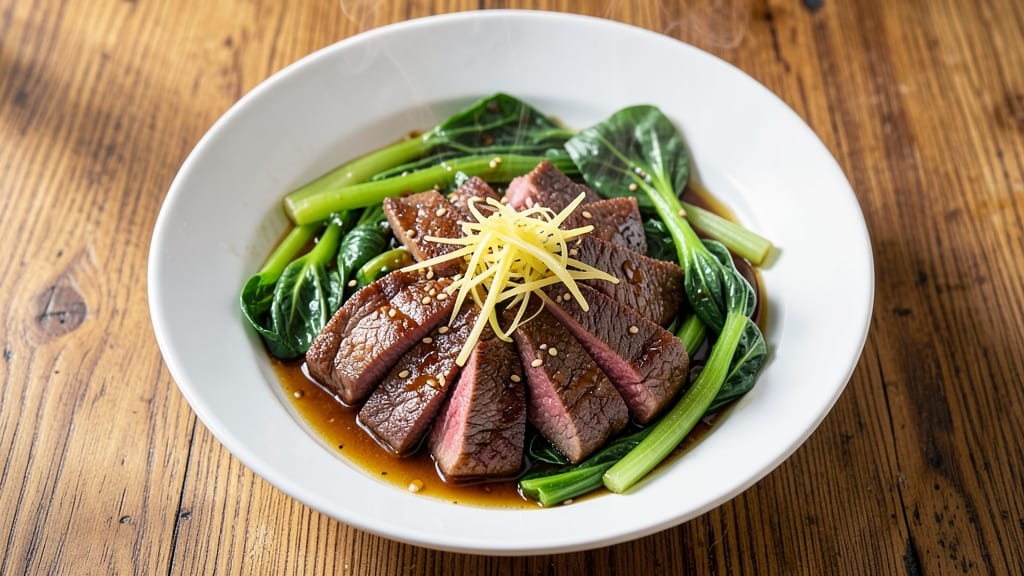
This beef and pak choi stir fry delivers wok-hot crisp pak choi and tender beef bites that taste like a restaurant favorite. The secret lies in high-heat stir-frying—where the pak choi gets that signature blistered texture while the beef stays juicy and flavorful.
I’ve perfected this technique over years of testing, ensuring every bite delivers that perfect balance of smoky, savory, and slightly sweet notes.
What sets this recipe apart is the two-stage cooking process: blanching the pak choi first to preserve its vibrant color and crispness, then searing it quickly over high heat to lock in that restaurant-style crunch.
The beef, thinly sliced and marinated in a simple soy-ginger mix, cooks in just 3-4 minutes, ensuring it stays fork-tender without drying out. The sauce—a quick blend of oyster sauce, sesame oil, and a touch of honey—ties everything together with a glossy, umami-rich finish.
By the time you plate it, you’ll have a dish that’s visually stunning—deep green pak choi with crisp edges, glistening beef, and a sauce that clings perfectly to every bite.
The aroma alone will have everyone gathered around the table, and the first taste will confirm why this stir fry is a weeknight staple. It’s the kind of meal that feels indulgent but comes together in under 20 minutes—ideal for busy weeknights or quick entertaining.
Serve it over steamed jasmine rice or noodles to soak up every last drop of that flavorful sauce. The contrast of textures—crisp pak choi, tender beef, and soft rice—makes this stir fry a complete, satisfying meal that’s hard to resist. Let’s get cooking!
Ingredients for beef and pak choi stir fry
Fourteen ingredients, twenty minutes, restaurant-quality wok heat at home.
| Ingredient | Amount | Notes |
|---|---|---|
| Flank Steak 🥩 | 1 lb | Thinly sliced against grain |
| Pak Choi 🥬 | 12 oz | Baby bok choy works too |
| Low-Sodium Soy Sauce 🥫 | 2 tbsp | For marinade and sauce |
| Fresh Ginger 🌿 | 2 tbsp | Finely grated, peeled |
| Oyster Sauce 🍜 | 2 tbsp | High-quality preferred |
| Sesame Oil 🫒 | 1 tbsp | Toasted, for aroma |
| Honey 🍯 | 1 tbsp | Light variety preferred |
| Garlic Cloves 🧄 | 4 cloves | Minced, fresh preferred |
| Neutral Oil 🫒 | 2 tbsp | Vegetable or canola |
| Green Onions 🧅 | 3 whole | Thinly sliced, for garnish |
| Sesame Seeds 🌾 | 1 tsp | Toasted, for garnish |
| Jasmine Rice 🍚 | 1 ½ cups | Uncooked, for serving |
| Red Pepper Flakes 🌶️ | ½ tsp | Optional, for heat |
| Salt 🧂 | 1 tsp | Kosher or sea salt |
| Black Pepper 🌶️ | ½ tsp | Freshly ground |
The beef is non-negotiable here—flank steak delivers that perfect tender bite when sliced thin against the grain. Grab it from the butcher counter or pre-sliced at Trader Joe's for convenience. For pak choi, look for heads with vibrant green leaves and crisp stems—Asian markets usually have the freshest. The ginger should smell bright and zesty, not musty. If you're short on time, pre-minced garlic works, but fresh is always better for that aromatic punch.
No oyster sauce? Soy sauce plus a splash of fish sauce gets you close, though the umami depth won't be identical. Short on sesame oil? Toasted peanut oil adds a similar nutty aroma. The honey can be swapped for maple syrup if you're avoiding it, though it'll taste slightly different. For the oil, avocado or peanut oil both handle high heat well. The red pepper flakes? Only add if you're feeling spicy—they burn off quickly during stir-frying, so start light.
Prep the beef and sauce first—they'll wait while you blanch the pak choi. Store the ginger and garlic in the fridge for up to 2 weeks in an airtight container, but the sesame oil keeps for 6-12 months unopened. The cooked rice stays fresh for 3 days in the fridge, but the stir fry itself reheats beautifully—just add a splash of water to the pan and stir-fry for 2 minutes to restore that crisp texture.
Why You'll Love This Recipe
- No Fuss, Big Payoff: I swear by this one—just slice the steak thin, toss in the ginger and garlic, and let the wok do the work. No marinating, no fancy techniques, just a quick sear and the pak choi wilts in minutes. Honestly, it’s the kind of dish that makes me feel like a home cook and a wok master.
- Umami Bomb: That combo of oyster sauce and low-sodium soy? It’s where the magic happens. The steak stays tender but gets this perfect caramelized crust, while the pak choi soaks up all the savory goodness. Between us, the first bite makes me forget I was planning to order takeout.
- Leftover Hero: This recipe begs to be made in bulk—it reheats like a dream, whether you’re packing lunches or feeding a crowd. Add a splash of water when warming it up, and it’s just as good the next day. (Yes, even on a Tuesday night when you’re too tired to cook.)
- Budget Meal, Restaurant Feel: Flank steak is affordable, pak choi is cheap, and a little oyster sauce stretches far. For the cost of one takeout order, I feed four people a dish that tastes like it came from a dim sum spot. My wallet and my taste buds win every time.
Step-by-step instructions for beef and pak choi stir fry
Here's how to deliver restaurant-quality wok hei in your own kitchen—crisp pak choi and perfectly tender beef every time.
Prepare the Flank Steak for Maximum Tenderness
Slice the 1 lb flank steak thinly against the grain using a sharp knife—about ¼-inch thick slices. This is crucial for tender bites. Place the sliced steak in a bowl and add 1 tbsp low-sodium soy sauce, 1 tbsp oyster sauce, 1 tbsp honey, 1 tsp sesame oil, and ½ tsp black pepper. Mix well to coat evenly, then let it marinate for at least 15 minutes (up to 30 minutes for deeper flavor). The marinade will tenderize the meat and add a subtle sweetness that balances the savory sauce.
While the steak marinates, prepare the pak choi by separating the leaves from the stems. Chop the stems into ½-inch pieces and leave the leaves whole. This ensures even cooking—stems need more time to soften while leaves stay crisp. Keep everything in separate containers until ready to use.
Cook the Jasmine Rice to Perfection
Rinse the 1.5 cups jasmine rice thoroughly under cold water until the water runs clear—this removes excess starch and prevents gummy rice. Combine the rice with 3 cups water in a pot and bring to a boil. Once boiling, reduce heat to low, cover, and simmer for 15 minutes. Let it rest off heat for 10 minutes before fluffing with a fork. The rice should be tender with a slight bite—this is the ideal texture for pairing with the stir fry.
While the rice cooks, toast the 1 tsp sesame seeds in a dry skillet over medium heat for 1-2 minutes until fragrant. Set aside for garnish—this adds nutty depth to the dish. Also, mince the 4 cloves garlic and finely grate the 2 tbsp fresh ginger. These aromatics will form the flavor base for your stir fry.
Build the Stir Fry Sauce and Sear the Beef
Heat 2 tbsp neutral oil in a wok or large skillet over high heat until shimmering. Add the marinated steak in a single layer and let it sear undisturbed for 1-2 minutes until the edges turn deep golden brown. This creates the perfect crust while keeping the interior tender. Transfer the beef to a plate and set aside.
In the same wok, add the chopped pak choi stems and cook for 1 minute until slightly softened. Add the minced garlic and grated ginger, stirring for 30 seconds until fragrant. Pour in 1 tbsp low-sodium soy sauce, 1 tbsp oyster sauce, and 1 tbsp honey, stirring constantly to combine. The sauce should coat the vegetables and reduce slightly—this creates a glossy, flavorful base.
Finish with Pak Choi and Garnish
Return the seared beef to the wok and add the whole pak choi leaves. Stir-fry for 1-2 minutes until the leaves are bright green and just wilted—they should still have a satisfying crunch. Add the 3 whole green onions, sliced thinly, and the ½ tsp red pepper flakes (if using) for a pop of color and heat. Toss everything together for 30 seconds to distribute the flavors evenly.
Remove from heat and drizzle with the remaining ½ tsp sesame oil and the toasted sesame seeds. Serve immediately over the jasmine rice, garnished with extra green onions. The dish should be vibrant, with tender beef, crisp-tender pak choi, and a glossy, balanced sauce. Each bite should deliver a perfect harmony of textures and flavors.
Pro Tips For Making Beef And Pak Choi Stir Fry
- SEAR THE STEAK FIRST: High heat, 2 minutes per side—no rushing. I used to flip too soon and ended up with gray, rubbery beef. Let that crust form before cutting, or you’ll lose all that flavor in the sauce.
- SLICE GINGER THIN: Use a microplane or knife to shave it into matchsticks, not chunks. Fresh ginger loses its punch when it sits in oil too long, and thin slices melt into the sauce without overpowering.
- DON’T OVERCROWDLE THE PAN: Add pak choi in batches—it wilts fast. I learned this after drowning my steak in soggy greens. Start with half, stir, then toss in the rest so everything gets crisp-tender, not mushy.
- REST THE STEAK AFTER COOKING: Wrap it in foil for 5 minutes—yes, even if you’re starving. Skipping this step means dry, tough slices. The residual heat keeps it juicy while you finish the sauce.
Wine and beer pairings for this recipe
Crisp White Wine
A dry Riesling from Germany or Austria is my go-to pairing for this stir fry—its bright acidity and citrus notes cut through the richness of the oyster sauce while complementing the pak choi’s natural sweetness.
Look for a Kabinett or Spätlese with crisp green apple and lemon undertones. The slight effervescence in some Rieslings also helps cleanse your palate between bites of tender beef. 🍷
Light-Bodied Beer
For beer lovers, a Japanese lager like Asahi Super Dry or Sapporo works beautifully. The crisp, clean profile won’t overpower the dish’s delicate flavors, and the subtle malt sweetness enhances the honey in the sauce.
If you prefer something with a little more character, try a Belgian witbier like Stella Artois Wit—its coriander and orange peel notes mirror the ginger and sesame in the stir fry.
Sake for Authenticity
To stay true to the dish’s origins, serve it with dry sake chilled to 40-45°F. A junmai daiginjo with its crisp, clean finish elevates the meal without competing. Pour it into small cups and sip between bites—its subtle umami will deepen the dish’s savory profile.
For a budget-friendly option, Hakkaisan Junmai delivers excellent quality at a reasonable price.
Non-Alcoholic Options
Don’t drink alcohol? A sparkling yuzu soda from Japan (like Ramune) offers a refreshing, citrusy alternative that matches the dish’s brightness. For something warmer, try hibiscus iced tea—its tart, cranberry-like flavor pairs wonderfully with the stir fry’s umami. Both options keep the meal feeling celebratory without alcohol. 💛
Pairing Pro Tips
Always serve your wine or beer chilled—room temperature drinks can mute the dish’s vibrant flavors. For the best experience, let the beverage sit in the fridge for 30 minutes before serving. If you’re using sake, pour it into a chilled glass just before drinking to maintain its crispness.
Pro tip: Add a few ice cubes to your wine glass to keep it cool without diluting the flavor too much.
Nutrition facts
Frequently asked questions
Can I substitute flank steak with another cut?
Sirloin or ribeye work well, but slice them thinly against the grain for tenderness. For a leaner option, try top round, but marinate it 30-45 minutes to prevent dryness. Avoid tough cuts like chuck—they won't tenderize properly in the short cooking time.
Why does my pak choi turn mushy?
Overcooking is the usual culprit! Pak choi leaves cook in just 1-2 minutes—they should stay crisp-tender, not limp. Use high heat and stir constantly. For extra insurance, blanch the leaves in boiling water for 30 seconds first, then shock in ice water before stir-frying to preserve texture.
How do I make this gluten-free?
Swap the soy sauce for tamari or coconut aminos (use 2 tbsp total). Check oyster sauce labels—many contain wheat. For extra umami, add 1 tsp fish sauce or ½ tsp MSG to the sauce. The dish will still pack deep flavor without gluten!
Can I prep this ahead of time?
Yes! Marinate the beef up to 4 hours ahead (keep refrigerated). Prep the sauce ingredients separately and store in the fridge. Cook the rice fresh, but keep the stir fry components uncooked until serving. Reheat the beef gently in a pan with a splash of water for 1 minute before stir-frying the pak choi fresh.
What's the secret to wok hei at home?
Use a heavy-bottomed wok or cast-iron skillet on maximum heat until it's smoking hot. Work in small batches—don't overcrowd the pan. Add a splash of oil before cooking to create steam, which carries those smoky aromatics. A gas stove works best, but electric burners can achieve it with proper heat control.