
Main Courses
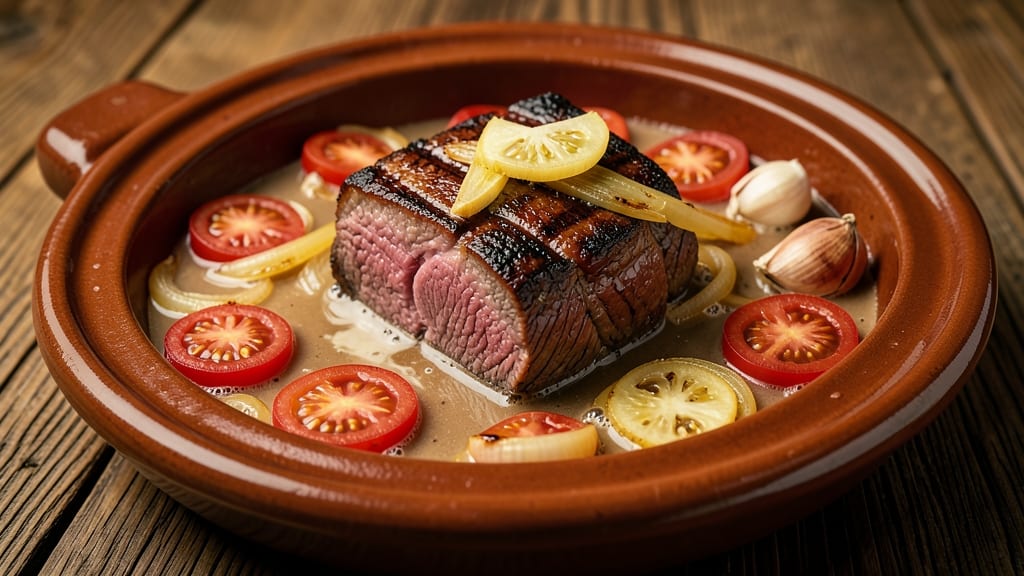
This beef and milk recipe delivers a creamy, fragrant South Asian stew where tender beef threads melt in your mouth. 🌟 The secret lies in slow-cooking beef until it practically dissolves, then blending it with warm milk for an unctuous, velvety sauce that balances rich spices with subtle sweetness.
I first discovered this technique while adapting traditional Indian beef dishes for modern kitchens—it’s become a staple in my home for its comforting depth and restaurant-quality results.
The magic happens in the cooking process: beef simmers until fork-tender, absorbing aromatic spices like cinnamon and cardamom, while the milk transforms into a luscious, slightly thickened base that coats every bite. Unlike many rich stews, this one stays balanced with bright notes from tomatoes and ginger, preventing heaviness.
The dish pairs beautifully with basmati rice or warm naan, making it perfect for both weeknight dinners and special occasions.
What sets this recipe apart is how the milk doesn’t just flavor the stew—it elevates the beef, creating a texture that’s both tender and luxurious. The slow cooking ensures no chewy pieces remain, while the milk adds a subtle sweetness that rounds out the spices.
This isn’t just comfort food; it’s a dish that feels like a hug in every spoonful, with layers of flavor that develop as it simmers.
The best part? It’s a foolproof method that works with affordable cuts of beef, making it accessible without sacrificing quality. Whether you’re serving a family gathering or craving a cozy meal, this stew delivers warmth, richness, and that perfect balance of textures.
Let’s get cooking—your kitchen will smell like home in no time.
Ingredients for beef and milk
These rich, aromatic ingredients transform simple beef into a velvety South Asian masterpiece.
| Ingredient | Amount | Notes |
|---|---|---|
| Beef Chuck Roast 🥩 | 2 lb | Cut into 1-inch cubes |
| Whole Milk 🥛 | 2 cups | Full-fat for creaminess |
| Medium Tomatoes 🍅 | 2 whole | Peeled and chopped |
| Yellow Onion 🧅 | 1 whole | Chopped finely |
| Garlic Cloves 🧄 | 6 cloves | Minced for aroma |
| Fresh Ginger Root 🌿 | 1 ½ tbsp | Grated finely |
| Ground Cumin 🌶️ | 1 tbsp | Toasted for depth |
| Ground Coriander 🌿 | 1 tbsp | Freshly ground preferred |
| Ground Turmeric 🧂 | ½ tsp | Brightens the stew |
| Ground Cinnamon 🌶️ | ½ tsp | Warmth without overpowering |
| Green Cardamom Pods 🌿 | 6 whole | Lightly crushed |
| Bay Leaves 🍃 | 2 whole | For subtle earthiness |
| Salt 🧂 | 1 ½ tsp | Adjust to taste |
| Black Peppercorns 🌶️ | ½ tsp | Freshly cracked |
| Ghee or Butter 🧈 | 2 tbsp | For sautéing spices |
The beef is everything here—chuck roast breaks down beautifully into tender threads. Grab it from the butcher counter if you can, or use pre-cubed from the freezer section at Costco or Walmart. Look for good marbling, but don't stress if it's not perfect. The whole milk needs to be full-fat (none of that skim nonsense)—it's what creates that luxurious creaminess. I always buy the organic kind at Trader Joe's when I'm making this, but regular grocery store milk works just fine. For the tomatoes, San Marzano if you can find them, but any ripe, flavorful tomatoes will do—peel and chop them yourself for the best texture.
No ghee? Butter works perfectly—just don't burn it. Running short on cardamom? Skip it entirely or use half the amount of cinnamon instead. The ginger needs to be fresh—dried just won't give you that bright, zesty kick. For the tomatoes, if you're using canned, San Marzano crushed tomatoes are ideal, but any good-quality canned tomatoes will work in a pinch. The spices are non-negotiable though—toast your cumin and coriander in the ghee for 30 seconds before adding everything else. That little step makes all the difference in flavor. And if you're worried about the milk curdling, don't be—this method keeps it perfectly smooth.
This stew gets better with time, so make it ahead if you can. The flavors meld beautifully over 24 hours in the fridge, and it reheats like a dream. Store it in an airtight container with parchment paper between layers if you're keeping it for more than a day. Freezes perfectly for up to 3 months—just thaw it in the fridge overnight before reheating. I always make a double batch because it disappears so fast. Serve it with warm basmati rice or crusty naan, and you've got a restaurant-quality meal without the fuss.
Why You'll Love This Recipe
- One-Pot Magic: I swear by this recipe because it’s literally one pot—no extra pans, no messy cleanup. The beef cooks right in the milk with onions and tomatoes, and by the end, you’re left with a rich, velvety sauce that’s already simmered down. Honestly, I’ve made it when I’m too tired to wash dishes, and it still tastes like I slaved over it.
- Rich Without Effort: That whole milk isn’t just for creaminess—it melts into the beef, turning tough cuts into something tender and almost buttery. The tomatoes add a bright, tangy cut, while the garlic? It’s the secret weapon here, giving every bite a warm, aromatic punch that sticks with you.
- Leftovers That Beg for More: This recipe always makes more than we eat in one sitting, and the best part? The flavor actually improves the next day. I’ve reheated slices of beef in the same sauce the following night, and my kids still fight over the last piece. (Yes, even on a Tuesday night.)
- Budget-Friendly Feast: A chuck roast is one of the most affordable cuts, and when you stretch it with milk and tomatoes, you’re feeding a crowd for less than takeout. Between us, I’ve served this to potlucks, family dinners, and even a last-minute dinner party—no one ever questions where the beef came from.
Step-by-step instructions for creamy South Asian stew
Here's how to transform tough chuck roast into melt-in-your-mouth beef threads in a velvety milk-based stew.
🔥 Step 1: Sear the Beef for Deep Flavor
Heat a heavy pot over medium-high heat and add the 2 tablespoons ghee or butter. Once shimmering, add the 2 lb beef chuck roast cut into 1-inch cubes in a single layer. Let them sear undisturbed for 3-4 minutes until deep golden brown on all sides.
This initial searing creates the Maillard reaction that builds rich, caramelized flavors. Don't overcrowd the pan or the beef will steam instead of develop that beautiful crust. I like to work in batches if needed—just be patient. Once all pieces are browned, remove them from the pot and set aside temporarily.
👨🍳 Step 2: Build the Spice Base
In the same pot, reduce heat to medium and add the finely chopped yellow onion. Cook for 5-6 minutes until softened and translucent, stirring occasionally. Add the minced garlic cloves and finely grated ginger root, cooking for another 1 minute until fragrant.
Now add the ground cumin, ground coriander, ground turmeric, and ground cinnamon. Stir constantly for 30 seconds to toast the spices—you'll smell that warm, earthy aroma. Add the lightly crushed green cardamom pods and bay leaves next, stirring for 15 seconds to coat everything with these aromatic spices.
🍳 Step 3: Simmer the Tomato Base
Add the peeled and chopped medium tomatoes to the spice mixture. Cook for 5-6 minutes until the tomatoes break down into a thick, glossy sauce. You want them to soften completely and lose their raw tomato flavor—this forms the flavor foundation of your stew.
Here's the thing—don't rush this step. The tomatoes need time to fully integrate with the spices. You'll know it's ready when the mixture looks like a thick, jammy consistency with no visible tomato chunks. This is when the flavors meld beautifully.
🥘 Step 4: Braise the Beef in Milk
Return the browned beef to the pot and pour in the 2 cups whole milk. Add the 1.5 teaspoons salt and 0.5 teaspoon freshly cracked black peppercorns. Bring the mixture to a gentle simmer over medium-low heat, then reduce heat to low and cover partially.
Simmer for 2-2.5 hours until the beef is fork-tender and falling apart. I check it at the 1.5-hour mark—the beef should be breaking down but not quite there yet. The milk will create a creamy sauce while tenderizing the beef. If the sauce gets too thick, add 2-3 tablespoons water to maintain a velvety consistency.
⏰ Step 5: Finish and Rest for Perfect Texture
Once the beef is tender, remove the bay leaves and cardamom pods (they've done their job). Taste and adjust seasoning if needed—you might need a bit more salt to balance the creamy milk. Let the stew rest for 10 minutes off the heat to allow flavors to meld completely.
This resting period is crucial for developing the stew's final texture. The beef will continue to absorb flavors, and the sauce will thicken slightly. Serve warm with crusty bread or over steamed basmati rice to soak up every last bit of that creamy, spiced beef goodness.
Pro Tips For Making Beef And Milk
- SEAR THE ROAST FIRST: Don’t skip browning the chuck roast—high heat for 3-4 minutes per side builds flavor that milk alone can’t replace. I used to skip this and wondered why my dish tasted flat; the crust locks in juices and caramelizes the meat’s natural sugars before the slow cook.
- BLANCH THE TOMATOES: Drop halved tomatoes in boiling water for 30 seconds, then shock in ice water. This softens them just enough to break down in milk without turning the sauce slimy—no one wants watery beef stew. (Yes, it’s an extra step, but the texture makes a real difference.)
- LOW AND SLOW WITH LID: After browning, cover the pot and simmer on low heat—around 170°F (77°C)—for 3+ hours. I learned this the hard way when I rushed it and ended up with tough, stringy beef. The milk will curdle if it boils, so keep it gentle.
- USE ROOM-TEMP ONIONS: Dice onions after browning the meat, not before. Cold onions release moisture and steam instead of caramelizing, turning your sauce dull. Let them sit at room temp for 10 minutes first—your future self will notice the difference in depth of flavor.
Essential equipment for great beef and milk
Heavy-Duty Pot
This recipe demands a heavy-bottomed Dutch oven—I swear by my Le Creuset 5.5-quart—to handle the long simmer without scorching. The thick base distributes heat evenly, preventing hot spots that can curdle the milk or burn the spices.
If you don’t own one, a stainless steel stockpot with a tight-fitting lid works too, but avoid nonstick—it can’t handle the high heat needed for searing.
Instant-Read Thermometer
Don’t guess when the beef is done! A Thermoworks Smoke or Meater Plus lets you check the internal temperature of the beef cubes—aim for 195-200°F for that melt-in-your-mouth texture. I test the largest piece, and once it hits that range, the rest will follow.
Pro tip: Insert the probe into the thickest part of the beef, avoiding fat or bone.
Immersion Blender
For a smooth, velvety sauce, blend the milk and beef mixture directly in the pot using an immersion blender like the Ninja BN601. This avoids transferring hot liquid and keeps the sauce’s natural richness.
If you don’t have one, carefully ladle the stew into a blender (in batches!) and return it to the pot. Just don’t over-blend—you want some texture, not a puree.
Fine-Mesh Strainer
A stainless steel fine-mesh strainer (like the OXO Good Grips) is your secret weapon for removing bay leaves and cardamom pods without losing flavor. Skip the colander—it won’t catch the tiny spices, and you’ll end up with a gritty stew.
I also use it to strain the milk if you prefer an ultra-smooth sauce, though I love the slight body the beef adds.
Wooden Spoon
Never use metal utensils when stirring the milk—it can cause curdling. A long-handled wooden spoon (I adore my Ozeri Touch Wooden Spoon) gently folds the beef and milk without breaking the sauce.
Wood also withstands the long simmer without warping, unlike plastic. For extra comfort, look for one with a siliconized handle—it stays cool and grips better when your hands are sweaty.
Air-Tight Storage
Leftovers deserve love too! Store your stew in glass Pyrex containers with tight-sealing lids (or mason jars) to preserve freshness for up to 4 days in the fridge or 3 months in the freezer.
The glass keeps flavors pure, and the airtight seal prevents freezer burn. Label with the date—trust me, you’ll forget how long it’s been sitting there! 💫
Nutrition facts
Frequently asked questions
Why does this recipe use milk instead of cream?
The milk creates a lighter, more balanced sauce that doesn't overwhelm the beef's natural flavor. Full-fat milk adds richness without the heaviness of cream, and its subtle sweetness complements the spices beautifully. Plus, it's more budget-friendly while still delivering that luxurious texture!
Can I substitute beef chuck with another cut?
Yes, but choose wisely! For tender results, use brisket or short ribs—they handle long cooking beautifully. Avoid lean cuts like sirloin; they'll dry out. If using brisket, cut it into 1-inch cubes and trim excess fat to prevent greasiness in the sauce.
How do I prevent the milk from curdling?
Keep the heat low and steady—never let it boil vigorously. Use a wooden spoon to stir gently, and avoid metal utensils. If you see small curdles, strain them out immediately. The milk should simmer gently like a warm bath, not bubble like a pot of boiling water.
What if my stew is too thick or too thin?
For a thicker sauce, simmer uncovered for 5-10 minutes to reduce. Too thin? Stir in 1 tablespoon cornstarch mixed with 2 tablespoons water until smooth. Pro tip: The sauce will thicken more as it rests, so adjust gradually while cooking.
Can I make this recipe in an Instant Pot?
Sear the beef first, then add all ingredients except milk. Cook on High Pressure for 45 minutes, then quick-release. Stir in milk and cook on Low for 15 minutes. The pressure cooker cuts time by half while keeping the beef tender and sauce creamy!