
Soups & Stews
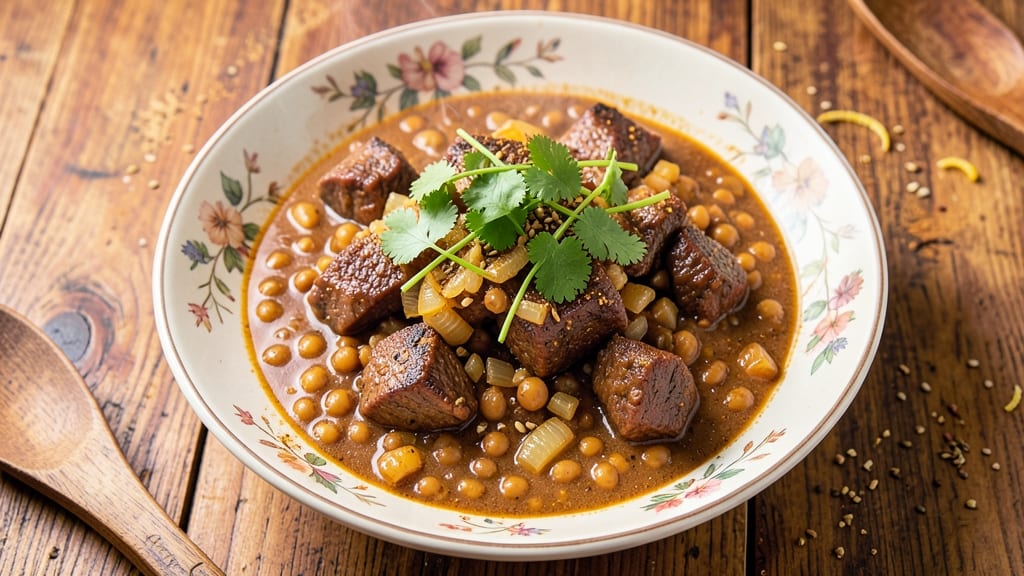
This beef and lentil curry recipe transforms a simple one-pot meal into a flavorful, protein-rich dish that satisfies every craving. The combination of tender beef and hearty lentils creates a hearty, satisfying stew that's packed with both texture and nutrition.
I developed this recipe to deliver restaurant-quality depth without requiring hours in the kitchen.
The secret lies in properly browning the beef and building layers of spice through traditional techniques like toasting whole spices and blooming the curry powder. This creates complex aromatics that transform basic ingredients into something extraordinary.
The lentils add substance while keeping costs low, making this an economical yet impressive meal.
What you'll end up with is a rich, aromatic curry with tender beef chunks, perfectly cooked lentils, and a sauce that's perfectly balanced between spicy and sweet. The one-pot method ensures easy cleanup while delivering maximum flavor development through slow simmering.
Serve with basmati rice or warm naan to soak up every last drop of that flavorful sauce. This recipe is designed to be both approachable for weeknight dinners and impressive enough for guests—perfect for any occasion where you want hearty, satisfying comfort food.
Ingredients for beef and lentil curry
Transform ordinary pantry staples into a restaurant-worthy curry with these carefully chosen ingredients.
| Ingredient | Amount | Notes |
|---|---|---|
| Chuck Roast 🥩 | 1 ½ lb | Cut into 1.5-inch cubes |
| Brown Lentils 🌾 | 1 cup | Rinsed before cooking |
| Yellow Onion 🧅 | 1 whole | Diced into 0.5-inch pieces |
| Garlic Cloves 🧄 | 6 cloves | Minced for aromatic base |
| Ginger Root 🌿 | 1 tbsp | Freshly grated, not powdered |
| Curry Powder 🌶️ | 2 tbsp | Mild variety preferred |
| Ground Cumin 🌿 | 1 tbsp | Toasted for deeper flavor |
| Ground Coriander 🌿 | 1 tbsp | Freshly ground preferred |
| Turmeric Powder 🌶️ | 1 tsp | Bright yellow color indicator |
| Cayenne Pepper 🔥 | ½ tsp | Adjust for heat preference |
| Coconut Milk 🥥 | 1 can | Full-fat, 13.5 oz can |
| Tomato Paste 🍅 | 2 tbsp | Smooth, not chunky |
| Beef Broth 💧 | 2 cups | Low-sodium preferred |
| Olive Oil 🫒 | 2 tbsp | Extra-virgin for richness |
| Salt 🧂 | 1 ½ tsp | Diamond Crystal preferred |
The beef selection is critical—chuck roast delivers that signature fall-apart texture when slow-cooked. Most butchers will cube it for you, saving time, but if you're cutting it yourself, aim for 1.5-inch cubes. For spices, Penzeys or Spicewalla offer superior quality, but the bulk bins at Whole Foods provide excellent value. Fresh ginger and garlic are non-negotiable here—their bright, vibrant flavors form the aromatic foundation. Look for ginger roots with tight, smooth skin and no soft spots. The curry powder should be mild to medium heat to balance the other spices without overpowering the dish.
No curry powder? Create your own blend with 1 tbsp each of ground coriander, cumin, turmeric, and 1 tsp fenugreek (if available). Substituting coconut milk? Full-fat canned coconut milk is essential—light versions won't deliver the same creamy texture. For the tomato paste, Rao's or Mutti brands offer superior quality, but any smooth paste will work. The beef broth can be homemade or high-quality store-bought—low-sodium versions prevent the dish from becoming overly salty. Fresh herbs like cilantro or basil can be added at the end for brightness, but they're optional in this foundational recipe.
This curry develops deeper flavor with time—3-4 days in the refrigerator is ideal for maximum complexity. Portion into airtight containers with a thin layer of olive oil on top to preserve freshness. Freezes beautifully for up to 3 months—simply thaw overnight in the refrigerator before reheating. The lentils will thicken upon standing, so add a splash of water or broth when reheating if you prefer a looser consistency. Leftovers reheat best in a saucepan over medium-low heat to prevent the sauce from separating.
Why You'll Love This Recipe
- One-Pot Magic: I swear by this recipe—just chop the onion, mince the garlic and ginger, toss everything in one pot, and let it simmer. The chuck roast practically melts into tender perfection while the lentils thicken the sauce, so you’re not stuck with separate sides or extra pans.
- Deep, Rich Layers: That slow-cooked chuck roast? It falls apart with every bite, soaking up the spices like a sponge. The brown lentils add a satisfying bite, and the ginger-garlic base? It’s the kind of flavor that lingers—warm, earthy, and just a little spicy to keep things interesting.
- Meal Prep Gold: Between us, this is my go-to for busy weeks. Cook a big batch on Sunday, and you’ve got hearty lunches for days—pack it in containers, reheat it, or even freeze portions. Honestly, the leftovers taste even better the next day, especially with some crusty bread to soak up the sauce.
- Budget-Friendly Powerhouse: Chuck roast and brown lentils are affordable staples that stretch into a meal for four (or more, if you’re feeding a crowd). I’ll be real: it’s the kind of dish that makes grocery day feel like a win, and the flavor? It doesn’t skimp on richness despite the cost.
Step-by-step instructions for beef and lentil curry
Here's the method for creating a rich, protein-packed curry that builds flavor layer by layer.
Sear the Chuck Roast for Deep Flavor
Heat the 2 tablespoons olive oil in a large Dutch oven over medium-high heat until shimmering. Working in batches to avoid crowding, add the 1.5 lb chuck roast cut into 1.5-inch cubes and sear for 3-4 minutes per side until deeply browned. This step develops the Maillard reaction, creating complex flavors that form the foundation of your curry.
As you sear, you'll notice the meat release juices and develop a rich caramelized crust. Transfer the browned beef to a plate and set aside. If the oil appears dark or thickened, add just enough beef broth to deglaze and remove any stuck-on bits with a wooden spoon. This prevents a bitter flavor in your finished dish.
Build the Aromatic Base
In the same Dutch oven, add the 1 whole yellow onion diced into 0.5-inch pieces and cook for 5-6 minutes until softened and golden. Add the 6 cloves garlic cloves (minced) and 1 tablespoon freshly grated ginger root, stirring constantly for 30 seconds until fragrant. The kitchen should fill with a warm, spicy aroma—this is your signal that the aromatics are ready for the next step.
Stir in the 2 tablespoons curry powder, 1 tablespoon ground cumin, 1 tablespoon ground coriander, 1 teaspoon turmeric powder, and 0.5 teaspoon cayenne pepper. Cook the spices for 1-2 minutes until they release their oils and the mixture becomes deeply aromatic. This step infuses the spices with the rendered beef fat, intensifying their flavors.
Develop the Sauce Foundation
Add the 2 tablespoons tomato paste and cook for 2 minutes, stirring constantly, until it darkens slightly and becomes fully incorporated. Pour in the 2 cups beef broth and bring the mixture to a gentle simmer. Scrape up any browned bits from the bottom of the pot with a wooden spoon—these contain concentrated flavor that will enrich your curry.
Return the seared beef to the pot along with any accumulated juices. Add the 1 cup brown lentils (previously rinsed) and bring the entire mixture to a boil. Once boiling, reduce heat to low and cover partially, leaving a 1-inch gap for steam to escape. This gentle simmering method prevents the lentils from becoming mushy while allowing the beef to tenderize.
Simmer Until Tender and Flavorful
Simmer the curry for 1 hour to 1 hour 15 minutes, stirring occasionally, until the beef is fork-tender and the lentils are fully cooked. You'll know it's ready when the beef easily pulls apart with minimal resistance and the lentils hold their shape but are tender. The curry should have thickened slightly, with a rich, aromatic sauce clinging to the beef and lentils.
During the last 15 minutes of cooking, stir in the 1 can full-fat coconut milk. This adds creaminess while balancing the spice levels. Taste and adjust seasoning with the 1.5 teaspoons salt if needed, remembering that the curry will continue to develop flavor as it rests.
Rest and Serve with Perfect Texture
Remove the curry from heat and let it rest for 10 minutes before serving. This resting period allows the flavors to meld completely and the sauce to thicken slightly. The curry should have a luxurious, velvety texture with tender beef, perfectly cooked lentils, and a complex balance of spices.
Serve the curry hot, accompanied by steamed basmati rice or warm naan bread. The one-pot preparation makes this dish both convenient and impressive, delivering a hearty, protein-rich meal that's packed with authentic curry flavors. Each bite should offer a harmonious blend of tender beef, earthy lentils, and aromatic spices.
Pro Tips For Making Beef And Lentil Curry
- SEAR THE CHUCK ROAST: After burning three batches of beef, I finally learned to slice the chuck roast into 1-inch chunks before searing—this guarantees a deep, caramelized crust instead of steaming meat. Use a hot, dry pan and don’t crowd the pieces (yes, even if you’re impatient like me).
- PEEL AND GRATE GINGER: Skip the jarred ginger paste—it’s watery and dull. Instead, peel the root, then grate it fresh (about 2 tablespoons) and let it sit in the oil for 30 seconds before adding onions. This unlocks its flavor without bitterness.
- LOW-SIMMER THE LENTILS: Lentils don’t need to boil—just cover them with water, bring to a bare simmer, then reduce to a whisper of heat. After 20 minutes, they’ll cook evenly without turning mushy (I used to overcook them and ruin the texture).
- SAVE THE ONION WATER: When sautéing onions, add just enough oil to coat the pan—about 2 tablespoons. The onions will release liquid, so resist adding extra. Strain and use that onion water later to deglaze the pot for extra depth (your future self will thank you).
Storing and reheating this dish
Refrigerator Storage
Let your curry cool completely before transferring to an airtight container—I use glass Pyrex with snap-on lids for best results. Store at 40°F or below for up to 4 days, though I find the flavors actually deepen after 2-3 days of resting.
The coconut milk may separate slightly, so give it a gentle stir before reheating. 💪
Freezer Storage
For longer storage, portion into quart-sized freezer bags or glass containers, leaving 1-inch headspace for expansion. Seal tightly to prevent freezer burn and label with the date. This curry freezes beautifully for up to 3 months—the lentils and beef maintain their texture perfectly when thawed properly.
I recommend freezing in single-serving portions for easy reheating. ❄️
Thawing Method
Transfer your frozen curry to the refrigerator 24 hours before reheating for the best texture. If you're short on time, place the sealed container in a cold water bath, changing the water every 30 minutes until fully thawed.
Never microwave frozen curry directly—this creates a rubbery texture in the lentils. Always thaw completely before reheating. 💡
Stovetop Reheating
My preferred method is reheating on the stovetop over medium-low heat to maintain the sauce's integrity. Add 2-3 tablespoons of water or beef broth to prevent sticking and bring to a gentle simmer.
Cook uncovered for 10-15 minutes, stirring occasionally, until heated through. Taste and adjust seasoning—curry often needs a pinch of salt after reheating. 🔥
Microwave Safety
For quick reheating, transfer curry to a microwave-safe dish and cover loosely with a microwave-safe lid. Heat on 50% power in 2-minute intervals, stirring between each interval, until reaching 165°F internal temperature.
Avoid overcooking—the coconut milk can separate if heated too aggressively. Stir in a splash of water if the sauce looks too thick. ✨
Texture Preservation
The key to perfect reheating is patience. Lentils can become mushy if rushed, so always reheat gently. If your curry thickens too much upon reheating, add 1-2 tablespoons of water or broth and simmer for an additional 2-3 minutes.
The beef should remain tender, and the sauce should coat the back of a spoon with a velvety consistency. 💛
Nutrition facts
Frequently asked questions
Can I substitute brown lentils for another type?
Yes! Green or French lentils work beautifully—they hold their shape better and offer a slightly firmer texture. For a creamier curry, try beluga lentils, but they'll break down more during cooking. Avoid red lentils, as they dissolve completely and change the dish's consistency.
How do I adjust the spice level?
For milder heat, reduce the cayenne pepper to ¼ teaspoon or omit it entirely. For extra kick, add ½ teaspoon more cayenne or a pinch of red pepper flakes. Fresh chili like serrano or jalapeño can also be added during the last 5 minutes of cooking. Always taste before serving!
What's the best way to make this a one-pot meal?
This recipe is already designed as a one-pot wonder! Simply prepare the curry as written, then serve directly from the pot with rice cooked separately. For true one-pot convenience, cook 1 cup basmati rice in the same pot after removing the curry, using 2 cups water and simmering for 15 minutes covered.
Can I make this dish vegetarian?
Replace the beef with 1.5 lbs firm tofu (pressed and cubed) or chickpeas for a hearty texture. For a meatier alternative, use mushrooms or tempeh. Increase the lentils to 1.5 cups to maintain the dish's satisfying substance. The cooking time remains the same, but check for doneness at 45 minutes.
Why did my curry turn out too thick?
This often happens when the coconut milk separates or the sauce reduces too much. Stir in 2-3 tablespoons of water or broth and simmer for 5 minutes to restore balance. For prevention, use full-fat coconut milk and avoid boiling vigorously. The curry should coat the back of a spoon but remain spoonable.