
Soups & Stews
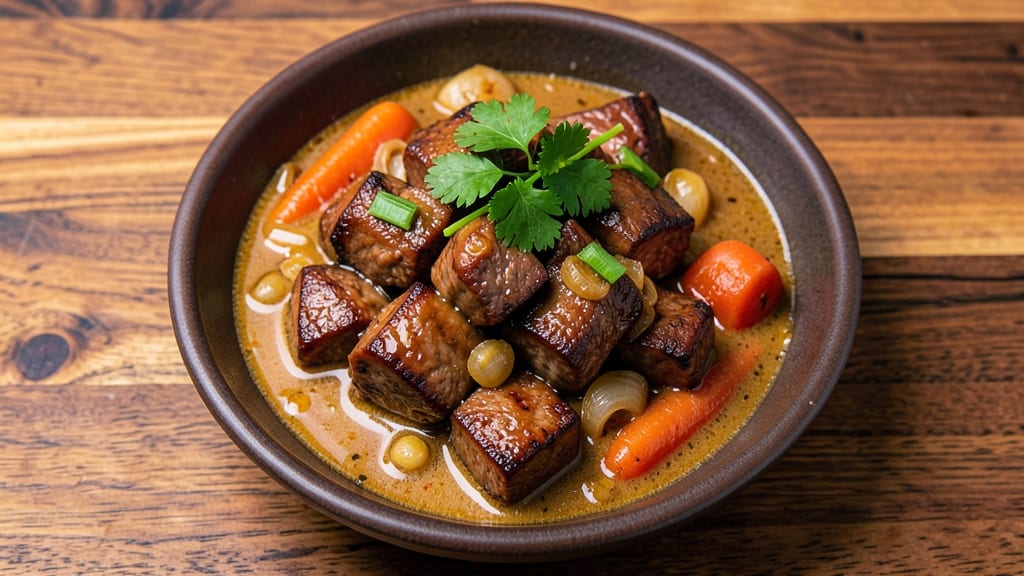
This beef and horseradish stew recipe delivers a bold flavor profile that balances sharp horseradish with deep, savory beef—perfect for chilly evenings. The secret lies in slow-braising tender beef cuts until they melt in your mouth while developing rich, caramelized depth.
I've refined this recipe over years, ensuring the horseradish adds a bright kick without overpowering the velvety broth.
What sets this stew apart is the two-stage cooking process: first searing the beef for deep flavor, then simmering it low and slow to achieve tender perfection.
The horseradish is added carefully—just enough to provide that signature tangy heat while maintaining balance. This method transforms tough cuts into fork-tender morsels that practically fall apart.
By the time you serve this stew, you'll have a restaurant-quality dish with layers of complexity—savory beef, aromatic vegetables, and that signature horseradish bite that lingers on the palate.
The aroma alone will have everyone gathering around the table, and the first spoonful delivers on all the promises of warmth and depth.
The beauty of this recipe is its versatility—serve it with crusty bread to soak up every last drop, or pair it with buttery mashed potatoes for a heartier meal.
The slow cooking process means flavors develop beautifully over time, making this stew even more delicious the next day. Let's get started on creating this comforting classic.
Ingredients for beef and horseradish stew
Bold flavors and tender beef—this stew brings the warmth and tang you crave on chilly nights.
| Ingredient | Amount | Notes |
|---|---|---|
| Chuck Roast 🥩 | 2 ½ lb | Cut into 1.5-inch cubes |
| Yellow Onion 🧅 | 2 whole | Chopped into 1/2-inch pieces |
| Carrots 🥕 | 1 ½ lb | Peeled and cut into 1-inch chunks |
| Garlic Cloves 🧄 | 6 cloves | Minced, not powdered |
| Fresh Horseradish Root 🌿 | ½ cup | Grated, about 2 tbsp prepared |
| Beef Broth 💧 | 4 cups | Low-sodium preferred |
| Tomato Paste 🍅 | ¼ cup | Smooth, not chunky |
| Red Wine 🍷 | 1 cup | Bold, dry variety |
| All-Purpose Flour 🌾 | 1 tbsp | For thickening |
| Olive Oil 🫒 | 2 tbsp | Extra-virgin for richness |
| Salt 🧂 | 1 ½ tsp | Kosher or sea salt |
| Black Pepper 🌶️ | 1 tsp | Freshly ground |
| Dried Thyme 🍃 | 1 tsp | Or 1 tbsp fresh |
| Bay Leaves 🌿 | 2 whole | Removed before serving |
| Fresh Parsley 🌿 | ¼ cup | Chopped, for garnish |
The chuck roast is non-negotiable here—it's the secret to that melt-in-your-mouth texture. Costco sells it pre-cut for convenience, but if you're buying whole, ask your butcher to cube it. Look for good marbling, which means more flavor. Fresh horseradish is a game-changer (the prepared stuff from a jar lacks punch), so grab a root at Trader Joe's or a specialty market. The root keeps for weeks in the fridge, so you can prep ahead—just grate what you need and store the rest. For the beef broth, low-sodium is key—you'll be adding plenty of salt later.
No horseradish root? Prepared horseradish at half the amount works in a pinch, but it won't be as vibrant. Running out of red wine? Beef broth with a splash of balsamic vinegar mimics the depth. Fresh thyme is ideal, but dried at one-third the amount gets you close. The tomato paste can be the squeeze-tube kind from Trader Joe's—it's perfect for this recipe and lasts forever. If you're using pre-cut veggies, check the carrot and onion sizes—they should be roughly the same size so they cook evenly. And trust me on the bay leaves—don't skip them, but remember to fish them out before serving.
This stew tastes even better the next day, so make extra if you can. Store it in an airtight container in the fridge for up to 5 days, or freeze portions for 3 months. I like to portion it into individual containers so I can grab a ready-to-heat dinner any night. The flavors meld beautifully over time, so if you're prepping ahead, let it sit at room temperature for 30 minutes before reheating. Garnish with fresh parsley right before serving—it brightens up the whole dish.
Why You'll Love This Recipe
- One-Pot Magic: I swear by this stew—just toss everything in a pot, walk away, and come back to tender beef and that signature horseradish kick. No fancy techniques, no stress.
- Horseradish Heat: That fresh horseradish root? It’s the star—sharp, bright, and just spicy enough to wake up your taste buds. The chuck roast soaks it all up, making every bite unforgettable.
- Weeknight & Holiday: Between us, this stew works for lazy Tuesdays and Thanksgiving leftovers. Serve it over mashed potatoes or with crusty bread—it’s that adaptable.
- Budget Powerhouse: Chuck roast stretches for days, and horseradish adds luxury without breaking the bank. Honestly, I’ve made this for $10 and fed six people—no regrets.
Step-by-step instructions for beef and horseradish stew
Here's how to build a stew so rich and sharp it'll have everyone asking for seconds.
Sear the Chuck Roast for Deep Flavor
Heat the 2 tablespoons olive oil in a large Dutch oven over medium-high heat until shimmering. Working in batches if needed, add the 2.5 lb chuck roast cut into 1.5-inch cubes, letting each piece sear undisturbed for 3-4 minutes until deeply browned on all sides. This step develops the Maillard reaction, creating that irresistible caramelized crust that forms the stew's flavor foundation.
Don't overcrowd the pan or the temperature will drop, and you'll end up with steamed meat instead of seared. Once all the beef is browned, transfer it to a plate and set aside. You'll notice the oil will look darker and more flavorful—this is your first indication of the delicious layers you're building.
Build the Aromatic Base
In the same Dutch oven, add the 2 whole yellow onions chopped into ½-inch pieces and cook for 5 minutes until softened and starting to caramelize. Stir occasionally to prevent burning. Add the 1.5 lb carrots cut into 1-inch chunks and cook for another 5 minutes until they begin to soften slightly.
Push the vegetables to the sides of the pot and add the 6 cloves minced garlic directly to the empty space in the center. Cook for 30 seconds until fragrant—this is when your kitchen will smell like pure comfort. Immediately add the 0.5 cup grated fresh horseradish root and stir for 1 minute to release its sharp, peppery essence.
Deglaze and Develop the Sauce
Pour in the 1 cup red wine and scrape up all those delicious browned bits from the bottom of the pot with a wooden spoon. This deglazing step captures all the flavor you've built so far. Let the wine simmer for 3-4 minutes until reduced by half, until it's thickened slightly and the alcohol has cooked off.
Stir in the 0.25 cup tomato paste and cook for 1 minute until it darkens and blends smoothly with the wine. Sprinkle the 1 tablespoon all-purpose flour over the mixture and stir vigorously for 1 minute to remove any lumps. This creates a simple roux that will help thicken your stew beautifully.
Simmer the Stew to Perfection
Return the seared beef to the pot along with the 4 cups beef broth. Add the 1.5 teaspoons salt, 1 teaspoon black pepper, 1 teaspoon dried thyme, and 2 whole bay leaves. Bring to a gentle boil, then reduce heat to low and cover partially. Let it simmer for 2.5 hours, stirring occasionally, until the beef is fork-tender and falling apart easily.
Here's the thing—don't be tempted to rush this. The longer it simmers, the more the flavors meld together. You'll know it's ready when the beef pulls apart with just a gentle fork and the liquid has thickened slightly but remains saucy. The horseradish's sharpness will mellow into a perfect balance with the rich beef flavors.
Finish and Serve with Fresh Herbs
Remove the 2 bay leaves and discard them. Taste and adjust seasoning if needed—you might want to add a pinch more salt or a crack of black pepper to enhance the flavors. Stir in the 0.25 cup chopped fresh parsley just before serving to add a bright, fresh contrast to the rich stew.
Ladle the stew into bowls and serve immediately with crusty bread to soak up every last drop of that velvety sauce. The combination of tender beef, sweet carrots, sharp horseradish, and aromatic herbs creates a perfect balance of textures and flavors that'll have everyone coming back for more.
Pro Tips For Making Beef And Horseradish Stew
- SEAR THE ROAST IN BATCHES: If you’re using a chuck roast bigger than 3 pounds, don’t crowd the pan—it’ll steam instead of brown. Work in two rounds: sear half until deep golden, then set aside before adding the rest. The crust is where the flavor hides, and skipping this means bland, gray beef.
- GRATE HORSERADISH FRESH, THEN REST: Don’t toss that grated horseradish into the pot right away. Let it sit in a bowl for 10 minutes—it’ll mellow out and release its sharpness gradually. (Yes, it’ll still pack a punch, but it won’t hit you like a sledgehammer the second you taste it.)
- DON’T SKIP THE COLD SOAK: Rinse the chuck roast and pat it bone-dry before searing, but here’s the real trick: pop it in the fridge for 30 minutes after prepping. Cold meat sears better and stays juicier—no one wants a stew where the beef turns out like a dried-out shoe.
- SAVE TIME WITH PARBOILED CARROTS: Chop the carrots into even chunks, then boil them for 5 minutes before adding to the stew. They’ll soften faster and won’t turn to mush later. (Pro move: Toss them in ice water after boiling to stop the cooking—easy cleanup, no waiting.)
Pro cooking tips for perfect results
Sear Like a Pro
For maximum flavor, sear the beef in batches over medium-high heat—never crowd the pan. A 12-inch cast iron Dutch oven from Lodge is my go-to because it retains heat perfectly.
Let each piece develop a deep brown crust before moving it to a plate. This isn't just about looks; the Maillard reaction creates complex flavors that build the stew's foundation. 🔥
Horseradish Balance
The key to horseradish is adding it early and letting it mellow. Grate 0.5 cup fresh horseradish root (about 2 tbsp prepared horseradish) and stir it into the onions and garlic before the wine.
This allows its sharpness to soften during the long simmer. If you're nervous about heat, start with 1 tbsp grated root and adjust to taste at the end.
Wine Reduction Magic
Don't rush the wine reduction! Let the 1 cup red wine simmer until it's reduced by half—this concentrates the flavors and cooks off the alcohol. A bold Cabernet Sauvignon works best, but any dry red will do.
The longer you reduce, the deeper the flavor becomes, so take your time here. This step transforms ordinary wine into a rich, complex base for your stew.
Low and Slow Wins
After adding the broth, maintain a gentle simmer at 190-200°F for 2.5 hours. Use a meat thermometer to check the internal temperature—beef should reach 203°F for perfect tenderness.
If your stew reduces too quickly, add ¼ cup warm broth to maintain the right consistency. Patience here makes all the difference in texture and flavor.
Thickening Secrets
The 1 tbsp flour creates a natural thickener, but don't overdo it. Stir it into the wine reduction before adding the broth to prevent lumps. For extra richness, I sometimes add 1 tbsp cornstarch mixed with 2 tbsp cold water at the end if the stew needs more body.
This keeps the sauce velvety without making it gluey. 💫
Final Flavor Boost
Always finish with fresh herbs—¼ cup chopped parsley brightens the dish and cuts through the richness. Taste before serving and adjust seasoning: a pinch of salt or a crack of black pepper can elevate the flavors.
The horseradish should add a pleasant kick, not overpower the beef. Serve immediately or let it rest for 10 minutes to let the flavors meld even more.
Nutrition facts
Frequently asked questions
Can I substitute fresh horseradish with prepared horseradish?
Yes, but use only half the amount (about 1 tablespoon prepared horseradish instead of 0.5 cup grated root). Fresh horseradish has more potency and mellows better during cooking. The prepared version lacks depth, but it works in a pinch if you're short on time.
What's the best cut of beef for this stew?
Chuck roast is ideal because it's flavorful and becomes tender when slow-cooked. If you can't find chuck, use brisket or stew meat—both work well. Avoid lean cuts like sirloin, as they won't develop the same rich texture. Look for well-marbled beef for maximum flavor.
Can I make this stew in a slow cooker or Instant Pot?
For a slow cooker, brown the beef first, then transfer everything (including the wine reduction) to the pot and cook on low for 8 hours or high for 4-5 hours. For an Instant Pot, sear the beef normally, then cook on high pressure for 60 minutes followed by a 10-minute natural release. Adjust liquid if needed—slow cookers may require 1 extra cup broth.
How do I know when the beef is tender enough?
The beef should be fork-tender and easily pull apart with minimal resistance. Use a meat thermometer to check—it should reach 203°F internally. If it's still tough after 2.5 hours, extend the cooking time by 30-60 minutes or add ¼ cup warm broth to keep it moist. Patience is key here!
What are the best sides to serve with this stew?
Crusty bread is a classic choice to soak up the rich sauce. For a heartier meal, pair it with creamy mashed potatoes, buttery egg noodles, or roasted root vegetables. A simple green salad with a tangy vinaigrette balances the richness perfectly. The horseradish's sharpness pairs well with buttery textures like dumplings or polenta.