
Soups & Stews
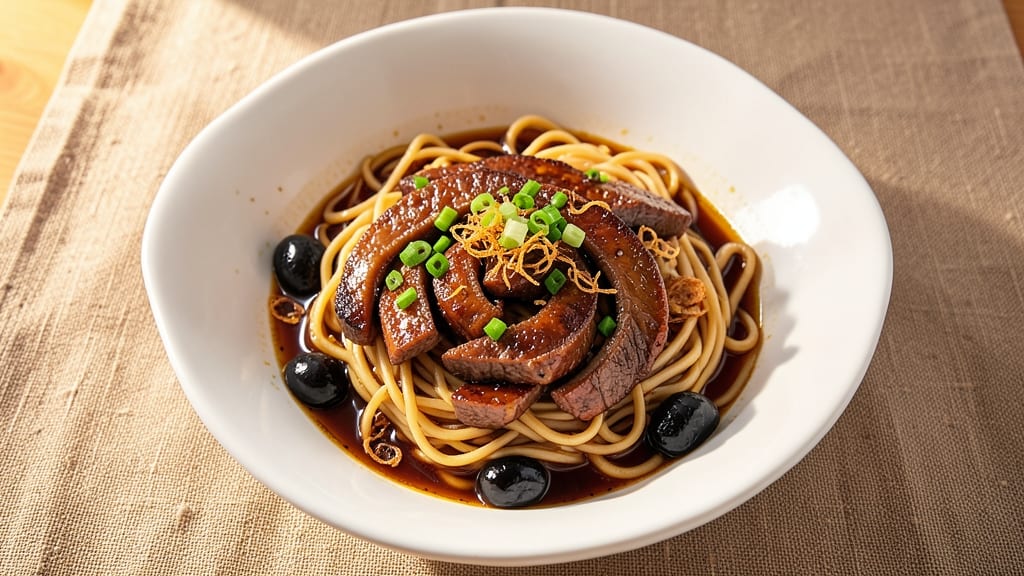
This beef and hokkien noodles recipe delivers the perfect balance of crispy beef, silky noodles, and aromatic broth—just like your favorite Malaysian street stall. The secret lies in high-heat stir-frying for that signature wok-fired texture while keeping the noodles tender and the broth rich with umami.
I’ve refined this over years of testing, ensuring every bite delivers the harmony of savory, spicy, and slightly sweet flavors that make this dish irresistible.
The process starts with thinly sliced beef that’s marinated in soy sauce and cornstarch, giving it that signature crispy exterior while staying juicy inside.
The noodles are pre-cooked just until al dente, then tossed in the wok with the beef and a fragrant broth made from chicken stock, soy sauce, and a touch of sugar. The key is working quickly—high heat ensures the beef stays crispy while the noodles absorb the bold, savory flavors.
What you’ll end up with is a steaming bowl of crisp beef and silky noodles bathed in a fragrant, slightly spicy broth. Topped with bean sprouts, fried garlic, and a drizzle of chili oil, each bite is a perfect balance of textures and flavors.
This dish is hearty enough for a weeknight dinner but special enough for guests—authentic yet adaptable for home cooks.
Ready to master this classic? The recipe includes optional adjustments for spice levels and garnishes, so you can customize it to your taste. Let’s get cooking—your taste buds will thank you.
Ingredients for beef and hokkien noodles
Crispy beef, silky noodles, and aromatic broth—just 15 ingredients for a restaurant-quality dish.
| Ingredient | Amount | Notes |
|---|---|---|
| Flank Steak 🥩 | 1 ½ lb | Thinly sliced against grain |
| Hokkien Noodles 🍜 | 12 oz | Dried, medium width |
| Low Sodium Soy Sauce 🥄 | ½ cup | For marinating beef |
| Cornstarch 🌾 | ¼ cup | For crispy texture |
| Chicken Stock 💧 | 2 cups | Homemade or high-quality |
| Dark Soy Sauce 🥄 | 1 tbsp | For color and depth |
| Sesame Oil 🫒 | 1 tbsp | Toasted for aroma |
| Garlic Cloves 🧄 | 6 cloves | Minced for broth |
| Fresh Ginger 🧅 | 1 tbsp | Grated, about 1-inch piece |
| White Sugar 🍚 | 1 tbsp | Balances flavors |
| Bean Sprouts 🌱 | 1 cup | Fresh, rinsed |
| Green Onions 🧅 | 4 whole | Sliced, for garnish |
| Chili Oil 🌶️ | 2 tbsp | Store-bought or homemade |
| Vegetable Oil 🫒 | ½ cup | High smoke point |
| Salt 🧂 | 1 tsp | Adjust to taste |
The beef is everything here. Flank steak is lean but tender when sliced thin against the grain—Costco or Whole Foods carry it pre-sliced for convenience, but slicing yourself gives that perfect texture. Look for good marbling, not too much fat. The soy sauce should be low-sodium—we’re adding extra salt later. For the noodles, Hokkien (or egg noodles) are key—they’re thicker than ramen and hold up to stir-frying. I grab mine at Asian grocery stores or the international aisle at Walmart—just make sure they’re labeled 'dried' and medium-width.
No flank steak? Sirloin or ribeye work in a pinch, but slice extra thin. Short on chicken stock? Vegetable stock plus a dash of fish sauce (if not vegetarian) gets you close. The dark soy sauce is non-negotiable for that signature color—Lee Kum Kee is my go-to brand. For the chili oil, Trader Joe’s has a great bottle, but homemade with chili flakes and oil is even better. The bean sprouts can be subbed with shredded cabbage if needed, and green onions are just for garnish—skip if you’re in a hurry.
Marinate the beef for at least 30 minutes—overnight is even better. Store the soy sauce and cornstarch mix in the fridge for up to 1 week. The noodles keep indefinitely in a cool, dry place, but once cooked, they’re best used within 2 days. For leftovers, refrigerate the beef and noodles separately—reheat in the wok with a splash of water to keep them crispy. The broth freezes well for 3 months, so make extra if you’re hosting.
Why You'll Love This Recipe
- 20-Minute Steak Fix: The flank steak slices in one fell swoop—no fancy cuts, no wasted time. Toss it in cornstarch, sear it hot, and boom: tender, caramelized beef with that perfect chew. (Yes, even on a Tuesday night.)
- Umami Bomb: Low-sodium soy sauce meets chicken stock—it’s like a flavor explosion without the salt overload. That first bite? Rich, savory, and just enough heat to make your taste buds dance.
- Lunchbox Hero: Cold leftovers taste even better the next day. Pack it in containers, and suddenly you’ve got a weeknight lunch that feels fancy. My kids argue over who gets the extra beef slices—proof it works.
- Budget Power Move: Flank steak stretches further than you’d think, and hokkien noodles cost pennies. One pan, one recipe, and you’ve fed four for under $15. (Between us, this is how I survived grad school.)
Step-by-step instructions for wok-fired beef and hokkien noodles
Here's how to create restaurant-quality beef and hokkien noodles with perfectly crisp beef and silky noodles.
Marinate and Prep the Flank Steak
Slice the 1.5 lb flank steak thinly against the grain into ¼-inch thick strips. Place them in a bowl and add the 0.5 cup low sodium soy sauce, 1 tbsp white sugar, and 1 tsp salt. Mix well to coat completely, then cover and refrigerate for at least 30 minutes (up to 2 hours for deeper flavor). This marinade tenderizes the beef while adding a savory-sweet balance.
While the steak marinates, prepare the hokkien noodles by soaking the 12 oz dried hokkien noodles in warm water for 15 minutes. Drain and set aside. The noodles should be pliable but not mushy—this ensures they hold their shape when cooked later. Keep them covered to prevent drying out.
Create the Crispy Cornstarch Coating
Transfer the marinated steak to a plate and pat it dry with paper towels—this is crucial for the cornstarch to adhere properly. In a shallow bowl, combine the 0.25 cup cornstarch and 1 tbsp sesame oil. Toss the steak strips in this mixture until they're fully coated and slightly sticky. Let them sit for 5 minutes to help the cornstarch set.
Here's the thing—don't skip the drying step. Wet cornstarch won't crisp up properly, and you'll end up with chewy beef instead of that perfect wok-fired texture. The cornstarch creates a golden, crispy crust when seared, which is the hallmark of great beef and hokkien noodles.
Sear the Beef for Maximum Crispiness
Heat a wok or large skillet over high heat until it's smoking hot. Add 0.25 cup vegetable oil and swirl to coat the bottom evenly. Working in batches (don't overcrowd!), add the cornstarch-coated steak and sear for 1-2 minutes per side until the edges are deep golden brown and crispy. Remove the beef and set it aside on a plate.
Real talk: this is where the magic happens. You want that oil shimmering and the beef sizzling loudly. If it's not hot enough, the cornstarch won't crisp properly. For best results, work in small batches so the oil stays hot and the beef cooks evenly. The beef should be cooked through but still tender—it'll finish cooking in the sauce.
Build the Flavorful Broth
In the same wok, reduce heat to medium and add 6 minced garlic cloves and 1 tbsp grated fresh ginger. Sauté for 30 seconds until fragrant—this unlocks their full flavor. Pour in 2 cups chicken stock, 1 tbsp dark soy sauce, and bring to a simmer. Let it reduce by half (about 5 minutes) until the liquid thickens slightly and coats the back of a spoon.
Here's where the umami depth comes from. The dark soy sauce adds that beautiful mahogany color while enhancing the savory notes. If the broth reduces too quickly, add a splash of water to maintain the right consistency. You want a sauce that clings to the noodles and beef without being overly thick.
Assemble and Finish the Dish
Return the crispy beef to the wok and toss to coat in the sauce. Add the drained hokkien noodles and 1 cup bean sprouts, stirring gently to combine. Cook for 2-3 minutes until the noodles are heated through and the bean sprouts are just tender. The dish should be hot and sizzling—this ensures everything is properly heated through.
To serve, divide the noodles among bowls and drizzle with 2 tbsp chili oil. Garnish with 4 sliced green onions for freshness and color. The chili oil adds a perfect balance of heat and aromatic depth that ties everything together. Each bite should deliver crispy beef, silky noodles, and a complex broth that coats your mouth with every forkful.
Pro Tips For Making Beef And Hokkien Noodles
- SLICE THIN, SEAR FAST: Flank steak loves a hot pan, but thick slices turn tough. Cut against the grain into ⅛-inch strips—then sear in batches for 30 seconds max per side. Overcrowding drops the temp, and soggy beef ruins everything.
- SALT THE NOODLES FIRST: Hokkien noodles soak up sauce like sponges, but they need a head start. Toss them in warm water with ½ tsp salt for 5 minutes before cooking—this keeps them from turning mushy when the beef’s juices hit.
- CORNSTARCH SLURRY NEEDS REST: Mixing cornstarch with cold water and dumping it straight into the wok? Bad idea. Let the slurry sit for 10 minutes—this breaks down the starch so it thickens the sauce properly, not clumps.
- STIR-FRY IN STAGES: Don’t toss everything in at once. First, sear the beef, then pull it out. Next, blister the aromatics (garlic, ginger, chili) before adding noodles and sauce. This keeps the beef juicy and the sauce from turning into a gluey mess.
Pro cooking tips for great beef and hokkien noodles
Wok Heat Control
Your wok needs to be ripping hot—think high heat, smoking oil—to achieve that signature crispy beef texture. I use a 14-inch carbon steel wok on a gas burner set to maximum. If you're using an electric stove, preheat the wok for 5 minutes before adding oil.
The moment you add the cornstarch-coated beef, you should hear a loud sizzle—this is your cue that the heat is perfect. 🔥
Pro tip: If your wok isn't hot enough, the beef will steam instead of sear, resulting in soggy, chewy strips. I've learned this the hard way—always test the heat by flicking a drop of water into the wok. If it sizzles and evaporates instantly, you're ready to go.
Batch Cooking Beef
Never overcrowd your wok! Cook the beef in 2-3 batches to maintain that high heat. I divide my 1.5 lb flank steak into 3 portions and sear each batch separately. This ensures the oil stays hot enough to crisp the cornstarch coating properly.
The first batch will take 1-2 minutes per side, while subsequent batches might need 30 seconds less since the wok retains some heat. 💡
Use tongs to remove cooked beef—don't pile it up in the wok, or it'll release moisture and steam instead of staying crispy. Rest the cooked beef on a wire rack or paper towel-lined plate to keep it dry until you're ready to assemble the dish.
Noodle Prep Timing
Hokkien noodles need to be pre-cooked just until al dente—15 minutes in warm water—but they should never be fully cooked before hitting the wok. Overcooked noodles turn mushy when stir-fried, while undercooked ones stay crunchy and unpleasant.
I test them by biting into one—it should have a slight bite but be soft enough to chew easily. 🍜
Drain the noodles well and rinse them under cold water to stop the cooking process. Keep them covered with a damp towel until ready to use. This prevents them from drying out while you finish searing the beef and building the broth.
Broth Reduction Technique
The broth should reduce by half—from 2 cups to 1 cup—to create that perfect silky, flavorful sauce that clings to the noodles. I use a medium heat setting and stir frequently to prevent burning.
The key is patience: rushing this step will leave you with a thin, watery sauce instead of a rich, concentrated one. 🌡️
If your broth reduces too quickly, add 1-2 tablespoons of water or stock to maintain the right consistency. You want a sauce that coats the back of a spoon but isn't gluey. The reduced broth should have a deep, caramelized color from the dark soy sauce, indicating proper reduction.
Assembly Speed Matters
Work quickly when combining everything in the wok—this is where the magic happens! Toss the crispy beef back into the wok with the reduced broth, then add the noodles and bean sprouts.
Stir-fry for just 2-3 minutes on high heat to heat everything through without overcooking the noodles or beef. The dish should be hot and sizzling when served. ⚡
I like to divide the noodles into bowls first, then drizzle with chili oil and garnish with green onions at the table. This keeps the beef and noodles separate until the very end, preserving their perfect textures.
The chili oil should be added last to maintain its vibrant color and heat.
Nutrition facts
Frequently asked questions
Can I use regular egg noodles instead of hokkien noodles?
Yes, you can substitute egg noodles, but hokkien noodles are ideal because they're thicker and chewier, holding up better to stir-frying. For best results, choose medium-width dried egg noodles and soak them for 10-12 minutes (instead of 15) to prevent overcooking. If you can't find hokkien noodles, look for "Chinese egg noodles" at Asian grocery stores or the international aisle.
How do I adjust the spice level if chili oil is too hot?
Start with just 1 tbsp chili oil instead of 2 and add more to taste. For a milder version, replace chili oil with 1 tsp sugar plus 1 tsp vinegar to mimic the tangy-sweet balance. If you love heat, add sliced bird's eye chili or a dash of Sichuan peppercorn powder to the broth while reducing. Always taste as you go!
Can I make this dish ahead of time?
Prepare components separately for best results. Marinate the beef up to 2 days ahead and store in the fridge. Cook the noodles fresh (they lose texture when reheated), but you can make the broth 1 day ahead and reheat it gently. Keep the crispy beef separate until serving—reheat it in a dry pan for 30 seconds to restore crispiness before tossing with noodles.
What's the best way to reheat leftovers?
Reheat beef and noodles separately in a wok or skillet over medium-high heat with a splash of water or stock to prevent drying. For beef, add 1 tsp cornstarch to the pan to restore crispiness. Combine them only at the end—never microwave, as it makes noodles soggy. The dish tastes best fresh but can be reheated 1-2 times with proper technique.
Can I make this vegetarian?
Yes! Replace beef with extra-firm tofu (pressed and sliced) or shiitake mushrooms (thinly sliced). Marinate tofu in 1 tbsp soy sauce + 1 tbsp cornstarch for 15 minutes before searing. Use vegetable stock instead of chicken stock, and add 1 tsp miso paste to the broth for umami depth. Keep all other steps identical for the same wok-fired texture.